Source Reusable Portable Breath Stick for Household, Outdoor, and Camping
Find 20 listings for the Reusable Portable Breath Stick, featuring silicone construction and custom logo options. Compare models like JS-JJJY002 and 0602 for daily life, travel, and camping applications. These lightweight, breathable chewing sticks offer convenient, reusable solutions for various settings.
Updated
Key considerations
Products List
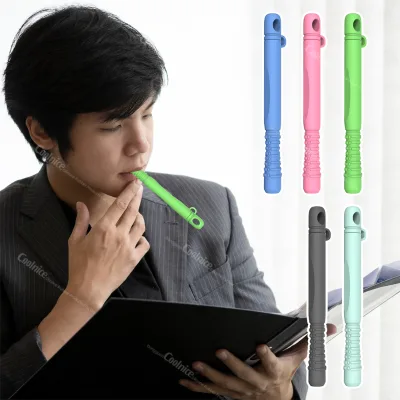
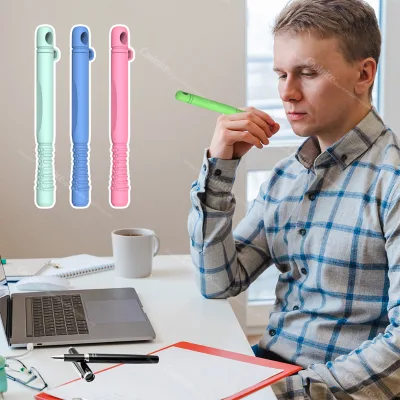
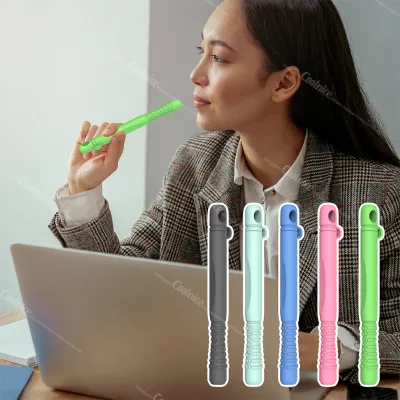
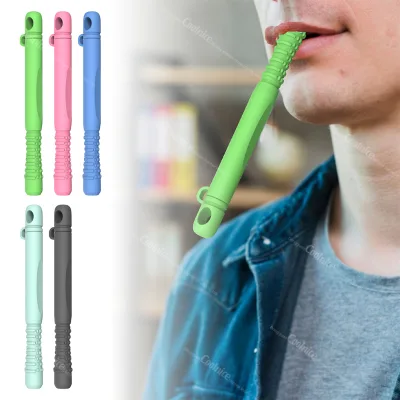
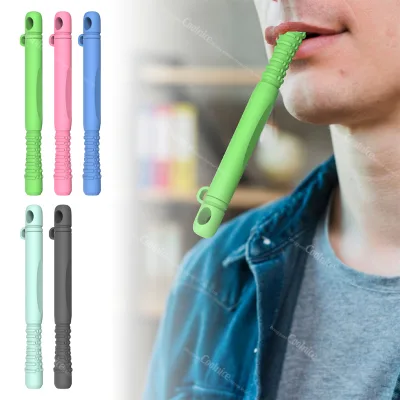
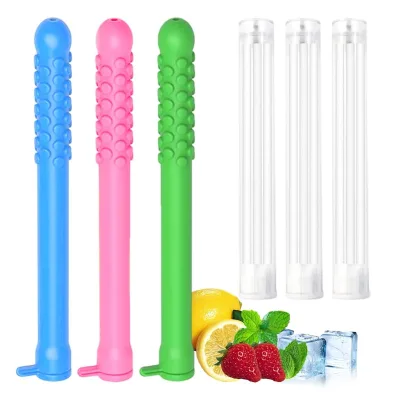
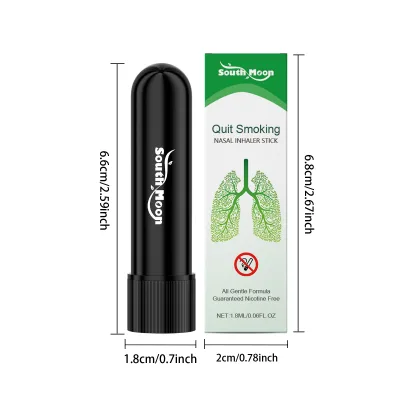
Silicone Chewable Essential Oil Breath Stick Quit Smoking Chew Sticks Travel-Friendly
$0.8497 - $1.0577
MOQ: 50 pieces
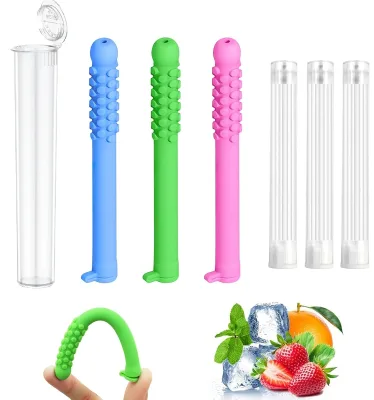
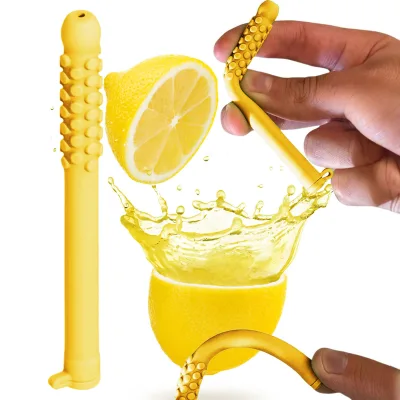
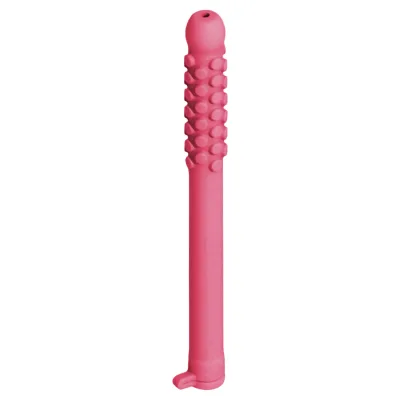



Comprehensive Sourcing Guide
Reusable Portable Breath Stick Sourcing Guide
Procuring reusable portable breath sticks requires a clear understanding of the product’s dual nature as both a daily convenience item and a specialized tool for specific behavioral or physiological needs. Buyers must distinguish between standard silicone chewing aids and those marketed for smoking cessation, as the intended use dictates material safety standards and marketing compliance. The observed market listings indicate a strong emphasis on portability and reusability, with products often described as "breather sticks" or "chewing sticks" made from silicone. This material choice is critical, as silicone offers durability and ease of cleaning, which are essential for items that remain in the mouth for extended periods.
Sourcing decisions should be guided by the specific application context, whether for household use, outdoor camping, or travel. The data suggests that these items are frequently positioned as convenient tools for daily life, with features like lightweight design and custom logo acceptance appealing to B2B buyers looking for promotional merchandise or private label opportunities. However, the variation in product names and descriptions across suppliers highlights the need for precise specification alignment. Buyers must ensure that the terminology used in their procurement documents matches the physical attributes of the product to avoid receiving items that do not meet the functional requirements of their end-users.
Product Scope and Observed Listing Signals
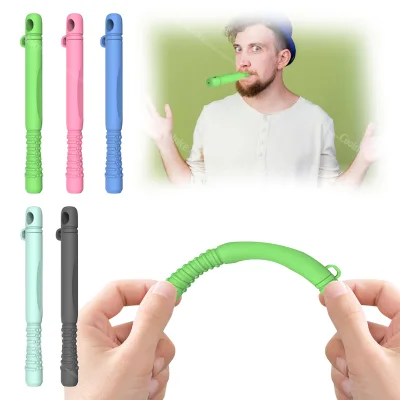
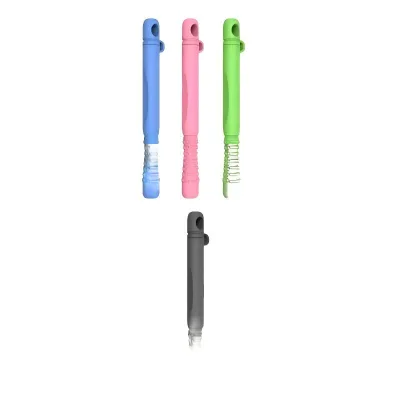
The current market landscape for reusable portable breath sticks shows a diverse range of product variations, primarily centered around silicone construction. Listings frequently highlight attributes such as "modern simple" style and "convenient tool" functionality, catering to consumers seeking aesthetic appeal alongside practical utility. The observed color options, including black, blue, green, gray, pink, and mint, suggest a broad appeal to different demographic segments, allowing buyers to tailor their inventory to specific market preferences. This variety in color and style indicates that these products are often treated as lifestyle accessories rather than purely medical or therapeutic devices, which influences how they are marketed and distributed.
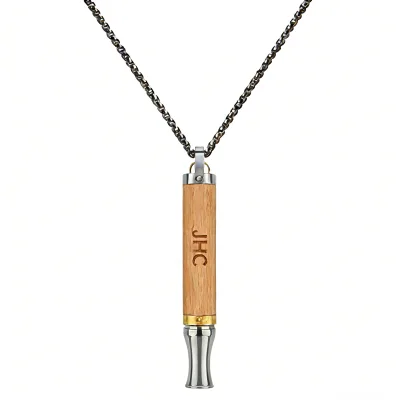
Another significant signal in the listings is the emphasis on customization and branding opportunities. Many suppliers explicitly state that they accept custom logos and offer OEM/ODM services, making these products attractive for corporate gifting or branded merchandise campaigns. The packaging is typically minimal, often described as a single piece in an OPP bag, which keeps shipping costs low and simplifies logistics for bulk orders. This packaging style also suggests that the product is designed for immediate use without the need for complex assembly or additional components, further enhancing its appeal as a low-maintenance, high-volume procurement item for retailers and distributors.
Technical Specifications to Verify
When evaluating technical specifications, the material composition is the most critical factor to verify. The supplied data consistently identifies silicone as the primary material, ranging from general "silicone" to "silicone products," which implies a need to confirm the grade of silicone used. Buyers should request detailed material safety data sheets to ensure the silicone is food-grade or medical-grade, depending on the intended use, as this directly impacts health and safety compliance. Additionally, the model numbers provided, such as "JS-JJJY002" and "0602," vary across suppliers, indicating that there is no standardized industry model for these items. This lack of standardization means that buyers must rely on detailed product descriptions and samples to ensure consistency across their supply chain.
Physical dimensions and capacity are other key technical aspects that require verification. While some listings mention a maximum capacity of 1L, this likely refers to packaging or bulk volume rather than the product itself, as breath sticks are typically small handheld items. Buyers should clarify the exact dimensions, weight, and any specific functional features, such as texture or flexibility, which can affect user experience. The "form" is often described as "as picture shown," which underscores the importance of visual confirmation and sample approval before placing large orders. Ensuring that the physical product matches the visual representation is essential to avoid discrepancies between marketing materials and the actual goods received.
Compliance and Safety Documentation
Safety documentation is paramount when sourcing products that come into direct contact with the mouth. Although some listings mention "high quality" and "safety" as features, there is no explicit mention of specific certifications like CE or FDA approval in the high-confidence facts, with one listing explicitly stating "no" for quality certification. This absence of clear certification data means buyers must proactively request test reports and compliance documents from suppliers. It is crucial to verify that the silicone used is free from harmful substances such as BPA, phthalates, and heavy metals, which are common concerns in silicone products. Buyers should insist on third-party lab testing results to validate these safety claims, as self-reported quality statements are insufficient for regulatory compliance.
Marketing claims also require careful scrutiny to ensure they do not violate advertising standards or health regulations. Some listings describe the product as a "quit smoking inhaler set," which could imply therapeutic benefits. Buyers must ensure that such claims are substantiated and compliant with local laws, as making unsubstantiated health claims can lead to legal liabilities. It is advisable to work with suppliers who are transparent about the product's intended use and who can provide documentation supporting any functional claims. Clear communication with suppliers regarding the permissible marketing language is essential to protect the buyer from potential regulatory issues in their target markets.
Cost Drivers and Commercial Terms
The cost structure for reusable portable breath sticks is influenced by several factors, including material quality, customization requirements, and order volume. The observed price range of $0.06 to $20 USD indicates a significant variation, likely driven by differences in silicone grade, packaging complexity, and branding services. Buyers should be aware that lower prices may correspond to basic, unbranded items with minimal customization, while higher prices may reflect premium materials, intricate designs, or extensive OEM services. Understanding these cost drivers is essential for budgeting and negotiating effectively with suppliers, as it allows buyers to identify where value is being added and where costs can be optimized.
Minimum Order Quantities (MOQs) and sample policies are also key commercial terms to consider. The observed MOQ range of 1 to 10,000 pieces offers flexibility for buyers of different sizes, from small startups to large enterprises. Suppliers often provide samples within 1-3 working days, which is a positive indicator of their responsiveness and ability to support the procurement process. Buyers should leverage this sample availability to test product quality and functionality before committing to larger orders. Additionally, understanding the lead times and payment terms is crucial for supply chain planning, as delays in production or shipping can impact inventory levels and customer satisfaction.
Supplier Qualification and Quality Control
Supplier qualification is a critical step in ensuring a reliable supply of reusable portable breath sticks. Buyers should assess suppliers based on their manufacturing capabilities, quality control processes, and responsiveness to customization requests. The presence of OEM/ODM services suggests that many suppliers are equipped to handle branded orders, but buyers must verify their ability to maintain consistent quality across batches. Requesting references or case studies from previous clients can provide insights into the supplier's reliability and professionalism. Additionally, evaluating the supplier's communication skills and willingness to provide detailed information is important for building a strong partnership.
Quality control measures should be clearly defined and agreed upon before production begins. Buyers should establish clear acceptance criteria for product quality, including checks for material defects, color consistency, and packaging integrity. Implementing pre-shipment inspections can help identify and rectify any issues before the goods are dispatched, reducing the risk of receiving substandard products. It is also advisable to include quality clauses in the purchase agreement, specifying remedies for non-conforming goods. By taking a proactive approach to quality control, buyers can mitigate risks and ensure that the products meet their expectations and the needs of their end-users.
Long-Term Procurement Checks
Long-term procurement success depends on continuous monitoring of supplier performance and market trends. Buyers should regularly review supplier metrics, such as on-time delivery rates, defect rates, and responsiveness to issues, to identify any potential problems early. Building a diversified supplier base can also help mitigate risks associated with single-source dependencies, ensuring that the supply chain remains resilient in the face of disruptions. Additionally, staying informed about changes in regulations and consumer preferences is essential for adapting procurement strategies to meet evolving market demands. This proactive approach allows buyers to maintain a competitive edge and ensure the long-term viability of their product offerings.
Feedback loops with end-users and internal stakeholders are vital for refining product specifications and improving customer satisfaction. Collecting and analyzing feedback on product performance, usability, and durability can provide valuable insights for future procurement decisions. Buyers should also consider the environmental impact of their sourcing choices, exploring options for sustainable materials and eco-friendly packaging where possible. By integrating sustainability into their procurement strategy, buyers can enhance their brand reputation and appeal to environmentally conscious consumers. Ultimately, a holistic approach to long-term procurement, combining rigorous supplier management with market awareness and sustainability, is key to achieving sustained success in the Reusable Portable Breath Stick market.
FAQs
What materials are used for reusable portable breath sticks?
These sticks are primarily made from silicone or silicone products, ensuring safety and reusability. The material choice supports a lightweight and portable design suitable for daily life, outdoor activities, and camping. This composition allows for easy cleaning and long-term use without degradation, making it a practical choice for various applications.
Can I customize the logo on these breath sticks?
Yes, custom logo acceptance is available for these products. Manufacturers welcome OEM and ODM customized orders, allowing buyers to brand the items with their own designs. This feature is ideal for promotional campaigns or corporate gifting, ensuring the product aligns with specific brand identities while maintaining its functional utility for users.
What is the typical MOQ for ordering these sticks?
The minimum order quantity is typically 50 pieces, though ranges can extend up to 10,000 units depending on the supplier. This flexible MOQ structure accommodates both small trial orders and larger bulk purchases. Buyers should verify specific requirements with manufacturers to ensure the order size meets their production or distribution needs effectively.
How long does it take to receive samples?
Sample times generally range from 1 to 3 working days. Samples are provided to help buyers assess quality before placing bulk orders. This quick turnaround allows for efficient evaluation of the product's features, such as its portable and lightweight nature, ensuring it meets the desired standards for household or outdoor use.
Where are these silicone breath sticks manufactured?
These products originate from manufacturing locations in China, specifically Guangdong and Zhejiang provinces. This regional sourcing provides access to established supply chains for silicone products. Buyers can leverage this geographic advantage for cost-effective procurement while ensuring consistent quality and availability of the reusable and convenient tools for various applications.
What packaging options are available for these items?
Standard packaging includes 1 piece per OPP bag or similar simple packaging solutions. This method ensures the product remains clean and protected during transit. The straightforward packaging aligns with the product's role as a daily supply item, facilitating easy storage and distribution for retailers or direct consumers seeking convenient and portable solutions.