Source Reusable Recyclable Jute Tote Bag for Gifts, Shopping, and Promotions
Find 30 customizable jute bags suitable for gifts, shopping, and promotions. These Reusable Recyclable Jute Tote Bag options feature eco-friendly materials, logo printing, and various sizes. Compare specifications from suppliers in China to find the best fit for your needs.
Key considerations
Products List


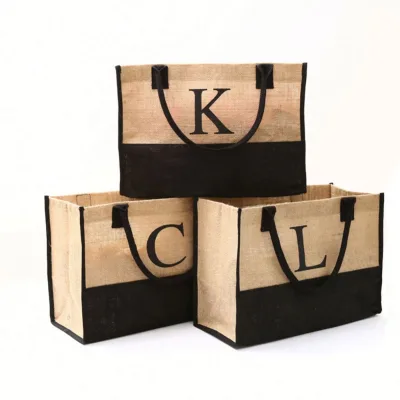


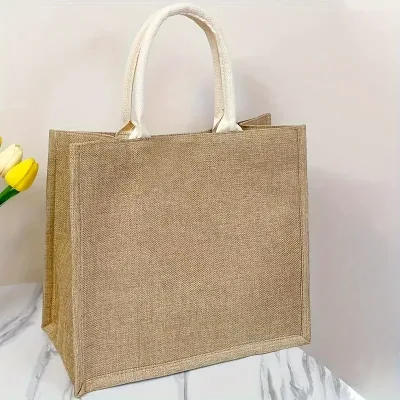

Eco Friendly Multi Size Canvas Jute Recyclable Customizable Shopping Tote Bag
$0.50 - $0.60
MOQ: 100 pieces


Comprehensive Sourcing Guide
Reusable Recyclable Jute Tote Bag Sourcing Guide
Sourcing high-quality reusable recyclable jute tote bags requires a clear understanding of material variations and manufacturing capabilities. The market offers diverse options, including pure jute, canvas blends, and non-woven jute fabrics, each presenting distinct aesthetic and functional properties. Buyers must evaluate whether the primary use case demands the rugged durability of woven jute or the softer hand-feel of canvas blends. This decision directly impacts the final product’s perceived value and its suitability for specific branding or promotional campaigns.
Customization is a central feature in this category, with suppliers widely offering OEM and ODM services to accommodate unique design requirements. From logo printing and color matching to handle selection and dimension adjustments, the flexibility allows brands to create cohesive marketing assets. However, this customization potential necessitates rigorous communication during the sampling phase to ensure that the final output aligns with the initial design intent and functional expectations.
Product Scope and Observed Listing Signals
The observed product landscape reveals a wide range of applications, extending from daily use and decoration to specialized sectors like cosmetics, jewelry, and gift packaging. Listings frequently highlight features such as eco-friendliness, novelty, and the inclusion of custom logos, indicating a strong market demand for sustainable yet branded merchandise. The style ranges from fashion-forward designs to leisure-oriented utility bags, suggesting that buyers should align their procurement strategy with their target audience’s aesthetic preferences.
Observed listing signals also point to significant variability in product specifications, including weight ranges from 9 to 220 GSM and various model identifiers like MBD series or JT-LYYD series. These identifiers often correspond to specific fabric weights or weave densities, which influence the bag’s structural integrity and load-bearing capacity. Buyers should treat these model numbers as reference points for material thickness rather than universal standards, verifying the exact GSM and weave type for each order to ensure consistency across large batches.
Technical Specifications to Verify
Verifying technical specifications is critical to ensuring the tote bag meets functional requirements, particularly regarding fabric weight and construction. The GSM range observed in listings suggests that lighter weights may be suitable for promotional giveaways, while heavier weights provide better durability for retail or repeated use. Buyers must confirm the exact GSM and weave structure, such as woven or non-woven, to prevent discrepancies between the sample and the bulk production. This verification helps avoid issues like tearing or excessive sagging when the bags are loaded with products.
Handle construction and material choice are another vital area for technical verification. Listings indicate options for cotton or PP webbing handles, each offering different comfort levels and strength characteristics. The attachment method of the handle to the bag body significantly impacts longevity, so buyers should inspect stress points during the sampling phase. Additionally, dimensions should be confirmed against specific requirements, as standard sizes may not accommodate all product types, especially for larger or irregularly shaped items.
Compliance and Safety Documentation
While specific certification statuses are not universally listed, buyers should proactively request documentation related to material safety and environmental claims. For reusable recyclable jute tote bags, verifying the absence of harmful chemicals in dyes and finishes is essential, particularly if the bags are intended for food-related or cosmetic applications. Buyers should inquire about compliance with relevant regional standards for textile safety, ensuring that the materials used do not pose health risks to end-users or violate import regulations.
Environmental claims such as "eco-friendly" and "recycled" require substantiation through credible documentation. Buyers should ask for evidence supporting these claims, such as material source certifications or recycling process validations. This due diligence protects the brand from greenwashing accusations and aligns procurement practices with corporate sustainability goals. Establishing clear expectations for environmental compliance early in the sourcing process helps filter suppliers who can provide the necessary transparency and accountability.
Cost Drivers and Commercial Terms
Cost drivers for jute tote bags include material selection, customization complexity, and order volume. The observed MOQ range of 100 to 1000 pieces indicates that smaller orders may incur higher per-unit costs due to setup and production inefficiencies. Buyers should consider the trade-off between lower MOQs and higher unit prices, especially for initial market testing or limited-edition campaigns. Additionally, the complexity of logo printing, handle customization, and packaging requirements can significantly influence the final cost, so detailed specifications should be finalized before requesting quotes.
Commercial terms typically involve a deposit structure, such as 30% before production and 70% before shipment, which is common in the industry. Lead times generally range from 25 to 30 days for production, with sample times taking 4 to 8 days. Buyers should factor these timelines into their project schedules to avoid delays. Payment terms and lead times should be clearly negotiated and documented in the purchase order to ensure mutual understanding and mitigate risks associated with production delays or quality issues.
Supplier Qualification and Quality Control
Supplier qualification involves assessing manufacturing capabilities, customization experience, and quality control processes. Buyers should verify the supplier’s ability to handle OEM/ODM requests and their track record in producing consistent, high-quality jute products. Visiting the factory or requesting detailed virtual tours can provide insights into production lines, material storage, and quality inspection procedures. This due diligence helps identify suppliers who prioritize craftsmanship and adhere to strict quality standards.
Quality control measures should be established before production begins, including clear acceptance criteria for materials, stitching, and finishing. Buyers should request pre-production samples and conduct thorough inspections to verify that the product meets all specified requirements. Implementing a third-party inspection service for bulk production can provide an additional layer of assurance, ensuring that the final shipment matches the approved sample in terms of quality, dimensions, and appearance.
Long-Term Procurement Checks
Long-term procurement success depends on establishing strong relationships with reliable suppliers and maintaining consistent quality standards. Buyers should conduct regular performance reviews, assessing suppliers based on delivery times, product quality, and responsiveness to issues. Building a pipeline of qualified suppliers can provide flexibility and competitive pricing, reducing dependency on a single source. Continuous communication and feedback loops help improve product quality and service levels over time.
Sustainability and ethical sourcing practices should be monitored regularly to ensure alignment with evolving corporate social responsibility goals. Buyers should stay informed about changes in material sourcing regulations and environmental standards, adapting their procurement strategies accordingly. By prioritizing transparency and accountability, buyers can build a resilient supply chain that supports both business objectives and broader societal values, ensuring long-term success in the Reusable Recyclable Jute Tote Bag market.
FAQs
Can I get a customized Reusable Recyclable Jute Tote Bag with my logo?
Yes, customization is available for reusable recyclable jute tote bags with logo printing. You can request specific designs, colors, and dimensions according to your requirements. The production process supports ODM and OEM services to ensure the final product meets your unique branding needs effectively.
What is the minimum order quantity for these jute bags?
The minimum order quantity for these jute bags is 1000 pieces. This standard MOQ applies to most custom orders to ensure efficient production scheduling. Buyers should plan their procurement accordingly to meet this threshold while enjoying the benefits of bulk purchasing and customized features.
How long does it take to receive samples of the jute bags?
Sample time for these jute bags ranges from 4 to 8 days. This period allows for the creation of prototypes that match your specific customization requests. Once approved, the full production lead time begins, typically lasting between 25 to 30 days before shipment.
Which materials are used to make these reusable jute tote bags?
These reusable jute tote bags are made from jute, canvas, or jute non-woven fabric. The handles are crafted from cotton or PP webbing for durability. These materials ensure the bags are eco-friendly, reusable, and suitable for various applications like gift packaging, cosmetics, and daily use.
What are the payment terms for ordering these custom jute bags?
Payment terms require 30% before production and 70% before shipment. This structure secures the order while ensuring funds are available for manufacturing and logistics. Buyers can arrange payments through standard channels to facilitate smooth transactions for their custom jute bag orders.
Where are these jute bags manufactured and exported from?
These jute bags are manufactured in locations such as Suzhou and Longgang in China. They are exported via major ports like Shanghai or Ningbo. This strategic location ensures efficient logistics and timely delivery to international buyers seeking high-quality, customized jute products.
Can the size and shape of the jute bags be customized?
Yes, the size and shape of the jute bags can be customized to your specific requirements. Dimensions are flexible, allowing for large square or other shapes as needed. This customization ensures the bags fit your specific usage needs for garments, jewelry, or promotional gifts perfectly.