Source Reusable Sanitary Pads for daily use, sports, and travel
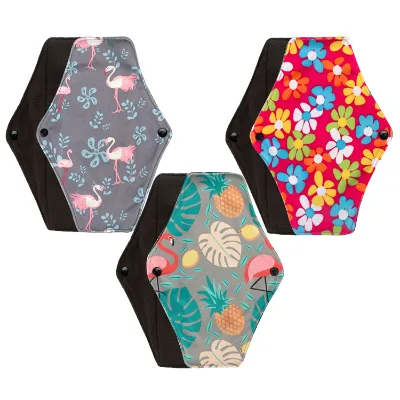
Find 30 listings for Reusable Sanitary Pads with features like cotton tops, leakproof design, and washable materials. Buyers can compare specifications including absorbency, size, and customization options from verified Chinese manufacturers.
Key considerations
Products List


$0.03 - $0.05
MOQ: 100000 Pieces




Factory-direct pricing Disposable pad Feminine hygiene pad Sanitary pad
$0.02 - $0.03
MOQ: 160000 pieces

Stable Supply Feminine napkins Disposable pad Ultra-thin sanitary pad
$0.02 - $0.03
MOQ: 160000 pieces


Eco Friendly Disposable Sanitary Pad Ultra Thin Disposable Feminine Care Pad
$0.10 - $0.20
MOQ: 10000 Bags

Comprehensive Sourcing Guide
Reusable Sanitary Pads Sourcing Guide
Product Scope and Observed Listing Signals
The current market landscape for Reusable Sanitary Pads reveals a diverse array of product configurations, primarily targeting adult female consumers with a focus on comfort and functionality. Observed listings indicate a strong emphasis on material composition, with cotton and non-woven fabrics serving as the primary top sheets, while absorbency is managed through specialized SAP (Super Absorbent Polymer) layers, including sources like Japan Sumitimo. The products are explicitly designed as non-disposable, washable items that offer leakproof protection, distinguishing them from traditional single-use alternatives. Buyers will notice that customization is widely available, allowing for tailored solutions that range from standard multicolor and pink options to specific patterned designs, catering to both personal preference and brand identity requirements.
Commercial signals suggest a broad spectrum of manufacturing capabilities, with origins spanning major production hubs such as Zhejiang and Fujian in China. The observed price range is extensive, spanning from $0.01 to $1100, which reflects the variance between basic individual units and bulk industrial or commercial orders. Minimum Order Quantities (MOQs) are equally varied, ranging from 20 units for sample or small-batch testing up to 500,000 units for large-scale distribution. This disparity highlights the importance of aligning order volume with supplier capacity, as some manufacturers specialize in high-volume OEM/ODM services while others may cater to niche, low-MOQ requests. The presence of free samples and offered prototypes further indicates that buyers can validate product quality before committing to significant financial investments.
Technical Specifications to Verify
When evaluating Reusable Sanitary Pads, the physical dimensions and layer construction are critical determinants of performance and user comfort. Buyers should verify specific size metrics, such as the observed 18*25.5cm configuration, to ensure they meet the intended coverage requirements for different flow levels. The layer structure is another vital technical aspect; listings indicate a 3-ply design, which typically consists of a soft top sheet, an absorbent core, and a leakproof bottom layer. It is essential to confirm whether the top sheet is made from cotton or non-woven materials, as this choice directly impacts skin feel and breathability. Additionally, the folded state of the product and the presence of patterns or specific colors like primary colors or pink should be confirmed against the buyer’s aesthetic and functional requirements.
Absorbency and material sourcing are key technical factors that influence the efficacy of the product. The observed listings highlight an absorbency capacity of 100ml, which serves as a baseline metric for moderate flow usage, though buyers must verify if this capacity is consistent across all models. The use of specific SAP materials, such as Japan Sumitimo, suggests a focus on high-quality absorption technology, but it is crucial to confirm the exact composition and distribution of these materials within the pad. Weight is another observable specification, with some items listed at 0.0275kg, which helps in calculating shipping costs and storage requirements. Buyers should also check for features like ultra-thin profiles or breathable designs, as these attributes contribute to overall user satisfaction and discretion during use.
Compliance and Safety Documentation
Safety and hygiene are paramount in the feminine care industry, requiring rigorous documentation to ensure product integrity. Buyers must verify that all Reusable Sanitary Pads meet qualified quality standards, as indicated by the observed "Qualified" attribute in listings. This involves ensuring that the materials used, including cotton, non-woven fabrics, and SAP components, are free from harmful chemicals and allergens. Documentation should confirm that the products are suitable for external use and do not contain flavors or other additives that could cause irritation. The non-disposable nature of these products necessitates clear instructions on washing and maintenance to prevent bacterial growth, which should be reflected in the product packaging and accompanying user guides.
Regulatory compliance extends to the manufacturing process and the origin of the materials. Since products originate from regions like Zhejiang and Fujian in China, buyers should ensure that suppliers adhere to local and international safety regulations. This includes verifying that the production facilities maintain high standards of cleanliness and that the final products undergo appropriate quality checks. The use of eco-friendly features, as noted in some listings, should be substantiated with relevant certifications or material safety data sheets. Buyers should also confirm that the packaging, whether in paper cartons or OPP polybags, meets environmental standards and provides adequate protection during transit.
Cost Drivers and Commercial Terms
The cost structure for Reusable Sanitary Pads is influenced by several factors, including material quality, customization options, and order volume. The observed price range of $0.01 to $1100 reflects the variability between simple, unbranded items and complex, customized products with premium materials. Buyers should consider the cost implications of features such as logo printing, specific color choices, and patterned designs, which may incur additional charges. The availability of OEM and ODM services allows for brand differentiation but can also impact the unit price due to the complexity of the manufacturing process. Understanding these cost drivers is essential for budgeting and negotiating favorable terms with suppliers.
Commercial terms, including MOQs and payment conditions, play a significant role in the procurement process. The wide range of MOQs, from 20 to 500,000 units, offers flexibility for buyers of different sizes, but it also requires careful planning to avoid excess inventory or stockouts. Buyers should negotiate clear terms regarding sample orders, as free samples are often offered to facilitate product evaluation. Additionally, the packing specifications, such as 1 PCS/OPP polybag or 10pcs/bag, 48bags/ctn, affect logistics and storage costs. It is advisable to discuss lead times and shipping arrangements early in the negotiation process to ensure timely delivery and minimize disruptions in the supply chain.
Supplier Qualification and Quality Control
Selecting a reliable supplier is crucial for ensuring the consistent quality and safety of Reusable Sanitary Pads. Buyers should prioritize suppliers that offer comprehensive customization services, including OEM and ODM capabilities, as this indicates a higher level of manufacturing expertise. The presence of specific product models, such as 19048, 14002, and RST-4203, suggests that suppliers have established production lines and quality control processes. It is important to verify the supplier’s ability to maintain consistent quality across large orders, as indicated by the "Qualified" status observed in listings. Buyers should also assess the supplier’s responsiveness to sample requests and their willingness to provide detailed product information.
Quality control measures should be integrated into the procurement process to mitigate risks associated with product defects. Buyers should request detailed quality assurance documentation, including test results for absorbency, leakproofness, and material safety. The use of specific materials, such as Japan Sumitimo SAP, should be verified through supplier declarations or third-party testing. Additionally, buyers should inspect the packaging and labeling to ensure they meet regulatory requirements and provide clear usage instructions. Establishing a robust quality control protocol, including pre-shipment inspections and random sampling, can help maintain product standards and protect the buyer’s brand reputation.
Long-Term Procurement Checks
Sustainable sourcing practices are increasingly important in the procurement of Reusable Sanitary Pads, given their eco-friendly nature. Buyers should evaluate suppliers’ commitment to environmental responsibility, including the use of sustainable materials and eco-friendly production processes. The observed "Eco-Friendly" attribute in some listings suggests that suppliers are aware of these concerns, but buyers should seek further verification through certifications or sustainability reports. Long-term partnerships with suppliers who prioritize environmental stewardship can enhance brand value and align with consumer expectations for responsible consumption.
Continuous monitoring of supplier performance is essential for maintaining a reliable supply chain. Buyers should establish key performance indicators (KPIs) related to product quality, delivery times, and customer satisfaction. Regular audits and feedback loops can help identify areas for improvement and foster a collaborative relationship with suppliers. Additionally, buyers should stay informed about market trends and technological advancements in the reusable sanitary pad industry to ensure their products remain competitive. By proactively managing supplier relationships and adapting to market changes, buyers can secure a stable supply of high-quality Reusable Sanitary Pads that meet the evolving needs of their customers.
FAQs
How absorbent are reusable cotton sanitary pads?
Listed products on this page show an absorbency of around 100ml, which suits moderate to heavy flow when changed regularly. Actual performance varies by model, layer count, and materials, so buyers should request samples to test absorbency against their target market's needs before committing to volume orders.
What materials are used in Reusable Sanitary Pads?
Common materials include cotton for the top sheet and non-woven fabrics in the inner structure, with super absorbent cores using sap for liquid retention. Cotton top sheets are favored for breathability and comfort. Confirm the exact material composition with each manufacturer, as specifications differ across models and customization requests.
Can Reusable Sanitary Pads be customized with our brand logo?
Yes, customization is available, and suppliers offer OEM and ODM services. Some listings are supplied without logo printing by default, allowing your own branding to be added. Discuss minimum quantities, artwork requirements, and sample approval steps with manufacturers before placing a bulk order.
What is the typical packaging for Reusable Sanitary Pads?
Packaging options observed include one piece per OPP polybag and carton packing, with some listings specifying 10 pieces per bag and 48 bags per carton. Paper cartons are also used for bulk shipments. Confirm the packing configuration, carton dimensions, and labeling requirements with your chosen supplier at the quotation stage.
Which features should buyers look for in reusable pads?
Key features include leakproof construction, absorbency, washability, breathability, and a comfortable design. Eco-friendly and ultra-thin variants are also available. For reusable products, verify that materials withstand repeated washing without losing absorbency, and always test samples through multiple wash cycles before approving production.
Can we get free samples before ordering Reusable Sanitary Pads?
Yes, samples are offered, and some listings provide free samples. Sample policies may require you to cover shipping costs, and sample models may differ slightly from mass production units. Request samples of your target model, test absorbency and washability, and confirm final specifications before confirming a bulk order.
What order quantities do reusable sanitary pad suppliers accept?
Observed minimum order quantities range from as low as 20 pieces to 500,000 pieces, depending on the supplier and product type. Smaller MOQs typically apply to standard models, while customized designs often require higher volumes. Negotiate MOQ alongside pricing, as both usually move together.
How should Reusable Sanitary Pads be washed and maintained?
These pads are washable and designed for repeated use rather than disposal. Rinse after use, then machine or hand wash according to the manufacturer's care instructions, and air dry completely before storage. Follow the care guidance provided with each product, since absorbency and lifespan depend on correct washing practices.