Source Reusable Round Plant Support Strap for Tomatoes, Cucumbers, and Greenhouses
Find and compare 30 listings for Reusable Round Plant Support Strap options from Chinese manufacturers. Buyers can evaluate specifications like size, material, and customization for growing fruit vegetables and garden fixing applications.
Key considerations
Products List
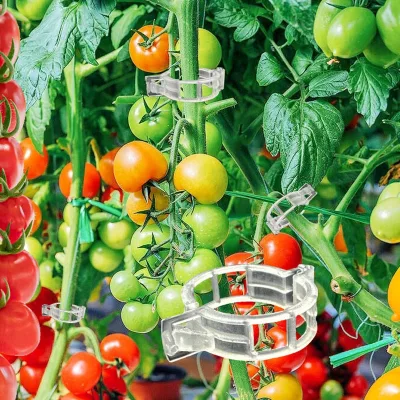


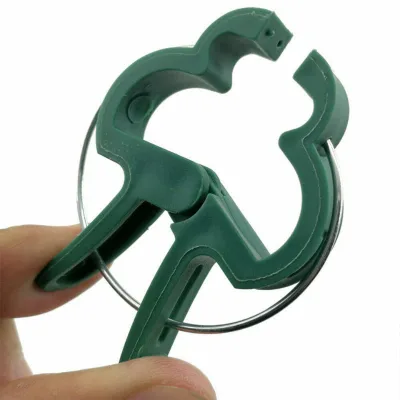
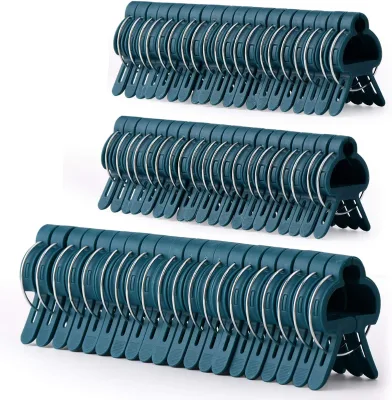
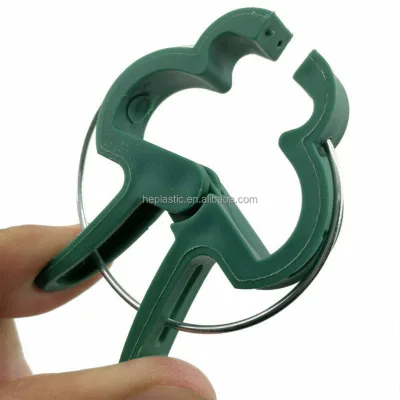
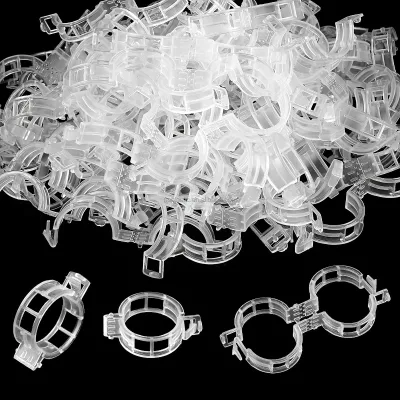


PP Greenhouse Plant Clips Butterfly Buckle for Vine Fastening Protection
$0.01 - $0.02
MOQ: 5000 Pieces
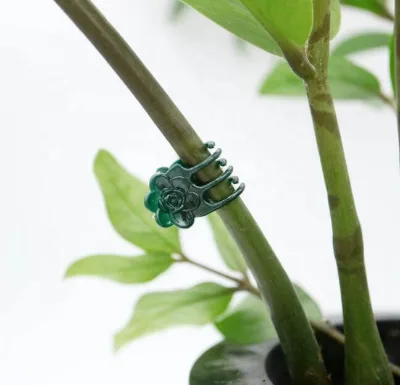


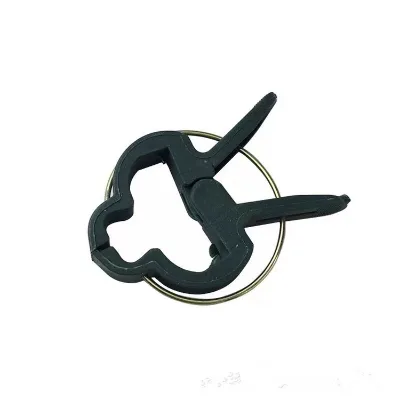
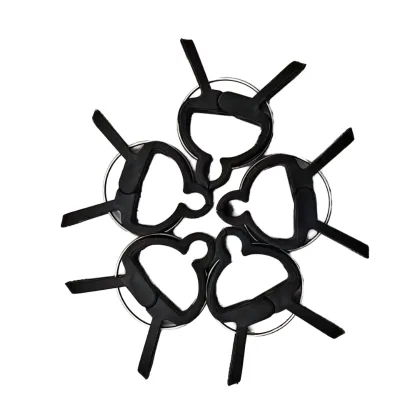


Comprehensive Sourcing Guide
Strategic Sourcing Guide for Reusable Round Plant Support Straps
Understanding Product Specifications and Material Composition
When sourcing reusable round plant support straps, buyers must first distinguish between the specific product attributes observed in the market and the general category requirements. The core keyword implies a flexible, circular fastening solution designed for agricultural applications. Based on available product data, the market presents a variety of configurations ranging from small, single-item clips to larger, continuous roll systems. A critical observation is the divergence in material composition. Some listings specify "Plastic with UV" protection, specifically utilizing Polypropylene (PP) or Polyethylene (PE) with an iron wire core. This dual-material construction suggests a design intent to balance flexibility with structural integrity, allowing the strap to grip plant stems without causing damage while maintaining shape under tension.
Conversely, other product entries in the same category list materials such as Carbon Steel or Metal, often finished with PVC coating. This indicates that the term "plant support strap" can encompass rigid metal ties alongside flexible polymer straps. Buyers must verify whether the specific procurement need is for a soft, pliable strap that conforms to organic growth or a rigid, coated metal tie for heavier structural support. The observed model numbers, such as "spring clip," "8805A," "8805B," and "Z0145," suggest that manufacturers offer distinct profiles for different stem diameters. The size specifications range from "Small" to "Large," with specific dimensions noted as "15-25mm" for certain clip models and length variations extending up to 100 meters for roll-based systems.
The shape is consistently described as "Circular," which is essential for the round nature of the support mechanism. However, the application context varies significantly. While some products are explicitly named "Tomato plastic clips" for growing fruit vegetables, others are categorized under "Multi-Span Agricultural Greenhouses" or "Production Greenhouse" applications. This broad categorization requires the buyer to scrutinize the "Instruction for use" to ensure the product is intended for the specific crop type, whether it be tomatoes, cucumbers, or general garden fixing. The presence of "UV" in the material description is a vital technical specification, as agricultural environments expose materials to intense solar radiation, which can degrade standard plastics over time.
Compliance, Certification, and Regulatory Standards
Navigating the compliance landscape for agricultural hardware requires a careful examination of the certifications listed in supplier data. The provided facts indicate that certain products carry "CE" certification, a mark that signifies conformity with health, safety, and environmental protection standards for products sold within the European Economic Area. For buyers targeting European markets, verifying the validity of this certification is a mandatory step. However, it is important to note that not all listed products in the category display this certification. The absence of a listed certification in a product description does not inherently imply non-compliance, but it necessitates a direct inquiry to the supplier regarding their quality assurance protocols.
Beyond specific certifications, buyers should evaluate the adherence to general manufacturing standards. The data mentions a "prod_standard" of "20m / 30m / 50m / 100m" and another standard defined as "60x40x14cm." These likely refer to packaging dimensions or standard roll lengths rather than international material standards like ISO. In the absence of explicit ISO or ASTM references in the provided facts, buyers must request documentation confirming that the materials meet relevant agricultural safety standards. For instance, if the product is intended for organic farming, the buyer must verify that the plastic or metal coatings do not leach harmful substances into the soil or the produce.
The "Warranty" attribute of "3years" found in some listings serves as a proxy for the manufacturer's confidence in their product's durability and compliance with expected performance lifecycles. A three-year warranty implies that the product is expected to withstand at least three growing seasons without significant degradation, which is a strong indicator of UV resistance and material quality. However, this warranty is an observation of a specific listing and should not be assumed to apply to all products in the category. Buyers should treat this as a benchmark for negotiation, seeking similar warranty terms from potential suppliers to ensure long-term value.
Cost Drivers and Pricing Dynamics
The pricing structure for reusable round plant support straps is influenced by several distinct factors, primarily material composition, production volume, and customization requirements. The observed price range in the market is noted as 0-15 USD, a broad spectrum that likely reflects the difference between low-cost, single-use or short-life plastic clips and high-durability, UV-stabilized systems with metal cores. The lower end of this range typically corresponds to basic plastic clips with minimal UV protection, while the higher end likely encompasses products with iron wire cores, PVC coatings, or specialized UV-resistant formulations.
Minimum Order Quantity (MOQ) is another significant cost driver. The data reveals an MOQ range from 1 to 10,000 pieces, with a specific high-confidence fact citing an MOQ of 1000 pieces for certain items. This variability allows buyers to scale their orders based on immediate needs and budget constraints. However, the unit price often decreases as the order volume increases, a standard economic principle in B2B manufacturing. Buyers should be aware that the "Selling Units" are listed as "Single item" for some products, suggesting that sample orders or small-scale trials are possible, but bulk pricing tiers will likely apply for orders exceeding the standard MOQ.
Customization is listed as "Available" in the product attributes, which introduces a variable cost element. Customizing the length, color, or material composition (e.g., specific UV stabilizers or coating thickness) typically incurs additional setup fees and higher per-unit costs. The "Color" options, including White, Black, Green, and combinations thereof, may also influence pricing, as certain pigments or coatings require more complex manufacturing processes. Additionally, the "Packing" method, whether in "Carton," "Paper Card," or custom packaging, affects the final landed cost. Bulk packaging in cartons is generally more cost-effective for large orders, while individual carded packaging is suitable for retail distribution but adds to the unit cost.
Typical Applications and Agricultural Use Cases
The versatility of reusable round plant support straps is evident in the diverse applications listed in the product data. The primary use case is "Growing fruit Vegetable," with specific mentions of tomatoes and cucumbers. These crops often require vertical support to maximize yield and prevent fruit rot. The "Circular" shape of the straps allows them to be easily looped around stems, providing gentle support that expands as the plant grows. The "Instruction for use" explicitly states "For greenhouse plant support," highlighting the controlled environment of greenhouses as a primary deployment zone.
Beyond specific vegetables, the application scope extends to "All kinds of plants," indicating that these straps are suitable for a wide range of horticultural needs, including ornamental flowers and general garden fixing. The "Feature" attributes of "Cuttable," "Reusable," and "Flexible" further reinforce their utility in dynamic agricultural settings where plants grow at different rates and require adjustable support. The "Spring clip" model suggests a specific mechanism for quick attachment and detachment, which is valuable for labor-intensive operations where speed is essential.
The data also categorizes these products under "Multi-Span Agricultural Greenhouses" and "Production Greenhouse," suggesting that they are integral components of larger infrastructure systems. In these settings, the straps may be used not just for individual plants but for securing trellis systems or supporting larger canopy structures. The "Feature" of being "Eco Friendly" and "Waterproof" is particularly relevant for sustainable farming practices, where reducing waste and ensuring longevity are key objectives. The ability to reuse the straps over multiple seasons aligns with eco-friendly principles, reducing the need for frequent replacement and minimizing plastic waste.
Supplier Evaluation and Geographic Considerations
When evaluating potential suppliers for reusable round plant support straps, geographic origin plays a crucial role in logistics and supply chain reliability. The provided facts indicate that products originate from "Hebei, China" and "Jiangsu," with a general designation of "Made in China." These regions are known for their manufacturing capabilities in plastics and agricultural hardware. Hebei, in particular, is a hub for various industrial goods, while Jiangsu is renowned for its advanced manufacturing and export infrastructure. Buyers should consider the specific location of the manufacturer, as it can impact shipping times and costs.
The manufacturer name "Guiyuanhe" is explicitly mentioned in the data, serving as a reference point for due diligence. However, buyers should not rely solely on this single name but should conduct broader market research to identify other reputable suppliers in the same region. The "Brand Name" "GYH" is also noted, which can be used to verify the authenticity of the product and the reputation of the brand in the market. When contacting suppliers, buyers should verify the "Manufacturer" details to ensure they are dealing with the actual producer rather than a middleman, which can affect pricing and quality control.
Supplier evaluation should also include an assessment of their "Customization" capabilities. Since customization is listed as "Available," buyers should inquire about the lead times and minimum order quantities for custom orders. The ability to produce specific lengths, such as "20m, 30m, 50m, 100m," or specific dimensions like "15-25mm" is a strong indicator of a supplier's flexibility and manufacturing capacity. Additionally, the "Finished" process, such as "PVC Coated," should be verified to ensure the supplier has the necessary equipment and expertise to apply these finishes consistently.
Quality Control and Long-Term Procurement Strategies
Ensuring the quality of reusable round plant support straps requires a robust quality control (QC) strategy that addresses the specific attributes of the product. The "Durable" advantage listed in the product data suggests that longevity is a key selling point, but this must be validated through testing. Buyers should request test results or data regarding UV resistance, tensile strength, and flexibility retention after repeated use. The "3years" warranty is a strong indicator of expected durability, but buyers should clarify the terms of this warranty, including what constitutes a defect and the process for claims.
For long-term procurement, buyers should prioritize suppliers who offer consistent quality across batches. The "Material" specifications, such as "Plastic with UV" or "PE + Iron Wire Core," should be strictly adhered to in every shipment. Variations in material quality can lead to premature failure, especially in harsh agricultural environments. The "Feature" of being "Reusable" implies that the product must withstand multiple cycles of use without degrading. Buyers should establish a protocol for periodic sampling and testing of incoming shipments to ensure that the material properties remain consistent.
Packaging is another critical aspect of quality control. The "Packing" methods listed include "Carton" and "Paper Card." For large orders, carton packaging is preferred as it offers better protection during transit. Buyers should verify that the packaging is robust enough to prevent damage to the straps, which could compromise their functionality. The "Standard" dimensions of "60x40x14cm" for packaging should be confirmed to ensure efficient storage and shipping.
Finally, buyers should consider the environmental impact of their procurement decisions. The "Eco Friendly" feature suggests that these products are designed with sustainability in mind. Buyers should evaluate the end-of-life options for the straps, such as recyclability, to align with their own sustainability goals. By focusing on durable, reusable, and eco-friendly products, buyers can reduce long-term costs and minimize their environmental footprint, ensuring a sustainable supply chain for their agricultural operations.
FAQs
What materials are used for reusable round plant support straps?
These straps are primarily made from plastic with UV protection, specifically Polypropylene or Polyethylene with an iron wire core. Some variants utilize carbon steel finished with PVC coating to ensure durability and flexibility for various plant types.
Can these straps be customized for specific greenhouse needs?
Yes, customization is available for length, color, and material composition to suit specific agricultural requirements. Buyers can request specific dimensions like 20m or 100m rolls, though this may affect the minimum order quantity and unit pricing.
Which certifications are available for these agricultural support products?
Certain listings in the market carry CE certification, indicating conformity with European safety and environmental standards. However, not all products display this mark, so buyers must verify compliance directly with the supplier before purchasing.
How do pricing and minimum order quantities vary for these straps?
Prices range from 0 to 15 USD depending on material quality and UV resistance, while MOQs vary from 1 to 10,000 pieces. Specific items often require a minimum of 1000 pieces, with unit costs decreasing as order volume increases.
Where are the manufacturers of these plant support straps located?
Manufacturers are primarily located in Hebei and Jiangsu provinces in China, with some products designated as Made in China. These regions offer established supply chains for plastic and metal agricultural hardware suitable for export.
What is the expected warranty period for durable plant support straps?
Some suppliers offer a three-year warranty, suggesting the product can withstand at least three growing seasons without significant degradation. This warranty serves as an indicator of the manufacturer's confidence in the product's UV resistance and overall durability.