Source RFID Protection Multi-Slot Slim Wallet for Business, Travel, and Daily Use
Explore 30 options for the RFID Protection Multi-Slot Slim Wallet, featuring materials like leather and aluminum. Compare specifications such as RFID blocking, MagSafe compatibility, and custom sizes to find the ideal solution for your inventory needs; compare the available evidence and request quotations based on your requirements.
Key considerations
Products List

Smart RFID Wallet with Pop-up Card Holder and Anti-Demagnetization Multi-Slot Card
$2.98 - $3.26
MOQ: 300 Pieces


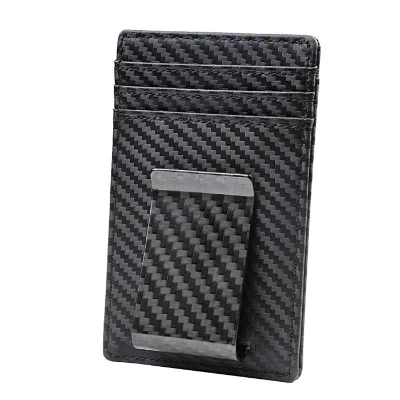
Slim Wallet with Money Clip Minimalist RFID Front Pocket Wallets for Men
$3.82 - $3.86
MOQ: 100 Pieces


Comprehensive Sourcing Guide
RFID Protection Multi-Slot Slim Wallet Sourcing Guide
Procuring RFID protection multi slot slim wallets requires distinguishing between genuine shielding technologies and superficial design claims. Buyers must verify that the product explicitly lists RFID blocking or RFID functionality as a core feature, rather than relying on general descriptions of material composition. The observed market data indicates specific models offering these protections, but the effectiveness depends on the internal layering and material integrity, which varies significantly across different suppliers.
Sourcing decisions should prioritize suppliers who provide clear technical specifications regarding the shielding mechanism used. While some listings mention aluminum construction or specific blocking functions, others may only imply protection through general material descriptions. A rigorous verification process involves requesting detailed diagrams or test reports that confirm the wallet can effectively block unauthorized scanning frequencies, ensuring the product meets the actual security needs of the end-user.
Product Scope and Observed Listing Signals
The current market for slim wallets presents a diverse range of styles, from minimalist designs to those featuring fashion elements like crocodile grain or candy colors. Observed listings reveal a wide spectrum of dimensions, with standard sizes ranging from approximately 9.6 cm to 10.8 cm in length, catering to various card capacities and user preferences. Buyers should carefully review the listed dimensions against their specific storage requirements, as the slim profile often necessitates a trade-off between capacity and bulk.
Material composition is another critical signal, with observed products utilizing leather, aluminum, and other composites to achieve different aesthetic and functional goals. The presence of customization options for logos and packaging suggests a strong B2B focus, allowing buyers to tailor products for corporate gifting or retail branding. However, the variation in packing methods, such as polybags versus black gift boxes, indicates that packaging quality is not uniform and must be explicitly confirmed during the negotiation phase.
Technical Specifications to Verify
Dimensional accuracy is paramount for slim wallets intended for pocket or bag storage, as even minor deviations can affect usability. Buyers must verify the exact length, width, and thickness specifications, noting that observed standards vary from 9.7 cm to 10.8 cm in length and 6.7 cm to 8 cm in width. It is essential to confirm whether these measurements represent the internal capacity or the external footprint, as this distinction impacts how the wallet fits within different carrying scenarios.
The internal architecture and material hardness also require strict verification to ensure durability and functionality. While some products are described as medium soft or partially hard, the specific construction techniques, such as handmade craftsmanship or casting, influence the final product's resilience. Buyers should request detailed information on the number of slots, the type of RFID shielding material used, and the specific hardness ratings to ensure the wallet can withstand daily wear without compromising its protective capabilities.
Compliance and Safety Documentation
Ensuring that RFID wallets meet international safety and security standards is a critical step in the procurement process. While specific certification names are not universally listed in the provided data, buyers must demand evidence that the RFID blocking technology has been tested against recognized frequency standards. This verification ensures that the wallet effectively prevents unauthorized data access, protecting the user's financial and personal information from digital theft.
Material safety and environmental compliance are equally important, particularly when sourcing products made from leather or aluminum. Buyers should request documentation confirming that the materials used are free from harmful substances and comply with relevant regulations in the target market. This includes verifying that any dyes, finishes, or adhesives used in the manufacturing process meet safety thresholds, ensuring the product is safe for consumer use and aligns with corporate sustainability goals.
Cost Drivers and Commercial Terms
The cost of RFID protection multi slot slim wallets is influenced by several factors, including material quality, customization complexity, and production volume. Observed minimum order quantities range from 20 to 500 units, with specific models requiring a minimum of 50 pieces, which directly impacts the unit price and overall budget. Buyers must balance the desire for premium materials like genuine leather or advanced aluminum shielding with the economic constraints of their order volume.
Commercial terms such as lead times and packaging requirements also play a significant role in the total cost of ownership. The availability of 24-hour online service and customization options suggests that suppliers may offer flexible terms, but these services often come with associated costs. Buyers should negotiate clear agreements regarding production timelines, shipping methods, and the specific packaging configurations, such as cartons or gift boxes, to avoid unexpected expenses and ensure timely delivery.
Supplier Qualification and Quality Control
Selecting a qualified supplier involves a thorough assessment of their production capabilities and quality control systems. Buyers should verify the supplier's origin, noting that many products are manufactured in Quanzhou, China, a region known for its leather and accessory industries. It is crucial to confirm that the supplier has a proven track record of producing RFID-protected wallets and can consistently meet the specified technical requirements.
Quality control protocols must be established to ensure that every unit meets the agreed-upon standards for RFID blocking and material durability. Buyers should implement a rigorous inspection process that includes checking for defects in stitching, material consistency, and the effectiveness of the shielding technology. Regular audits and sample testing are essential to maintain product integrity and prevent the distribution of substandard items that could compromise the brand's reputation.
Long-Term Procurement Checks
Establishing a long-term relationship with a reliable supplier requires ongoing monitoring of product performance and market trends. Buyers should regularly review customer feedback and return rates to identify any recurring issues with RFID functionality or material degradation. This proactive approach allows for timely adjustments to the product specifications or supplier selection, ensuring that the procurement strategy remains effective and responsive to changing market demands.
Continuous improvement in the supply chain is essential for maintaining a competitive edge in the RFID wallet market. Buyers should engage in regular discussions with suppliers about potential innovations in materials and technology, such as enhanced shielding or more sustainable production methods. By fostering a collaborative relationship, buyers can ensure a steady supply of high-quality products that meet evolving consumer expectations and regulatory requirements.
FAQs
What customization options are available for these wallets?
Customization is available for logos and product standards on these wallets. Buyers can request specific dimensions like 10*8*2cm or 10.5*8*1.5cm. The service includes 24-hour online support to handle custom requests efficiently for bulk orders.
How does the RFID protection function work in these wallets?
These wallets feature RFID blocking and RFID functions to protect credit cards from unauthorized scanning. Some models also include Magsafe functionality for added convenience. The design ensures secure storage while maintaining a slim profile for daily use.
Which materials are used to construct these slim wallets?
Materials include leather and aluminum depending on the specific model selected. Leather options offer a medium soft hardness with a crocodile grain fashion element. Aluminum models provide partial hardness and are suitable for credit card usage with a modern aesthetic.
Can I order these wallets with a minimum quantity of 50 pieces?
Yes, the minimum order quantity is 50 pieces for certain models like the one with black gift box packaging. Other models may require quantities between 20 and 500 pieces. Buyers should verify the specific MOQ for their chosen product model before placing an order.
What are the standard dimensions for the available wallet models?
Standard dimensions vary by model, including sizes like 10*8*2cm, 9.7*6.7*0.8cm, and 108*62*8MM. Some products offer custom sizes to meet specific buyer requirements. Packaging is typically done in cartons or polybags depending on the item.
Where are these wallets manufactured and what is the origin?
These wallets are manufactured in China, with specific origins noted as Quanzhou. The products are made in China and feature various styles ranging from trend to simplicity. Buyers can expect consistent quality from these Chinese manufacturing sources.
How are these wallets packaged for shipment to international buyers?
Packaging options include cartons, polybags, and black gift boxes depending on the model. Some items are packed in OPP bags for standard shipping. Customized packing is available to meet specific buyer needs for retail or wholesale distribution channels.