Source Anti-Theft Korean Style Student Wallet for Daily Use
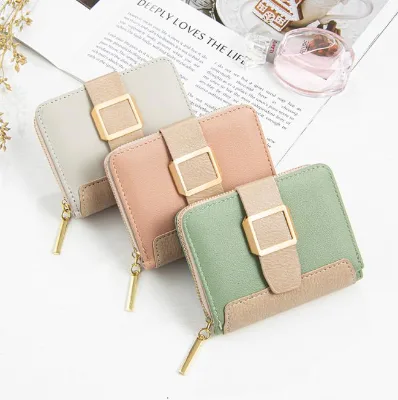
Find and compare 30 Anti-Theft Korean Style Student Wallet options featuring PU materials, zipper closures, and medium capacity. Evaluate specifications like short or long designs, multiple color choices, and wholesale MOQs to select the best fit for your inventory needs.
Key considerations
Products List
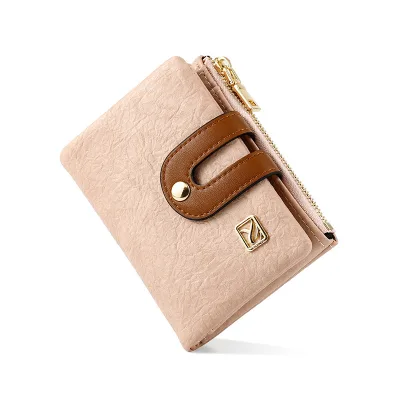
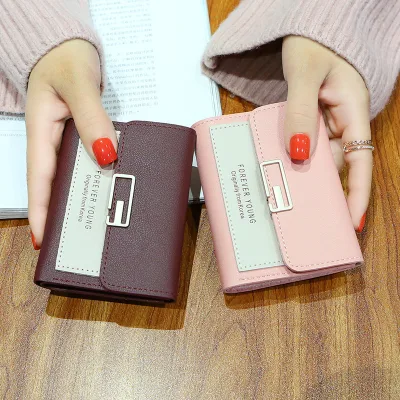
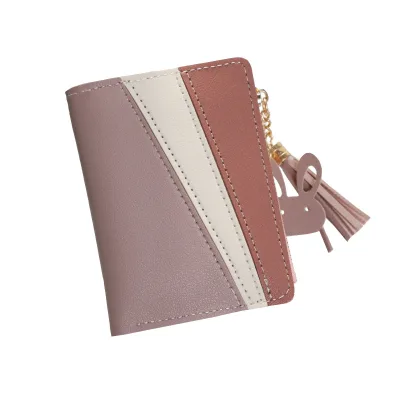
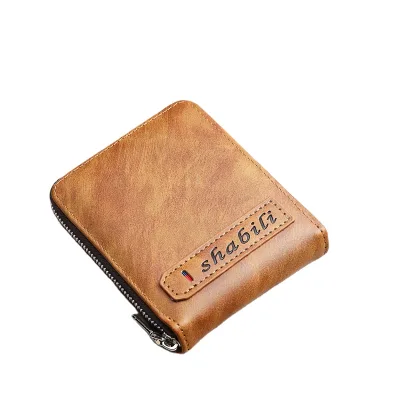
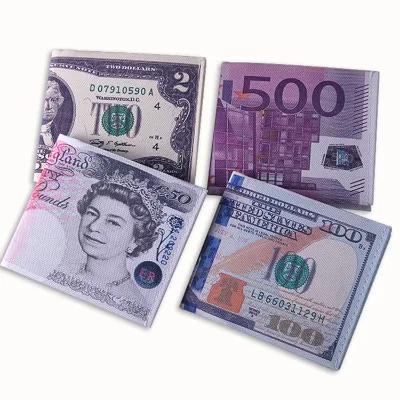
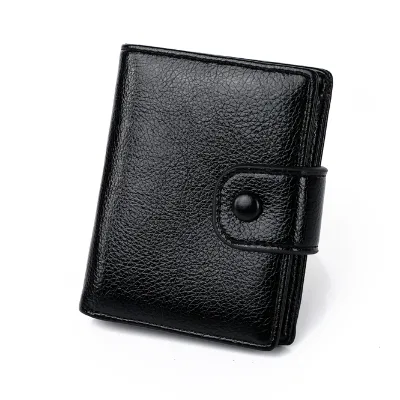
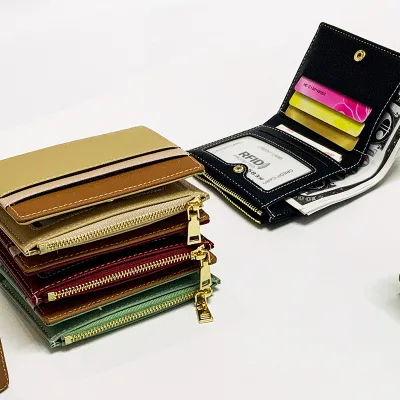
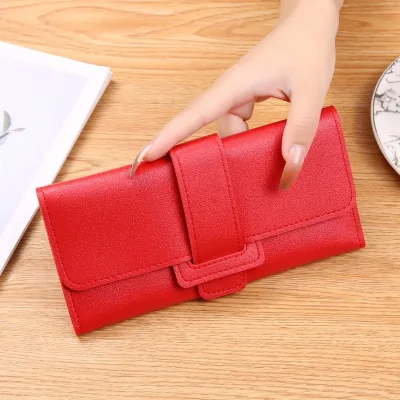


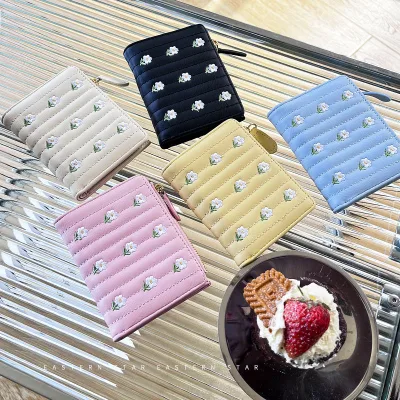
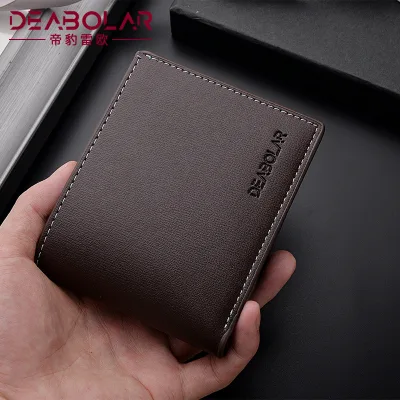
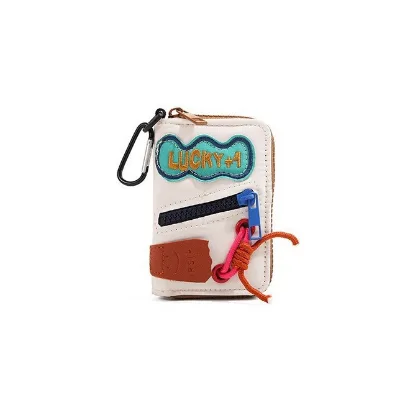
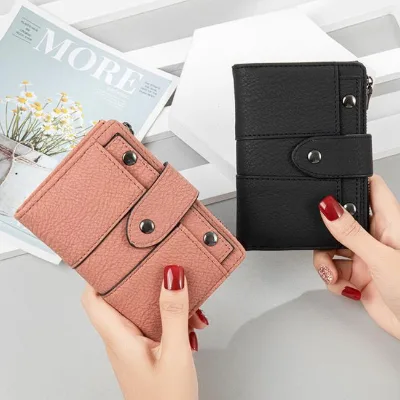
Comprehensive Sourcing Guide
Anti-Theft Korean Style Student Wallet Sourcing Guide
Sourcing anti-theft wallets with a Korean aesthetic requires balancing functional security features with the minimalist, youthful design language popular among students. Buyers must navigate a market where "anti-theft" often implies RFID-blocking materials or secure closure mechanisms, while "Korean style" denotes specific silhouettes, color palettes, and compact forms. This guide outlines the critical verification steps for procurement teams to ensure the final product meets both security expectations and brand identity requirements without compromising on material quality or durability.
The procurement process begins with defining the precise intersection of style and function. Students typically prioritize portability and discreet security, making short or medium-length wallets with composite bag shapes ideal. Buyers should verify that the listed "Korean style" or "England style" attributes align with the actual product dimensions and closure types, such as zippers or hasps, to ensure the wallet fits comfortably in pockets or small bags while maintaining the intended aesthetic appeal for the target demographic.
Product Scope and Observed Listing Signals
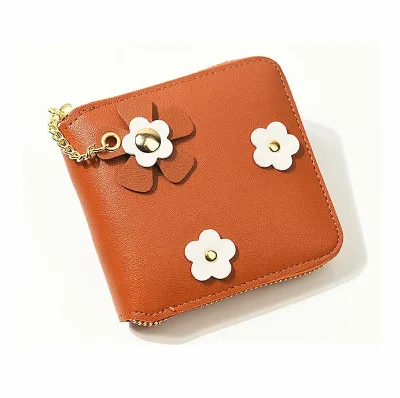
The current market landscape for these wallets reveals a diverse range of materials and configurations, primarily centered around PU leather and synthetic linings. Observed listings indicate a strong preference for pure color patterns, though some variations incorporate floral motifs, reflecting the eclectic nature of student fashion trends. The presence of multiple brand names, including "pei quan" and "gs," suggests a fragmented supplier base where private labeling is common, requiring buyers to carefully audit the actual product samples against the listed brand claims to avoid intellectual property or quality discrepancies.
Price and minimum order quantity (MOQ) signals vary significantly, with observed prices ranging from $0.39 to $11.50 and MOQs from 1 to 1000 pieces. This wide variance indicates that buyers can source either low-volume trial orders or bulk shipments depending on their risk tolerance. However, the low-end price points often correlate with basic PU materials and simpler closures, while higher prices may reflect genuine leather claims or more complex anti-theft features. Procurement teams must correlate these price points with the specified gross weight and package dimensions to assess the true value and material density of the offered units.
Technical Specifications to Verify
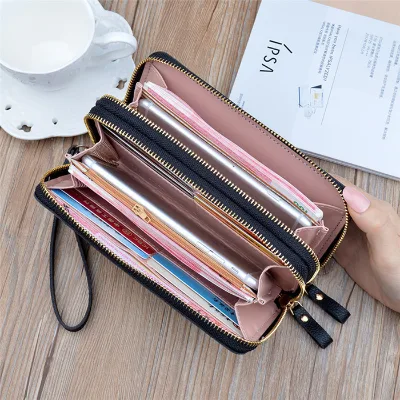
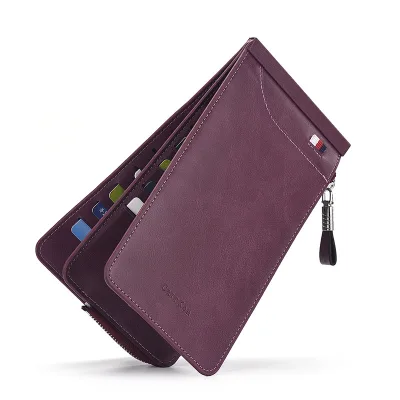
Technical verification must focus on the physical dimensions and closure mechanisms that define the wallet's utility. Buyers should confirm whether the product is a short or long wallet, as this impacts its suitability for different student lifestyles. The observed single package sizes, such as 13x11x4 cm or 20x11x5 cm, provide critical data for logistics planning and inventory storage. Additionally, the closure type, whether zipper, hasp, or open, directly influences the "anti-theft" claim, with zippers and hasps generally offering superior security compared to open designs for daily use in crowded environments.
Material composition and lining quality are equally critical for long-term durability and user comfort. The supplied facts highlight PU as a primary material, with linings made from polyester or synthetic leather. Buyers must verify the thickness and finish of the PU to ensure it resists peeling and cracking, which are common failure points in budget-friendly wallets. Furthermore, the weight specifications, ranging from 0.1 kg to 160g per unit, should be cross-referenced with the material claims to ensure consistency, as heavier units may indicate denser, more durable materials, while lighter ones might suggest thinner, less robust construction.
Compliance and Safety Documentation
While specific certification standards are not explicitly detailed in the provided product facts, buyers must proactively request documentation regarding material safety and chemical compliance. Wallets intended for student use should comply with relevant regional regulations for consumer goods, particularly concerning the presence of harmful substances like lead, phthalates, or azo dyes in the PU leather and synthetic linings. Procurement teams should verify that the supplier can provide test reports from accredited laboratories, ensuring that the materials used in production meet international safety standards for direct skin contact.
Data privacy and security claims also require careful scrutiny, especially for wallets marketed with "anti-theft" features. If the product claims RFID-blocking capabilities, buyers should request evidence of this functionality, such as test results demonstrating signal attenuation. Without such documentation, the "anti-theft" label may be misleading, relying solely on physical security features like zippers. Buyers must ensure that any security claims are substantiated by verifiable data to maintain brand integrity and avoid potential liability issues related to false advertising or inadequate protection for the end-user.
Cost Drivers and Commercial Terms
Cost structures in this category are heavily influenced by material selection, packaging complexity, and order volume. The observed MOQs, such as 60 pieces for certain models, suggest that suppliers are optimized for small to medium batch production, which can affect per-unit costs. Buyers should analyze the relationship between MOQ and price, noting that higher volumes may yield better unit economics but require greater upfront capital and storage capacity. Additionally, the gross weight per batch, such as 13.000 kg for a batch of 25x30x30 cm packages, impacts shipping costs, making lightweight designs more attractive for international logistics.
Commercial terms must be negotiated with a clear understanding of the selling units and packaging specifications. The fact that some products are sold in multiples of 60 indicates a standardized production run, which can streamline manufacturing but limit flexibility for custom orders. Buyers should clarify whether the listed prices include packaging materials, such as the single package sizes observed, and whether customization options like logo printing or color variations incur additional fees. Transparent communication regarding these terms helps prevent unexpected costs and ensures that the final landed cost aligns with the procurement budget.
Supplier Qualification and Quality Control
Supplier qualification should prioritize manufacturers with a proven track record in producing fashion accessories, particularly those with experience in Korean or English style designs. Buyers must verify the supplier's production capabilities, including their ability to maintain consistent quality across batches, as indicated by the varying gross weights and package sizes observed in the market. Requesting samples from multiple suppliers allows for a direct comparison of material quality, stitching precision, and closure functionality, ensuring that the selected partner can meet the specified technical requirements.
Quality control protocols must be established to monitor production consistency and final product integrity. Buyers should implement incoming quality checks that verify the material composition, dimensions, and closure mechanisms against the approved samples. Additionally, random sampling from production batches can help identify defects such as uneven coloring, loose stitching, or faulty zippers. Establishing a clear defect tolerance level and a process for handling non-conforming goods ensures that the final products delivered to students meet the expected standards of durability and aesthetic appeal.
Long-Term Procurement Checks
Long-term procurement success depends on continuous monitoring of supplier performance and market trends. Buyers should regularly review supplier delivery times, product consistency, and responsiveness to quality issues to ensure a reliable supply chain. As student fashion trends evolve, staying attuned to changes in style preferences, such as shifts from pure colors to floral patterns or updates in closure mechanisms, allows for proactive inventory management and product development. This agility helps maintain relevance in the competitive student wallet market.
Sustainability and ethical sourcing considerations are increasingly important for modern consumers, including students. Buyers should assess whether suppliers adhere to ethical labor practices and environmental standards, such as responsible material sourcing and waste reduction. Incorporating these factors into the procurement strategy not only mitigates reputational risk but also aligns with the values of a socially conscious consumer base. Regular audits and open communication with suppliers regarding these practices ensure that the procurement process remains robust and aligned with broader corporate social responsibility goals.
FAQs
What materials are used for anti theft korean style student wallets?
These wallets typically use PU leather for the exterior and polyester or synthetic leather for the lining. This combination provides a durable, water-resistant surface that is easy to clean. The materials are selected to maintain the structured shape of the bag while offering a soft, premium feel suitable for daily student use and fashion styling.
How does the anti theft feature work in these wallets?
The anti theft feature is achieved through secure closure types like zippers and hasps. These mechanisms prevent unauthorized access to the interior compartments. The design often includes hidden pockets or RFID-blocking layers to protect personal data and valuables, ensuring that students can carry their essentials safely in crowded public spaces or during commutes.
What is the typical MOQ for ordering these wallets?
The minimum order quantity varies by supplier but often starts at 60 pieces for standard models. Some suppliers may offer lower MOQs of just 3 pieces for sample orders or small batches. Buyers should verify the specific MOQ with the manufacturer, as it directly impacts the unit price and shipping logistics for initial procurement orders.
Which colors are available for these Korean style wallets?
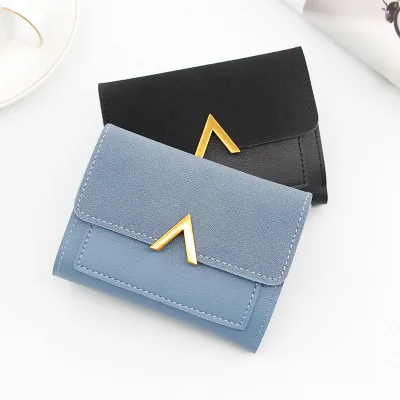
Common color options include black, gray, pink, blue, and khaki. Some listings also offer jujube red or multi-color sets. The pure color or subtle flower patterns allow for versatile styling. Buyers can select from these standard shades to match seasonal trends or specific brand identities without requiring custom dyeing processes.
Can I customize the packaging for bulk orders?
Yes, suppliers often allow customization of packaging dimensions and materials. Standard batch sizes might be packed in boxes measuring 25x30x30 cm. Buyers can request specific inner packaging or branding on the outer cartons. This flexibility helps in optimizing storage space and enhancing the unboxing experience for end consumers in retail environments.
What is the weight and size of a single wallet?
A single wallet typically weighs around 0.1 to 0.18 kg. The package size is usually compact, such as 13x11x4 cm or 20x11x5 cm. This lightweight design ensures easy portability for students. The short or long wallet formats fit comfortably in bags or pockets, providing ample storage without adding significant bulk to daily carry items.