Source SMD3030 LED TV Backlight Strip for Displays
Find 30 SMD3030 LED TV Backlight Strip options with varying chip types, voltages, and certifications. Compare specifications like brightness, lifespan, and customization availability to select the right components for your manufacturing needs; compare the available evidence and request quotations based on your requirements.
Key considerations
Products List


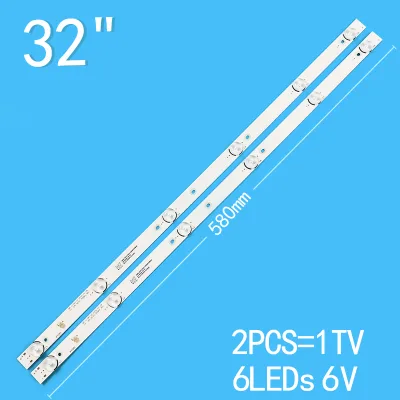
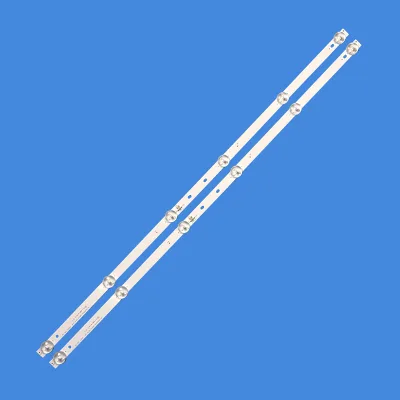
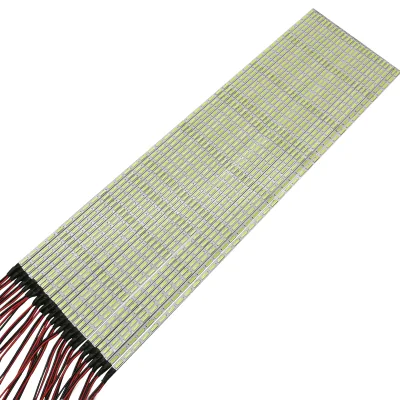
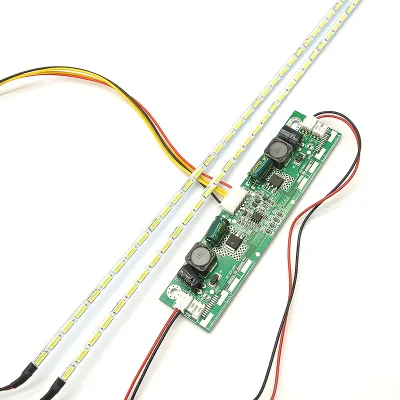
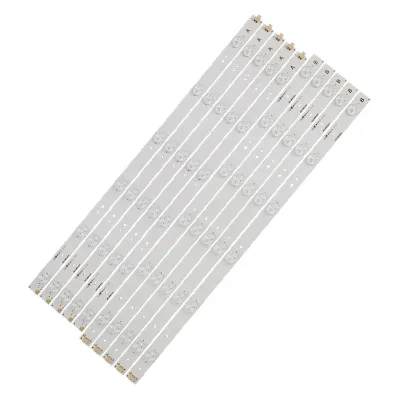
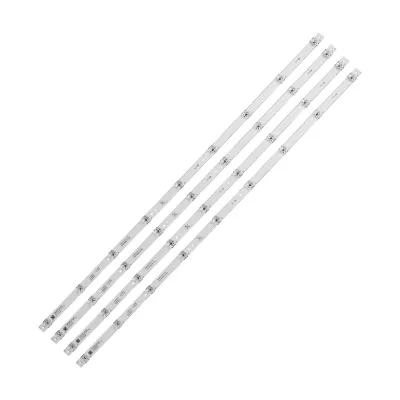
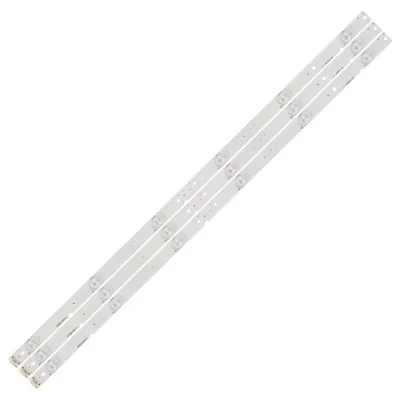
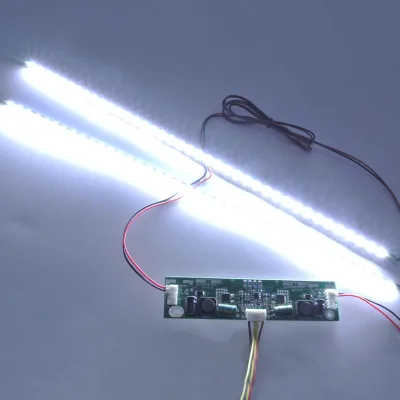
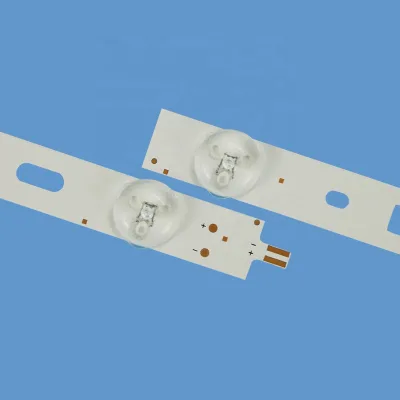
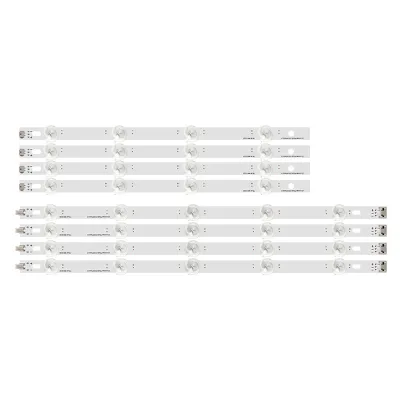
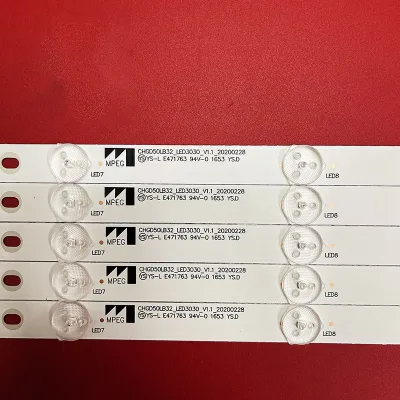
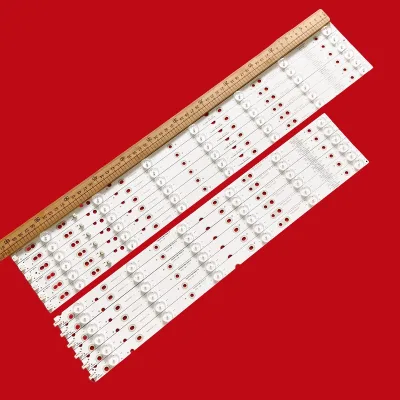
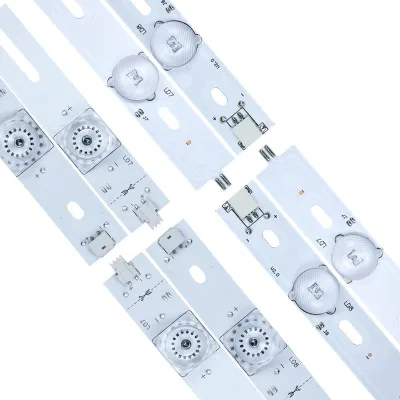
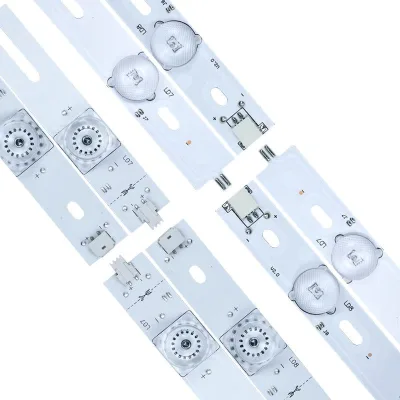


Comprehensive Sourcing Guide
SMD3030 LED TV Backlight Strip Sourcing Guide
Sourcing SMD3030 LED TV backlight strips requires careful attention to the specific physical dimensions and electrical characteristics that define this component class. The observed product data indicates a standard PCB width of 8mm or customizable options, which is critical for fitting into the narrow bezels of modern flat-panel displays. Buyers must verify that the physical footprint matches the original equipment manufacturer (OEM) specifications to ensure a seamless installation without requiring structural modifications to the TV chassis.
The commercial landscape for these components shows a wide range of minimum order quantities, observed from single units up to 1000 pieces, allowing flexibility for both prototyping and mass production. While the observed price range spans from $0.20 to $9.40, this variance often reflects differences in LED chip quality, brightness output, and packaging configurations. Procurement teams should align their order volume with the supplier's capacity to maintain consistent pricing tiers and ensure that the selected batch meets the required luminous efficiency standards for the specific TV model.
Product Scope and Observed Listing Signals
The product scope for SMD3030 backlight strips encompasses various configurations, including different LED chip quantities per meter and customizable lengths such as 3m, 5m, or 10m per piece. Listings frequently highlight the ability to customize the strip length and the number of LEDs, which allows buyers to tailor the light output to the specific dimensions of their display panel. This flexibility is essential for replacing damaged strips in various TV sizes, from compact screens to large-format televisions, ensuring uniform illumination across the entire screen surface.
Observed listing signals also emphasize the availability of different LED chip types, including SMD5050 and SMD3535, alongside the core SMD3030 specification. The data indicates that some products offer changeable emitting colors or full-color capabilities, though standard backlight applications typically require specific white color temperatures ranging from cool to warm. Buyers should scrutinize the product description to confirm whether the strip is designed for pure white backlighting or if it supports RGB color mixing, as this distinction fundamentally alters the component's application and compatibility with existing TV electronics.
Technical Specifications to Verify
Verifying the electrical specifications is paramount, as the observed data lists voltage requirements ranging from 5.6V to 6.6V for specific chips and 12V for other strip configurations. Procurement teams must ensure the driver board in the target TV matches the voltage rating of the replacement strip to prevent immediate failure or long-term instability. Additionally, the luminous efficiency is a key performance metric, with observed values ranging between 155 and 157.5 lumens per watt, which directly impacts the energy consumption and heat generation of the display unit.
The physical and optical characteristics of the LEDs must also be validated against the original design requirements. The observed specifications include a working temperature range of -25°C to 65°C and a lifespan exceeding 30,000 hours, which are critical for maintaining display quality over time. Buyers should confirm the lens angle, typically observed at 120°, and the brightness output per LED, which can vary significantly between red, green, and blue components in full-color variants. Ensuring these parameters align with the TV's optical design prevents issues like uneven brightness or color shifting during operation.
Compliance and Safety Documentation
Compliance documentation is a non-negotiable aspect of sourcing electronic components, with observed certifications including CE, RoHS, FCC, and LVD. These marks indicate that the product meets specific safety and environmental standards required for sale in major markets like the European Union and North America. Buyers must request valid test reports to verify that the supplier's claims regarding electromagnetic compatibility and low voltage directives are current and applicable to the specific batch being purchased.
In addition to general safety certifications, specific regulatory approvals such as CCC, SAA, and GS may be required depending on the destination market. The presence of FDA certification suggests that certain materials used in the lamp body or bracket may meet food-grade or medical-grade safety standards, which can be a differentiator for high-end applications. Procurement teams should ensure that the certification documents provided by the supplier are authentic and cover the exact model number and manufacturing location to avoid customs delays or legal liabilities in the final market.
Cost Drivers and Commercial Terms
The cost of SMD3030 LED strips is driven by several factors, including the type of LED chip used, the complexity of the PCB design, and the volume of the order. The observed price range of $0.20 to $9.40 suggests that premium features like higher brightness, specific color temperatures, or custom packaging can significantly increase the unit cost. Buyers should analyze the total cost of ownership, considering that higher-quality components with longer lifespans may reduce maintenance and replacement costs over the life of the TV.
Commercial terms such as minimum order quantity and lead times are equally critical for supply chain planning. The observed MOQ range of 1 to 1000 units allows for small-batch testing, but larger orders often secure better pricing and priority production slots. Suppliers typically offer customization options for OEM and ODM requirements, which can add value but may also extend lead times. It is essential to negotiate clear terms regarding payment schedules, shipping responsibilities, and penalties for delays to mitigate risks associated with supply chain disruptions.
Supplier Qualification and Quality Control
Supplier qualification involves assessing the manufacturer's ability to maintain consistent quality across large production runs. The observed data indicates that products originate from China, a major hub for LED manufacturing, but buyers must verify the specific factory's quality control processes. Key indicators of a qualified supplier include a robust warranty period, with observed terms ranging from 2 to 3 years, and a demonstrated history of meeting strict industry standards for electronic components.
Quality control checks should focus on the consistency of the LED chip performance and the durability of the materials used. The observed lamp body materials, such as aluminum and PPA brackets, suggest a focus on heat dissipation and structural integrity. Buyers should request sample testing results to verify parameters like luminous flux, color consistency, and thermal resistance before committing to a large order. Establishing a clear quality agreement that defines acceptable defect rates and testing protocols is essential for maintaining product reliability in the field.
Long-Term Procurement Checks
Long-term procurement success depends on establishing a reliable supply chain that can adapt to changing market demands and technological advancements. Buyers should regularly review the supplier's ability to maintain inventory levels and provide consistent lead times, as the observed standard lengths of 3m, 5m, or 10m may need to be adjusted for new TV models. Building a strong relationship with the supplier ensures that any design changes or component updates are communicated promptly, allowing for seamless transitions in production.
Continuous monitoring of product performance and customer feedback is also vital for identifying potential issues before they escalate. The observed lifespan of 3 to 5 years or over 30,000 hours provides a benchmark for expected durability, but real-world conditions may vary. Procurement teams should implement a system for tracking field failures and returning defective units for analysis. This data-driven approach helps in refining specifications for future orders and ensures that the selected components continue to meet the high standards required for modern television displays.
FAQs
What certifications are available for smd3030 led tv backlight strips?
These strips typically carry CE, RoHS, EMC, LVD, CCC, FCC, VDE, SAA, GS, and FDA certifications. Such comprehensive compliance ensures the products meet international safety and environmental standards for global distribution. Buyers can verify specific documentation to confirm regulatory adherence for their target markets before placing bulk orders.
Can I customize the length of smd3030 led tv backlight strips?
Yes, customization is available for standard lengths like 3m, 5m, 10m, 15m, or 20m per piece. OEM and ODM services are acceptable, allowing buyers to request specific dimensions. This flexibility ensures the backlight strips fit various TV panel sizes precisely without requiring additional cutting or modification during assembly.
What is the expected lifespan of smd3030 led tv backlight strips?
The expected lifespan ranges from 30,000 to 50,000 hours depending on the specific model and operating conditions. Some variants offer a warranty of 2 to 3 years. This durability ensures reliable performance for television manufacturers, reducing maintenance costs and supporting long-term product quality for end-users in the consumer electronics sector.
Which LED chip types are used in these backlight strips?
Common LED chip types include SMD5050, SMD3535, and RGB configurations. The strips also utilize 3030 White series chips with specific bracket materials like EMC or PPA. These chip selections provide varied brightness and color options, allowing manufacturers to choose the optimal solution for their specific TV display requirements and performance goals.
What voltage options are available for smd3030 led tv backlight strips?
Standard operating voltages include 12V and a range of 5.6-6.6V for specific models. Some high-power variants operate between 11-15W. These voltage options ensure compatibility with various TV driver circuits. Buyers should select the appropriate voltage based on their existing power supply infrastructure to ensure stable and efficient operation of the backlight system.
How is the brightness defined for smd3030 led tv backlight strips?
Brightness is specified in lumens per watt, often exceeding 90lm/W, with individual LEDs producing 29-31lm. Full-color variants list specific mcd values for red, green, and blue chips. This high luminous efficiency ensures vivid display quality while maintaining energy efficiency, which is critical for modern television manufacturing and meeting energy consumption standards.