Source USB Powered Neon LED Letters for Home, Office, and Events
Compare 30 listings for USB Powered Neon LED Letters suitable for home decor, office branding, and festival displays. Buyers can evaluate customization options, IP ratings, and warranty terms across multiple suppliers in China; compare the available evidence and request quotations based on your requirements.
Key considerations
Products List


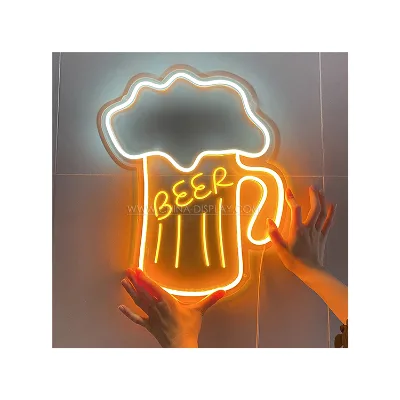
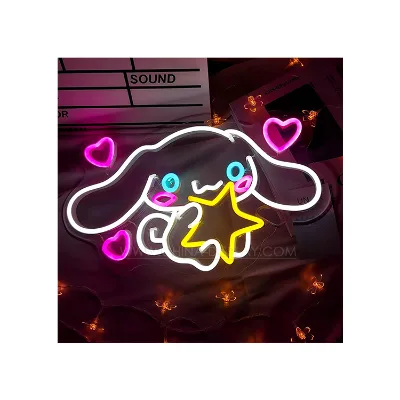
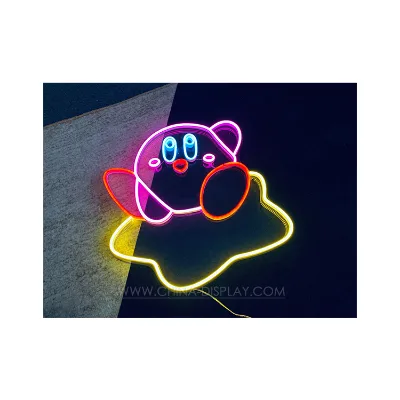
Comprehensive Sourcing Guide
USB Powered Neon LED Letters Sourcing Guide
Procuring USB-powered neon LED letters requires careful attention to power delivery and voltage compatibility, as these units often operate on low-voltage DC systems. The observed product data indicates a prevalence of 12V systems and 3W power consumption profiles, which suggests that buyers must verify if the included USB adapter can reliably sustain the required voltage without overheating. This distinction is critical for ensuring stable illumination in commercial signage or home decor applications where power consistency is paramount.
Buyers should also scrutinize the customization options available, as the market offers significant flexibility in font, color, and shape. The supply chain supports custom fonts and changeable emitting colors, allowing for tailored branding solutions. However, the physical dimensions and packing standards vary significantly between models, ranging from compact 20cm units to larger configurations, necessitating a precise review of the product standard specifications before finalizing an order to ensure the signage fits the intended display area.
Product Scope and Observed Listing Signals
The current market for these illuminated signs encompasses a diverse range of materials, including acrylic, PVC, and silicone, which directly influence the final aesthetic and durability. Listings frequently highlight the use of acrylic boards for backing and LED strips for the light source, creating a modern, high-contrast visual effect. The observed product models, such as GS0401 and m-99, demonstrate that suppliers offer distinct variations in design, with some focusing on luminous letters while others provide full neon logo configurations for commercial or festival use.
Pricing signals in the observed data span a wide range from $0.50 to $599, reflecting the variance in complexity, size, and material quality. Minimum Order Quantities (MOQ) are generally flexible, ranging from single units to fifty pieces, which accommodates both small boutique orders and larger commercial deployments. Buyers must note that while some products come in simple bubble bags, others utilize robust wooden cases or honeycomb packaging, indicating that shipping costs and protection levels are significant variables in the total cost of ownership.
Technical Specifications to Verify
Voltage and power consumption are the primary technical parameters that require immediate verification to ensure compatibility with existing power infrastructure. The data confirms that many units operate at 12V with a 3W power rating, yet some listings mention different power inputs or IP ratings like IP65 and IP44. Buyers must confirm the specific voltage requirements of the USB interface and the maximum load capacity of the power source to prevent flickering or premature failure, especially in environments where power fluctuations are common.
Installation and operational parameters also demand rigorous checking, as the mounting type and working temperature ranges vary by model. Specifications indicate options for wall mounting or hanging, with working temperatures typically cited between 1°C and 35°C. Additionally, the waterproof rating is a critical differentiator; while some units are rated IP65 for outdoor durability, others may only be suitable for indoor use. Verifying the specific IP rating and mounting method against the intended application environment is essential to avoid installation failures.
Compliance and Safety Documentation
Safety certifications are a non-negotiable aspect of sourcing electrical signage, and the observed data highlights the presence of CE and RoHS compliance across multiple product listings. These certifications indicate that the products meet specific European safety and environmental standards regarding hazardous substances and electrical safety. Buyers should request valid test reports to confirm that the specific batch of neon letters adheres to these standards, as the presence of a certification mark on a listing does not guarantee that every unit in a shipment has been independently tested.
Electromagnetic compatibility (EMC) is another critical compliance area, particularly for products intended for commercial or office environments where electronic interference can be an issue. Some product entries explicitly list EMC alongside CE and RoHS, suggesting a higher level of electrical safety assurance. Procurement teams must ensure that the supplier provides documentation proving EMC compliance, as this protects the buyer from potential regulatory penalties and ensures the signage does not disrupt other sensitive electronic equipment in the facility.
Cost Drivers and Commercial Terms
The total cost of ownership is heavily influenced by the customization level and the complexity of the packaging required for safe transit. Custom fonts, specific colors, and unique shapes often incur higher unit costs compared to standard inventory items. Furthermore, the packaging method, ranging from simple vacuum bubble wraps to heavy-duty wooden cases, adds a variable cost that must be factored into the budget. Buyers should clarify whether the quoted price includes the cost of specialized packaging designed to protect fragile acrylic and LED components during international shipping.
Warranty terms and lead times are also significant commercial factors that vary by supplier and product model. While some listings offer a three-year warranty, others provide only one year, reflecting differences in component quality and manufacturer confidence. The observed lead times and production capabilities, such as the ability to produce over 40 different designs, suggest that complex custom orders may require longer production windows. Buyers must negotiate clear delivery schedules and warranty conditions to mitigate the risk of delays and ensure long-term support for the signage investment.
Supplier Qualification and Quality Control
Supplier qualification should focus on verifying the origin and manufacturing capabilities, as the data points to production centers in Chengdu and other regions in China. Buyers must confirm that the supplier has a proven track record in producing LED signage with the specific materials and finishes required. The presence of multiple product models and customization options suggests a mature supply chain, but it is essential to audit the factory's quality control processes to ensure consistency in LED strip quality and acrylic board clarity across different batches.
Quality control protocols must also address the durability of the waterproofing and the stability of the light output over time. The observed working time of over 5000 hours is a key performance indicator that buyers should request verified test data for. Additionally, the control mechanisms, whether manual or remote, must be tested for reliability. Buyers should insist on pre-shipment inspections that specifically check the IP rating integrity and the functionality of the control systems to ensure the product performs as advertised in real-world conditions.
Long-Term Procurement Checks
Sustaining a successful procurement relationship requires ongoing monitoring of product performance and warranty fulfillment over the lifecycle of the signage. Buyers should establish a protocol for tracking the operational hours and any potential failures, particularly regarding the LED strips and power adapters. The warranty period, whether one or three years, dictates the timeframe for which the supplier is responsible for replacements, making it crucial to maintain clear records of purchase dates and serial numbers for future claims.
Finally, buyers must plan for the scalability of their orders as their branding or decor needs evolve. The ability of the supplier to handle repeat orders with consistent quality and customization options is vital for maintaining brand consistency. Regular communication with the supplier regarding updates in technology, such as new LED efficiency standards or improved waterproofing materials, will ensure that future procurement decisions remain aligned with the latest industry advancements and performance expectations.
FAQs
Can USB Powered Neon LED Letters be customized for specific branding needs?
Yes, customization is available for these signs. Buyers can select customized fonts and colors to match their brand identity. The products support changeable emitting colors and are made from materials like acrylic or silicone. This flexibility allows for unique designs suitable for commercial, outdoor, or home applications while maintaining the core functionality of the illuminated sign.
What certifications do these led neon signs typically hold?
These signs typically hold CE and RoHS certifications. Some models also include EMC certification. These standards ensure the products meet safety and environmental requirements for electronic goods. Buyers should verify specific certification documents for each model, such as GS0401 or m-99, to confirm compliance with regional regulations before placing bulk orders for international shipping.
How long is the warranty period for these illuminated signs?
The warranty period varies by product model. Some items offer a three-year warranty, while others provide one year of coverage. This duration applies to the LED components and structural integrity. Buyers should check the specific warranty terms listed for each model, such as GM*3 or NLLL168, to understand the support scope and duration for their specific purchase.
What is the IP rating for outdoor use of these signs?
The IP rating depends on the specific model selected. Some versions are rated IP65, offering robust protection against dust and water jets, making them suitable for outdoor installation. Other models may have an IP44 rating, which provides protection against splashing water. Buyers must verify the IP rating for their chosen model to ensure it meets the environmental demands of the installation site.
What materials are used to construct these neon led letters?
These signs are constructed from various materials including acrylic, PVC, silicone, and stainless steel. The backing often uses a transparent acrylic board, while the light source is an LED strip. The choice of material affects durability and aesthetic appeal. Buyers can select from options like GS0201 or B-3358 based on their preferred material properties and design requirements.
How are these products packaged for safe shipping?
Packaging methods vary by model to ensure safe transit. Options include bubble bags with foam and plywood cases, vacuum bubble packaging in paper or wooden cartons, honeycomb box packaging, and color boxes with cartons. The packaging is designed to protect the acrylic or silicone components from damage during logistics. Buyers should confirm the specific packing standard for their ordered quantity and destination.