Source Laser Cut Butterfly Lamp for Home, Hotel, and Office
Find 30 Laser Cut Butterfly Lamp options from verified suppliers. Compare features like glass and resin materials, LED light sources, and European or modern styles to select the right fixture for your project; compare the available evidence and request quotations based on your requirements.
Key considerations
Products List


Elegant European Stained Glass Butterfly Desk Lamp for Home Decor
$190.55 - $211.71
MOQ: 50 Square Meters

12 Inch Butterfly Love Flower Pony Lamp Handmade Bedroom Bedside Table Lamp
$99.99 - $199.00
MOQ: 2 Square Meters


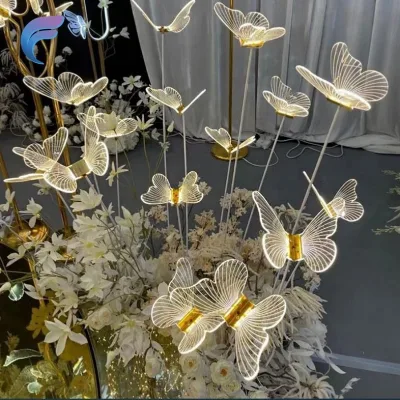
Wedding Decoration Moving Butterfly Lights Led Butterfly Lamp for Party Decoration
$18.00 - $22.00
MOQ: 10 sets

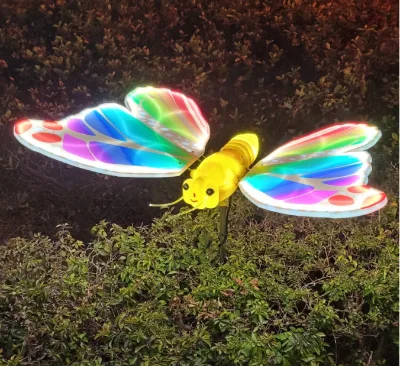


Rusty Laser Cut Custom Pattern Metal Steel Decoration Garden Light Lampshade
$45.80 - $52.80
MOQ: 30 Pieces
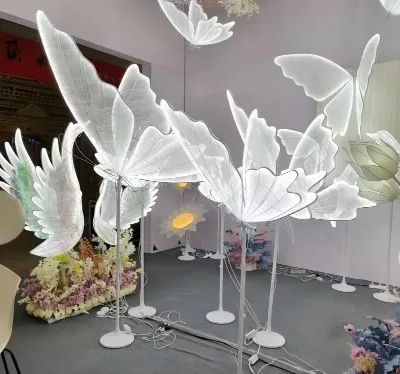


Wedding Decorations Butterflies Lights with Butterfly Wings Open and Close
$21.50 - $23.50
MOQ: 1 Pieces

Comprehensive Sourcing Guide
Laser Cut Butterfly Lamp Sourcing Guide
Sourcing laser cut butterfly lamps requires a nuanced understanding of both the decorative aesthetic and the functional lighting requirements inherent to this niche product category. Buyers must distinguish between purely decorative fixtures and those designed for ambient illumination, as the manufacturing tolerances and material choices vary significantly based on the intended use case. The intricate nature of laser-cut metal or acrylic components demands precise quality control to ensure that delicate patterns remain intact during shipping and installation. This guide provides a structured approach to evaluating suppliers, verifying technical specifications, and ensuring compliance with international safety standards for these specialized lighting fixtures.
Procurement teams should prioritize suppliers who demonstrate expertise in both metal fabrication and electrical assembly, as these lamps often combine structural metalwork with complex wiring harnesses. The visual appeal of the butterfly motif relies heavily on the precision of the cut edges and the consistency of the finish, whether it be powder-coated, gold-plated, or matte black. Buyers must assess the supplier’s ability to maintain pattern symmetry across multiple units, as minor deviations can be highly visible in residential or hospitality settings. Establishing clear visual benchmarks and sample approval processes early in the sourcing journey is critical to avoiding costly rejections upon bulk delivery.
Product Scope and Observed Listing Signals
The current market landscape for laser cut butterfly lamps reveals a diverse range of styles, from modern minimalist interpretations to classical European designs that emphasize ornate detailing. Observed listings indicate a strong preference for materials such as stained glass, copper, and resin, which are often combined with metal frames to create layered visual effects. Suppliers frequently offer customization options for size, color, and finish, allowing buyers to tailor the fixtures to specific interior design themes. The presence of both pendant and wall-mounted configurations suggests that versatility is a key selling point, with many manufacturers offering modular designs that can be adapted for various installation scenarios.
Price points and minimum order quantities (MOQs) vary widely, reflecting the complexity of the manufacturing process and the quality of materials used. Some listings show entry-level options with basic finishes and standard sizes, while others command higher prices for hand-assembled pieces with premium materials like genuine copper or intricate LED integration. Buyers should note that many suppliers offer export-grade packaging, including wooden crates and bubble bags, to protect the delicate laser-cut elements during transit. Understanding these market signals helps in setting realistic budget expectations and identifying suppliers who align with specific volume and quality requirements.
Technical Specifications to Verify
When evaluating technical specifications, buyers must confirm the input voltage compatibility, as laser cut butterfly lamps are often sourced from regions with different electrical standards. Common input voltages range from AC 100-240V, ensuring global usability, but it is essential to verify that the internal drivers or transformers are appropriately rated for the destination market. The light source type, whether LED, incandescent, or other technologies, should be clearly defined, along with the color temperature andCRI values if applicable. For fixtures without integrated light sources, buyers need to specify the bulb type and wattage limits to ensure safe and efficient operation.
Structural integrity is another critical technical aspect, particularly for larger or heavier butterfly designs. Buyers should request detailed dimensions and weight specifications to assess the load-bearing capacity of mounting hardware and ceiling fixtures. The finish quality, such as gold plating thickness or powder-coat durability, should be verified through material safety data sheets or supplier certifications. Additionally, the type of switch control, whether pull-chain, remote, or smart-home compatible, must be confirmed to ensure it meets the functional requirements of the installation environment.
Compliance and Safety Documentation
Compliance with international safety standards is non-negotiable for laser cut butterfly lamps, especially those involving electrical components. Buyers must ensure that suppliers provide valid certifications such as CE, RoHS, and VDE, which attest to the product’s adherence to European and global safety regulations. These certifications should cover both the electrical safety of the lighting components and the material safety of the metal and decorative elements. It is crucial to verify that the certification documents are current and issued by recognized testing laboratories to avoid potential customs delays or legal liabilities.
Beyond electrical safety, buyers should also consider the environmental impact of the materials used in the lamp’s construction. RoHS compliance ensures that hazardous substances like lead and mercury are minimized, which is particularly important for fixtures used in residential or hospitality settings. Suppliers should be able to provide material composition reports for metals, coatings, and any integrated plastic or resin components. Verifying these documentation requirements early in the sourcing process helps mitigate risks associated with non-compliant products and ensures a smoother importation process.
Cost Drivers and Commercial Terms
The cost of laser cut butterfly lamps is influenced by several key factors, including the complexity of the laser-cut pattern, the type of materials used, and the level of customization required. Intricate designs with fine details often require more time and precision, leading to higher production costs. Similarly, premium materials like copper or specialized finishes can significantly increase the unit price. Buyers should request detailed cost breakdowns to understand how these variables impact the final price and to identify opportunities for cost optimization without compromising quality.
Commercial terms, including payment methods, lead times, and shipping arrangements, also play a significant role in the overall procurement cost. Many suppliers offer flexible payment terms, such as a deposit followed by balance upon completion, but buyers should negotiate for favorable conditions based on order volume. Lead times can vary from 10 to 20 days, depending on the complexity of the order and the supplier’s production capacity. Clear communication regarding shipping responsibilities, such as FOB or CIF terms, is essential to avoid unexpected logistics costs and ensure timely delivery to the destination.
Supplier Qualification and Quality Control
Supplier qualification is a critical step in ensuring the reliability and consistency of Laser Cut Butterfly Lamp orders. Buyers should conduct thorough due diligence, including verifying the supplier’s business license, production capabilities, and past performance records. Requesting references from previous clients and visiting the factory, if possible, can provide valuable insights into the supplier’s operational efficiency and quality management systems. Suppliers with established quality control processes, such as ISO 9001 certification, are more likely to deliver consistent product quality and meet delivery deadlines.
Quality control measures should be implemented at various stages of production, from raw material inspection to final packaging. Buyers should define clear acceptance criteria for visual defects, structural integrity, and electrical functionality, and communicate these standards to the supplier. Pre-shipment inspections are highly recommended to identify any issues before the goods leave the factory, allowing for timely corrections. Establishing a robust quality control framework helps minimize the risk of receiving defective products and ensures that the final shipment meets the buyer’s expectations.
Long-Term Procurement Checks
Long-term procurement success with laser cut butterfly lamps depends on continuous monitoring of supplier performance and market trends. Buyers should regularly review key performance indicators, such as on-time delivery rates, defect rates, and responsiveness to issues, to assess the supplier’s reliability. Building a strong relationship with the supplier can lead to better pricing, priority production, and access to new designs. Regular communication and feedback loops help maintain alignment on quality standards and ensure that any changes in design or material are properly managed.
Staying informed about emerging trends in lighting design and technology is also essential for maintaining a competitive edge. Buyers should explore opportunities for innovation, such as integrating smart lighting features or using sustainable materials, to differentiate their offerings. Additionally, monitoring regulatory changes and certification requirements in target markets helps ensure ongoing compliance. By proactively managing these long-term factors, buyers can build a resilient supply chain that supports sustained growth and customer satisfaction in the decorative lighting sector.
FAQs
Can I customize the size of the Laser Cut Butterfly Lamp?
Yes, customization is available for the product size. The standard size range spans from 8 inches to 22 inches, allowing buyers to select dimensions that fit specific interior design needs while maintaining the classic European style.
What materials are used for the lamp shade and body?
The lamp shade is crafted from glass, specifically stained glass, while the body material is copper. These durable materials ensure structural integrity and provide the distinctive aesthetic associated with Tiffany style lighting fixtures.
Does the product come with a light source included?
Some models are sold without a light source, while others include LED light sources. Buyers should verify the specific model details to determine if the unit requires separate bulb installation or comes pre-equipped with lighting.
What certifications do the manufacturers hold for these lamps?
Manufacturers provide products with CE, VDE, and RoHS certifications. These standards ensure the electrical safety and environmental compliance of the lamps, making them suitable for international markets and various commercial applications.
How long is the delivery time for orders?
The typical delivery time ranges from 10 to 20 days depending on the specific order requirements. Standard shipments take about 10 to 15 days, while customized orders may require up to 20 days for production and packing.
What is the minimum order quantity for purchasing these lamps?
The minimum order quantity varies between 1 and 500 units based on the supplier and product configuration. Buyers can often start with a single unit for testing or place larger orders for bulk distribution needs.
Where are these lamps manufactured and shipped from?
The products originate from China, specifically from the Guangdong region. They are packed in export wooden crates or standard cartons with bubble bags to ensure safe transit to international destinations.