Source Ride On Laser Screed for Concrete Floors, Roads, and Airports
Compare 30 Ride On Laser Screed units from verified Chinese manufacturers. Buyers can evaluate specifications like engine power, paving thickness, and laser systems to find the right equipment for large-scale concrete projects.
Key considerations
Products List

Ride on Hydraulic Laser Screed Machine
$27783.00 - $32300.00
MOQ: 1 Pieces
Shandong Roadway Construction Machinery Manufacturing Co., Ltd.

Ride on Concrete Laser Screed, Concrete Floor Laser Screed Machine
$27783.00 - $32300.00
MOQ: 1 Pieces
Shandong Roadway Construction Machinery Manufacturing Co., Ltd.

Ride on Concrete Laser Screed Paver
$27783.00 - $32300.00
MOQ: 1 Pieces
Shandong Roadway Construction Machinery Manufacturing Co., Ltd.

Easy to Operate Ride-on Type Concrete Laser Screed
$27783.00 - $32300.00
MOQ: 1 pcs
Shandong Roadway Construction Machinery Manufacturing Co., Ltd.

Durable in Use Ride on Flooring Concrete Leveling Laser Screed
$27783.00 - $32300.00
MOQ: 1 Pieces
Shandong Roadway Construction Machinery Manufacturing Co., Ltd.

Premium Hydraulic Control Ride-on Concrete Laser Screed Machine
$27783.00 - $32300.00
MOQ: 1 Pieces
Shandong Roadway Construction Machinery Manufacturing Co., Ltd.


Dynamic Ride on High Efficiency Gasoline Concrete (LS-600) Laser Screed
$93499.99 - $109999.99
MOQ: 1 Pieces

Concrete Flooring Power Screed Gasoline Ride on Laser Screed (LS-500)
$69699.99 - $81999.99
MOQ: 1 Pieces

Dynamic Ride on High Quality Gasoline Concrete (LS-600) Laser Screed
$93499.99 - $109999.99
MOQ: 1 Pieces

Concrete Flooring Power Screed Gasoline Ride on (LS-600) Laser Screed
$93499.99 - $109999.99
MOQ: 1 Pieces


Ride on Hydraulic Concrete Laser Screed Machine with Laster Screed Fjzp-200
$45000.00 - $50000.00
MOQ: 1 Pieces


Ride on Laser Screed Machine Concrete Paving Machine Cement Floor Laser Screeds
$85799.00 - $102899.00
MOQ: 1 Pieces


Ride-on Laser Screed for Concrete Floor Leveling and High-Precision Smoothing
$4899.00 - $7199.00
MOQ: 1 Pieces


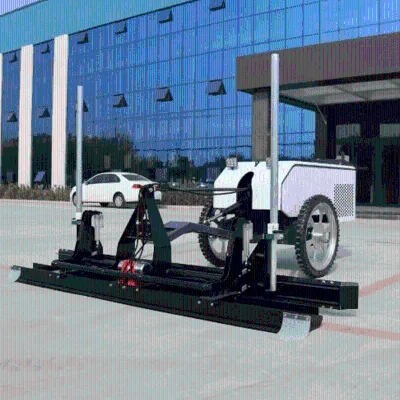
Ride - on Laser Screed with 22KW Power, an Efficient Construction Tool
$7602.80 - $8142.22
MOQ: 1 pieces
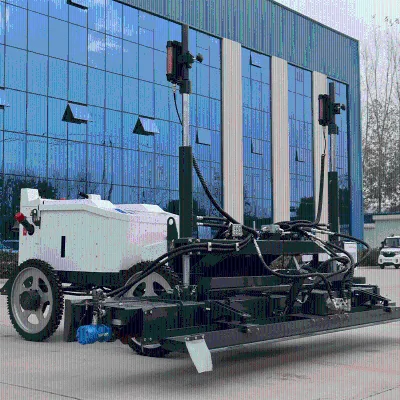


Ride on Laser Screed for Large Warehouse and Factory Floor Construction
$11800.00 - $23500.00
MOQ: 1 Sets


Comprehensive Sourcing Guide
Ride On Laser Screed Sourcing Guide
Procuring a ride-on laser screed requires a disciplined approach to aligning machine capabilities with specific paving project demands. These self-propelled machines are designed to level and finish concrete surfaces with high precision, utilizing laser scanning technology to maintain a consistent grade across large areas. Buyers must evaluate the interplay between the screed width, engine power, and leveling speed to ensure the selected unit matches the volume and complexity of the intended construction work. The decision process involves balancing initial capital expenditure against long-term operational efficiency and maintenance requirements.
The market for these machines is characterized by a wide range of specifications, from compact models suitable for smaller commercial slabs to heavy-duty units designed for industrial flooring and large-scale infrastructure projects. Sourcing guides must emphasize the importance of verifying core components, such as the engine and vibration systems, as these directly impact durability and performance. Buyers should focus on understanding the operational parameters, including fuel consumption, walking speed, and maximum rotation angles, to determine if a specific model fits their logistical and site constraints.
Product Scope and Observed Listing Signals
The observed market data indicates a significant variation in pricing, ranging from approximately $250 to nearly $110,000 USD, which reflects the diversity in machine size, power, and technological sophistication. This broad spectrum suggests that buyers will encounter everything from basic manual or semi-automatic units to fully automated, high-capacity laser screeds. The minimum order quantity (MOQ) is consistently observed at one unit, indicating that these machines are typically sold as individual capital assets rather than bulk commodities, allowing for flexible procurement strategies tailored to specific project needs.
Listing signals reveal that manufacturers offer extensive customization options, allowing buyers to tailor machines to specific site conditions or operational preferences. Common attributes observed include standard seaworthy packing and plywood box packaging, which are critical for protecting the equipment during international shipping. The presence of certifications such as CE and ISO9001, along with color variations like orange and yellow, suggests that suppliers cater to different regional regulatory requirements and brand identity preferences. Buyers should interpret these signals as indicators of a mature supply chain capable of supporting global distribution and compliance.
Technical Specifications to Verify
When evaluating technical specifications, the screed head width is a primary determinant of productivity, with observed widths including 2500mm and options for 2500/3000mm configurations. The paving thickness capability, ranging from 30mm to 200mm, defines the machine's versatility in handling different slab depths. Buyers must verify the engine power, which varies significantly across models, with observed outputs including 20 Kw and 44.1 Kw, to ensure sufficient torque and hydraulic pressure for the intended concrete mix and screed width. Higher power engines generally support larger screed widths and faster leveling speeds.
The control system is another critical area for verification, with advanced models utilizing laser scanning combined with high-precision servo actuators for grade control. Some listings specify the use of Swiss Leica laser receiving systems or Dutch brand laser emission systems, which are known for their accuracy and reliability in field conditions. Buyers should also examine the vibration system, noting the excitation force (e.g., 1000n or 2000n) and frequency (e.g., 60 Hz), as these factors influence the density and finish quality of the concrete. Additionally, the walking speed, observed at 10 Km/H, and auger speed, noted at 200 Rpm, are key performance indicators that affect the overall workflow efficiency.
Compliance and Safety Documentation
Compliance with international safety and quality standards is essential for the operation of ride-on laser screeds, particularly in regulated markets. The presence of CE certification indicates that the machine meets European health, safety, and environmental protection standards, which is often a prerequisite for importation into many regions. ISO9001 certification further suggests that the manufacturer adheres to a quality management system, providing buyers with confidence in the consistency of production processes. Buyers should request valid certificates and verify their authenticity with the issuing bodies to ensure ongoing compliance.
Safety documentation should also include detailed operational manuals, maintenance schedules, and warning labels in the appropriate languages for the end-user. Given the heavy nature of these machines, with weights observed up to 7980 Kg, proper guarding and emergency stop mechanisms are critical. Buyers must ensure that the supplier provides comprehensive documentation on load limits, stability parameters, and safe operating procedures. The provision of video outgoing inspections is a valuable service that allows buyers to visually verify the machine's condition and functionality before shipment, reducing the risk of receiving defective or non-compliant equipment.
Cost Drivers and Commercial Terms
The cost of a ride-on laser screed is driven by several key factors, including the engine brand and power output, the sophistication of the laser control system, and the overall build quality of the chassis and screed components. Models with higher engine power, such as those exceeding 40 Kw, and advanced laser systems from reputable brands like Leica, command higher prices due to their enhanced performance and durability. The weight of the machine, which can range from 4700 Kg to 7980 Kg, also impacts shipping costs and requires appropriate logistics planning, influencing the total landed cost.
Commercial terms should be carefully negotiated to include clear definitions of delivery responsibilities, warranty coverage, and after-sales support. The observed fuel tank capacities, ranging from 17L to 70L, and fuel consumption rates, such as 0.8-1.2 liters per hour, are important for calculating operational expenses over the machine's lifecycle. Buyers should also consider the cost of spare parts and the availability of technical support in their region. Transparent pricing that breaks down the cost of the machine, packaging, and shipping helps in making informed budgetary decisions and avoiding hidden fees.
Supplier Qualification and Quality Control
Supplier qualification involves assessing the manufacturer's production capabilities, quality control processes, and track record in the industry. Buyers should verify the origin of the machines, with observed origins including Jining, Shandong, and Shanghai in China, to understand the regional manufacturing strengths and logistics advantages. The availability of customization services indicates a flexible manufacturing process, but buyers must ensure that customizations do not compromise the machine's structural integrity or performance standards. Requesting references from previous clients and reviewing case studies can provide insights into the supplier's reliability and customer satisfaction levels.
Quality control measures should be explicitly defined in the purchase agreement, including pre-shipment inspections and testing protocols. The observation of video outgoing inspections suggests that some suppliers are adopting digital tools to enhance transparency and trust. Buyers should also inquire about the core components used, such as the engine, and verify their origins and warranties. Ensuring that the supplier has a robust quality management system in place, as indicated by ISO9001 certification, helps mitigate the risk of defects and ensures that the machine meets the specified technical requirements.
Long-Term Procurement Checks
Long-term procurement success depends on establishing a strong relationship with the supplier for ongoing support, spare parts availability, and potential upgrades. Buyers should verify the supplier's commitment to after-sales service, including the availability of technical training and maintenance guidelines. The unique selling points of the machine, such as high load moment capabilities, should be evaluated in the context of long-term durability and resistance to wear and tear under heavy usage conditions. Regular maintenance checks and adherence to the manufacturer's recommended service intervals are crucial for extending the machine's lifespan and maintaining optimal performance.
As technology evolves, buyers should remain open to upgrading their equipment with newer laser systems or more efficient engines to stay competitive. The observed variety in models, such as the RWJP14, LS-500, and LS-600, indicates that suppliers offer a range of options to meet different market demands. Buyers should periodically review their operational needs and compare them with the latest available technologies to ensure they are utilizing the most efficient and effective equipment. Building a long-term partnership with a reliable supplier can facilitate smoother transitions to new models and provide access to the latest industry innovations.
FAQs
What customization options are available for ride on laser screeds?
Customization is available for these machines to meet specific project needs. Buyers can request tailored configurations while ensuring the product remains new and meets standard seaworthy packing requirements for safe transport.
Which certifications do these ride on laser screeds hold?
The products hold CE and ISO9001 certifications to ensure quality and safety compliance. Some units also feature specific color options like orange or yellow while maintaining these essential international standards for industrial machinery.
How wide is the screed head on the standard model?
The screed head width is 2500mm for the standard configuration. This dimension allows for efficient paving thickness ranging from 30 to 200 mm, ensuring consistent surface leveling across various construction applications.
What is the maximum rotation angle for the machine?
The maximum rotation angle is 360 degrees, providing full operational flexibility. This feature enables the machine to maneuver effectively in tight spaces while maintaining stability during the paving process.
Can the laser system be controlled with high precision?
Yes, the control mode uses laser scanning combined with a high-precision servo actuator. This setup ensures accurate leveling and smooth operation, supported by advanced components like the Swiss Leica laser receiving system.
What is the engine power of the LS-600 model?
The LS-600 model features an engine power of 44.1 Kw for robust performance. This power output supports the machine's weight of 7980 Kg and ensures efficient operation during heavy-duty paving tasks.