Source Handmade Adjustable Glass Bead Anklet for Gifts
Explore 30 options for the Handmade Adjustable Glass Bead Anklet, featuring simple styles and alloy or stainless steel variants. Compare customization, packaging, and origin details to find suitable pieces for informal occasions and health-focused decoration; compare the available evidence and request quotations based on your requirements.
Key considerations
Products List


Double Layer Butterfly Anklet Ladies Vintage Handmade Beach Chain Leg Anklet
$1.05 - $1.25
MOQ: 12 Pieces

Bohemian Style Woven Rope Anklet Adjustable Color Women's Anklet Fashion Jewelry
$0.75 - $0.89
MOQ: 12 Pieces
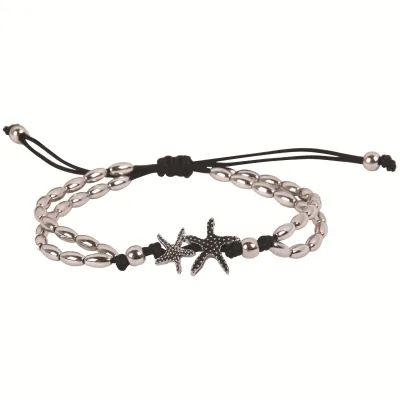


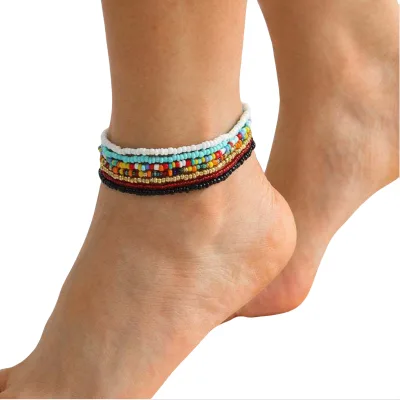

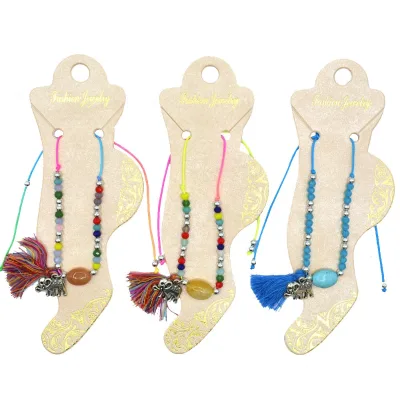
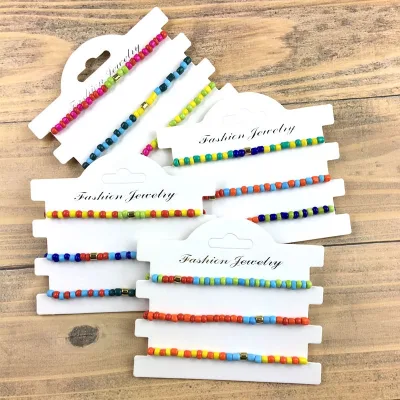
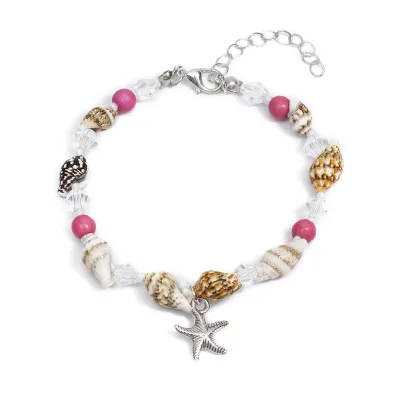
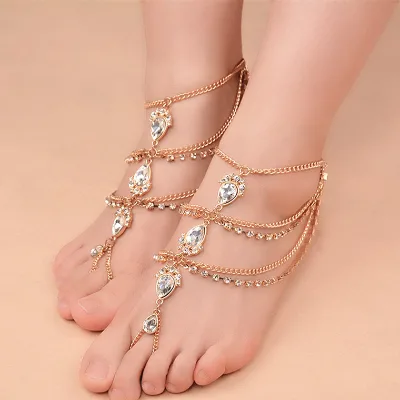
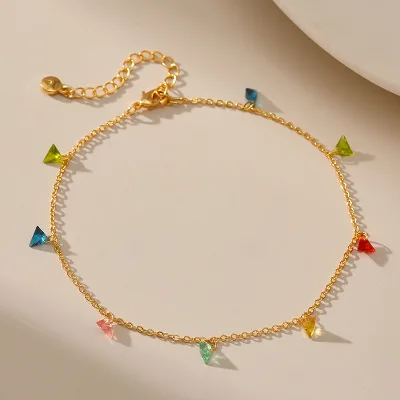

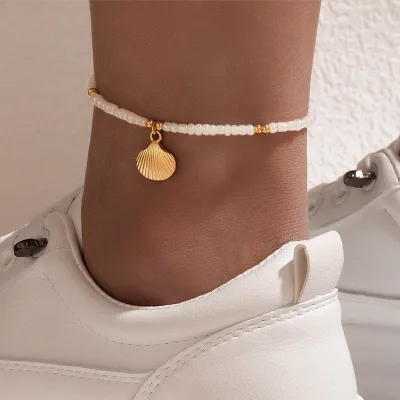

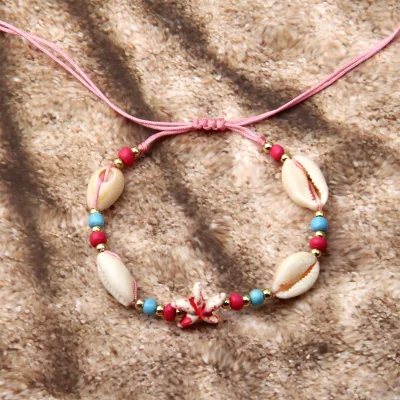
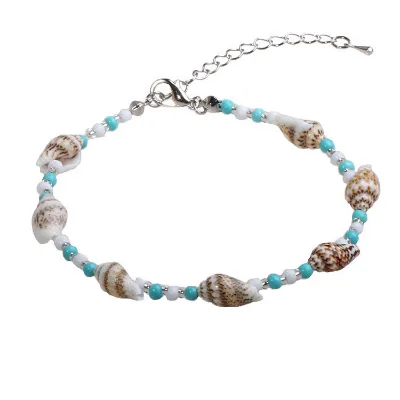
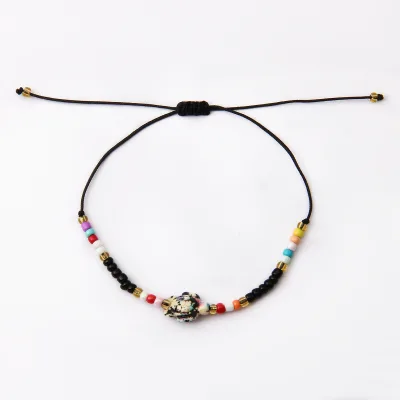
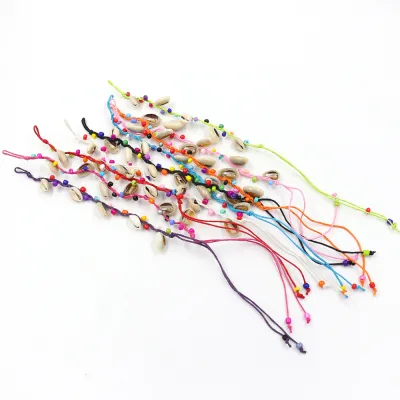
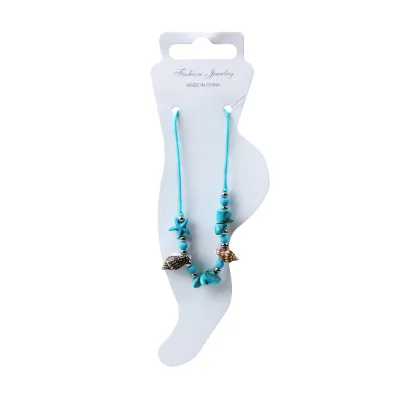
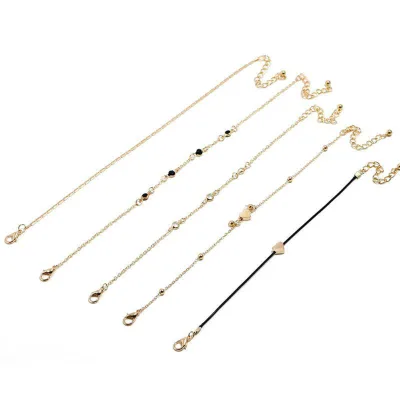
Comprehensive Sourcing Guide
Handmade Adjustable Glass Bead Anklet Sourcing Guide
Sourcing handmade adjustable glass bead anklets requires distinguishing between genuine artisanal pieces and mass-produced alternatives that merely mimic the aesthetic. While the core keyword emphasizes glass materials, the observed market data reveals a diverse inventory where glass coexists with alloy and stainless steel options. Buyers must carefully verify the material composition of each listing, as the term "handmade" often applies to the assembly process rather than the raw material itself. This distinction is critical for ensuring the product meets specific durability and aesthetic expectations for the target demographic.
Procurement teams should prioritize suppliers who explicitly list glass as the primary material when that is the specific requirement. The observed product range includes items with simple styles and star fashion elements, suitable for informal occasions and female consumers. However, the presence of customization options and OEM/ODM services suggests that many suppliers offer flexible production lines. Buyers need to confirm whether the "handmade" aspect refers to the bead stringing or the overall design customization to align with their brand positioning and quality standards.
Product Scope and Observed Listing Signals
The current market landscape for anklets displays a wide variance in material composition, ranging from glass and alloy to stainless steel, which complicates the search for pure glass products. Listings indicate that while some items are explicitly described as glass bead anklets, others utilize alloy or stainless steel with electroplating to achieve a similar visual appeal. This diversity means that a search for "glass bead" anklets may inadvertently surface metal-based alternatives unless the buyer strictly filters for material specifications. Understanding this scope is essential to avoid receiving products that do not match the intended design brief.
Observed listing signals also highlight significant variations in style and customization capabilities, with options ranging from simple designs to star fashion trends. The data shows that customization is widely available, and suppliers often welcome OEM and ODM requests, allowing for tailored designs in terms of color, such as multicolour or specific gold tones. Additionally, the packaging varies from simple OPP bags to more robust carton boxes, indicating different levels of product protection and presentation. Buyers must evaluate these signals to ensure the final product aligns with their specific branding and logistical requirements.
Technical Specifications to Verify
When evaluating technical specifications, the primary focus must be on the material composition and the specific processing technologies employed in the manufacturing process. The observed data includes products with electroplating, high polishing, and 18K vacuum plating, which are distinct from the raw glass material often desired for this category. Buyers should verify whether the glass beads are treated with any surface coatings or if they are used in their natural state, as this affects both the tactile feel and the long-term durability of the anklet. Confirming the exact processing method is vital for maintaining the integrity of the handmade aesthetic.
Dimensional standards and model numbers also require rigorous verification to ensure consistency across production batches. The market data lists various model identifiers and standard dimensions, such as 8*10cm or 6mm widths, which may apply to different product lines. Since the "handmade" nature implies potential slight variations, buyers should establish acceptable tolerance ranges for these dimensions. Furthermore, the suitability for specific demographics, such as female or male consumers, should be confirmed against the product design, as some listings specify gender suitability while others remain neutral.
Compliance and Safety Documentation
Compliance and safety documentation are paramount when sourcing jewelry that comes into direct contact with the skin, particularly for products marketed as health or gift items. The observed data includes references to SGS and Reach reports, which serve as critical indicators of material safety and regulatory adherence. Buyers must request these specific certificates to verify that the materials, including any metal components or plating, meet international safety standards for nickel content and chemical composition. Without these documents, there is a risk of non-compliance with import regulations in key markets.
In addition to material safety, the functional claims made by suppliers regarding the product's performance must be substantiated with evidence. Some listings mention attributes like waterproof, no fade, and anti-allergy qualities, which are significant selling points for anklets intended for daily wear. However, these claims should not be accepted at face value; instead, buyers should demand test results or third-party verification that supports these functional assertions. Ensuring that the product can withstand exposure to water and sweat without degrading is essential for maintaining customer satisfaction and reducing return rates.
Cost Drivers and Commercial Terms
Cost drivers in the handmade anklet market are heavily influenced by the complexity of the design, the quality of the raw materials, and the level of customization required. The observed price range of 0.13 to 4.6 USD suggests a wide spectrum of value, where lower prices may correlate with simpler designs or less durable materials like basic alloy, while higher prices likely reflect premium glass beads or intricate electroplating processes. Buyers must analyze the cost structure to understand what specific features justify the price point, ensuring that the final product offers the desired balance of aesthetics and durability.
Commercial terms, including Minimum Order Quantities (MOQ) and lead times, vary significantly across suppliers and must be negotiated based on the specific order volume. The observed MOQ range spans from 2 to 1000 units, offering flexibility for small businesses while potentially limiting options for large-scale procurement. Buyers should clarify the lead times associated with customized orders, as the handmade nature of the product may extend production schedules compared to standard inventory items. Understanding these terms is crucial for effective inventory planning and cash flow management.
Supplier Qualification and Quality Control
Supplier qualification involves assessing the manufacturer's capability to deliver consistent quality while adhering to the "handmade" promise. The presence of OEM/ODM services and sourcing agent capabilities indicates that many suppliers are equipped to handle custom orders, but buyers must verify their production capacity and quality control protocols. It is essential to confirm that the supplier has a robust system for inspecting each piece, especially given the manual nature of the assembly process which can introduce variability. A supplier with a proven track record in handling delicate materials like glass is preferable to one focused solely on mass-produced metal items.
Quality control measures should extend beyond the final product to include the packaging and shipping processes to prevent damage during transit. The observed packaging options, ranging from OPP bags to carton boxes, highlight the importance of selecting a supplier who uses appropriate protective materials. Buyers should request samples to evaluate the packaging integrity and ensure that the anklets arrive in pristine condition. Additionally, verifying the supplier's origin, such as Dongguan, China, can provide insights into their logistical capabilities and familiarity with international shipping standards.
Long-Term Procurement Checks
Long-term procurement checks require establishing a framework for continuous monitoring of supplier performance and product consistency. Buyers should implement regular audits or sample testing to ensure that the quality of the glass beads and the craftsmanship remain stable over time. Given the potential for material variations in handmade items, maintaining a consistent standard is critical for brand reputation. Regular communication with the supplier regarding any changes in materials or processes will help mitigate risks associated with supply chain disruptions or quality degradation.
Sustainability and ethical sourcing practices should also be integrated into the long-term strategy, even if not explicitly detailed in the initial product listings. Buyers should inquire about the environmental impact of the materials used and the labor conditions in the manufacturing facilities. As the market evolves, suppliers who can demonstrate a commitment to ethical practices and sustainable production methods will likely become more competitive. Building a relationship based on transparency and shared values will foster a more resilient supply chain capable of adapting to future market demands.
FAQs
Can I customize the packaging for glass bead anklets?
Yes, customization is available for packaging. The standard packing uses an OPP bag, bubble bag, and carton. You can request customized packaging solutions to meet your specific branding or logistical needs. This service is warmly welcomed for OEM and ODM orders, allowing you to tailor the presentation of your handmade adjustable glass bead anklets effectively.
What materials are used for these anklets?
The anklets are crafted from glass and alloy materials. Some variants also utilize stainless steel with electroplating processes. These materials ensure durability and aesthetic appeal. The combination of glass beads and metal components creates a stylish accessory suitable for informal occasions. The materials are selected to provide a comfortable fit while maintaining a fashionable appearance for female wearers.
What is the minimum order quantity for these items?
The minimum order quantity ranges from 2 to 1000 units depending on the specific model. This flexible MOQ allows buyers to test the market or place larger bulk orders. The exact MOQ may vary based on the customization level and product specifications. Buyers should confirm the specific requirements for their chosen model to ensure smooth production and delivery scheduling.
Are these anklets suitable for sensitive skin?
Yes, certain stainless steel variants are designed to be anti-allergy and waterproof. They undergo high polishing and electroplating processes to enhance durability. Some products carry SGS and Reach reports, indicating compliance with safety standards. These features make them suitable for individuals with sensitive skin, ensuring comfort and reducing the risk of irritation during regular wear.
Where are these anklets manufactured?
These anklets are manufactured in China, with specific origins noted in Dongguan. The production facilities are equipped to handle OEM and ODM requests. The location supports efficient sourcing and logistics for international buyers. The manufacturing process includes detailed steps like electroplating and polishing to ensure high-quality finishes for each Handmade Adjustable Glass Bead Anklet.
What styles are available for these anklets?
Available styles include simple designs and star fashion trends. The anklets feature chain elements and multicolour options. Some models are designed as small gold bead anklets with a trendy aesthetic. The variety allows buyers to choose styles that match current fashion trends. Each style is crafted to appeal to female customers seeking decorative and fashionable accessories for informal occasions.