Source Ride-On Inflatable Llama Pool Float for Pools, Lakes, and Commercial Events
Find and compare 30 ride-on inflatable llama pool float options from Guangdong suppliers. Evaluate specifications like 0.3mm PVC material, EN71 certification, and customizable logos for pool, lake, or commercial entertainment use.
Key considerations
Products List
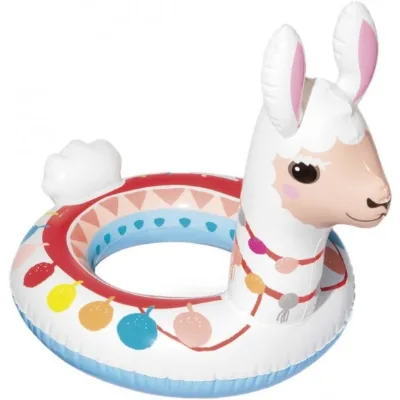
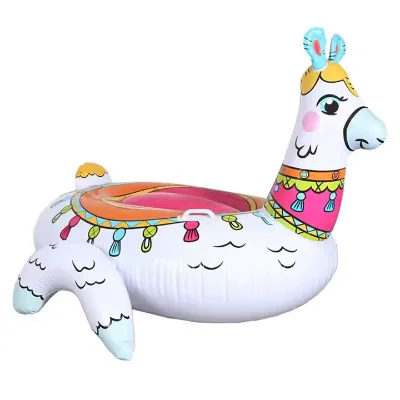
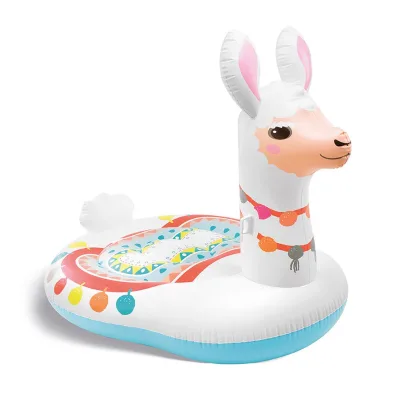
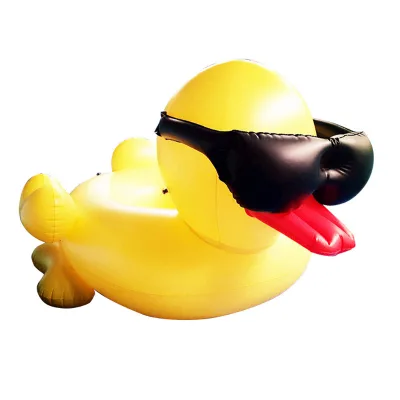
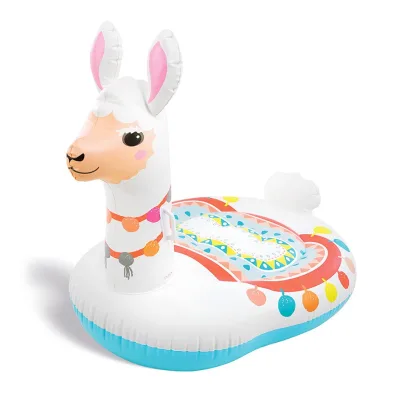

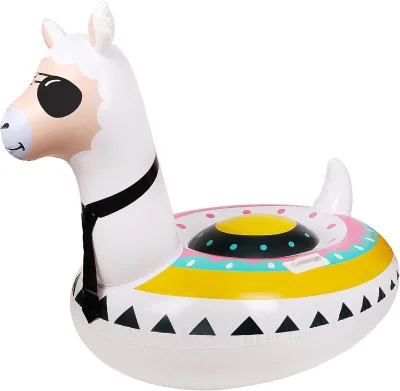
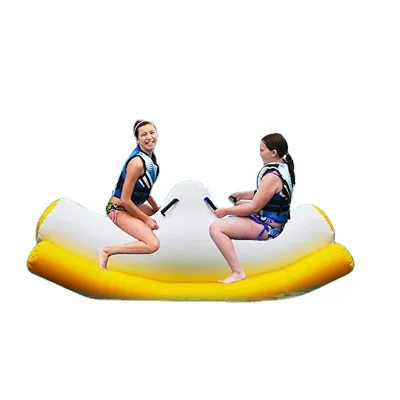
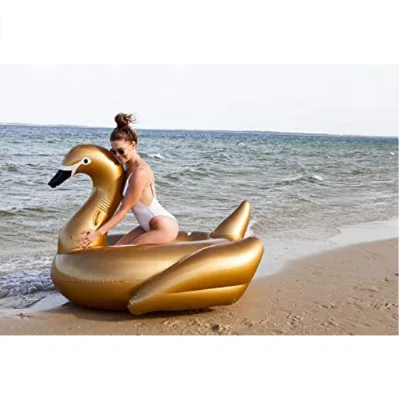


Ins Flamingo Swim Pool Toys Adults Inflatable Floaties Inflatable Swimming Pool Float
$13.40 - $14.44
MOQ: 500 Pieces

Inflatable Product Inflatable Pool Float for Swimming Pool Inflatable Large Toys Float
$22.20 - $24.59
MOQ: 1000 Pieces

Custom Adult Pool Floats for Water Play Inflatable Ride on Pool Accessories
$15.01 - $16.62
MOQ: 500 Pieces

Hot Selling Flamingo Pool Floats for Adults Inflatable Animal Swimming Pool Toys
$13.40 - $14.44
MOQ: 500 Pieces

White Swan Pool Floats Large Inflatable Ride on Adults Best Inflatable Float
$15.60 - $17.27
MOQ: 500 Pieces

Factory Custom Play Toy Pool Float Adult Swimming Seat Inflatable Pool Float
$14.52 - $16.07
MOQ: 1000 Pieces


Comprehensive Sourcing Guide
Ride-On Inflatable Llama Pool Float Sourcing Guide
Sourcing ride-on inflatable llama pool floats requires a disciplined approach to balancing aesthetic appeal with structural integrity, as these novelty items serve as both recreational equipment and visual marketing assets. Buyers must navigate a market where product attributes vary significantly between suppliers, ranging from standard oval shapes to highly customized novelty forms. The core challenge lies in verifying that the visual design matches the functional capacity, ensuring that the float can safely support the intended weight without compromising the material’s durability. This guide provides a structured framework for evaluating listings, verifying technical specifications, and managing commercial risks associated with importing these specialized water toys.
The procurement process begins with a clear understanding of the product’s intended use case, which typically includes commercial venues such as shopping malls, hotel pools, and private residential settings. These floats are designed for unisex and child use, often featuring multi-color or customizable branding options to align with specific marketing campaigns or interior design themes. Buyers should recognize that while the visual appeal is a primary driver for purchase, the underlying engineering—specifically the PVC thickness and seam construction—determines the product’s lifespan and safety profile. A thorough evaluation of these factors is essential before committing to large-scale orders.
Product Scope and Observed Listing Signals
When analyzing supplier listings, buyers will encounter a wide range of product names and model numbers, such as "Inflatable Mega Llama pool float," "Custom inflable alpaca riding float," or generic terms like "Llama float." These variations often indicate different manufacturing batches or custom design capabilities rather than distinct product categories. It is crucial to look beyond the marketing title and focus on the specific model numbers provided, such as FAJ545Y562 or FEW511U, which serve as unique identifiers for quality control and reordering. The observed listings suggest that suppliers may offer both standardized models and fully customized designs, allowing buyers to choose between cost-effective off-the-shelf options and branded, unique assets.
The physical dimensions and packaging details are critical signals for logistics planning and storage efficiency. Listings indicate sizes ranging from 120cm to larger configurations like 150130104CM, with single package sizes varying from 25X20X20 cm to bulk carton dimensions of 135cmX94cmX112cm. These discrepancies highlight the importance of verifying the exact packed dimensions for each order, as they directly impact shipping costs and warehouse space requirements. Additionally, the gross weight per unit, observed between 1.900 kg and 3.500 kg, provides a baseline for calculating freight charges and handling requirements, ensuring that the procurement budget accounts for all logistical variables.
Technical Specifications to Verify
Material composition is the most critical technical factor in determining the durability and safety of an inflatable llama float. The supplied facts indicate the use of Non-Phthalate PVC, with specific thicknesses ranging from 0.3mm to 0.33mm. Buyers must verify that the material is explicitly labeled as non-phthalate to ensure compliance with health and safety standards, particularly for products intended for child use. The thickness of the PVC directly correlates with the float’s resistance to punctures and abrasion, so buyers should request material samples or detailed technical sheets to confirm that the specified thickness is consistent across the entire product, including high-stress areas like the seat and handle regions.
Structural integrity and capacity limits are equally important technical considerations. Listings specify a maximum capacity of less than 100kg and an allowable passenger count of 1-2 people, which defines the safe operational envelope for the product. Buyers should verify the shape options, which include round, oval, and customized novelty forms, to ensure the design supports the intended user weight distribution. Furthermore, the usage environment, whether for pool, lake, or sea water, should be confirmed with the supplier, as saltwater environments may require additional material treatments or care instructions to prevent degradation. Understanding these technical boundaries helps prevent misuse and potential liability issues.
Compliance and Safety Documentation
Safety certification is a non-negotiable requirement for importing inflatable pool toys, particularly those marketed for child use. The EN-71 certification is explicitly mentioned in the supplied facts, indicating that the product meets specific European safety standards for toy safety. Buyers must request valid, up-to-date certification documents from the supplier to verify that the specific model and batch being ordered are covered under the certificate. It is important to note that certification status can vary between suppliers and even between different product lines from the same manufacturer, so relying on general claims without documented proof is a significant procurement risk.
Beyond formal certifications, quality control processes provide insight into the manufacturer’s commitment to safety and consistency. The observed listings mention a "24 Hour Inflated Air Testing" protocol, which is a critical step in identifying leaks or weak seams before the product is packaged. Buyers should inquire about the specifics of this testing process, including the pressure levels used and the criteria for passing or failing a unit. Additionally, the availability of OEM/ODM services suggests that custom branding and design changes are possible, but buyers must ensure that any modifications do not compromise the certified safety standards of the base product.
Cost Drivers and Commercial Terms
Pricing for ride-on inflatable llama floats varies significantly based on material thickness, customization level, and order volume. The observed price range of 0.99-400 USD reflects this variability, with lower prices likely corresponding to smaller, simpler models or bulk orders, while higher prices may reflect larger, more complex designs or smaller MOQs. Buyers should analyze the cost per unit in the context of the material specifications and packaging details to determine the true value proposition. It is essential to clarify whether the quoted price includes packaging materials, such as PE bags and cartons, as these can add to the overall cost if not included.
Minimum Order Quantities (MOQ) and payment terms are key commercial factors that influence procurement strategy. The observed MOQ range spans from 1 piece to 3000 pieces, with specific listings indicating MOQs of 500 pcs or 1 pc, depending on the supplier and product type. Buyers should align their order volume with their sales forecast and storage capacity, considering that higher MOQs may offer better unit prices but increase inventory risk. Payment terms such as T/T, L/C, and PayPal are commonly offered, providing flexibility for different transaction sizes. Buyers should negotiate terms that protect their interests, such as partial payments upon order confirmation and the remainder upon shipment or inspection.
Supplier Qualification and Quality Control
Supplier qualification begins with verifying the place of origin and manufacturing capabilities. The supplied facts indicate that products originate from Guangdong, China, a region known for its robust manufacturing infrastructure for plastic and inflatable goods. Buyers should assess the supplier’s production capacity and lead times, which are observed to be 25-30 days, to ensure they can meet project deadlines. It is also important to verify the supplier’s ability to handle custom orders, as indicated by the "Wellcome" OEM/ODM status and customizable logo options. A supplier’s responsiveness to customization requests can be a strong indicator of their overall operational flexibility and customer service quality.
Quality control extends beyond the initial production phase to include pre-shipment inspections and packaging verification. Buyers should establish clear acceptance criteria for defects, such as visible seams, color inconsistencies, or inflation failures. The packaging details, including the use of PE bags and cartons, should be verified to ensure they provide adequate protection during transit. Additionally, buyers should consider implementing third-party inspection services for large orders to independently verify product quality and compliance with specifications. This proactive approach helps mitigate the risk of receiving substandard goods and ensures that the final product meets the expected standards.
Long-Term Procurement Checks
Sustainable procurement practices require ongoing monitoring of supplier performance and product quality. Buyers should track key performance indicators such as on-time delivery rates, defect rates, and responsiveness to issues. Regular communication with the supplier regarding any changes in material sourcing or manufacturing processes is essential to maintain consistency. Additionally, buyers should stay informed about evolving safety standards and regulations in their target markets, ensuring that the products remain compliant over time. This continuous engagement helps build a reliable supply chain and reduces the risk of disruptions or compliance violations.
Finally, buyers should consider the end-of-life and maintenance aspects of the inflatable llama floats. Providing clear care instructions to end-users can extend the product’s lifespan and reduce warranty claims. Buyers should also evaluate the supplier’s willingness to support after-sales service, including repair guidelines or replacement parts. By focusing on long-term relationships and comprehensive product support, buyers can enhance customer satisfaction and brand reputation. This holistic approach to procurement ensures that the investment in ride-on inflatable llama floats delivers lasting value and minimizes operational risks.
FAQs
What certifications does the inflatable llama pool float have?
The product holds EN-71 certification for safety compliance. This ensures the Non Phthalate PVC material meets European safety standards for toys and recreational items used in pools and commercial settings.
How much is the minimum order quantity for this float?
The minimum order quantity is 500 pieces for standard orders. However, some listings indicate an MOQ of 1 piece is available for specific custom configurations or trial orders depending on the supplier.
Can I customize the logo and shape of the float?
Yes, the logo is fully customizable and the shape can be tailored to your needs. The product supports OEM and ODM services, allowing buyers to request specific designs like round, oval, or novelty shapes.
What is the delivery time for these inflatable floats?
The standard delivery time ranges from 25 to 30 days after order confirmation. This lead time applies to production and packaging, which includes quality control checks like 24-hour inflated air testing.
What is the maximum weight capacity for the ride-on float?
The maximum capacity is less than 100kg for safe usage. This limit ensures stability for one to two passengers in pool, lake, or sea water environments while using the specified 0.3mm PVC material.
Where are these inflatable floats manufactured?
These products originate from Guangdong, China. The manufacturing location supports the production of various sizes, including 120cm and 150cm models, with packaging details like PE bags and cartons.