Source Road Marking Paint for Highways, Airports, and Parking Lots
Find 30 Road Marking Paint options with varying specifications including thermoplastic and acrylic materials. Buyers can compare attributes like shelf life, application temperature, and reflective properties to select suitable products for different marking projects.
Key considerations
Products List


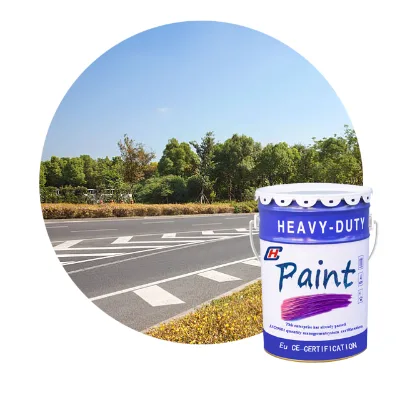


Comprehensive Sourcing Guide
Strategic Sourcing Guide for Road Marking Paint and Application Systems
Understanding Product Categories and Technical Profiles
When sourcing Road Marking Paint, buyers must first distinguish between the consumable material and the application machinery, as the supply chain often bundles these or offers them as distinct SKUs. The core material, thermoplastic paint, is characterized by a specific powder appearance and a white base color, though customization options exist for various colors. The physical properties of this material are critical for performance; the density typically ranges from 1.8 to 2.1 g/cm³, and the softening point is adjustable between 90°C and 125°C. These thermal properties dictate the heating requirements during application. The material is designed to be applied using a road marking machine, where it is heated to an application temperature between 180°C and 210°C. Once applied, the paint must achieve a dry time of within 10 minutes to minimize traffic disruption.
The application system itself involves specialized machinery, such as marking vehicles or semi-automatic machines. These units often feature a glass bead bin with a capacity of 10kg and a paint capacity ranging from 80 to 100 liters. The machinery is engineered to produce line thicknesses between 1.5mm and 3mm, or alternatively, a marking thickness of 0.2mm to 0.6mm depending on the specific model and desired finish. The marking width is highly variable, with specifications available for widths ranging from 50mm up to 450mm, including specific increments like 80, 100, 120, 150, 180, 200, 230, and 250mm. The machinery operates using liquefied petroleum gas as a heating method and is often powered by engines such as a 5.5HP gasoline unit. Hydraulic systems, including plunger variable pumps and mechanically controlled automatic reversing devices, ensure precise control over the flow, with a maximum flow rate of 8 liters per minute and working pressures around 15 MPa, reaching a maximum pressure of 25 MPa.
Compliance, Certification, and Standard Verification
Verifying compliance is a non-negotiable step in the procurement of road marking materials. Buyers should prioritize suppliers who can provide documentation for ISO9001:2008 certification, which indicates a standardized quality management system. While general background knowledge may reference standards like EN 1871, ISO 9001, or ISO 14001, the specific evidence available points to ISO9001:2008 as a confirmed attribute for the product line. It is essential to verify that the product meets the American Standard, which is explicitly listed as a compliance benchmark for these items.
When evaluating the paint material, buyers must confirm the composition. The material is often described as acrylic or single-component, which influences its durability and application method. The product is noted for being wash-resistant and producing a smooth paint film, which are critical for longevity and visibility. The glass beads used in conjunction with the paint must meet a roundness requirement of at least 80% to ensure optimal reflectivity. Buyers should request test reports that validate these specific attributes rather than relying on general marketing claims. The standard packaging for the material is a 25kg strong plastic bag, but OEM branding is available, which requires clear communication regarding labeling and compliance with local import regulations.
Cost Drivers and Pricing Dynamics
The pricing structure for Road Marking Paint and associated machinery is influenced by several variables, including the scale of the order, the specific model of the application equipment, and the customization level required. The observed price range in the market is vast, spanning from $0.20 to $122,600 USD. This disparity reflects the difference between raw material costs for small batches of paint and the capital expenditure required for full-scale marking vehicles or automated systems.
The minimum order quantity (MOQ) is another significant cost driver. The observed MOQ range extends from 1 unit to 5,000 units. For the paint material, a common MOQ is 25kg, which aligns with the standard 25kg bag packaging. However, for larger industrial projects, buyers may negotiate container loads, with options such as 27 tons per container available for bulk shipments. The packaging method, whether wood box packaging for machinery or standard plastic bags for paint, also impacts logistics costs. Buyers should calculate the total cost of ownership, including shipping, which varies based on the origin location, typically identified as Linyi City in Shandong Province, China, or other domestic origins. Understanding the relationship between the observed price range and the specific product configuration is vital for budgeting.
Typical Applications and Operational Requirements
The primary application for this product is thermoplastic road line striping, suitable for marking highways, city streets, and parking lots. The machinery is designed for cold spray line applications as well as thermoplastic applications, offering versatility for different road surface conditions. The operational temperature requirements are strict; construction must take place when the ambient temperature is above 5°C to ensure proper curing and adhesion. The machinery is capable of producing line types that are highly reflective and anti-wear, which are essential for maintaining visibility in low-light conditions and withstanding heavy traffic.
The operational efficiency of the equipment is a key consideration. The machines are described as having high efficiency and simple operation, allowing for smooth walking and maneuverability. The spray gun configuration can vary, with options for two fixed spray guns or one adjustable spray gun, allowing operators to adapt to different line widths and patterns. The hydraulic cylinder system ensures an automatic reversing device, which is crucial for maintaining consistent line quality during complex maneuvers. The paint film produced is smooth, and the material is wash-resistant, making it suitable for areas prone to heavy rain or frequent washing. The versatility of the marking width, from 8cm to 45cm, allows for the application of various road markings, including lane dividers, stop lines, and pedestrian crossings.
Supplier Evaluation and Quality Control Protocols
Evaluating a supplier requires a rigorous assessment of their production capabilities and quality control measures. Buyers should verify the supplier's origin, with Linyi City, Shandong Province, being a noted production hub. The supplier's capacity should be assessed against the required volume, with some units capable of handling container loads of 27 tons. The condition of the product is typically listed as new, but buyers must ensure that the machinery and materials are not refurbished or used stock unless explicitly stated.
Quality control should focus on the specific attributes of the product. For the paint, verify the shelf life, which is listed as 24 months, ensuring that the material remains viable for the project timeline. For the machinery, check the working pressure and maximum pressure ratings to ensure they meet the safety and performance standards of the intended application. The roundness of the glass beads and the density of the paint are critical quality metrics that should be validated through third-party testing. Buyers should also inspect the packaging to ensure it meets the 25kg strong plastic bag standard or the specified wood box packaging for machinery to prevent damage during transit. The availability of customization is another factor; suppliers offering OEM branding and custom specifications can better align with specific project requirements.
Long-Term Procurement and Maintenance Considerations
Long-term procurement strategies should account for the lifecycle of both the paint and the application machinery. The 24-month shelf life of the paint requires careful inventory management to prevent waste. Buyers should plan their orders to align with project schedules, ensuring that the material is used within its valid period. For the machinery, regular maintenance is essential to sustain the performance of the hydraulic systems, engines, and heating elements. The Honda 5.5HP gasoline engine and the plunger variable pump require periodic servicing to maintain the 15 MPa working pressure and 8L/min flow rate.
Sustainability and environmental compliance are increasingly important in procurement. While the specific environmental certifications like ISO 14001 are not confirmed in the primary data, buyers should inquire about the environmental impact of the paint material and the emissions from the heating systems. The use of liquefied petroleum gas as a heating method should be evaluated against local environmental regulations. Additionally, the anti-wear and highly reflective properties of the paint contribute to long-term road safety, reducing the frequency of repainting and the associated resource consumption. Buyers should consider the total cost of ownership, including maintenance, energy consumption, and the frequency of replacement, when selecting a supplier.
Comparative Analysis of Product Specifications
To facilitate decision-making, buyers can compare the key specifications of different product configurations. The following table summarizes the critical attributes observed in the supply data, highlighting the variations in models and capabilities.
| Attribute | Standard Configuration | High-Capacity / Specialized Model |
|---|---|---|
| Product Model | RF-101 | RF855 |
| Paint Material | Thermoplastic / Acrylic | Thermoplastic / Acrylic |
| Application Temp | 180°C - 210°C | 180°C - 210°C |
| Marking Width | 50mm - 450mm (Variable) | 8cm - 45cm (Variable) |
| Line Thickness | 1.5mm - 3mm | 0.2mm - 0.6mm |
| Glass Bead Bin | 10kg Capacity | 10kg Capacity |
| Paint Capacity | 80 - 100 Liters | 80 - 100 Liters |
| Heating Method | Liquefied Petroleum Gas | Liquefied Petroleum Gas |
| Engine | Honda 5.5HP Gasoline | Honda 5.5HP Gasoline |
| Certification | ISO9001:2008 | ISO9001:2008 |
| Standard | American Standard | American Standard |
| Packaging | 25kg Bag / 27 Tons/Container | Wood Box Packaging |
| Origin | Linyi City, Shandong | China |
This comparison underscores the consistency in core performance metrics while highlighting the flexibility in model selection based on specific project needs. The RF-101 and RF855 models share fundamental operational parameters but may differ in specific mechanical configurations or intended use cases. Buyers should select the model that best aligns with their required marking width, line thickness, and operational environment.
Final Procurement Recommendations
In conclusion, sourcing Road Marking Paint and application systems requires a meticulous approach to verifying technical specifications, compliance, and supplier capabilities. The data indicates a robust market with products that meet specific American Standard requirements and ISO9001:2008 certification. Buyers should focus on the critical attributes such as the softening point, density, and dry time to ensure the paint performs as expected. For machinery, the hydraulic systems, engine reliability, and heating efficiency are paramount. By adhering to the observed ranges for price, MOQ, and capacity, and by rigorously checking the provided certifications and standards, buyers can mitigate risk and secure high-quality road marking solutions. The long-term success of road marking projects depends on the synergy between the material quality and the precision of the application equipment, making a thorough evaluation of both components essential for effective procurement.
FAQs
What is the application temperature for Road Marking Paint?
The application temperature ranges from 180°C to 210°C for optimal performance. This heating requirement ensures the thermoplastic material flows correctly when applied by a road marking machine.
How long does the paint take to dry after application?
The paint achieves a dry time of within 10 minutes after being applied. This rapid curing minimizes traffic disruption and allows for quick reopening of the marked road surface.
Which certification is confirmed for the Road Marking Paint products?
The products are confirmed to hold ISO9001:2008 certification. This indicates adherence to a standardized quality management system for the manufacturing and supply of the thermoplastic paint material.
Can the Road Marking Paint be customized for specific colors?
Yes, customization is available for various colors beyond the standard white base. Buyers can request specific color options to meet distinct project requirements or local road marking standards.
What is the minimum order quantity for the paint material?
The minimum order quantity is 25kg per bag for the paint material. This standard packaging aligns with the 25kg strong plastic bag specification used for shipping and handling.
Where is the origin of the Road Marking Paint and machinery?
The products originate from Linyi City in Shandong Province, China. This location is a noted production hub for both the thermoplastic paint and the associated semi-automatic marking vehicles.
What is the shelf life of the Road Marking Paint material?
The shelf life of the paint is 24 months from the date of manufacture. Buyers should plan their inventory and project schedules to ensure the material is used within this valid period.