Source RoHS Compliant CMOS Logic IC for Industrial, Communication, and Control
Find 30 RoHS Compliant CMOS Logic IC options including CD4051, CD4511, and 74HC series. Compare specifications like integration levels, operating temperatures, and package types for industrial equipment, communication systems, and digital logic control applications; compare the available evidence and request quotations based on your requirements.
Updated
Key considerations
Products List


CD4051BM96 Multiplexer Switch IC CD4051BM CD4051B CMOS integrated circuit
$0.12 - $20.00
MOQ: 150 Pieces
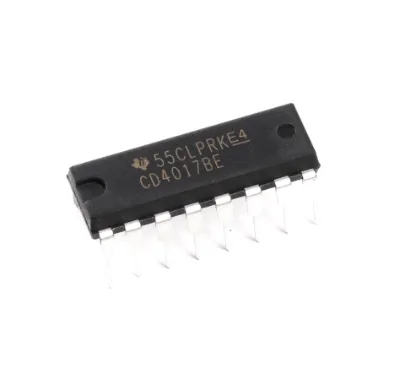
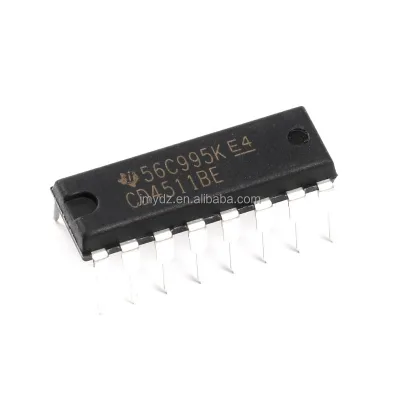
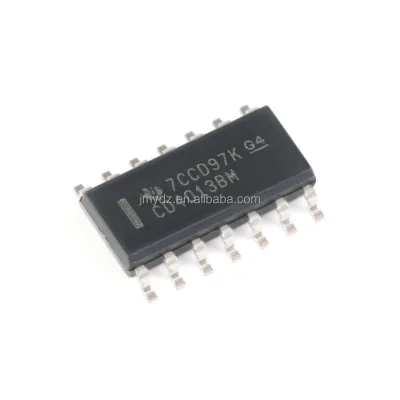
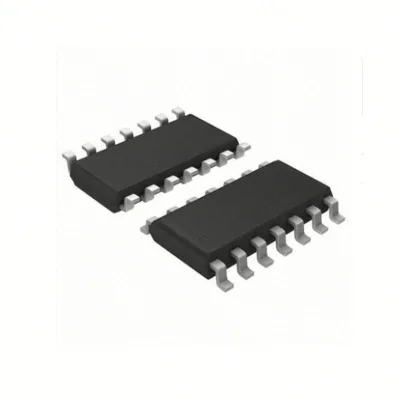
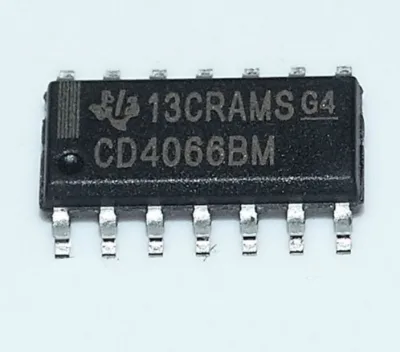
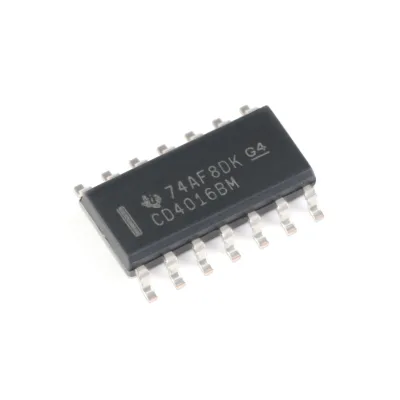
CD4013BM CD4013BM96 SOIC-14 CMOS dual channel Class D flip-flop chip logic chip
$0.1036 - $0.2084
MOQ: 5 Minimum




Comprehensive Sourcing Guide
RoHS Compliant CMOS Logic IC Sourcing Guide
Sourcing RoHS compliant CMOS logic ICs requires a disciplined approach to verifying component authenticity and technical suitability for industrial applications. Buyers must navigate a market where listings often mix genuine original parts with generic alternatives, necessitating strict validation of model numbers and packaging details. The core keyword highlights the intersection of environmental compliance and digital logic functionality, which is critical for modern electronics manufacturing. Procurement teams should prioritize suppliers who provide transparent data sheets and clear origin statements to mitigate the risk of counterfeit components entering the supply chain.
This guide focuses on the specific attributes observed in current market listings, such as integration levels, operating temperatures, and package types. By understanding the nuances of CMOS technology, buyers can make informed decisions about signal processing and data transmission capabilities. The following sections detail the technical specifications, compliance documentation, and commercial terms that define a successful procurement strategy for these essential electronic components.
Product Scope and Observed Listing Signals
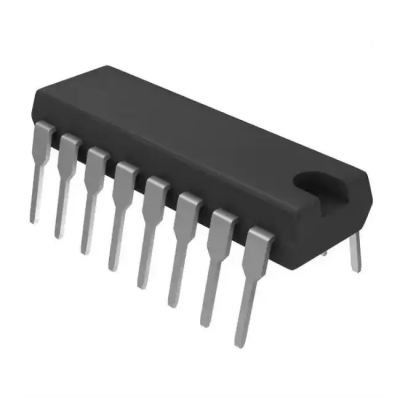
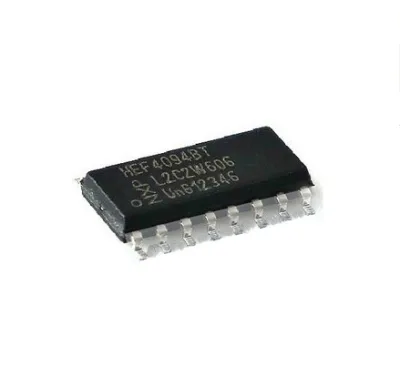
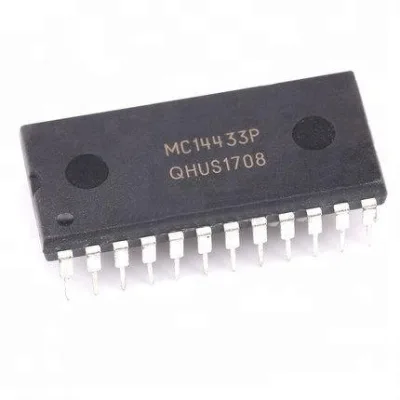
The observed product range includes various integrated circuits with distinct conductive types, such as unipolar and bipolar configurations, indicating a diverse portfolio of logic and interface solutions. Listings frequently specify models like UC-0018, CD4051BM96, and CD4511BE, which serve different functions in digital logic control systems. These components are often described with specific package types, including DIP and SOIC formats, which dictate their compatibility with existing PCB layouts and assembly processes. Buyers should carefully match these physical attributes to their design requirements to ensure proper fit and function.
Integration levels vary across the observed listings, ranging from GSI to SSI and MSI, reflecting the complexity of the circuits provided. Some products are explicitly labeled as hex inverter logic ICs or signal processing devices, highlighting their specialized roles in industrial equipment and communication systems. The presence of customization options and one-stop BOM supporting services suggests that suppliers are catering to complex procurement needs. However, buyers must verify that these services align with their specific volume requirements and technical specifications before committing to a purchase order.
Technical Specifications to Verify
Operating temperature ranges are a critical specification that varies significantly between different IC models, with some rated for -55℃ to 125℃ and others for -40℃ to 85℃. Buyers must ensure that the selected component can withstand the thermal conditions of its intended application environment without performance degradation. Additionally, the device type is consistently identified as an integrated circuit, but the specific logic function, such as a not gate, must be confirmed against the schematic requirements. Verifying these thermal and functional parameters prevents field failures and ensures system reliability under stress.
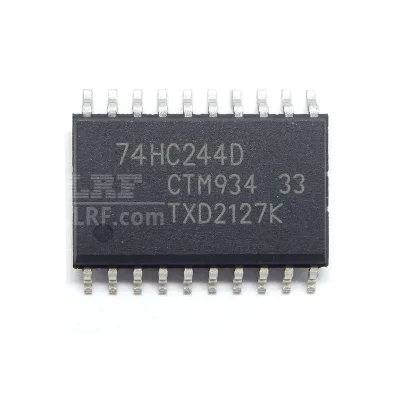
Package and packing details also require close scrutiny, as listings show variations from vacuum packing to box and tape & reel formats. The physical dimensions, such as single package sizes and gross weights, impact storage and handling logistics, especially for high-volume orders. Model numbers like 74HC245PW and 74HC04D indicate specific series within the CMOS logic family, which dictates electrical characteristics and compatibility. Procurement teams should cross-reference these identifiers with official manufacturer datasheets to confirm pinouts and electrical ratings before finalizing any supplier agreement.
Compliance and Safety Documentation
RoHS compliance is a key attribute mentioned in the background context, signaling adherence to restrictions on hazardous substances in electrical and electronic equipment. Buyers should request formal certification documents or test reports from suppliers to verify that the components meet current regulatory standards for the target markets. While some listings mention electronic components standards, the specific version or jurisdiction of compliance must be clarified to avoid legal or customs issues. Ensuring that the supply chain is fully compliant protects the brand from reputational damage and potential fines associated with non-conforming products.
Quality claims such as "Genuine New Original" are common in listings but require independent verification through trusted channels. Buyers should inquire about the source of the components and request traceability documentation, including manufacturer date codes like 22+ or 2025 and newer. The place of origin is often listed as China or original, but this does not guarantee authenticity without proper documentation. Establishing a clear chain of custody and requiring proof of origin helps mitigate the risk of receiving counterfeit or refurbished parts disguised as new inventory.
Cost Drivers and Commercial Terms
Pricing for CMOS logic ICs varies widely, with observed ranges from $0.09 to $78.38, influenced by factors such as integration level, package type, and order volume. Minimum order quantities (MOQ) typically range from 1 to 1000 units, allowing for flexibility in prototyping and mass production phases. Buyers should negotiate terms that align with their cash flow and inventory management strategies, considering the lead times which can be as short as 1-3 working days for some suppliers. Understanding these commercial variables helps in budgeting accurately and avoiding unexpected costs associated with small batch orders.
Payment methods and shipping options are also significant considerations, with suppliers offering PAYPAL, TT, VISA, and Trade Assurance for secure transactions. Shipping via DHL, UPS, FedEx, or EMS ensures timely delivery, but costs and transit times vary by destination and service level. The unit price is sometimes listed as "Contact Us," indicating that final pricing depends on specific negotiation and volume commitments. Buyers should clarify all inclusive costs, including taxes and duties, to avoid surprises upon delivery and ensure that the total cost of ownership remains competitive.
Supplier Qualification and Quality Control
Supplier qualification involves assessing their ability to provide consistent quality and reliable lead times for critical electronic components. Buyers should evaluate the supplier's track record in handling genuine original parts and their capacity to support one-stop BOM services. The availability of customization options suggests a flexible manufacturing or sourcing capability, which can be advantageous for specialized projects. However, buyers must verify the supplier's quality control processes to ensure that every batch meets the specified technical and compliance standards.
Quality control measures should include incoming inspection protocols and testing procedures to detect any defects or non-conformities early in the process. Suppliers offering products with specific date codes and original packaging demonstrate a commitment to traceability and authenticity. Buyers should request samples for initial validation before committing to larger orders, especially when dealing with high-value or critical application components. Establishing a robust supplier qualification process reduces the risk of supply chain disruptions and ensures long-term partnership stability.
Long-Term Procurement Checks
Long-term procurement requires regular audits of supplier performance and component quality to maintain supply chain integrity. Buyers should monitor changes in product specifications, such as operating temperatures or package types, to ensure continued compatibility with existing designs. The active status of products like CD4013BM96 indicates ongoing availability, but buyers must stay informed about potential end-of-life notices or obsolescence risks. Proactive management of component lifecycles helps prevent production halts and ensures that replacement parts are available when needed.
Continuous engagement with suppliers regarding market trends and technological advancements can provide early warnings of supply constraints or new alternatives. Buyers should maintain open communication channels to discuss volume forecasts and potential design changes that may impact component requirements. Regular review of compliance documentation ensures that suppliers remain up-to-date with evolving regulatory standards in different regions. By implementing these long-term checks, procurement teams can build a resilient supply chain that supports sustainable growth and operational efficiency.
FAQs
What models of CMOS logic ICs are available?
Available models include UC-0018, CD4051BM96, CD4511BE, CD4013BM96, 74HC245PW, and 74HC04D. These devices cover various integration levels from GSI to MSI. They support applications in industrial equipment and communication systems. Buyers can request BOM list services for one-stop supporting. Customization is available for specific project requirements.
Can I get these ICs with RoHS compliance?
RoHS compliance is listed as a low-confidence background attribute. While electronic components are standard, explicit certification status requires verification. Buyers should confirm compliance details directly with suppliers. The products are described as genuine new original. Ensure all regulatory requirements are met before finalizing procurement orders for your specific application needs.
What are the operating temperature ranges for these ICs?
Operating temperatures vary by model. Some ICs function between -55℃ and 125℃, while others operate from -40℃ to 85℃. These ranges suit various industrial and commercial environments. The devices are designed for signal processing and data transmission. Verify the specific thermal limits for your chosen model to ensure reliable performance under your project conditions.
How fast is the lead time for delivery?
The standard lead time is 1-3 working days. This rapid turnaround supports urgent procurement needs. Shipping options include DHL, UPS, FedEx, EMS, and HK Post. Products are packed in vacuum, box, or tape formats. Buyers can use payment methods like PayPal, TT, Visa, or Trade Assurance for secure transactions during the ordering process.
What packaging types are used for these components?
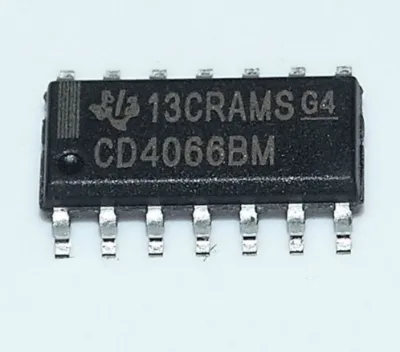
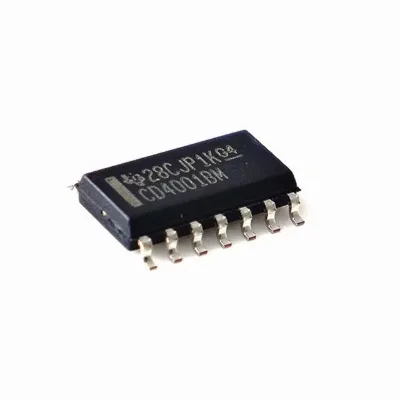
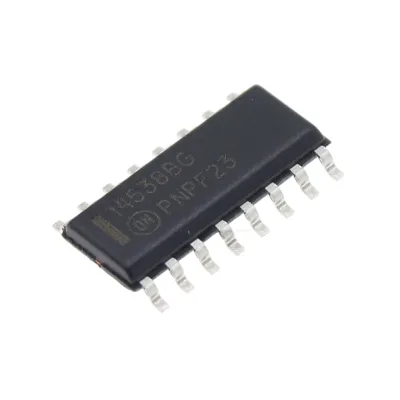
Packaging includes DIP, SOIC16, SOIC-14, and flat shapes. Products are packed in vacuum, box, or tape and reel formats. Some items use cut tape or Digi-Reel for easy handling. The single package size is approximately 0.1x0.1x0.1 cm. Standard industrial packaging ensures safe transport. Verify the specific package type required for your assembly line compatibility.
What is the minimum order quantity for these ICs?
The observed MOQ range is 1 to 1000 units. This flexibility allows for small sample orders or bulk purchases. Pricing varies from 0.09 to 78.38 USD depending on the model. Buyers can contact suppliers for specific unit prices. The selling unit is a single item, facilitating precise inventory management for various project scales.