Standard USB Hub Controller Suppliers and Manufacturers
Compare 19 verified suppliers offering Standard USB Hub Controller products from Guangdong, China. Review response times, lead times, and pricing to source USB2.0 and USB3.0 modules with MOQs starting at 5 pieces; review the available evidence before requesting comparable quotations from suitable candidates.
Updated
Suppliers List
Shenzhen Jiaxinjie Technology Co., Ltd.
- Trading Company, Agent, Distributor/Wholesaler
- Guang Dong, China
- Lead time3 days
- Avg. response≤ 5h
Main productsElectronic products,Electronic module,IC Chip,Capacitance & Resistance,Medical equipment
Main marketsDomestic Market(10.00%), South Asia(10.00%), Southern Europe(10.00%), Eastern Europe(10.00%), South America(10.00%), North America(10.00%), Oceania(5.00%), Africa(5.00%), Southeast Asia(5.00%), Northern Europe(5.00%), Central America(5.00%), Western Europe(5.00%), Eastern Asia(5.00%), Mid East(5.00%)
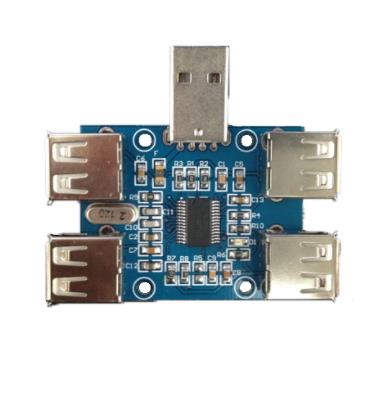
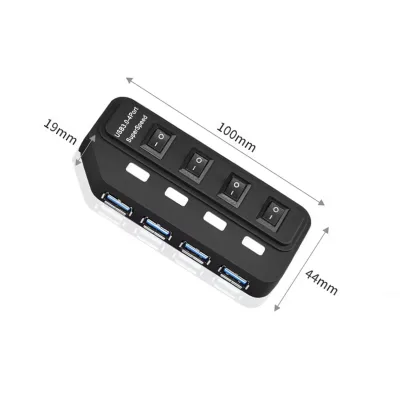
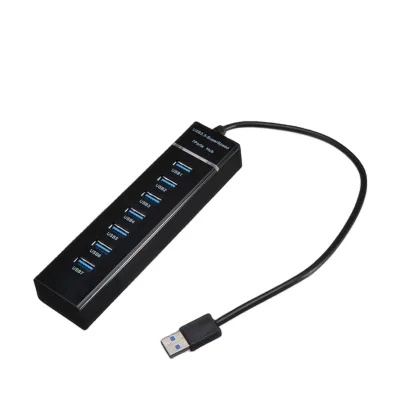
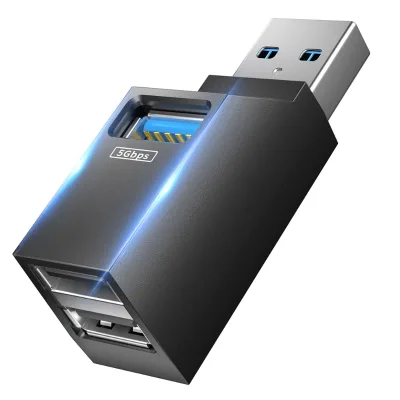
USB3.0 Hub High Speed Transmission Support Multiple USB Device Connections
$3.9098 - $4.4251
MOQ: 5 Minimum
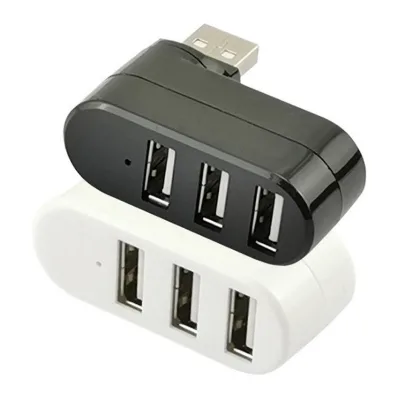
Shenzhen Anterwell Technology Ltd
- Trading Company
- Guangdong, China
- Lead time2 days
- Avg. response≤ 7h
Main productsIntegrated Circuits,Diodes,Capacitors,Resistors,Transistor
Main marketsSouth America(40.00%), Africa(10.00%), Southeast Asia(10.00%), Domestic Market(5.00%), South Asia(5.00%), Southern Europe(5.00%), Central America(5.00%), Eastern Asia(5.00%), Mid East(5.00%), Eastern Europe(5.00%), North America(5.00%)
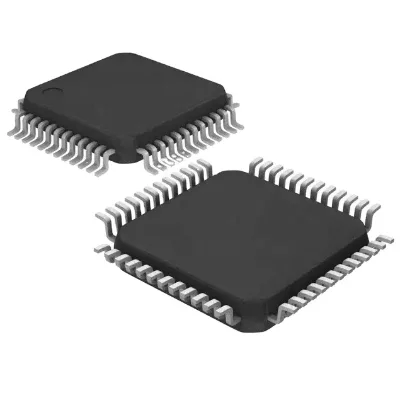
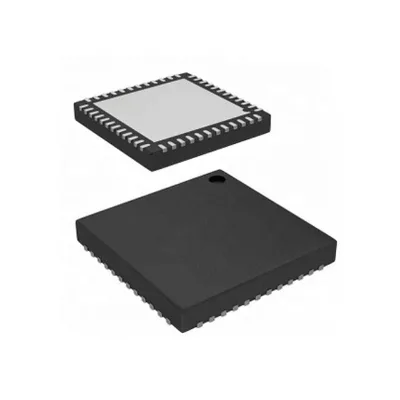
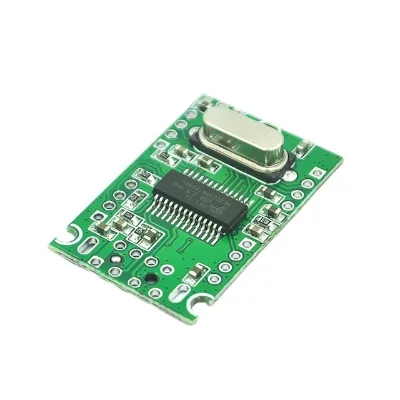
USB2513BI-AEZG USB 2.0 Hub Controller 3-Port 36-Pin QFN Industrial Grade
$0.01 - $0.02
MOQ: 10 Minimum
Shenzhen Youxin Electronic Technology Co., Ltd.
- Trading Company, Distributor/Wholesaler
- Guangdong, China
- Lead time0 days
- Avg. response≤ 8h
Main productsChip,PCB,Sensor Module,Display Module,Wireless Module
Main marketsNorth America(20.00%), Domestic Market(15.00%), South America(10.00%), Western Europe(10.00%), Southeast Asia(10.00%), Eastern Asia(10.00%), Mid East(5.00%), Southern Europe(5.00%), Northern Europe(5.00%), Oceania(5.00%), Eastern Europe(5.00%)
Guangzhou Boyuelong Electronic Technology Co., Ltd.
- Manufacturer, Trading Company
- Guangdong, China
- Lead time15 days
- Avg. response≤ 5h
Main productsComputer software and hardware,USB HUB,Wire and miscellaneous accessories,Wire and miscellaneous accessories,Projection and display equipment
Main marketsSouth America(25.00%), North America(20.00%), Eastern Europe(10.00%), Northern Europe(5.00%), Central America(5.00%), Western Europe(5.00%), Eastern Asia(5.00%), Mid East(5.00%), Oceania(5.00%), Africa(5.00%), Southeast Asia(5.00%), South Asia(2.00%), Southern Europe(2.00%), Domestic Market(1.00%)
Hooray Technology (HK) Co., Limited
- Trading Company
- Hong Kong S.A.R.
- Lead time10 days
- Avg. response≤ 3h
Main productsUsb flash drive,Solid state drives,Memory card,hub,Hdd
Main marketsEastern Europe(15.00%), Western Europe(15.00%), Northern Europe(15.00%), North America(13.00%), Africa(12.00%), South America(10.00%), Southeast Asia(10.00%), South Asia(10.00%)
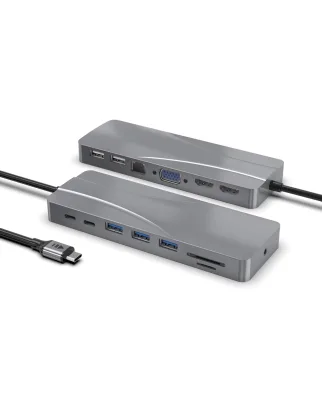
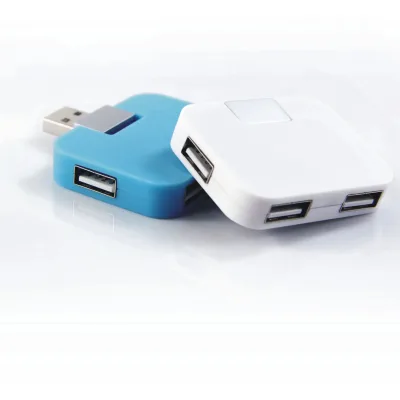
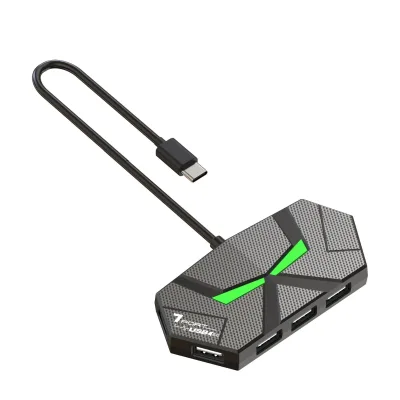
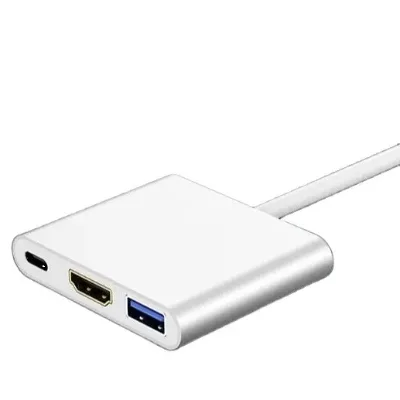
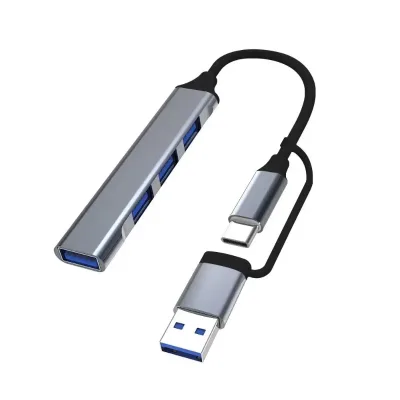
$3.90 - $10.05
MOQ: 1 Minimum
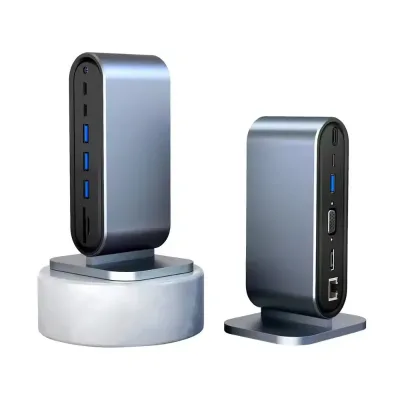
$3.90 - $21.90
MOQ: 1 Minimum

Dongguan Tentop Electronics Co., Ltd.
- Verified by TUVRHEINLAND
- Combined
- China Guangdong
- Lead time15 days
- Avg. response≤ 4h
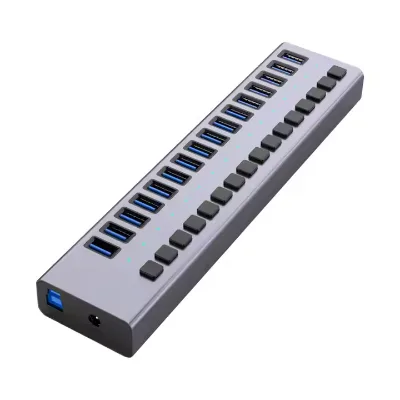
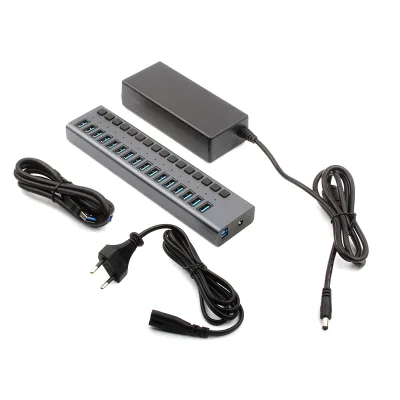
Main productsUSB Expansion USB Charger USB Hub, Industrial USB 3.0 Hub, USB 3.0 Hub with ESD Protection, USB Hub for Data and Charging, Customization for Industrial USB Hub, R&D for Industrial USB Hub, Pd Fast USB Charger with Low Temperature, High Wattage Pd USB Charger, Multi-Port Pd Industrial USB Charger, High Power Pd USB Charger with Full Protection
Main marketsSoutheast Asia/ Mideast,Domestic
Shenzhen Dongheng Electronic Technology Co., Ltd.
- Trading Company, Distributor/Wholesaler
- Guangdong, China
- Lead time0 days
- Avg. response≤ 2h
Main productsElectronic Components,Cables,Integrated Circuit,Development Boards,3D Printer Parts
Main marketsNorth America(40.00%), Southeast Asia(30.00%), South Asia(10.00%), Central America(10.00%), Mid East(10.00%)

Changzhou Wistar Electronics Co., Ltd.
- Verified by BV
- Combined
- China Jiangsu
- Lead time15 days
- Avg. response≤ 5h
Main productsSmartphone USB Cable, Computer Cable, Computer HDMI Cable, Pd Cable, Type C Hubs, USB Hub, USB C Hub, Network Cables, USB Adapter, USB 4 Cable
Main marketsEast Asia(Japan/ South Korea),Europe

Dongguan Merry Electronic Co., Ltd.
- Verified by SGS
- Manufacturer/Factory
- China Guangdong
- Lead time15 days
- Avg. response≤ 3h
Main productsDiode Bridge Rectifier Mosfet Transistor, IGBT Tube IGBT Module Sic Integrated Circuits, Capacitor Resistor and Other Semiconductor, SPD PCBA Sic, Rectifier Schottky Thyristor Crimped Diodemodule, IC Power Silicon Carbide Mosfet, Schottky Diodes Zenner Diodes, Small Signal Diode Power Zenner Diode, Sic Mosfet Diode Modules, Varistor AC/DC DC/DC Converter
Main marketsSouth America,Eastern Europe,Mid East,North America,Southeast Asia,Eastern Asia,Oceania,Western Europe,Africa

Tyshen Technology Co., Limited
- Trading Company,Manufacturer/Factory
- China Guangdong
- Lead time45 days
- Avg. response≤ 5h
Main productsComputer Keyboard, Computer Mouse, Powr Bank, Mouse Keyboard, Computer Speaker, Bluetooth Speaker
Main marketsSouth America,Eastern Europe,Mid East,North America,Southeast Asia,Eastern Asia,Western Europe,Africa
Shenzhen Binyueda Electronics Co., Ltd.
- Trading Company, Agent, Distributor/Wholesaler
- Guangdong, China
- Lead time3 days
- Avg. response≤ 10h
Main productsElectronics Components,Computer Accessories,Integrated Circuit,Electrical Equipment
Main marketsNorth America(30.00%), Western Europe(20.00%), Northern Europe(10.00%), Southeast Asia(10.00%), Mid East(10.00%), South America(5.00%), Eastern Europe(5.00%), South Asia(2.00%), Africa(2.00%)

Dongguan KaiWin Electronic Co., Ltd.
- Manufacturer
- China Guangdong
- Lead time15 days
- Avg. response≤ 20h
Main productsTypec Product
Main marketsEurope,North America
Shenzhen Eonline Industrial Co., Ltd.
- Verified by TüVRheinland
- Trading Company
- Lead time15 days
- Avg. response≤ 9h
Main productsWireless Charger, USB Hub, Phone Holder, Phone Charger, USB Cable
Main marketsNorth America(15%), Western Europe(15%), Southern Europe(15%)

- Trading Company
- China Guangdong
- Lead time15 days
- Avg. response≤ 1h
Main productsIC, Capacitor, Resistor, Electronic Components, Integrated Circuit, Transistor, Relay, Diode, MCU, Connector
Main marketsSouth America,East Asia(Japan/ South Korea),Europe
Shenzhen Kezhan Weite Electronics Co., Ltd.
- Trading Company
- Guangdong, China
- Lead time0 days
- Avg. response≤ 4h
Main productsIntegrated Circuit
Main marketsNorth America(40.00%), Southeast Asia(30.00%), Eastern Asia(20.00%), Northern Europe(10.00%)
Jiangxi Skyvision Tech Development Co., Ltd.
- Manufacturer, Trading Company
- Jiangxi Province, China
- Lead time7 days
- Avg. response≤ 2h
Main productsSolar Power Station,Solar Lamp,Multiport Hub,Solar Light,Video Capture Card
Main marketsNorth America(40.00%), Western Europe(30.00%), Southeast Asia(20.00%), Domestic Market(10.00%)
Dongguan Vision Electronical Technology Co., Ltd.
- Trading Company
- Guangdong, China
- Lead time7 days
- Avg. response≤ 6h
Main productsType C adapter,HDMI splitter,HDMI converter,Mini SAS
Main marketsNorth America(25.00%), South America(17.00%), Domestic Market(11.00%), Western Europe(10.00%), Eastern Asia(8.50%), Eastern Europe(7.00%), Southeast Asia(5.00%), Southern Europe(4.00%), Oceania(4.00%), Northern Europe(2.50%), Mid East(2.00%), South Asia(2.00%), Africa(1.00%), Central America(1.00%)
Shenzhen Qianbao Technology Co., Ltd.
- Trading Company
- Guangzhou, China
- Lead time7 days
- Avg. response≤ 9h
Main productsGraphic card,CPU,Motherboard,Cooling plate,Fans
Main marketsNorth America(20.00%), Northern Europe(10.00%), Domestic Market(10.00%), Eastern Europe(10.00%), Mid East(10.00%), Western Europe(8.00%), Southern Europe(8.00%), Southeast Asia(5.00%), South America(5.00%), Eastern Asia(5.00%), Central America(3.00%), Africa(2.00%), South Asia(2.00%), Oceania(2.00%)

Ningbo Kangda Electronic Co., Ltd
- Verified by SGS
- Combined
- China Zhejiang
- Lead time23 days
- Avg. response≤ 1h
Main productspatch cord
Main marketsSoutheast Asia/ Mideast,Europe,North America










Comprehensive Sourcing Guide
Standard USB Hub Controller Supplier Concentration and Factory Types
The current supplier landscape for standard USB hub controllers is characterized by a high concentration of trading companies and distributors rather than direct manufacturing entities. Evidence indicates that the majority of available suppliers operate as trading companies, agents, or wholesalers, which suggests that buyers are primarily accessing inventory held by intermediaries rather than engaging with original equipment manufacturers. This structural reality implies that the supply chain for these electronic components is heavily reliant on distribution networks that aggregate stock from various sources. Buyers should understand that when sourcing standard USB hub controllers, they are often dealing with entities that specialize in logistics, inventory management, and market access rather than the physical fabrication of the integrated circuits or expansion modules. The presence of trading companies as the dominant supplier type means that the value proposition often lies in availability and speed of delivery rather than custom manufacturing capabilities or direct factory pricing structures.
Geographic concentration plays a significant role in this sourcing environment, with observed supplier locations pointing toward Guangdong, China. This region is a well-known hub for electronic components and telecommunications equipment, providing a logistical advantage for suppliers who need to move goods quickly to global markets. The fact that suppliers are located in this specific area suggests that buyers can expect a mature ecosystem of supporting services, including packaging, shipping, and component sourcing. However, it is crucial to verify the specific operational nature of each supplier within this region. While the location is consistent, the actual capabilities vary significantly between a pure trading company and a distributor with warehousing facilities. Buyers must distinguish between suppliers who merely list products and those who physically hold the stock, as this distinction impacts reliability and lead times. The concentration in Guangdong does not guarantee quality or authenticity, so due diligence remains essential regardless of the supplier's geographic proximity to major electronic manufacturing zones.
How to Verify Standard USB Hub Controller Suppliers
Verifying the authenticity and reliability of Standard USB Hub Controller suppliers requires a rigorous examination of product attributes and documentation. Buyers should prioritize suppliers who provide detailed product specifications, including model numbers, date codes, and package types. For instance, specific integrated circuits like the CY7C65640A-LFXC or USB2513BI-AEZG should be accompanied by clear indications of their condition, such as "100% NEW" or "Original." It is critical to cross-reference these claims with independent verification methods, as the term "Original" can be misleading if not supported by traceable documentation. Buyers should request certificates of conformity or test reports that confirm the components meet industry standards for USB 2.0 or USB 3.0 specifications. Additionally, checking the manufacturing date code, such as "24+" for newer stock, helps ensure that the components are not obsolete or degraded due to long-term storage. This level of scrutiny is necessary to avoid receiving counterfeit or refurbished parts that may fail in high-speed data transmission applications.
Another vital aspect of verification is assessing the supplier's response time and communication efficiency. Data shows that response times can vary, with some suppliers responding within five days and others taking up to eight days. A faster response time often correlates with better customer service and a more active inventory management system. Buyers should initiate contact with potential suppliers to gauge their responsiveness and the quality of their technical support. Inquiring about the specific features of the hub controller, such as port power management or overcurrent detection, can reveal the depth of the supplier's technical knowledge. Suppliers who provide detailed answers and are willing to share additional product information are more likely to be reliable partners. Furthermore, verifying the supplier's business license and trade assurance status can provide an additional layer of security. Buyers should ensure that the supplier's stated main products align with their actual inventory, as discrepancies may indicate a lack of specialization or potential misrepresentation of capabilities.
What to Compare Across Standard USB Hub Controller Suppliers
When evaluating multiple suppliers for standard USB hub controllers, buyers must compare key operational metrics such as lead time, minimum order quantity, and pricing structures. Lead times vary significantly, with some suppliers offering rapid processing times of one to three working days, while others may have longer turnaround periods. This difference is crucial for buyers with urgent project requirements or those managing tight production schedules. Minimum order quantities also differ, ranging from small batches of five pieces to larger orders of ten pieces or more. Buyers should assess whether the supplier's MOQ aligns with their current needs, as smaller MOQs may be preferable for prototyping or low-volume production runs. Pricing is another critical factor, with costs varying based on the specific model and quantity ordered. For example, USB 2.0 hubs may be priced differently than USB 3.0 high-speed transmission modules. Buyers should request detailed quotes that include all potential fees, such as shipping and handling, to ensure accurate cost comparisons.
In addition to operational metrics, buyers should compare the range of products and services offered by each supplier. Some suppliers specialize in specific types of electronic components, such as integrated circuits, while others offer a broader range of products including capacitors, resistors, and display modules. This specialization can impact the supplier's ability to provide comprehensive support and consistent quality. Buyers should also consider the payment terms and shipping options available. Suppliers may offer various payment methods, including PayPal, Trade Assurance, and Telegraphic Transfer, each with different levels of buyer protection. Shipping options like DHL, FedEx, and UPS provide different speeds and costs, which can influence the total cost of ownership. By comparing these factors across multiple suppliers, buyers can identify the best balance of cost, speed, and reliability for their specific sourcing needs. It is essential to document these comparisons to make informed decisions and avoid potential pitfalls in the procurement process.
Common Standard USB Hub Controller Sourcing Risks
One of the primary risks in sourcing standard USB hub controllers is the potential for receiving counterfeit or non-compliant components. The market for electronic components is rife with counterfeit parts that may appear identical to genuine products but fail to meet performance standards. Buyers must be vigilant in verifying the authenticity of the components they purchase, as using counterfeit parts can lead to system failures and safety hazards. The risk is exacerbated by the prevalence of trading companies in the supply chain, which may not have direct access to original manufacturer documentation. Buyers should be wary of suppliers who offer prices that seem too good to be true, as this may indicate the use of substandard or fake components. Additionally, the lack of standardized testing for all components means that buyers must rely on supplier claims regarding quality and condition. This reliance increases the risk of receiving parts that do not meet the required specifications for USB 2.0 or USB 3.0 interfaces.
Another significant risk is the variability in lead times and stock availability. Some suppliers may claim to have items in stock, but actual availability can fluctuate rapidly due to high demand or supply chain disruptions. Buyers who rely on these suppliers for critical project components may face delays if the stock is not as available as advertised. This risk is particularly acute for specialized components like the CY7C65640A-LFXC or USB2513BI-AEZG, which may have limited production runs. Furthermore, the reliance on express shipping methods like DHL or FedEx introduces the risk of customs delays or lost shipments, which can further impact project timelines. Buyers should mitigate these risks by maintaining open communication with suppliers and having contingency plans in place. It is also advisable to order samples before committing to large volumes to verify quality and delivery performance. By understanding and preparing for these common risks, buyers can better manage their sourcing activities and reduce the likelihood of disruptions.
Standard USB Hub Controller Regional Sourcing and Logistics
Sourcing standard USB hub controllers from regional hubs like Guangdong, China, offers logistical advantages but also presents specific challenges. The concentration of suppliers in this region facilitates efficient shipping and access to a wide variety of components. However, buyers must navigate the complexities of international logistics, including customs clearance and import regulations. The choice of shipping method, such as DHL, FedEx, or UPS, significantly impacts delivery times and costs. Express shipping is often preferred for urgent orders, but it comes at a higher price point. Buyers should consider the total landed cost, including duties and taxes, when evaluating shipping options. Additionally, the packaging and handling of electronic components require special attention to prevent damage during transit. Suppliers in Guangdong are generally experienced in exporting electronic goods, but buyers should still verify that proper packaging standards are followed to protect sensitive components like integrated circuits and expansion modules.
The regional sourcing environment also influences the availability of after-sales support and technical assistance. Suppliers located in major electronic manufacturing hubs often have better access to technical resources and can provide more informed support regarding product specifications and troubleshooting. However, language barriers and time zone differences can sometimes hinder effective communication. Buyers should establish clear communication channels and ensure that technical queries are addressed promptly. Furthermore, the regional focus on trading companies means that buyers may need to rely on the supplier's network for any necessary manufacturer support. It is important to clarify who is responsible for handling warranty claims or technical issues. By understanding the logistical and support dynamics of regional sourcing, buyers can make more informed decisions and build stronger relationships with their suppliers. This understanding helps in planning for potential delays and ensuring that the supply chain remains robust and reliable.
Standard USB Hub Controller Commercial Terms and Order Planning
Effective order planning for standard USB hub controllers requires careful attention to commercial terms, including payment methods and warranty policies. Suppliers often offer a range of payment options, such as PayPal, Trade Assurance, and Telegraphic Transfer, each with different implications for buyer protection and transaction speed. Trade Assurance, in particular, provides a layer of security by ensuring that payments are released only upon satisfactory delivery. Buyers should prioritize suppliers who offer these secure payment methods to mitigate financial risks. Warranty policies also vary, with some suppliers offering a 90-day warranty on their products. This warranty period is a critical factor in assessing the supplier's confidence in their product quality. Buyers should review the terms of the warranty carefully, including what is covered and the process for claiming repairs or replacements. Understanding these commercial terms helps buyers manage their cash flow and protect their investments in electronic components.
In addition to payment and warranty terms, buyers should plan for order quantities and inventory management. Minimum order quantities can range from small batches to larger volumes, impacting storage and handling costs. Buyers should align their order sizes with their production needs to avoid excess inventory or stockouts. For example, ordering ten pieces of a specific integrated circuit may be suitable for prototyping, while larger orders may be necessary for mass production. Buyers should also consider the lead times when planning their orders, as delays can impact production schedules. Establishing a regular ordering schedule with reliable suppliers can help ensure consistent supply and reduce the risk of shortages. Furthermore, buyers should maintain open communication with suppliers regarding future demand to facilitate better planning and stock availability. By integrating commercial terms into their order planning strategies, buyers can optimize their procurement processes and enhance supply chain efficiency. This proactive approach helps in building a resilient sourcing strategy that can adapt to changing market conditions.
FAQs
What is the price range for standard USB hub controllers?
Prices for standard USB hub controllers typically range from approximately $0.01 to $15.00 per unit depending on the specific model and specifications. Basic expansion modules may cost around $1.30 to $2.50, while integrated circuit controllers like the CY7C65640A-LFXC can range from $10.00 to $15.00. Buyers should verify exact pricing for their required quantity and specific part number with the supplier.
What is the minimum order quantity for USB hub modules?
The minimum order quantity for standard USB hub controllers generally starts at 5 pieces for basic expansion modules. For specific integrated circuit components like the CY7C65640A-LFXC, the MOQ is typically 10 pieces. Buyers should confirm the exact MOQ with the supplier as it varies by product type and stock availability. Small batch orders are often supported for testing purposes.
How long does it take to ship USB hub controllers?
Processing times for standard USB hub controllers are typically 1-3 working days. The overall lead time for suppliers is often reported as 2 to 5 days. Shipping methods include DHL, FedEx, UPS, and TNT for express delivery. Buyers should confirm the exact shipping timeline with the supplier based on their location and the selected logistics provider.
Where are standard USB hub controllers manufactured?
Standard USB hub controllers and modules are primarily manufactured in Guangdong, China. This region is a major hub for electronic components and integrated circuits. Buyers should verify the specific place of origin for each product listing to ensure it meets their sourcing requirements. Most suppliers listed are located in this province.
What warranty is provided for USB hub controllers?
Many standard USB hub controllers come with a 90-day warranty. This coverage typically applies to the functionality and integrity of the electronic components. Buyers should verify the specific warranty terms with the supplier, as conditions may vary. Some integrated circuits may have different warranty policies depending on the manufacturer and distributor.
What payment methods are accepted for USB hub orders?
Common payment methods for USB hub controllers include PayPal, Trade Assurance, T/T, and Western Union. Trade Assurance offers additional protection for buyers. Suppliers may also accept other standard payment methods. Buyers should confirm the available payment options with the supplier before placing an order to ensure a smooth transaction process.