Source ROHS PVA Water Transfer Film for cups, leather, and packaging
Compare 30 listings for ROHS PVA Water Transfer Film suitable for fabric, cups, and wooden packaging. Buyers can review thickness, width, and solubility specs from Guangdong suppliers.
Key considerations
Products List


Hydrographics Printing Films Water Transfer Film PVA Film with Customized Design
$1.70 - $2.30
MOQ: 250 Square Meters


PVA Capsules Stretch Water Transfer Printing Film PVA Plastic Hydrographic Film
$6800.00 - $7100.00
MOQ: 1 tons



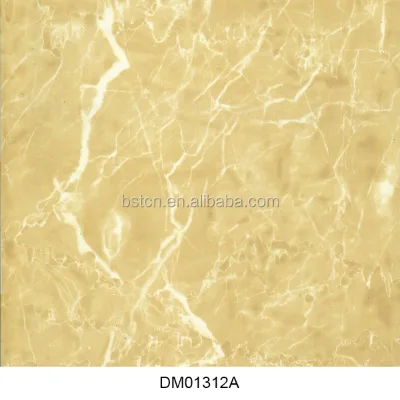
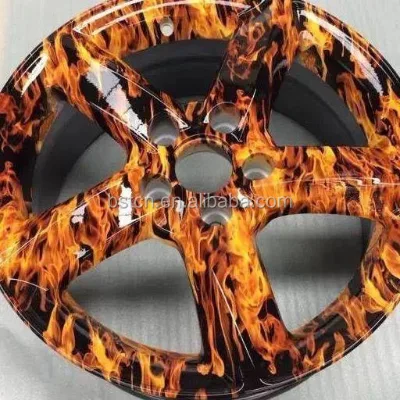
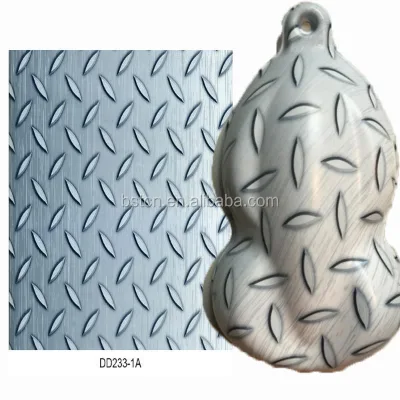
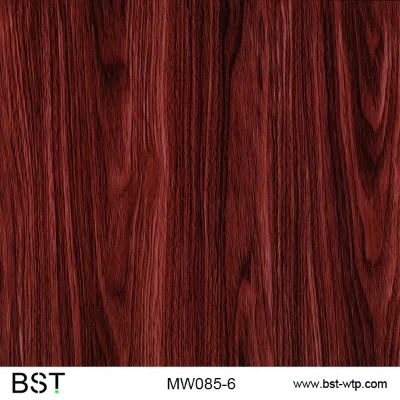


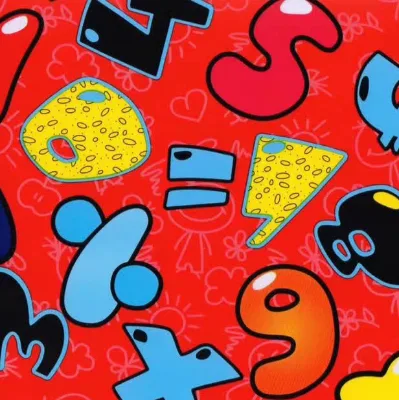
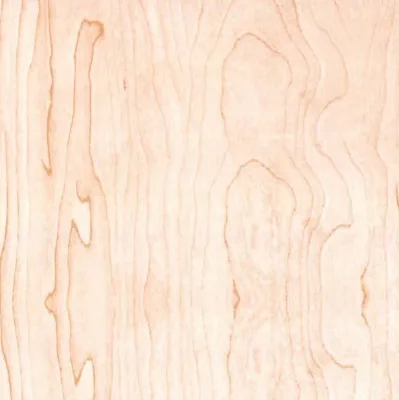

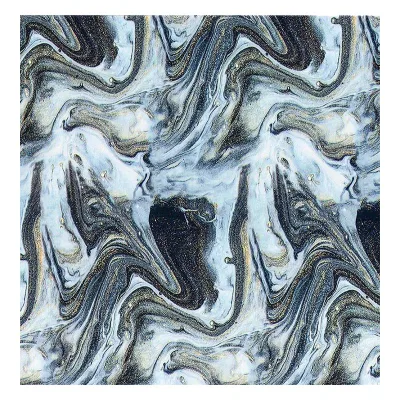


Premium Skull Hydrographic PVA Water Transfer Film for Surface Treatment
$1.50 - $1.90
MOQ: 50 Square Meters
Comprehensive Sourcing Guide
Strategic Sourcing Guide for RoHS-Compliant PVA Water Transfer Films
The global demand for sustainable surface finishing solutions has elevated the profile of Polyvinyl Alcohol (PVA) water transfer films, particularly those marketed as RoHS-compliant. For procurement professionals, navigating the intersection of hydrographic technology and environmental compliance requires a granular understanding of material science, supply chain logistics, and verification protocols. This guide synthesizes available product attributes and industry standards to provide a disciplined framework for sourcing PVA water transfer films. The focus remains strictly on observable facts and verified technical parameters, avoiding unverified market claims while highlighting the critical variables that influence procurement success.
Technical Specifications and Material Composition
The foundation of any successful procurement strategy lies in a precise definition of technical specifications. PVA water transfer films, often referred to as hydrographic or aqua printing films, are distinct from traditional solvent-based films due to their water-soluble nature. The core material is Polyvinyl Alcohol, a polymer that dissolves in water, leaving the printed pattern adhered to the substrate. When evaluating potential suppliers, buyers must scrutinize the specific physical attributes that dictate performance during the transfer process.
Available data indicates that these films typically come in thickness ranges between 15 microns and 50 microns, with some specialized variants noted in the 0.35 to 0.40 micron range for specific applications. The width of the film is equally critical, with standard offerings spanning from 100mm to 1800mm. Length specifications vary significantly, ranging from 100 meters to 1500 meters, though "none-standard" lengths are also available to accommodate custom machinery or specific project requirements. The transparency of the film is a key visual attribute, ensuring that the underlying substrate color does not interfere with the final aesthetic.
The processing type for these films is often associated with blow molding, a method that influences the molecular orientation and solubility rate. The weight of the film is another measurable metric, with observations suggesting a range of 3g to 4.5g per square meter. This weight-to-thickness ratio is vital for calculating the amount of activator required and the dwell time in the water tank. Buyers should verify that the supplier can provide batch-specific data sheets confirming these dimensions, as inconsistencies in thickness can lead to uneven dissolution or pattern tearing during the transfer.
Compliance Verification and Environmental Standards
The keyword "RoHS" (Restriction of Hazardous Substances) is central to modern procurement, yet it requires careful interpretation in the context of PVA films. While the supplied product data does not explicitly list a RoHS certification number for every item, the material itself—PVA—is inherently non-toxic and biodegradable, aligning with the spirit of RoHS and REACH regulations. However, the presence of inks, activators, and speed shape chemicals used in the hydrographic process can introduce hazardous substances. Therefore, the "RoHS-compliant" claim often applies to the entire system, not just the base film.
Procurement teams must treat the "Low-confidence background" regarding CE certification with caution. The presence of a CE mark in general background data does not guarantee that a specific batch of PVA film meets current RoHS directives. Buyers should not assume compliance based on general market knowledge. Instead, the verification process must involve requesting specific test reports from the supplier for the exact model number being purchased. These reports should detail the heavy metal content and the absence of restricted phthalates or brominated flame retardants.
The supplied data mentions a standard dimension of 600L420W600H (mm), which likely refers to packaging or storage standards rather than the film itself. This distinction is crucial; confusing packaging standards with product compliance can lead to procurement errors. When evaluating a supplier, the primary question is not whether they claim to be RoHS compliant, but whether they can provide third-party laboratory test results for the specific ink and film combination. The "Water Soluble" and "Water Dissolving Plastic" attributes confirm the material's eco-friendly profile, but the chemical safety of the additives used to create the patterns must be independently verified.
Cost Drivers and Economic Variables
Understanding the cost structure of PVA water transfer films is essential for budgeting and negotiation. The observed price range in the market spans from $0.70 to $7,100, a vast disparity that reflects differences in film width, length, thickness, and the complexity of the printed patterns. A roll of standard-width, thin film will sit at the lower end of this spectrum, while wide-format, high-definition, or custom-patterned films will command premium prices.
The Minimum Order Quantity (MOQ) is another significant cost driver. The data shows an MOQ range from 1 unit to 250 units, with specific instances citing 1 Ton or 50 Square Meters. For small-scale prototyping or custom projects, a supplier with a low MOQ is essential, even if the unit price is higher. Conversely, large-scale manufacturing operations should leverage the 1 Ton MOQ to secure volume discounts. The selling units are often structured as multiples of 50, which can impact inventory planning. If a project requires 120 square meters, the buyer must purchase 150, affecting the total landed cost.
Shipping and packaging also influence the final cost. The observed packing methods include "Polybag Inside, Hard Carton Outside" and "Seaworthy Wooden Case." The choice of packaging depends on the destination and the fragility of the rolls. Seaworthy wooden cases are more expensive but necessary for international ocean freight to prevent moisture damage, which is critical for water-soluble films. The storage requirements, specifically a temperature of 25°C and humidity of 55%, imply that improper storage during transit can degrade the product, leading to financial loss. Buyers must factor in the cost of climate-controlled logistics if the supply chain involves humid environments.
Typical Applications and Surface Treatment Capabilities
PVA water transfer films are versatile tools used for surface treatment on a variety of substrates. The supplied data lists applications including fabric, cups, cotton, leather, and plates. However, the primary industrial use is for curved surface treatment, where traditional printing methods fail. The "Application" field explicitly notes "curved surface treatment," highlighting the film's ability to conform to complex geometries.
The "Relative Products" listed include water transfer printing machines, activators, and speed shape chemicals, indicating that the film is part of an ecosystem. The film itself is often used for "Other Chemical, Packaging Film, Wooden Packaging" applications, suggesting its utility in industrial branding and decorative finishing. The "Patterns" available, such as "metal brush," demonstrate the aesthetic range, from industrial textures to natural finishes.
When selecting a film for a specific application, the buyer must consider the substrate material. For example, applying the film to leather requires a different activator and dwell time than applying it to a plastic cup. The "Usage" field also mentions "Packaging Film," which suggests a secondary use case where the film might be used for protective wrapping that dissolves during the cleaning process. The "Printing type" is identified as "PVA Hydrographic Printing Film," confirming its specialized nature. Buyers should ensure that the film's solubility rate matches the production line speed; a film that dissolves too quickly may tear, while one that dissolves too slowly can cause wrinkling.
Supplier Evaluation and Operational Logistics
Evaluating suppliers for PVA water transfer films requires a focus on consistency, origin, and logistical reliability. The "prod_origin" is consistently listed as China, with specific mentions of Guangdong as a place of origin. Guangdong is a major manufacturing hub, but buyers should verify the specific factory location to ensure it aligns with their quality expectations. The "Brand Name" BST is observed in the data, but buyers should not rely on brand recognition alone without verifying the specific product line.
Logistics are a critical component of supplier evaluation. The "Shipping" method is listed as "Express," which is suitable for samples or urgent small orders but may be cost-prohibitive for bulk tonnage. The "prod_packing" varies, with some items using polybags and hard cartons, while others require seaworthy wooden cases. This inconsistency suggests that buyers must explicitly state their packaging requirements during the RFQ process. The "Storage" requirements are non-negotiable; a supplier who cannot guarantee proper storage conditions prior to shipment poses a significant risk.
The "Model Number" variations, such as L0832, DL285-1A, and the DM series (DM01312A, etc.), indicate a wide portfolio. Buyers should not assume that a supplier's "Film" model is interchangeable with their "Water soluble PVA film" model. Each model number corresponds to specific thickness, width, and pattern characteristics. The "Logo printing" attribute is noted as "NO" in some instances, suggesting that many standard films are sold without custom branding, which can reduce lead times and costs. If custom branding is required, the buyer must confirm if this is a standard offering or a special order that impacts the lead time.
Quality Control and Long-Term Procurement Considerations
Quality control for PVA films is paramount due to the sensitivity of the material to environmental conditions. The "Feature" of being "Water Soluble" is a double-edged sword; it enables the process but makes the film vulnerable to humidity during storage and transit. The "Weight" specification of 3g-4.5g per sqm serves as a quality benchmark. Significant deviations from this range can indicate inconsistent extrusion or coating processes, leading to uneven dissolution.
Long-term procurement considerations involve building a relationship with a supplier who can provide consistent quality over time. The "Customization" attribute is listed as "Available," which is a strategic advantage for buyers seeking unique patterns or specific dimensions. However, customization often introduces variability. Buyers should establish a strict quality assurance protocol that includes receiving samples, testing the dissolution rate, and verifying the adhesion strength on the target substrate before committing to large orders.
The "Transparency" and "Color" attributes (Blue, Black, Green, Yellow, Orange, Red) are critical for the final aesthetic. Buyers must ensure that the color consistency is maintained across batches. The "Printing type" being "PVA Hydrographic Printing Film" implies a specific manufacturing process that must be replicated. Any deviation in the printing process can alter the color saturation or pattern clarity.
In conclusion, sourcing RoHS-compliant PVA water transfer films requires a meticulous approach that balances technical specifications, compliance verification, and logistical planning. By focusing on the observable data points—such as thickness, width, weight, and storage requirements—buyers can mitigate risks and ensure a successful procurement process. The vast price and MOQ ranges offer flexibility, but they also demand careful analysis to align with project needs. Ultimately, the success of the hydrographic process depends on the quality of the film, making rigorous supplier evaluation and quality control the cornerstones of a sustainable and effective sourcing strategy.
FAQs
What is the core material used for ROHS PVA Water Transfer Film?
The core material is Polyvinyl Alcohol, which is water-soluble and biodegradable. This film is designed for curved surface treatment on items like leather and cups, dissolving in water to leave the printed pattern.
How thick are the available ROHS PVA Water Transfer Film rolls?
Standard thickness ranges from 15 microns to 50 microns, with specialized variants available between 0.35 and 0.40 microns. Specific thickness must be verified against the model number to ensure proper dissolution rates.
Which suppliers offer ROHS PVA Water Transfer Film with low MOQ?
Suppliers offer Minimum Order Quantities ranging from 1 unit up to 250 units, with some specific models requiring 50 square meters or 1 ton. Buyers should check individual product listings to confirm the exact unit requirement.
Can ROHS PVA Water Transfer Film be customized for specific patterns?
Yes, customization is available for specific patterns and dimensions. However, standard items often do not include logo printing, and custom orders may require specific packaging like seaworthy wooden cases for protection.
What are the storage requirements for ROHS PVA Water Transfer Film?
The film must be stored at a temperature of 25°C and humidity of 55% to maintain quality. Improper storage can degrade the water-soluble material, so climate-controlled logistics are essential during transit.
How is ROHS PVA Water Transfer Film typically packaged for shipping?
Packaging varies between polybag inside with hard carton outside or seaworthy wooden cases. The choice depends on the destination and the need to prevent moisture damage to the water-soluble film during transport.
Which applications are suitable for ROHS PVA Water Transfer Film?
This film is suitable for fabric, cups, cotton, leather, and plates, specifically for curved surface treatment. It is also used for packaging film and wooden packaging applications where water dissolution is required.