Source RoHS PVC Power Cord for Power Station, Computer, and Cable
Find 30 verified listings for RoHS PVC Power Cord suitable for power stations, computers, and general cable applications. Buyers can compare models like AL122 and AL107, insulation materials, and certification details from Chinese manufacturers.
Key considerations
Products List


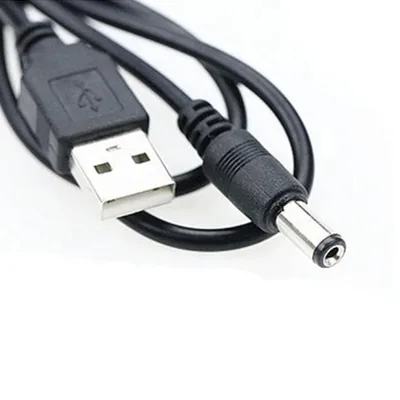


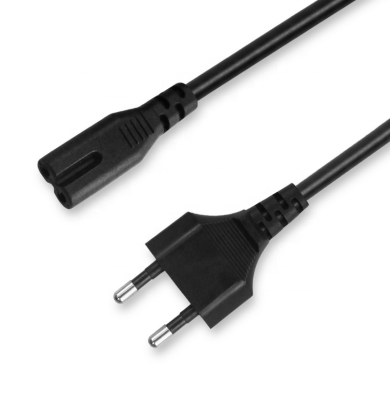


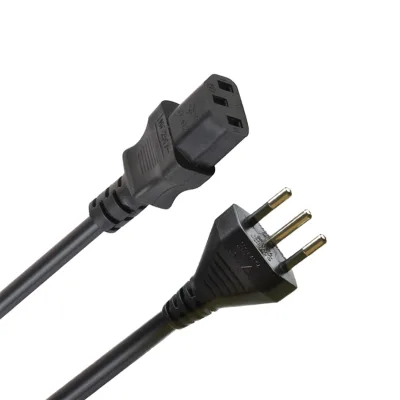


Comprehensive Sourcing Guide
Strategic Sourcing Guide for RoHS PVC Power Cords
Understanding Technical Specifications and Material Composition
When sourcing a RoHS PVC Power Cord, the primary objective is to identify a product that balances electrical safety with material compliance. The core material composition for these cables typically involves a copper conductor encased in a Polyvinyl Chloride (PVC) insulation jacket. This combination is prevalent in the market because PVC offers a favorable balance of flexibility, durability, and cost-effectiveness for general power applications. The conductor material is consistently observed as bare copper wire, which ensures optimal electrical conductivity. In many specifications, the wire core is further described as stranded copper wire, a design choice that enhances flexibility and resistance to fatigue during repeated bending or movement.
The physical geometry of the cable is another critical specification. The product attributes frequently indicate a round wire shape, which is standard for power cords used in various electrical assemblies. The voltage rating for these cables varies significantly across the market, with observations ranging from low and medium voltage cables to high voltage cables. Buyers must carefully distinguish between these ratings, as the insulation thickness and material formulation differ substantially to handle the specific electrical stress. The operating temperature range is another vital technical parameter, with observed specifications indicating a rating between -30°C and +70°C. This range suggests suitability for standard indoor and mild outdoor environments, though extreme conditions may require alternative insulation materials.
The interface type for these power cords is predominantly AC/DC, reflecting their versatility in connecting alternating current sources to various devices. The application scope is broad, covering power stations, computer equipment, and general cable assemblies. Specific product models observed in the market include AL122, AL107, AL-199, D08, AL152, AL-103+AL-106, LCD-DYX15, and UE-222+UE-200. These model numbers often correspond to specific pin configurations, lengths, or plug types. The length of the cable is a flexible specification, with many suppliers offering "any length" availability, allowing for customization based on the specific deployment requirements of the end-user.
Compliance Verification and Certification Standards
Compliance with environmental and safety regulations is non-negotiable in the global B2B market, particularly for products containing PVC and copper. The core keyword "RoHS" refers to the Restriction of Hazardous Substances directive, which limits the use of specific hazardous materials in electrical and electronic equipment. In the provided product data, "RoHS" and "RHOS" (likely a typographical variation of RoHS) appear frequently as product standards. Additionally, "REACH" is noted as an environmental approval in several listings, indicating compliance with the Registration, Evaluation, Authorisation and Restriction of Chemicals regulation, which is often paired with RoHS for comprehensive chemical safety.
Beyond environmental compliance, safety certifications are essential for market access and liability protection. The data indicates a variety of safety approvals, including SAA (Safety Approval Australia), VDE (Verband der Elektrotechnik, a German certification), CCC (China Compulsory Certification), and ISO (International Organization for Standardization). The presence of ISO9001 certification suggests that the manufacturer adheres to quality management system standards, which is a strong indicator of process consistency. It is crucial for buyers to verify that the specific batch of cables carries the relevant certification marks for the target market. For instance, if exporting to Australia, the SAA standard is mandatory, while European markets may require VDE or CE marks.
The following table summarizes the observed certification and standard landscape for these products:
| Certification/Standard | Category | Relevance |
|---|---|---|
| RoHS / RHOS | Environmental | Restricts hazardous substances like lead and mercury. |
| REACH | Environmental | Chemical safety and registration requirements. |
| ISO / ISO9001 | Quality Management | Ensures consistent manufacturing processes. |
| SAA | Safety | Mandatory for Australian market entry. |
| VDE | Safety | Recognized standard for German and European markets. |
| CCC | Safety | Mandatory for products sold within China. |
| European Standard | Regulatory | Indicates adherence to EU technical directives. |
Buyers must treat these certifications as specific to the product listing rather than universal attributes of all power cords. A supplier may offer a RoHS-compliant cord but lack the specific SAA or VDE certification required for a particular destination. Verification should always involve requesting valid test reports or certificates from the supplier rather than relying solely on product descriptions.
Cost Drivers and Pricing Dynamics
The pricing for RoHS PVC power cords is influenced by a complex interplay of raw material costs, manufacturing complexity, and order volume. The observed price range in the market spans from $0.01 to $15 USD, a wide variance that reflects differences in cable gauge, length, plug quality, and certification levels. The cost of copper is a primary driver; fluctuations in the global copper market directly impact the base price of the conductor. Similarly, the cost of PVC resin and any specialized additives required for flame retardancy or environmental compliance can cause price volatility.
Order Volume is another significant factor. The Minimum Order Quantity (MOQ) ranges from 1 to 5000 units, indicating that suppliers are willing to accommodate both small-scale prototyping and large-scale industrial procurement. However, the unit price typically decreases as the order volume increases, reflecting economies of scale in production and logistics. Customization is a key cost driver; while the base product may be standard, requests for custom colors, specific lengths, or unique plug configurations (such as OEM & ODM services) will incur additional tooling and setup costs.
Packaging requirements also affect the final landed cost. Observed packing specifications include export cartons with dimensions such as 383822cm and 393922cm. Standard packaging is generally included in the base price, but specialized packaging for retail display or specific logistical requirements may add to the cost. Buyers should note that the "any length" availability allows for precise material usage, potentially reducing waste, but custom lengths may require minimum run constraints that affect the per-unit cost.
Typical Applications and Usage Scenarios
The versatility of RoHS PVC power cords makes them suitable for a wide array of applications. The primary use cases identified include power stations and computer equipment. In the context of power stations, these cords are likely used for internal wiring, control panels, or connecting auxiliary equipment where low to medium voltage is sufficient. For computer applications, the cords serve as the primary power interface, connecting desktops, servers, or peripherals to the main electrical supply. The AC power supply cable designation confirms their role in delivering alternating current to devices that require standard mains power.
The interface type, often AC/DC, suggests that these cords may be part of a larger system where the power cord feeds into a power supply unit (PSU) that converts AC to DC for internal components. The plug type is frequently described as SAA Standard, indicating compatibility with Australian and New Zealand sockets, but other plug types are available to meet regional standards. The application field extends to general cable assemblies where flexibility and safety are paramount. The temperature rating of -30°C to +70°C makes these cables suitable for most commercial and light industrial environments, though they may not be ideal for high-heat industrial machinery or extreme cold storage without specific engineering validation.
Supplier Evaluation and Sourcing Strategy
Selecting a reliable supplier is critical for ensuring product consistency and compliance. The supply base for these products is primarily located in China, with specific mentions of Ningbo as a production origin. This region is a major hub for electrical component manufacturing, offering a dense network of suppliers with varying capabilities. When evaluating potential partners, buyers should prioritize suppliers who demonstrate a clear commitment to the observed certifications, particularly RoHS, REACH, and the specific safety standards required for their target market.
The availability of customization services, such as OEM and ODM, is a strong indicator of a supplier's flexibility and technical capability. Suppliers that offer "any color" and "any length" options demonstrate a robust production line capable of handling bespoke orders. However, buyers must verify that these customizations do not compromise the core material integrity or safety certifications. The product model numbers (e.g., AL122, D08) serve as identifiers for specific configurations; a supplier should be able to provide detailed datasheets for each model to confirm that the conductor material, insulation thickness, and plug type match the buyer's requirements.
Lead times and logistics are also essential considerations. While specific lead times are not provided in the data, the MOQ range suggests that suppliers can handle both immediate small orders and larger production runs. Buyers should inquire about the production schedule, especially for custom orders, and verify the packaging standards to ensure the cables arrive without damage. The use of export cartons is standard, but the buyer should confirm the quality of the packaging materials to prevent moisture ingress or physical compression during transit.
Quality Control and Long-Term Procurement Considerations
Maintaining high quality in RoHS PVC power cords requires a rigorous quality control (QC) process. Buyers should implement incoming inspection protocols that verify the physical dimensions, such as the round wire shape and packing dimensions, against the agreed specifications. Electrical testing is paramount; this includes checking for continuity, insulation resistance, and dielectric strength to ensure the cable can safely handle the rated voltage. The conductor material must be verified as copper, and the insulation must be confirmed as PVC to ensure compliance with the material specifications.
Long-term procurement considerations involve building a sustainable relationship with suppliers who can maintain consistency over time. The market for PVC power cords is dynamic, with raw material prices fluctuating and regulatory landscapes evolving. A supplier that is proactive about compliance updates, such as transitioning to newer REACH restrictions or adapting to changes in RoHS directives, adds significant value. Buyers should also consider the scalability of the supplier; as demand grows, the ability to increase production without compromising quality or lead times is crucial.
Finally, documentation and traceability are key for long-term success. Every batch of cables should be traceable to its production run, with associated test reports and certification documents readily available. This traceability is essential for resolving any quality issues that may arise post-delivery and for maintaining compliance audits. By focusing on these quality control measures and strategic supplier relationships, buyers can secure a reliable supply of RoHS PVC power cords that meet both technical and regulatory requirements.
FAQs
What certifications are available for these power cords?
Available certifications include ISO, RoHS, SAA, VDE, and CCC. Specific products may also carry ISO9001 or REACH approvals depending on the manufacturer and target market requirements.
Can I order custom lengths and colors for these cables?
Yes, any length and any color are available for customization. Suppliers typically offer OEM and ODM services to accommodate specific project requirements for color and dimension.
Which materials are used for the conductor and insulation?
The conductor material is bare copper wire or stranded copper wire. The insulation material is consistently PVC, which provides flexibility and durability for general power applications.
What voltage ratings are supported by these power cords?
These cables support low, medium, and high voltage ratings. The specific voltage capability depends on the product model and insulation thickness designed for the intended application.
Where are these products manufactured and what is the origin?
Products originate from China, with specific manufacturing hubs located in Ningbo. This region is a major center for electrical component production and export.
What is the typical packaging specification for these cables?
Standard packaging includes export cartons with dimensions like 38x38x22cm or 39x39x22cm. Some models are packed in generic cartons to ensure safe transit and storage.
What is the operating temperature range for these cables?
The temperature rating ranges from -30°C to +70°C. This range makes the cables suitable for standard indoor and mild outdoor commercial environments.