Source RoHS Stucco Aluminum for Freezer Doors, Liners, Coils
Find RoHS Stucco Aluminum for Freezer applications across 29 listings. Compare specifications including thickness, width, and surface treatments like embossing and coating to identify suitable materials for home refrigerator and chest freezer components.
Key considerations
Products List


$2600.00 - $3200.00
MOQ: 5 Tons

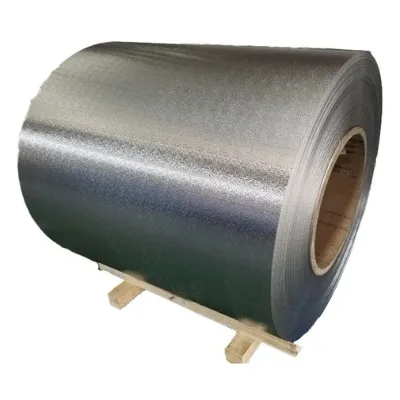
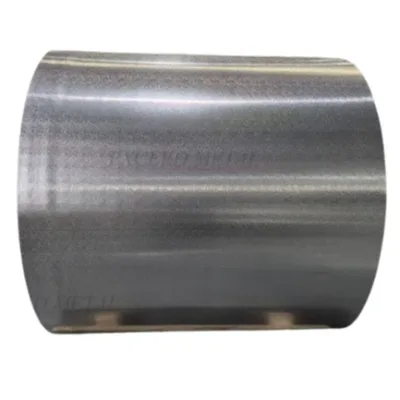


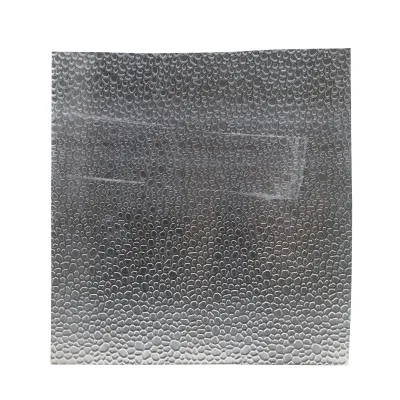

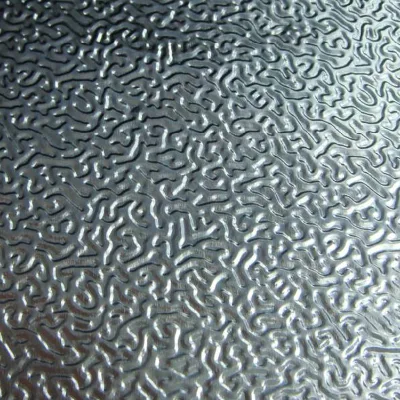

1050 H14 Orange Peel Pattern Stucco Embossed Aluminum Coil for Refrigerator
$1500.00 - $2000.00
MOQ: 1500 Tons


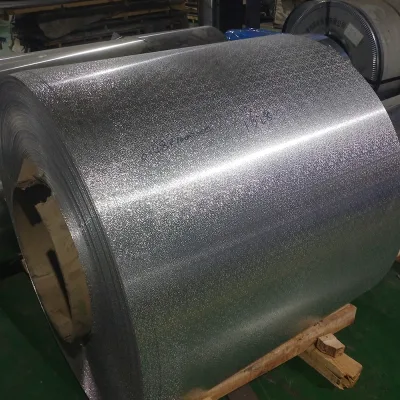
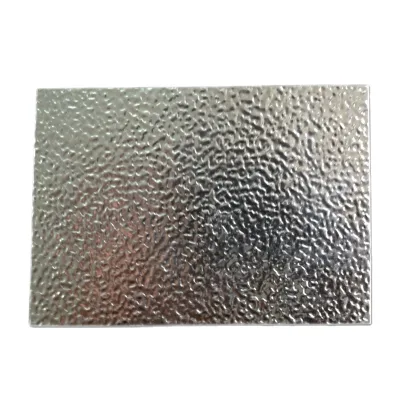
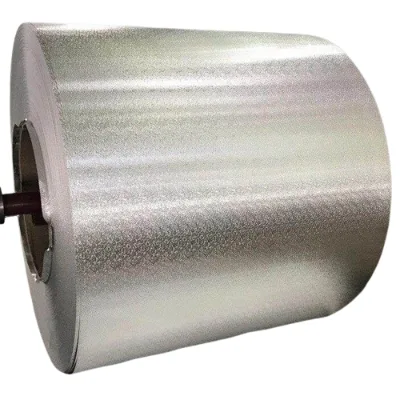


Comprehensive Sourcing Guide
RoHS Stucco Aluminum for Freezer Sourcing Guide
Procuring RoHS Stucco Aluminum for Freezer applications requires a precise understanding of the specific alloy grades and surface treatments that ensure durability in cold storage environments. The available market data indicates a focus on 1000 Series alloys, specifically 1060, which serve as the base metal for these specialized profiles. Buyers must recognize that these materials are engineered for internal components, such as the inside of freezers and chest freezers, where resistance to moisture and temperature fluctuations is critical. The stucco texture is not merely aesthetic but functional, providing a surface that can withstand the mechanical stresses of freezer door panels and internal shelving without compromising the structural integrity of the appliance.
The sourcing landscape for these materials presents a wide variance in product configurations, ranging from flat sheets to coils, with thicknesses observed between 0.2mm and 1.5mm. This variability means that a single procurement strategy cannot cover all freezer manufacturing needs; instead, buyers must align their specific design requirements with the available product forms. Whether the application demands a 0.4mm profile for a specific door panel or a thicker coil for structural reinforcement, the verification of the exact thickness and width specifications is the first step in ensuring the material fits the production line. The observed presence of both standard export packing and wooden box packaging suggests that logistics planning must account for different protection levels depending on the order volume and destination.
Product Scope and Observed Listing Signals
The product scope for rohs stucco aluminum in the freezer sector is defined by its dual role as a structural and decorative element. Listings frequently highlight the "Decoration Aluminium Profile" classification, indicating that these materials are often used for visible interior surfaces where a clean, white color or anodized finish is desired. The observed data confirms that the surface treatment includes both stucco and embossing processes, with specific thicknesses noted for the embossing layer at 120 micrometers. This specific texturing is essential for hiding minor scratches and fingerprints, a common requirement for high-traffic freezer interiors. Buyers should verify that the listed "Stucco" finish matches the intended tactile and visual requirements of their specific appliance model, as the texture depth can vary significantly between suppliers.
Commercial signals in the market reveal a broad range of customization options and delivery timelines that directly impact procurement planning. The availability of customization suggests that suppliers can tailor the alloy temper, such as O-H112, H18, or H26, to meet specific forming requirements for freezer doors and panels. However, the observed delivery time of 30 days indicates a standard lead time that buyers must incorporate into their production schedules. The presence of multiple width specifications, including 513mm, 698mm, and broader ranges up to 2000mm, signals that the market supports both standard appliance dimensions and custom engineering projects. Procurement teams must carefully match their design blueprints to these observed width and thickness ranges to avoid costly material waste or production delays.
Technical Specifications to Verify
Verifying the technical specifications of rohs stucco aluminum is paramount to ensuring the longevity of the freezer unit. The base metal is consistently identified as 1060 Aluminum Alloy, a grade known for its high purity and excellent corrosion resistance, which is vital for the humid environment inside a refrigerator or freezer. Buyers must confirm the temper condition, as the observed data lists O-H112, H18, and H26, each offering different levels of hardness and formability. Selecting the correct temper is a critical decision that affects how the material behaves during the stamping or bending processes used to create freezer doors and internal liners. A mismatch in temper can lead to cracking during manufacturing or premature failure in service, making this a non-negotiable verification point.
Surface treatment and coating thickness are equally critical technical parameters that define the performance of the aluminum in a freezer environment. The observed data specifies a top-side coating thickness of 25 micrometers and a backside coating of 7 micrometers, with some listings noting a stucco thickness of 15 micrometers. These layers are essential for protecting the aluminum from the corrosive effects of condensation and the mechanical wear of daily use. Buyers should also verify the coating type, as the market offers PE, PVDF, Feve, and Nano options, each with different durability and weathering characteristics. Ensuring that the coating system matches the specific climate type, such as ST (Subtropical), is necessary to guarantee that the appliance performs reliably in various global markets.
Compliance and Safety Documentation
Compliance with international safety and environmental standards is a mandatory requirement for sourcing aluminum components for household appliances. The observed product listings consistently reference CE, ISO, and RoHS certifications, which are essential for exporting freezer components to major markets in Europe and Asia. RoHS compliance specifically ensures that the aluminum and its coatings do not contain restricted hazardous substances, a critical factor for consumer safety and regulatory adherence. Buyers must request and verify the actual certification documents for each batch, as the presence of these marks on a listing does not guarantee that every specific product variant meets the current regulatory thresholds. The inclusion of CCC certification in some listings further indicates compliance with Chinese national standards, which may be required for domestic sales or specific export destinations.
Beyond environmental compliance, the documentation must address the safety and performance standards relevant to the appliance's operation. The observed data mentions standards such as "sheet" and "In coils," which define the physical form of the material but do not replace the need for specific product safety certifications. Buyers should ensure that the supplier provides test reports confirming the material's suitability for the intended application, such as the "Inside of The Freezer" or "Chest Freezer" usage. The "Double-Temperature" and "Auto Defrost" attributes of the target appliances imply that the aluminum must withstand thermal cycling without degrading. Procurement teams must verify that the supplier's quality documentation explicitly covers these thermal and mechanical stress tests to mitigate the risk of product failure in the field.
Cost Drivers and Commercial Terms
The cost of rohs stucco aluminum is driven by a complex interplay of raw material prices, processing complexity, and logistical requirements. The observed MOQ range of 1 to 5000 units suggests that the market accommodates both small-batch prototyping and large-scale industrial production, but the unit price will fluctuate significantly based on volume. The specific alloy grade, 1060, and the surface treatments, including stucco and embossing, add processing costs that are passed on to the buyer. Additionally, the choice between coil and sheet formats impacts the cost structure, as coils are often more economical for high-volume continuous production, while sheets may be preferred for smaller, custom orders. Buyers must analyze the total cost of ownership, including the efficiency of material usage based on the observed width ranges of 300mm to 2000mm.
Commercial terms regarding delivery and packaging are critical factors that influence the overall procurement budget and supply chain reliability. The observed delivery time of 30 days is a standard benchmark, but buyers should negotiate specific timelines based on their production schedules and the complexity of the order. The packaging options, ranging from "Standard Export Packing" to "Packed in Wooden Box," represent a significant cost variable that must be factored into the final price. Wooden box packaging offers superior protection for delicate stucco surfaces but incurs higher material and shipping costs. Furthermore, the coil weight of 2-3 tons and the coil ID of 405 or 505mm are logistical constraints that affect shipping efficiency and handling requirements, necessitating careful coordination with freight forwarders to optimize costs.
Supplier Qualification and Quality Control
Qualifying a supplier for rohs stucco aluminum requires a rigorous assessment of their manufacturing capabilities and quality control systems. The observed origin of Anhui, China, indicates a concentration of aluminum processing facilities in this region, but buyers must verify the specific factory's capacity to produce the required 1000 Series alloys with the precise stucco and embossing textures. Quality control should extend beyond the final product to include the raw material sourcing and the coating application process. Buyers should request evidence of the supplier's ability to maintain consistent coating thicknesses, such as the observed 25um top-side and 7um backside layers, across large production runs. Inconsistent coating application can lead to premature corrosion or aesthetic defects that compromise the freezer's marketability.
The supplier's ability to handle customization and maintain strict adherence to specifications is another key qualification metric. The observed availability of customization suggests that suppliers can adapt to specific design needs, but this flexibility must be balanced with rigorous quality assurance. Buyers should implement a quality control protocol that includes pre-production samples and in-process inspections to verify the alloy temper, surface texture, and coating adhesion. The "Built-in" installation type and "Single Door" or "Bottom-Freezer" configurations imply that the material must meet precise dimensional tolerances. A qualified supplier will demonstrate a track record of meeting these tolerances and providing the necessary documentation to support the buyer's own quality assurance processes.
Long-Term Procurement Checks
Establishing a long-term procurement strategy for rohs stucco aluminum involves regular audits of supplier performance and market trends. Buyers should conduct periodic reviews of the supplier's ability to maintain the observed certifications, such as CE, ISO, and RoHS, as regulatory landscapes can change rapidly. The stability of the supply chain is also critical, given the 30-day lead time and the potential for raw material price volatility. Long-term contracts should include clauses that address price adjustments based on aluminum market indices and ensure that the supplier can scale production to meet fluctuating demand without compromising quality. Regular site visits and third-party audits can help verify that the supplier's quality control systems remain robust over time.
Continuous monitoring of product performance in the field is essential for validating the long-term viability of the chosen aluminum specifications. Buyers should track any reports of coating failure, corrosion, or texture degradation in the freezer units to ensure that the material continues to meet the "Double-Temperature" and "Auto Defrost" requirements. The observed application in "Home Refrigerator & Freezer" units means that the material is subject to rigorous consumer expectations regarding appearance and durability. By maintaining a feedback loop with the supplier and the end-users, procurement teams can proactively address any issues and adjust specifications as needed. This proactive approach ensures that the supply chain remains resilient and that the final products continue to meet the high standards expected in the global appliance market.
FAQs
What certifications do the aluminum profiles have?
The aluminum profiles carry CE, ISO, and RoHS certifications. Some listings also include CCC certification. These standards ensure the material meets international safety and environmental requirements for freezer applications.
Can I customize the stucco aluminum for freezers?
Yes, customization is available for these aluminum products. Buyers can request specific dimensions or surface treatments to match their freezer designs. This flexibility supports unique manufacturing needs for home refrigerators and freezers.
What is the delivery time for these aluminum coils?
The standard delivery time is 30 days for these orders. This lead time applies to the supply of stucco aluminum coils used in freezer manufacturing. Buyers should plan their production schedules accordingly to ensure timely receipt.
Which thickness options are available for the aluminum sheets?
Available thickness ranges from 0.2mm to 1.5mm depending on the specific product listing. Some profiles are specified at 0.4mm thickness. This range allows selection based on the structural requirements of the freezer interior.
How is the aluminum packed for export?
The products are packed in wooden boxes or standard export packages. This packaging ensures protection during international shipping. The packing method is designed to prevent damage to the stucco surface and aluminum coils during transit.
What is the base metal used for these freezer components?
The base metal is 1060 Aluminum Alloy, which belongs to the 1000 Series. This alloy offers excellent corrosion resistance and formability. It is suitable for the inside of freezers and home refrigerator applications.
What surface treatments are applied to the aluminum?
The surface treatment includes stucco and embossing finishes. Some products feature a topside coating thickness of 25um and a backside coating of 7um. These treatments enhance durability and aesthetic appeal for freezer interiors.