Source Roll On Bottle for Skincare, Serums, and Aromatherapy
Compare 30 Roll On Bottle options from verified manufacturers. Buyers can evaluate materials like plastic and glass, volumes from 3ml to 10ml, and customization features for skincare, serums, and aromatherapy applications; compare the available evidence and request quotations based on your requirements.
Key considerations
Products List
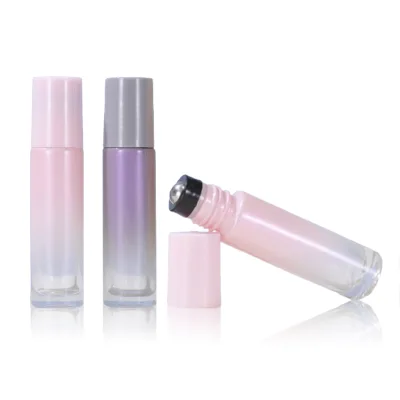
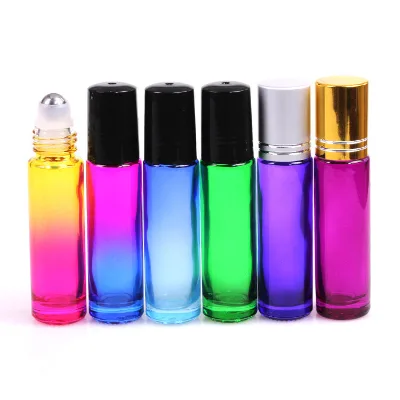


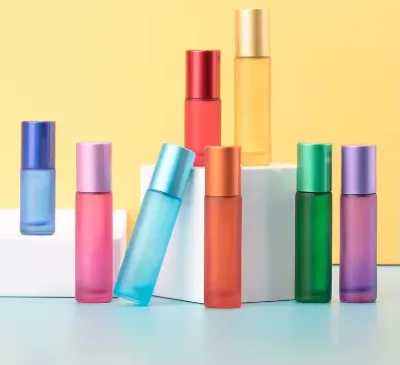


High Quality Plastic Roll on Bottle for Convenient and Mess-Free Application
$0.10 - $0.11
MOQ: 5000 Pieces


Modern Roll on Bottle for Convenient and Mess-Free Oil& Fragrance Application
$0.10 - $0.11
MOQ: 5000 Pieces
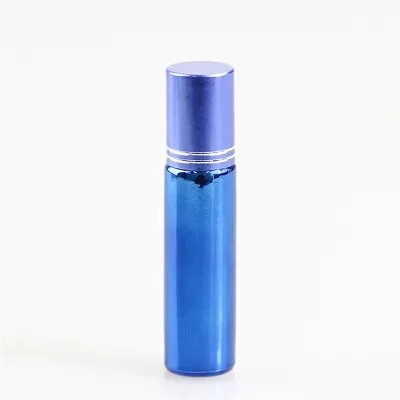
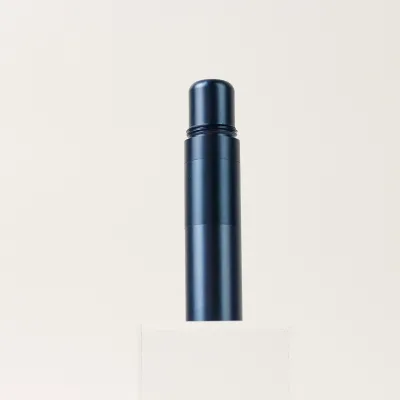

Roll on Glass Bottle Amber Roll on Bottle Refillable Glass Essential Oil Roll on Bottle 6ml
$0.18 - $0.19
MOQ: 5000 Pieces

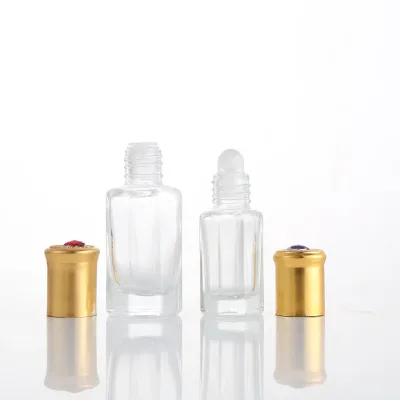
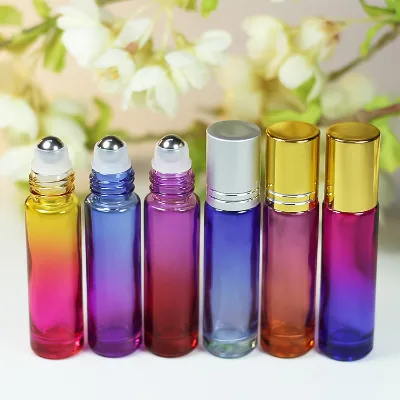


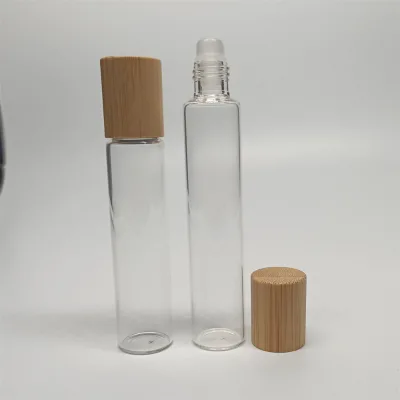
Hot Sale 10ml Roll on Glass Bottle With Roller and Bamboo Wooden Cap Lid
$0.30 - $0.32
MOQ: 10000 pieces
Comprehensive Sourcing Guide
Roll On Bottle Sourcing Guide
Sourcing roll-on bottles requires careful attention to material compatibility, closure mechanics, and customization capabilities. These containers are widely used for serums, essential oils, and personal care products due to their precise application and leak-resistant design. Buyers must distinguish between plastic and glass variants, as each offers distinct advantages in weight, durability, and chemical resistance. Understanding these material differences is the first step in selecting the right packaging for your specific product formulation.
The market offers a variety of volumes, commonly ranging from 3ml to 10ml, with options for custom colors and branding. Key features often include stainless steel roller balls, such as 304 grade, which ensure smooth application and hygiene. Suppliers may provide free samples for stock items, but customized orders typically involve lead times of around 35 to 40 days. Evaluating these operational details helps buyers align their procurement timelines with production schedules and market launch requirements.
Product Scope and Observed Listing Signals
The observed product range includes roll-on bottles in volumes of 3ml, 5ml, and 10ml, constructed from both plastic and glass materials. Listings indicate a price range of $0.05 to $7.00 USD, with minimum order quantities (MOQs) varying significantly from 50 to 20,000 units. This wide MOQ range suggests flexibility for both small-scale testing and large-volume manufacturing runs. Buyers should note that lower MOQs may correspond to higher unit costs or limited customization options, while bulk orders often unlock better pricing and tailored branding services.
Common applications for these bottles include skincare products, serums, aromatherapy oils, and perfumes. The closures are primarily roll-on types, featuring stainless steel balls for controlled dispensing, though some variants may use screw caps. Colors available range from standard amber and pink to custom options, with decoration methods like silk printing, hot stamping, and gradient finishes. These visual and functional attributes allow brands to differentiate their products on retail shelves while ensuring the packaging meets the specific needs of viscous or oily formulations.
Technical Specifications to Verify
Verifying the roller ball material is critical for product integrity and user experience. High-quality listings specify 304 stainless steel balls, which offer corrosion resistance and smooth rotation. Buyers should confirm that the ball diameter and fit are appropriate for the bottle neck to prevent leakage or jamming. Additionally, the bottle shape is typically round, designed for ergonomic handling, but the exact dimensions and wall thickness should be checked to ensure compatibility with filling equipment and shelf stability.
The sealing mechanism must be rigorously tested for leak-proof performance, a key selling point for liquid products. While many suppliers claim 100% no leakage, buyers should request physical samples to validate this under various conditions, including temperature changes and inversion. The cap material, often aluminum or plastic, should also be assessed for durability and ease of use. Confirming these technical details prevents post-purchase issues and ensures the packaging performs reliably throughout the product’s shelf life.
Compliance and Safety Documentation
Ensuring that packaging materials comply with relevant safety standards is essential for consumer protection and regulatory adherence. Buyers should verify that the plastic or glass used is food-grade or cosmetic-grade, depending on the product’s intended use. For plastic bottles, confirming the absence of harmful chemicals like BPA is crucial. Suppliers should provide material safety data sheets (MSDS) or certificates of compliance to demonstrate that their materials meet international safety requirements for cosmetic and personal care packaging.
Documentation regarding the roller ball material is equally important. Stainless steel components should be certified as non-toxic and hypoallergenic to prevent skin irritation. Buyers must also ensure that any inks or dyes used for printing or coloring are safe for contact with cosmetic products. Requesting these certifications upfront helps mitigate legal risks and builds consumer trust. Without proper documentation, products may face regulatory hurdles in key markets, leading to delays or recalls.
Cost Drivers and Commercial Terms
Several factors influence the final cost of roll-on bottles, including material choice, volume, and customization level. Glass bottles generally cost more than plastic ones due to higher manufacturing and shipping expenses. Custom colors, logos, and special finishes like hot stamping add to the unit price. Buyers should also consider the MOQ, as larger orders often reduce per-unit costs but require higher upfront capital. Understanding these cost drivers allows for more accurate budgeting and negotiation with suppliers.
Payment terms and lead times are critical commercial considerations. Typical payment methods include telegraphic transfer (TT), and lead times for customized orders can range from 35 to 40 days. Samples may be free for stock items, but customized samples often incur costs and take 7-10 days to produce. Buyers should factor these timelines into their production planning to avoid stockouts. Clear communication about payment schedules and delivery expectations helps prevent misunderstandings and ensures a smooth procurement process.
Supplier Qualification and Quality Control
Evaluating supplier qualifications is vital for ensuring consistent quality and reliable service. Buyers should verify that suppliers have a proven track record in manufacturing cosmetic packaging, with experience in handling roll-on bottles. Checking for relevant certifications, such as ISO standards for quality management, can indicate a supplier’s commitment to quality. Additionally, assessing their production capacity and facility conditions helps determine their ability to meet large orders without compromising on quality or deadlines.
Implementing a robust quality control process is essential to minimize defects. Buyers should request pre-shipment inspections or third-party quality checks to verify product integrity. Key checks include leak testing, roller ball functionality, and print quality. Establishing clear acceptance criteria and communication channels with the supplier ensures that any issues are addressed promptly. A proactive approach to quality control reduces the risk of receiving defective goods and maintains brand reputation.
Long-Term Procurement Checks
Building a long-term relationship with a reliable supplier requires ongoing monitoring and evaluation. Buyers should regularly review supplier performance metrics, such as on-time delivery rates, defect rates, and responsiveness to issues. Maintaining open communication and providing feedback helps foster a collaborative partnership. Regularly reassessing supplier capabilities ensures they can meet evolving business needs, such as new product launches or increased order volumes.
Staying informed about market trends and regulatory changes is also crucial for long-term success. Buyers should monitor advancements in packaging materials and technologies that could offer cost savings or improved functionality. Additionally, keeping an eye on supply chain risks, such as material shortages or geopolitical issues, helps in developing contingency plans. By proactively managing these aspects, buyers can ensure a stable and efficient supply of roll-on bottles for their products.
FAQs
What materials are used for roll on bottles?
Roll on bottles are commonly made from plastic or glass. The roller ball itself is typically constructed from 304 stainless steel to ensure durability and hygiene during application of skincare products, serums, or essential oils.
Which customization options are available for these bottles?
Customization is available for color, logo, and shape. Buyers can choose custom colors like pink or amber, and logos can be applied via silk printing or hot stamping. The bottle shape is generally round to suit various cosmetic applications.
How long is the lead time for customized orders?
The lead time for customized orders is approximately 35 to 40 days. This duration accounts for the production process required to meet specific customization requests such as unique colors, logos, or specific volume capacities like 5ml or 10ml.
Can I get free samples before placing a bulk order?
Free samples are available in stock for immediate testing. However, custom samples may incur costs and require 7 to 10 days for preparation. This allows buyers to verify quality before committing to larger quantities with specific customization needs.
What is the minimum order quantity for these bottles?
The minimum order quantity ranges from 50 to 20,000 units depending on the specific product configuration. Standard items may have lower thresholds, while highly customized orders with specific colors or logos often require higher volumes to justify production setup.
How are the bottles sealed to prevent leakage?
The bottles utilize a roll-on sealing type with a roll-on cap to ensure a secure closure. This design is engineered to provide a 100% no leakage guarantee, making them suitable for transporting liquids like perfumes, hair oils, and medicines safely.