Source Roll-On Nail Oil for Cuticles, Nails, and Skin Care
Find 30 roll-on nail oil options from verified suppliers. Compare herbal formulas, vitamin E content, and OEM capabilities for cuticle care, nail art, and dry skin treatment.
Key considerations
Products List


Fresh Herbal Roll on Oil Formula Bring Comfortable Keep Health Anywhere
$0.10 - $0.21
MOQ: 10000 Pieces

Headache Essential Oil Roll on Helps Ease Tension Natural Option Roller
$0.10 - $0.21
MOQ: 10000 Pieces
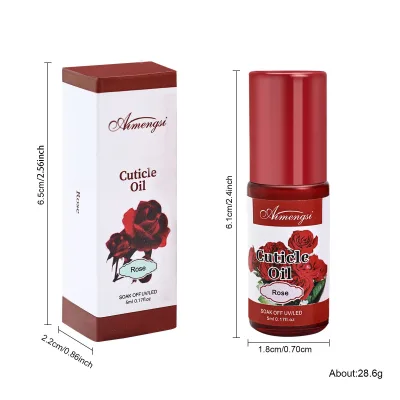
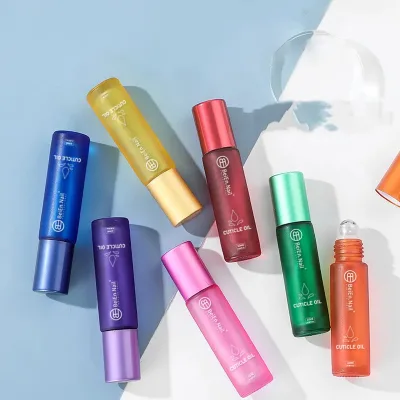


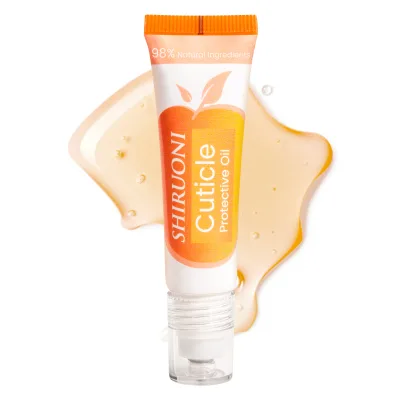




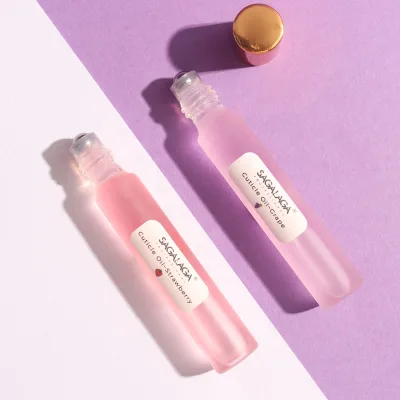
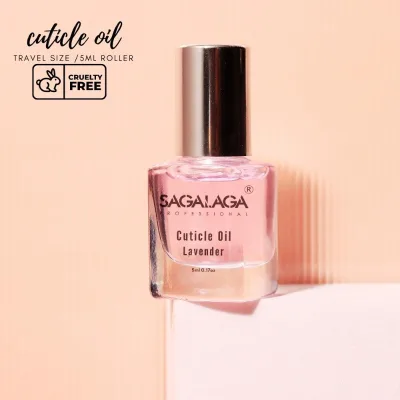
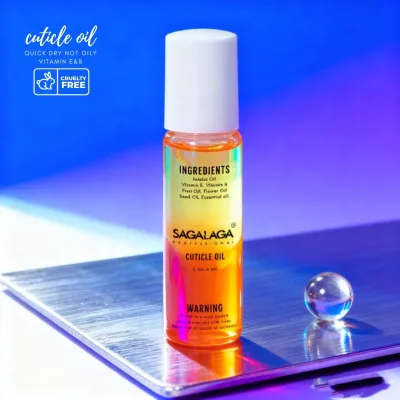
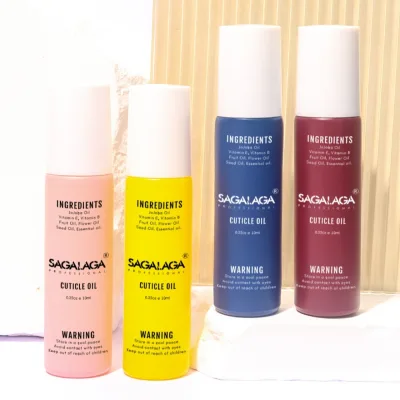
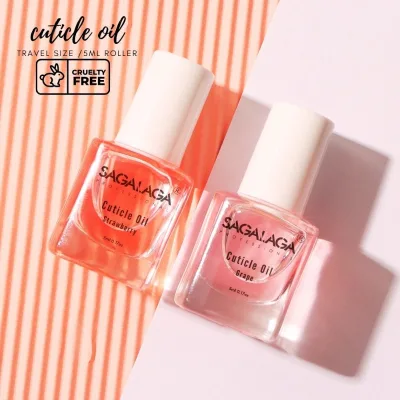
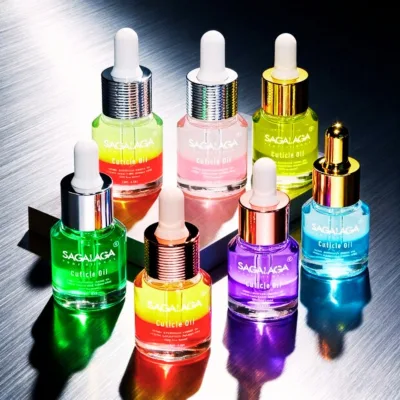
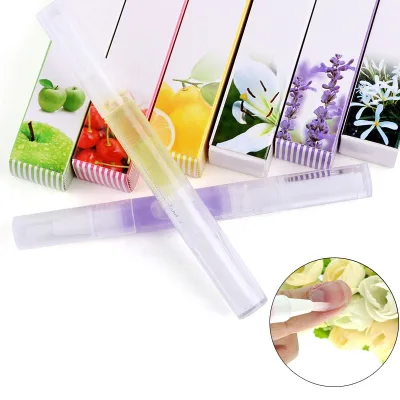
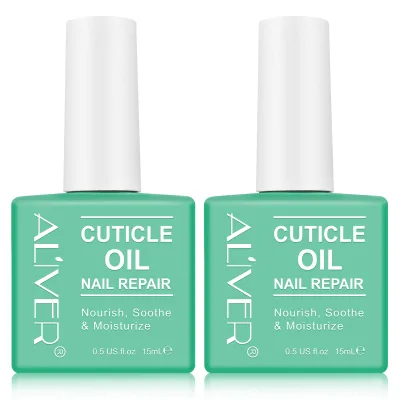

Glass Leak-Proof Roll On 10ml Nail Care Essential Oils Glass Rollerball Bottle
$0.25 - $0.60
MOQ: 20000 Pieces

Comprehensive Sourcing Guide
Roll-On Nail Oil Sourcing Guide
Sourcing roll-on nail oil requires a nuanced understanding of the intersection between cosmetic formulation, delivery mechanism engineering, and private label customization. This guide provides evidence-based procurement strategies for buyers seeking to source high-quality cuticle and nail care oils, focusing on verified product attributes, technical specifications, and commercial realities observed in the current market. The following sections detail the critical decision points for establishing a reliable supply chain for these specialized beauty products.
Product Scope and Observed Listing Signals
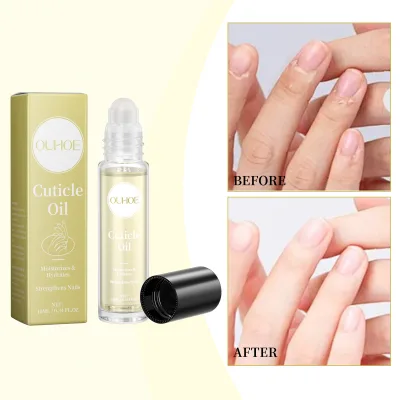
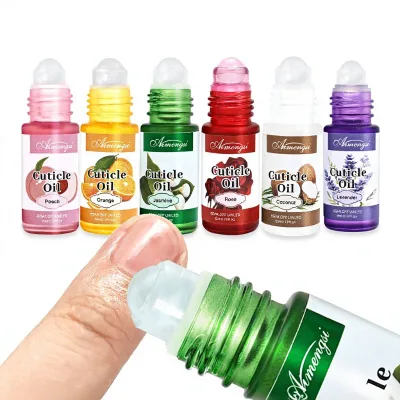
The market for roll-on nail oils encompasses a variety of formulations designed to hydrate dry cuticle skin and improve nail health through targeted application. Observed product listings indicate a strong preference for herbal and natural ingredients, with common components including Vitamin E, fruit extracts, and flower essences. These ingredients are selected for their moisturizing and nourishing properties, addressing specific consumer needs such as dryness or brittleness. The format is consistently described as a nutrient oil, often featuring distinct flavor profiles such as orange, coconut, rose, peach, jasmine, and lavender, which serve both aesthetic and sensory purposes to enhance the user experience.
Listing signals also reveal a significant emphasis on customization and branding capabilities among suppliers. Many manufacturers offer OEM (Original Equipment Manufacturer) and ODM (Original Design Manufacturer) services, allowing buyers to create private label products with customized logos, scents, and packaging. The observed product names range from generic descriptors like "Roll-On Cuticle Oil" to branded items such as "JiaYi" or "BeiEn," indicating a diverse supplier base. Additionally, the presence of related products like medicinal oils and heat roll-ons suggests that many suppliers operate in the broader personal care and therapeutic oil sector, potentially offering synergistic sourcing opportunities for buyers looking to expand their product portfolio.
Technical Specifications to Verify
When evaluating roll-on nail oil products, buyers must verify the physical specifications of the packaging and the delivery mechanism. The standard volume for these products typically ranges from small trial sizes to more substantial containers, with observed sizes including 5ml, 10ml, and larger options up to 100ml for related oil products. The packaging format is predominantly a single bottle, often accompanied by specific dimensions such as 10x3x3 cm or 2.3x2.3x5.4 cm for individual units. It is crucial to confirm the type of applicator, which is usually a rollerball or dropper mechanism, as this directly impacts the precision of application and the user's perception of product quality.
Material composition and structural integrity are also key technical factors. The bottles are often made from materials compatible with essential oils and vitamin E formulations, ensuring that the container does not degrade or react with the contents. Buyers should verify the single gross weight, which has been observed around 0.029 kg for smaller units, to calculate accurate shipping costs and logistics planning. Furthermore, the pattern of the bottle, such as square or round designs, and the presence of specific model numbers like "JY209" or "Roll On Cuticle Oil," should be documented to ensure consistency in future orders and to facilitate precise reordering.
Compliance and Safety Documentation
Safety and regulatory compliance are paramount when sourcing cosmetic and personal care products. Buyers must request comprehensive documentation from suppliers to ensure that the products meet international safety standards. Observed certifications include MSDS (Material Safety Data Sheet), ISO, CE, and COA (Certificate of Analysis), which provide evidence of quality control and safety testing. These documents are essential for verifying that the ingredients, such as herbal extracts and vitamins, are used in safe concentrations and that the final product is free from harmful contaminants.
In addition to certifications, buyers should verify the origin of the products, which has been observed in regions like Zhejiang and Guangdong in China. Understanding the manufacturing location helps in assessing the regulatory environment and the supplier's adherence to local and international standards. It is also important to confirm that the product labeling includes accurate ingredient lists, usage instructions, and batch numbers, which are critical for traceability and recall management. Buyers should ensure that the supplier provides clear information on the product's intended use, such as for dry cuticle skin, to avoid mislabeling issues in target markets.
Cost Drivers and Commercial Terms
The cost of roll-on nail oil is influenced by several factors, including the quality of ingredients, packaging complexity, and order volume. Observed price ranges in the market vary significantly, reflecting differences in formulation sophistication and brand positioning. Buyers should be aware that customization options, such as private labeling and custom scents, may incur additional costs. The MOQ (Minimum Order Quantity) is another critical commercial term, with observed values ranging from small quantities like 60 pieces to larger bulk orders up to 20,000 pieces. Understanding these thresholds is essential for budgeting and inventory management.
Packing details also impact the overall cost and logistics. Products are typically packed in cartons, with configurations such as 48 pieces per carton or 96 pieces per carton for larger volumes. Buyers should negotiate clear terms regarding packaging materials and methods to prevent damage during transit. Additionally, the availability of OEM/ODM services suggests that buyers can leverage these options to optimize costs by selecting standard formulations with custom branding rather than developing entirely new products from scratch. Clear communication regarding payment terms, lead times, and shipping responsibilities is vital to avoid unexpected expenses.
Supplier Qualification and Quality Control
Selecting a reliable supplier involves rigorous qualification and quality control processes. Buyers should verify the supplier's production capabilities, including their ability to handle customization requests and maintain consistent product quality. The observed acceptance of customized logos and OEM/ODM services indicates that many suppliers are flexible, but buyers must ensure that these capabilities are backed by robust quality assurance systems. Requesting samples before placing bulk orders is a critical step to evaluate the product's texture, scent, and applicator functionality.
Quality control should extend to the manufacturing process, with buyers requesting information on batch testing and quality checks. Suppliers should be able to provide evidence of their adherence to standard operating procedures and their ability to maintain product consistency across different production runs. It is also advisable to conduct periodic audits or third-party inspections to verify that the supplier's facilities meet hygiene and safety standards. Building a long-term relationship with a supplier who demonstrates transparency and commitment to quality can significantly reduce risks and ensure a steady supply of high-quality roll-on nail oils.
Long-Term Procurement Checks
Establishing a sustainable procurement strategy requires ongoing monitoring and evaluation of supplier performance. Buyers should regularly review key performance indicators such as on-time delivery, product quality, and responsiveness to issues. Maintaining open communication channels with suppliers allows for timely resolution of any problems and fosters a collaborative partnership. It is also important to stay updated on market trends and consumer preferences, as these factors can influence product demand and formulation requirements.
Long-term procurement checks should include periodic reassessment of the supplier's compliance status and certification validity. Buyers should ensure that the supplier continues to meet regulatory requirements in their target markets and adapts to any changes in legislation. Additionally, exploring opportunities for product innovation, such as new flavors or enhanced formulations, can help maintain a competitive edge. By implementing a structured approach to supplier management and quality assurance, buyers can secure a reliable supply of roll-on nail oils that meet their business objectives and customer expectations.
FAQs
What customization options are available for roll-on nail oil?
Customization is available for this product, allowing buyers to request specific branding or formulations. Suppliers accept OEM and ODM requests, enabling tailored solutions for private label needs. This flexibility supports diverse market requirements while maintaining product quality standards.
Which certifications do roll-on nail oil manufacturers typically hold?
Manufacturers often hold certifications such as MSDS, ISO, CE, and COA to ensure product safety and quality. These documents verify compliance with international standards and provide assurance for bulk buyers. Buyers should verify specific certificates during the sourcing process to meet regulatory requirements.
How is the roll-on nail oil packaged for shipment?
The product is commonly packed in cartons with specific quantities per unit, such as 48 or 96 pieces. Individual packaging may include 5ml bottles or similar formats depending on the model. This standardized packing facilitates efficient logistics and inventory management for wholesale orders.
Can I order roll-on nail oil with a custom logo?
Yes, a customized logo is acceptable for this product, supporting private label strategies. Buyers can request branding on the packaging or the product itself to enhance brand visibility. This service is typically part of the OEM/ODM capabilities offered by suppliers.
What are the standard volume options for roll-on nail oil?
Standard volume options include sizes like 3ml, 6ml, 7ml, 9ml, 15ml, 50ml, and 100ml. Some models also offer weights ranging from 10g to 250g. These variations allow buyers to select the most suitable size for their specific retail or distribution channels.
Where are roll-on nail oil products typically manufactured?
Products are typically made in China, with origins noted in regions like Zhejiang and Guangdong. This location provides access to established manufacturing networks and supply chains. Buyers should confirm the specific place of origin to align with their sourcing preferences.
What ingredients are commonly used in roll-on nail oil?
Common ingredients include herbal extracts, Vitamin E, and various fruit or flower scents. Some formulations feature menthol for added benefits. The specific composition depends on the product type, such as cuticle oil or medicinal oil, ensuring suitability for different skin needs.