Source Round Brilliant Cut Necklace Pendant for Engagement, Party, Wedding
Explore 30 listings for the Round Brilliant Cut Necklace Pendant, featuring options in silver, gold, and stainless steel suitable for women and children. Buyers can compare customization, plating, and shipping details from suppliers in Zhejiang, China.
Key considerations
Products List


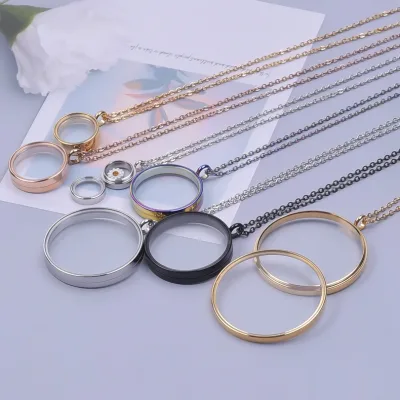


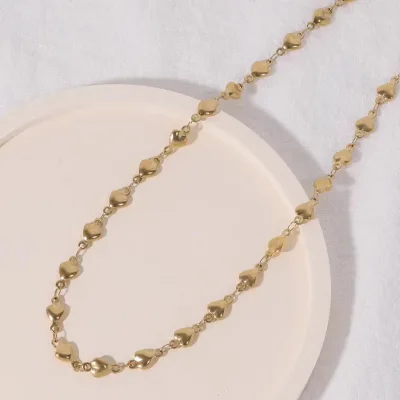


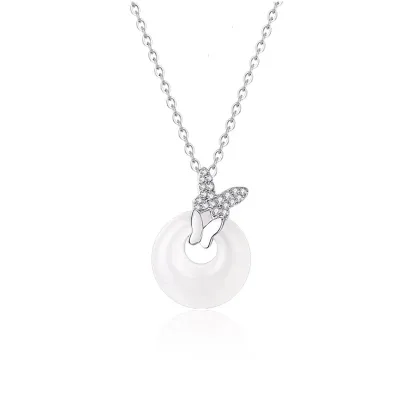
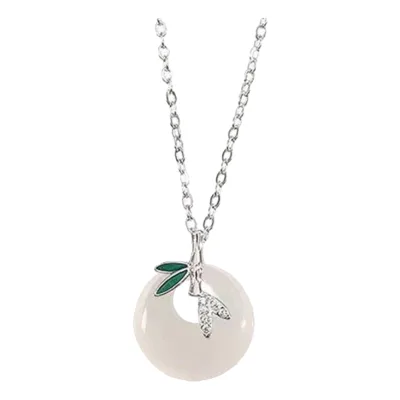


Comprehensive Sourcing Guide
Strategic Sourcing Guide for Round Brilliant Cut Necklace Pendants
The global market for jewelry components, specifically round brilliant cut necklace pendants, presents a complex landscape for B2B procurement professionals. Sourcing these items requires a rigorous understanding of material composition, plating technologies, and certification standards to ensure that the final product meets both aesthetic expectations and regulatory compliance. This guide synthesizes available market data and industry standards to provide a structured approach for buyers evaluating potential suppliers for round brilliant cut pendants. The focus remains on evidence-based criteria, ensuring that procurement decisions are grounded in verifiable facts rather than speculative marketing claims.
Technical Specifications and Material Composition
When evaluating round brilliant cut pendants, the primary technical differentiator lies in the material composition and the specific dimensions of the cut. The supplied data indicates a diverse range of materials available in the current market, including Alloy, Pearl, Stainless Steel, and 925 Sterling Silver. Each material carries distinct implications for durability, weight, and end-user perception. For instance, Stainless Steel offers high corrosion resistance and a modern aesthetic, often paired with gold or silver plating, while 925 Sterling Silver provides a premium feel and is frequently associated with high-end jewelry lines. Alloy materials are common for fashion-forward designs but require careful quality control regarding plating adhesion.
Dimensions are equally critical in the specification phase. The observed market data highlights specific length parameters for chains and pendants, with lengths of 45cm and 60cm being prominent standards. However, the physical dimensions of the pendant itself, such as the standard size of 5.7x1.0cm, must be verified against the specific design requirements of the buyer. The "round brilliant cut" designation implies a specific facet arrangement designed to maximize light reflection, which must be consistent across the batch. Buyers should verify that the "Pendant Shape" aligns with the "Round" attribute, noting that some listings may also feature "Square" shapes, requiring strict filtering to ensure the correct geometry. Weight is another observable specification, with items recorded at approximately 20 grams, a factor that influences shipping costs and perceived value.
Compliance, Certification, and Safety Standards
In the international jewelry trade, compliance is not merely a formality but a prerequisite for market access, particularly in major regions like Europe, North America, and Russia. The supplied facts explicitly mention certifications from SGS, BV, and Intertek, which are third-party verification bodies. These certifications are essential for validating that the products meet international safety and quality benchmarks. Buyers must ensure that the supplier can provide valid, up-to-date certificates for every batch, specifically focusing on material safety.
A critical area of compliance is the chemical composition of the jewelry. The data confirms that many suppliers offer products that are Lead Free, Nickel Free, and Cadmium Free. These attributes are non-negotiable for markets with strict regulations regarding heavy metals, such as the European Union's REACH regulation and the US Consumer Product Safety Improvement Act (CPSIA). The "Eco-Friendly" designation in the product attributes reinforces the need for suppliers to adhere to these environmental and health standards. Furthermore, the "Quality Standard" is noted as the "Us Standard," which serves as a baseline for manufacturing consistency, though buyers should verify if this aligns with specific local regulations in their target market.
Cost Drivers and Pricing Structures
Understanding the cost structure of round brilliant cut pendants is vital for maintaining healthy profit margins. The observed price range in the market spans from $0.50 to $110.47 USD, a variance that reflects the significant differences in material quality, plating thickness, and brand positioning. The lower end of the spectrum typically corresponds to alloy-based products with standard plating, while the higher end is associated with 925 Sterling Silver and high-quality plating such as rhodium.
Several factors drive these costs. The material cost is the most significant variable; 925 Sterling Silver commands a premium over alloy or stainless steel. Plating technology also plays a role, with options like "Copper with rhodium plated" or "Gold, Copper, Silver" plating affecting the final price. The complexity of the "round brilliant cut" itself, which requires precise machining to ensure light performance, adds to the manufacturing cost. Additionally, customization services, which are listed as "Available" and "Acceptable" via OEM/ODM, introduce variable costs based on the complexity of the design and the minimum order quantity (MOQ). The MOQ range observed is 1 to 1000 units, allowing for flexibility but also influencing the unit price; higher volumes generally yield lower per-unit costs.
Typical Applications and Market Segmentation
The versatility of round brilliant cut pendants allows them to serve a wide array of applications, from everyday fashion to significant life events. The data indicates that these products are suitable for "Engagement, Gift, Party, Wedding, Other, and Halloween." This broad applicability suggests that buyers should not limit their sourcing strategy to a single niche. The "Style" is consistently described as "Fashion," appealing to a demographic that values trend-driven designs.
Target markets are clearly identified as Europe, North America, and Russia. These regions have high demand for jewelry that balances aesthetic appeal with safety standards. The "Suitable for" attribute lists "Female" as the primary demographic, though some products are also marked as suitable for "Children" and "Male," indicating a potential for unisex or family-oriented product lines. The "Usage" is primarily "Decoration," emphasizing the aesthetic function of the item. Buyers should align their sourcing with the specific needs of these markets, ensuring that the "Design" is "Fashionable" and meets the cultural expectations of the target region.
Supplier Evaluation and Operational Capabilities
Selecting the right supplier requires a thorough evaluation of their operational capabilities and logistical readiness. The supplied information highlights that suppliers are located in Zhejiang, China, a major hub for jewelry manufacturing. Key operational metrics to verify include the "Sample Time," which is noted as 3 days for stock items and 15 days for customized orders. This turnaround time is crucial for maintaining inventory levels and responding to market trends.
Logistics and shipping methods are another critical evaluation point. Suppliers typically utilize major carriers such as DHL, UPS, and TNT, with options for agent-based shipping. The "Shipment" and "Shipping Method" attributes confirm the availability of these services, but buyers must verify the reliability and cost-effectiveness of these channels for their specific destination. Packaging is also a factor; the data mentions "Each One with OPP Bag" and "Packed by OPP Bag Then Into Carton," which protects the product during transit but may require additional branding or retail-ready packaging solutions. Payment terms, including T/T and Paypal, are standard, but the specific terms should be negotiated to align with the buyer's cash flow requirements.
Quality Control and Long-Term Procurement Considerations
Quality control (QC) is the backbone of a successful procurement strategy. Given the range of materials and plating options, consistent QC is essential to prevent issues such as plating peeling, color fading, or dimensional inconsistencies. The "Quality" attribute is described as "High-End," but this is a claim that must be validated through rigorous inspection protocols. Buyers should implement a QC plan that includes visual inspections for the "Round" shape and "Brilliant Cut" facets, as well as chemical testing for the "Lead Free, Nickel Free, and Cadmium Free" claims.
Long-term procurement considerations involve building a sustainable relationship with suppliers who can scale production. The "Advantage" of "Competitive Factory Price" and "High Quality" suggests that suppliers are positioned to offer value, but this must be maintained over time. The "OEM/ODM" capability allows for customization, which is a key differentiator in a competitive market. Buyers should assess the supplier's ability to handle large volumes, given the observed MOQ of up to 1000 units, and their flexibility in adapting to design changes. The "Standard" of 5.7x1.0cm and the "Model" numbers (e.g., YX15477, MP0556) serve as reference points for consistency, but buyers should ensure that these standards are strictly enforced during production.
Comparative Analysis of Product Attributes
To facilitate decision-making, the following table summarizes the key attributes observed in the market for round brilliant cut pendants. This comparison highlights the variability in materials, plating, and dimensions that buyers must navigate.
| Attribute Category | Observed Options | Procurement Implication |
|---|---|---|
| Material | Alloy, Pearl, Stainless Steel, 925 Sterling Silver | Determines cost, durability, and target market segment. |
| Plating | Gold, Silver, Copper, Rhodium, Mixed (e.g., Gold/Rhodium) | Affects aesthetic appeal and resistance to tarnishing. |
| Dimensions | Length: 45cm, 60cm; Standard: 5.7x1.0cm | Must match design specifications and chain compatibility. |
| Certification | SGS, BV, Intertek | Essential for regulatory compliance in EU, US, and Russia. |
| Safety | Lead Free, Nickel Free, Cadmium Free | Mandatory for consumer safety and market access. |
| Customization | Available (OEM/ODM) | Allows for brand differentiation and tailored designs. |
| Packaging | OPP Bag, Carton | Impacts shipping protection and retail presentation. |
| Origin | Zhejiang, China | Indicates manufacturing hub and potential lead times. |
Conclusion
Sourcing round brilliant cut necklace pendants requires a balanced approach that considers technical specifications, regulatory compliance, and supplier capabilities. The market offers a wide range of options, from affordable alloy pieces to premium sterling silver designs, each with distinct advantages and challenges. By focusing on verified certifications, clear material definitions, and robust quality control measures, buyers can mitigate risks and ensure a steady supply of high-quality products. The observed data provides a solid foundation for making informed decisions, but continuous verification of supplier claims and adherence to international standards remain paramount for long-term success in this competitive sector.
FAQs
What certifications are available for these pendants?
Products come with SGS, BV, and Intertek certificates to verify quality and safety. These third-party validations ensure compliance with international standards for materials like alloy and sterling silver used in the manufacturing process.
How long does it take to receive custom samples?
Customized samples require 15 days for production, while stock items are ready in just 3 days. This timeline applies to orders where the design or plating requires specific adjustments beyond standard inventory items.
Which materials are used for round brilliant cut pendants?
Common materials include alloy, pearl, stainless steel, and 925 sterling silver. The choice of material affects the weight, durability, and final price, with options ranging from fashion-forward alloy to premium silver designs.
Can I order pendants with specific plating options?
Yes, customization is available for plating in gold, silver, copper, and rhodium. Buyers can select specific finishes like copper with rhodium plating or mixed gold and silver options to match their design requirements.
What is the minimum order quantity for these items?
The minimum order quantity ranges from 1 to 1000 units depending on the supplier and product type. Lower MOQs allow for testing new designs, while larger volumes may secure better pricing for bulk decoration needs.
Are these pendants safe for children and adults?
Many products are suitable for females, children, and males, with safety certifications confirming they are lead-free, nickel-free, and cadmium-free. This ensures the jewelry meets strict health regulations for various user demographics.
How are the pendants packaged for shipping?
Each item is typically packed in an OPP bag, and multiple units are then placed into cartons for protection. This packaging method ensures the jewelry remains secure during transit via DHL, UPS, or TNT shipping methods.