Source Round Button Attaching Sewing Machine for Garments, Bags, and Upholstery
Explore 30 listings for the Round Button Attaching Sewing Machine designed for industrial garment, bag, and upholstery applications. Buyers can compare specifications, prices, and features to find the right equipment for their production needs.
Key considerations
Products List
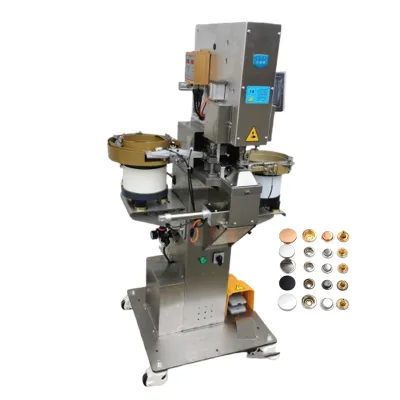
High Quality Snap Button Attaching Machine Jean Button Hole Sewing Machine
$905.88 - $1220.39
MOQ: 1 sets
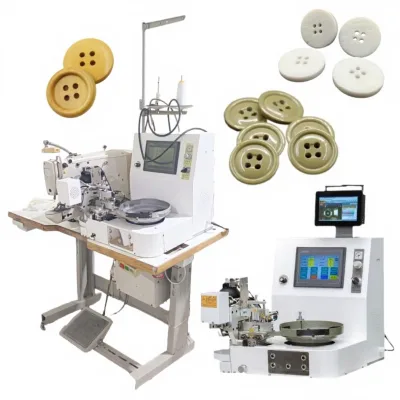


Sewing Machine Automatic Pocket Sewing Machine Pocket Attaching Machine
$9800.00 - $18000.00
MOQ: 1 Pieces
Comprehensive Sourcing Guide
Strategic Sourcing Guide for Round Button Attaching Sewing Machines
The global textile and apparel manufacturing sector relies heavily on automated fastening solutions to maintain production velocity and aesthetic consistency. When sourcing a Round Button Attaching Sewing Machine, buyers must navigate a complex landscape of mechanical specifications, automation levels, and compliance requirements. The market offers a diverse array of equipment ranging from semi-automatic units to fully integrated systems with automatic feeding controls. This guide provides a disciplined approach to evaluating potential suppliers and selecting machinery that aligns with specific operational needs, ensuring that procurement decisions are based on verified attributes rather than marketing assertions.
Technical Specifications and Operational Capabilities
Understanding the technical architecture of a Round Button Attaching Sewing Machine is the first step in the sourcing process. The core components of these machines typically include a high-performance motor and a hydraulic power source, which drive the riveting or sewing mechanisms with precision. Buyers should verify the voltage requirements, as industrial units often support a wide range of inputs including 220V, 380V, 400V, 415V, and 440V, with some models offering customized voltage configurations to match local grid standards.
The operational speed and capacity are critical metrics for production planning. While some high-efficiency models operate at a working speed of approximately 35 times per minute, others designed for high-volume attachment tasks can achieve feeding speeds between 12,000 and 15,000 pieces over an eight-hour shift. The physical dimensions of the machine also vary; for instance, certain heavy-duty riveting models may weigh up to 165 kg, whereas lighter, specialized button sewing units might weigh around 59 kg. The working depth is another crucial specification, with some hydraulic systems offering a depth of 80mm to accommodate thicker materials or larger button assemblies.
Automation levels differ significantly across product lines. Some units are classified as semiautomatic, requiring manual intervention for specific stages, while others feature automatic feeding control systems that significantly reduce labor dependency. For applications requiring high precision, the recognition accuracy of the machine should be evaluated, with top-tier models claiming recognition rates of 99.99%. Additionally, the air pressure requirements for pneumatic components must be compatible with the factory's existing infrastructure, typically ranging from 0.3 to 0.35 Mpa.
Compliance, Certification, and Safety Standards
In the international B2B market, compliance is non-negotiable. Buyers must prioritize machines that carry recognized safety certifications. The CE mark is a prevalent standard observed in the industry, indicating conformity with health, safety, and environmental protection standards for products sold within the European Economic Area. When evaluating a supplier, it is essential to request the machinery test report, which provides empirical data on the machine's performance and safety features.
While general industry standards such as ISO 9001 for quality management and ISO 12100 for safety of machinery are often referenced in broader contexts, buyers should not assume a specific listing possesses these certifications unless explicitly stated in the product documentation. Instead, the procurement strategy should involve a direct request for certification documents. The warranty terms also serve as an indicator of manufacturer confidence; some suppliers offer a standard two-year warranty, while others may list warranty status as unavailable, necessitating a more cautious approach to after-sales support agreements.
Cost Drivers and Pricing Variables
The pricing of round button attaching sewing machines is influenced by a multitude of factors, including the complexity of the automation, the power source, and the materials used in construction. The observed market price range is extensive, spanning from approximately $0.98 to $18,000 USD. This wide variance reflects the difference between basic semi-automatic units and fully automated, high-speed systems with advanced feeding controls.
Power consumption is a significant cost driver. Units with a power rating of 0.75 kW are common for smaller operations, while larger industrial models may require higher power inputs. The material composition of the machine, such as the use of resin, copper, or shell materials for button compatibility, can also impact the final cost. Furthermore, the customization options available, such as specific color requirements or tailored feeding systems, often incur additional charges. Buyers should be aware that the Minimum Order Quantity (MOQ) can vary, with some suppliers offering single-item purchases while others may require orders of up to 50 units.
Typical Applications and Industry Use Cases
Round button attaching sewing machines are primarily designed for industrial use within the garment, leather goods, and upholstery sectors. The versatility of these machines allows them to handle various button materials, including resin, copper, and shell buttons, with diameters typically ranging from 10 to 20 mm. This adaptability makes them suitable for a wide array of products, from heavy-duty denim jackets to delicate silk blouses.
The specific application often dictates the required machine type. For instance, a hydraulic riveting machine might be preferred for attaching heavy-duty snaps or rivets to leather goods, whereas a dedicated button hole sewing machine is essential for creating precise buttonholes in woven fabrics. The "Easy To Operate" feature is a key selling point for facilities aiming to minimize training time and reduce operator error. Whether the process involves attaching buttons or creating buttonholes, the machine must deliver high efficiency to meet modern production demands.
Supplier Evaluation and Geographic Considerations
When evaluating potential suppliers, geographic origin plays a role in logistics and lead times. Major manufacturing hubs for this equipment include regions in China, such as Henan and Zhejiang provinces. Suppliers from these locations often have established supply chains for components like motors and hydraulic systems. Buyers should verify the place of origin to understand the logistical implications, including shipping costs and potential import duties.
The condition of the machine is another critical evaluation criterion. Most reputable suppliers offer new equipment, but buyers must confirm the status of the product. The packaging method, whether wooden cases for heavy machinery or cartons for lighter units, is also a factor in ensuring safe transit. Additionally, the availability of after-warranty services, such as online support, is vital for maintaining operational continuity. A supplier's ability to provide a machinery test report and clear documentation on the model number, such as JW-NK05 or SR-FKJ, demonstrates a level of transparency that buyers should prioritize.
Quality Control and Performance Verification
Ensuring the quality of the machinery before finalizing a purchase requires a rigorous verification process. Buyers should not rely solely on the manufacturer's claims regarding performance metrics. Instead, they should request detailed specifications on the working speed, feeding system accuracy, and the specific power source used. For example, while some machines claim a working speed of 35 times per minute, others may operate at significantly higher rates depending on the configuration.
The recognition accuracy of the feeding system is a key quality indicator, with some models boasting 99.99% accuracy. However, buyers must verify this claim through the provided machinery test report. The weight of the machine, which can range from 59 kg to 165 kg, also correlates with its stability and durability during operation. A heavier machine may offer better vibration damping, which is crucial for maintaining precision over long production runs.
Long-Term Procurement and Maintenance Strategies
Long-term procurement considerations extend beyond the initial purchase price. Buyers should evaluate the warranty period, which can range from two years to being unavailable, and understand the implications for maintenance costs. The availability of spare parts and the quality of after-sales support, such as online assistance, are critical for minimizing downtime.
The customization options available, including color and specific functional requirements, should be aligned with the buyer's long-term production goals. For instance, a customized color might be necessary for brand consistency, while a customized voltage ensures compatibility with local power grids. The delivery time, which can be as short as 7 days for some models, should be factored into the production schedule. By carefully analyzing these factors, buyers can secure a reliable investment that supports their manufacturing objectives for years to come.
Comparative Analysis of Machine Attributes
To facilitate a clearer comparison between different available options, the following table summarizes key attributes observed in the market. This data is derived from product listings and should be used as a reference point for initial screening, with the understanding that specific configurations may vary by supplier.
| Attribute | Option A (Hydraulic Riveting) | Option B (Button Sewing) | Option C (Automatic Attachment) |
|---|---|---|---|
| Machine Type | Hydraulic Riveting Machine | Button Hole Sewing Machine | Automatic Button Hole Attachment |
| Power Source | Hydraulic | Hydraulic | Pneumatic/Hydraulic |
| Voltage | 220V/380V/400V/415V/440V | Customized | Standard Industrial |
| Weight | 165 kg | 59 kg | Variable |
| Working Speed | 35 times/Min | Variable | 12,000-15,000 pcs/8h |
| Feeding System | Automatic Feeding Control | Manual/Semi-Auto | Automatic |
| Warranty | 2 Years | Unavailable | Online Support |
| Certification | Machinery Test Report Provided | CE | CE |
| Origin | Henan, China | Zhejiang, China | Zhejiang, China |
| MOQ | 1 Set | 1 Set | 1 Set |
This comparison highlights the diversity in the market. Option A focuses on heavy-duty riveting with a robust hydraulic system, while Option B is specialized for buttonhole creation. Option C represents a high-speed solution for large-scale button attachment. Buyers must match these attributes to their specific production requirements, ensuring that the selected machine offers the right balance of speed, precision, and durability.
In conclusion, sourcing a Round Button Attaching Sewing Machine requires a methodical approach that prioritizes verified technical data, compliance documentation, and supplier transparency. By focusing on the core components, operational specifications, and long-term support capabilities, buyers can make informed decisions that enhance their manufacturing efficiency and product quality. The market offers a wide range of options, but success lies in selecting the machine that best fits the unique demands of the production environment.
FAQs
What power source do these machines typically use?
Most units utilize a hydraulic power source to drive the riveting or sewing mechanisms. Some models also support pneumatic systems requiring air pressure between 0.3 and 0.35 Mpa for optimal operation.
Can I customize the voltage for local grid standards?
Yes, many suppliers offer customized voltage configurations to match local grid standards. Available inputs often include 220V, 380V, 400V, 415V, and 440V depending on the specific machine model.
What is the typical working speed for these machines?
Working speeds vary by model, with some hydraulic units operating at 35 times per minute. High-volume attachment systems can achieve feeding speeds between 12,000 and 15,000 pieces over an eight-hour shift.
Which certifications are commonly available for these machines?
The CE mark is a prevalent standard observed in the industry for safety and compliance. Buyers should also request machinery test reports to verify performance and safety features before purchase.
How long is the warranty period for new machines?
Warranty terms vary by supplier, with some offering a standard two-year warranty. Other listings may indicate that warranty status is unavailable, requiring careful review of after-sales support agreements.
What is the minimum order quantity for these units?
The minimum order quantity can vary significantly, with some suppliers offering single-item purchases. Other vendors may require orders of up to 50 units depending on the specific product configuration.
Can the machine handle different button materials and sizes?
Yes, these machines are designed to handle various button materials including resin, copper, and shell. They typically accommodate button diameters ranging from 10 to 20 mm for diverse applications.
Where are these machines typically manufactured?
Major manufacturing hubs for this equipment include regions in China, such as Henan and Zhejiang provinces. The place of origin impacts logistics, shipping costs, and potential import duties for international buyers.