Source Black Steel Car Roof Rack for SUVs, Trucks, and Vans
Compare 30 listings for Black Steel Car Roof Rack options featuring aluminum alloy and carbon steel materials. Buyers can evaluate dual-side opening designs, combined mounting types, and load capacities up to 70kg across various models.
Key considerations
Products List




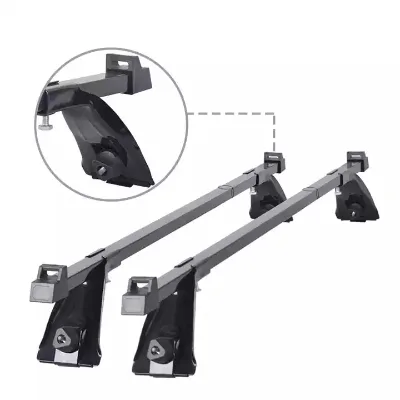
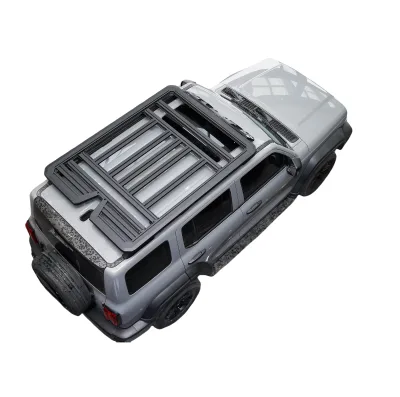
Comprehensive Sourcing Guide
Strategic Sourcing Guide for Black Steel Car Roof Rack Procurement
The global automotive accessories market has seen a significant surge in demand for roof rack systems, driven by the growing popularity of outdoor recreation, overlanding, and the need for enhanced cargo capacity in personal and commercial vehicles. When sourcing a "Black Steel Car Roof Rack," buyers must navigate a complex landscape of material science, manufacturing processes, and regulatory compliance. While the core keyword suggests a specific aesthetic and material composition, the actual procurement strategy requires a nuanced understanding of the underlying supply chain realities. This guide provides a disciplined, evidence-based approach to evaluating suppliers, verifying technical specifications, and ensuring long-term value in the procurement of these critical automotive components.
Material Composition and Manufacturing Processes
The foundation of any durable roof rack lies in its material selection and the manufacturing techniques employed. While the search term specifies "black steel," the actual market offers a diverse range of materials, including aluminum alloy, carbon steel, stainless steel, and iron. The choice between these materials dictates the final product's weight, corrosion resistance, and load-bearing capacity. Carbon steel is frequently cited in industrial contexts for its strength and cost-effectiveness, often undergoing surface processing such as electroplating to achieve a black finish and enhance rust resistance. Conversely, aluminum alloy offers a superior strength-to-weight ratio, which is critical for vehicles where roof load limits are strict.
Buyers must scrutinize the specific manufacturing process listed by potential suppliers. The data indicates that high-quality metal stamping parts often utilize deep drawing and forming processes. These techniques allow for the creation of complex geometries that maintain structural integrity under stress. The use of multistep progressive dies and cold stamping methods ensures precision and consistency in mass production. When evaluating a supplier, it is essential to verify whether they possess in-house die-making capabilities. This internal capacity often correlates with better quality control, faster prototyping, and the ability to customize designs without relying on external tooling vendors. The tolerance levels for these stamped parts are critical; a tolerance of 0.02mm is a benchmark for high-precision automotive components, ensuring that the rack fits the vehicle's mounting points perfectly without requiring aftermarket modification.
Technical Specifications and Load Dynamics
Technical specifications are the primary differentiator between a generic accessory and a professional-grade roof rack. The load capacity is perhaps the most critical metric for safety and compliance. In the current market, robust roof rack systems are designed to support significant weights, with observed capacities reaching 70kg or more. This figure is not merely a marketing claim but a functional requirement that must be validated against the vehicle manufacturer's roof load limits. Buyers should verify that the supplier provides clear documentation on the static and dynamic load ratings, as these figures change when the vehicle is in motion versus stationary.
The physical dimensions of the rack also play a pivotal role in its utility. Specifications such as a size of 62.5" by 46" or 63" by 40.5" indicate the footprint of the rack, which determines the volume of cargo it can accommodate. Some systems are designed with a capacity of 400-500 liters, making them suitable for transporting large items like kayaks, bicycles, or camping gear. The mounting type is another vital specification; "Combined Type" mounting systems offer versatility, allowing the rack to be adapted to various vehicle roof rails or bare roof configurations. Furthermore, the opening mechanism, such as a "Dual Side" design, enhances accessibility and ease of use, allowing users to load and unload cargo from either side of the vehicle.
| Specification Category | Observed Market Standard | Verification Requirement |
|---|---|---|
| Load Capacity | ≥70kg | Confirm vehicle roof limit compatibility |
| Material Options | Aluminum Alloy, Carbon Steel | Verify specific alloy grade and thickness |
| Surface Finish | Electroplating (Black) | Check for salt spray test results |
| Mounting Type | Combined Type | Ensure fitment for specific vehicle model |
| Dimensions | 62.5" x 46" (varies) | Validate against cargo dimensions |
Compliance, Certification, and Safety Standards
In the automotive sector, compliance is non-negotiable. A roof rack is a safety-critical component that must withstand extreme weather conditions and dynamic forces. Buyers must demand evidence of third-party certifications. The presence of TUV and GS marks indicates that the product has undergone rigorous testing for safety and quality according to European standards. These certifications are not merely badges; they represent a validated adherence to specific engineering and safety protocols. When sourcing from China (Mainland), as indicated by many suppliers in the sector, verifying that the TUV or GS certification applies specifically to the model being purchased is essential, as certifications can sometimes be generic to the factory rather than the specific product.
Beyond certifications, buyers should inquire about the specific standards the product meets. While exact standard numbers may vary by region, the product should align with international automotive safety regulations. The "Industry" classification of "Metal Stamping Parts" suggests that the components are part of a broader supply chain that likely adheres to ISO standards for quality management. It is crucial to request test reports that demonstrate the rack's performance under stress, including fatigue testing and corrosion resistance. The "Simple and Easy Use" feature is a design attribute, but it must not compromise the structural integrity required for certification. A supplier that prioritizes ease of use without sacrificing safety compliance is ideal, but this balance must be verified through documentation.
Cost Drivers and Pricing Structures
Understanding the cost drivers for black steel car roof racks is essential for budgeting and negotiation. The price range in the market is broad, observed between $0.2 and $240, reflecting the vast difference between individual components and complete rack systems. Several factors influence this variance. The primary driver is the material cost; aluminum alloy is generally more expensive than carbon steel due to raw material prices and the energy-intensive nature of its processing. However, aluminum may offer long-term savings through reduced vehicle fuel consumption due to lower weight.
The manufacturing process also impacts cost. Deep drawing and cold stamping with multistep progressive dies require significant capital investment in tooling. Suppliers with in-house die-making capabilities may offer more competitive pricing on large orders but might have higher minimum order quantities (MOQ). The observed MOQ for these products typically ranges from 2 to 2000 units, with a common baseline of 100 pieces for custom orders. Buyers should be aware that customizations, such as OEM logos or specific dimensions, will incur additional tooling costs and potentially higher unit prices. Payment terms, including Western Union, PayPal, and T/T, are standard, but the currency and timing of payments can affect the final landed cost.
Supplier Evaluation and Customization Capabilities
Selecting the right supplier requires a deep dive into their operational capabilities and flexibility. The "Customization" attribute is a key differentiator in this market. Many suppliers offer "Customized" solutions, allowing buyers to tailor the rack to specific vehicle models or branding requirements. The acceptance of OEM logos is a standard service, but the quality of the logo application must be verified. Suppliers should demonstrate proficiency in handling various file formats, including CAD, Solidworks, and PDF, to ensure seamless communication of design specifications.
When evaluating a supplier, buyers should assess their "Stamping Capacity." A supplier capable of deep drawing and shaping metal with press capabilities ranging from 16 tons to 500 tons demonstrates the versatility to handle both small, intricate parts and large, heavy-duty structures. The availability of free samples is a strong indicator of a supplier's confidence in their product quality. Buyers should always request samples to physically inspect the finish, fitment, and overall build quality before committing to a large order. Additionally, the "Industry" focus of the supplier, such as serving the automotive, agriculture, furniture, and machinery sectors, indicates a breadth of experience that can be beneficial for cross-industry applications or specialized requirements.
Quality Control and Long-Term Procurement Strategy
Quality control is the backbone of a successful procurement strategy. Given the critical nature of roof racks, a robust quality assurance process is mandatory. Buyers should verify that the supplier implements strict tolerance controls, ideally within the 0.02mm range for critical dimensions. The surface processing, specifically electroplating for the black finish, must be consistent and durable. Buyers should request data on the thickness of the plating and the adhesion strength to ensure the finish does not peel or chip under normal use.
For long-term procurement, establishing a partnership with a supplier that offers "Fine Blanking" and "Multi-Position" capabilities can provide a competitive advantage. These advanced techniques allow for higher precision and more complex part geometries, which can lead to better product performance and reduced assembly time. The "Package" being a "Carton Box" is standard, but the packaging must be sufficient to protect the product during international shipping, especially given the "Port" options of Shanghai or Ningbo. Buyers should also consider the lead time implications of customization. While standard models may have shorter lead times, custom orders with specific molds or finishes will require additional time for tooling and production.
In conclusion, sourcing a Black Steel Car Roof Rack involves a meticulous evaluation of material properties, manufacturing processes, and supplier capabilities. By focusing on verified technical specifications, demanding appropriate certifications like TUV and GS, and understanding the cost drivers associated with customization and scale, buyers can secure high-quality products that meet their operational needs. The market offers a wide array of options, from simple single-deck racks to complex combined-type systems, but the key to success lies in rigorous due diligence and a commitment to quality at every stage of the procurement process.
FAQs
What certifications do black steel car roof racks have?
Products often carry TUV and GS certifications indicating compliance with safety standards. These marks verify that the rack has undergone rigorous testing for structural integrity and safety requirements before reaching the market.
Which materials are used for these roof racks?
Manufacturers commonly use Aluminum Alloy and Carbon Steel for construction. Carbon steel parts often undergo electroplating to achieve a black finish while maintaining high strength and cost-effectiveness for automotive applications.
Can I customize the roof rack with my logo?
Yes, customization is available including the acceptance of OEM logos. Buyers can request specific branding on the product, though this may require providing design files in formats like CAD or PDF for production.
How much weight can the roof rack support?
The load capacity is typically rated at 70kg or more for robust systems. This capacity ensures safety for transporting cargo, but buyers should verify compatibility with their specific vehicle's roof load limits.
What is the minimum order quantity for these racks?
The standard minimum order quantity is 100 pieces for custom orders. However, the observed market range extends from 2 to 2000 units depending on the supplier and specific product configuration requested.
Where are these products manufactured and shipped from?
Products originate from China (Mainland) and are typically shipped from Shanghai or Ningbo ports. This location allows for efficient logistics and access to a wide range of metal stamping and manufacturing capabilities.