Source Rubber Front Sway Bar Bushing for Mazda Ford Jeep
Compare 28 listings for Rubber Front Sway Bar Bushing from verified suppliers in China. View specifications, certifications, and pricing for compatible models including Mazda, Ford, and Jeep to find the right suspension parts.
Key considerations
Products List


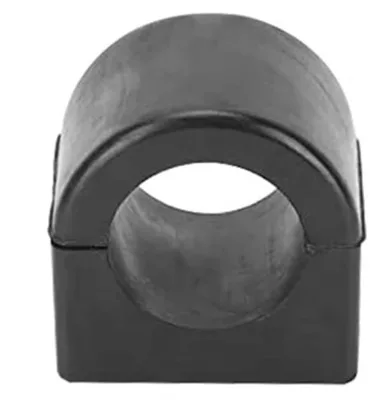
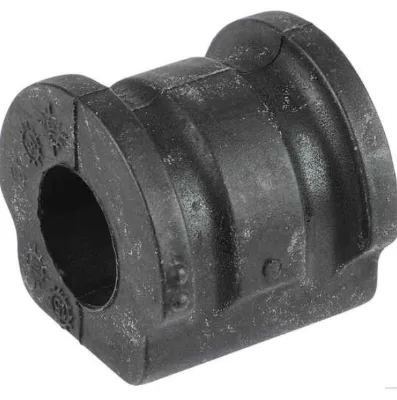

Comprehensive Sourcing Guide
Strategic Sourcing Guide for Rubber Front Sway Bar Bushings
The global automotive aftermarket and original equipment manufacturing (OEM) sectors rely heavily on suspension components to maintain vehicle stability, handling, and ride comfort. Among these, the Rubber Front Sway Bar Bushing serves as a critical interface between the stabilizer bar and the vehicle chassis. Sourcing these components requires a disciplined approach that balances technical specifications, material integrity, and supply chain reliability. This guide outlines the essential factors for buyers evaluating rubber front sway bar bushings, drawing upon observed market data and standard industry practices to ensure a robust procurement strategy.
Technical Specifications and Material Integrity
The core function of a front sway bar bushing is to allow controlled rotation of the stabilizer bar while isolating road noise and vibration. When evaluating potential suppliers, the primary technical focus must be on the material composition. The supplied product data indicates that Rubber is a dominant material specification for these components, often cited alongside specific product models such as MB338595, MR554820, and MR151327. However, buyers must also account for variations where Steel or Stainless Steel is listed as a material, which may indicate reinforced bushings or different component types within the same product line.
The physical dimensions and fitment are equally critical. The market data reveals specific model numbers like 54813-39100 and 199100680066, which correspond to specific vehicle architectures. For instance, the W166 model designation is explicitly linked to Mercedes-Benz applications, suggesting that sourcing must be highly specific to the vehicle platform. Buyers should verify that the "Size" specification, noted in some listings as 2 PCS, aligns with the required quantity for a single axle repair or full vehicle overhaul. Furthermore, the "Position" attribute is consistently identified as Front, distinguishing these parts from rear suspension components.
A critical observation in the current market is the variance in packaging and unit definitions. While some listings specify Boxed or Pallet packaging, others list Ocean Freight as a packing method, which implies bulk shipping without individual retail boxes. The "Package Dimensions" are often listed as requiring a direct inquiry ("Chat with Supplier Now for More Details"), indicating that standard dimension data is not universally available. Procurement teams must request precise cubic meter and weight data to calculate accurate logistics costs, as the "Item Weight" is frequently listed as "Ask," necessitating direct confirmation before finalizing orders.
Compliance, Certification, and Standard Verification
Navigating the regulatory landscape is a non-negotiable aspect of B2B procurement. The supplied data highlights CE certification as a high-confidence attribute for several products, suggesting compliance with European safety and health standards. However, the data also presents conflicting or composite entries, such as "ISOMaterial:Stainless Steel," which may be a data entry artifact or a specific proprietary standard. Buyers must treat these as observations rather than universal guarantees.
The "Standard" field in the product data shows significant variability, ranging from RUBBER to Customized and even numerical values like 0.1kg or 0.5kg, which likely refer to weight standards rather than technical performance metrics. This inconsistency underscores the need for buyers to verify the specific international or national standards applicable to their target market. For example, while some products claim to meet "By The Customer Needs" standards, others list Customized as the standard, implying a lack of pre-existing certification.
Buyers should explicitly request documentation for ISO certifications, IATF 16949 (the automotive quality management standard), and any regional safety approvals relevant to the destination market. The presence of OEM: Yes in some listings suggests that certain suppliers can produce parts to original equipment specifications, which often implies adherence to stricter quality controls. Conversely, listings with OEM: No may indicate aftermarket or generic replacements that might not meet the exact tolerances of the original manufacturer. Verifying these distinctions is essential to avoid liability issues related to component failure.
Cost Drivers and Pricing Dynamics
Understanding the cost structure of rubber front sway bar bushings requires analyzing the interplay between material costs, customization, and order volume. The observed price range in the market spans from 0.1 to 10 USD, a wide variance that reflects differences in material quality, brand positioning, and order quantity. The lower end of this spectrum likely represents basic rubber bushings for high-volume aftermarket applications, while the higher end may include premium materials, reinforced designs, or OEM-branded components.
The Minimum Order Quantity (MOQ) is a significant cost driver. The data indicates an MOQ range of 0 to 500, with a specific high-confidence fact noting an MOQ of 200 PCS. Suppliers with lower MOQs may charge a premium per unit to cover setup and handling costs, whereas those requiring 200 units or more can offer more competitive pricing due to economies of scale. Buyers must calculate the total landed cost, including the unit price multiplied by the MOQ, plus shipping and duties, to determine the true cost efficiency.
Customization is another major factor influencing price. The product data confirms that Customization is available, and the "Standard" is often listed as Customized. This flexibility allows buyers to tailor the bushing's durometer (hardness), color, or dimensions to specific vehicle requirements. However, custom orders typically incur higher tooling costs and longer lead times. The Delivery Period is observed to be 15-30 Days, which is standard for customized manufacturing but can extend if complex tooling is required. Buyers should factor these lead times into their inventory planning to avoid stockouts.
Typical Applications and Vehicle Compatibility
The versatility of rubber front sway bar bushings is evident in the broad range of vehicle brands they support. The data lists compatibility with a diverse array of manufacturers, including Mazda, Ford, Jeep, Volvo, Lexus, Audi, Buick, Nissan, Toyota, Honda, Hyundai, BMW, Benz, WuLing, and Volkswagen. This extensive list highlights the importance of precise part matching. A bushing designed for a Mazda may not fit a Ford due to differences in chassis geometry and stabilizer bar diameter.
Specific model references provide further clarity. The Model: Stabilizer Bar Bushing Kit and Model: Sway Bar Bushing Kit are generic descriptors, while specific OE numbers like 1663231465 and OE NO.: 1663231465 point to exact replacements for Mercedes-Benz W166 models. The "Suitable for Car Brands" attribute explicitly mentions Mazda, Ford, and Jeep, suggesting these are common applications for the listed products. However, buyers must not assume universal fitment based on brand lists alone. The "Position: Front" attribute confirms the application location, but the specific vehicle model year and trim level must be cross-referenced with the supplier's compatibility database.
The "Purpose" attribute is consistently listed as stabilizer bar bushing, reinforcing the functional identity of the product. For fleet managers or repair shops servicing multiple brands, maintaining a diverse inventory of these bushings is essential. The "Color" attribute, observed as Blue and Grey, may serve as a visual identifier for different hardness ratings or material blends, though this should be verified with the supplier.
Supplier Evaluation and Reliability Assessment
Selecting a reliable supplier is paramount for ensuring consistent quality and timely delivery. The product data indicates that the prod_origin is frequently listed as Hebei or generally China, which are major manufacturing hubs for automotive components. While these regions offer competitive pricing, buyers must conduct thorough due diligence to verify the supplier's production capabilities and quality control processes.
Key evaluation criteria should include the supplier's ability to provide OEM services, as indicated by the "OEM: Yes" attribute. Suppliers offering OEM capabilities are more likely to have the necessary tooling and technical expertise to produce parts that meet original specifications. Additionally, the availability of Customized Carton Packaging and Pallet options suggests that the supplier can handle various logistical requirements, from retail-ready boxes to bulk industrial shipping.
The Warranty term is another critical metric. The data mentions a 1YEARS warranty, which serves as a baseline guarantee for product defects. Buyers should negotiate warranty terms that cover not just the product but also the cost of replacement labor if the bushing fails prematurely. The "Selling Units" attribute, listed as Single item, indicates that suppliers may be willing to sell small quantities for testing or emergency repairs, which is valuable for initial qualification orders.
Quality Control and Long-Term Procurement Considerations
Implementing a robust quality control (QC) regime is essential for mitigating the risks associated with sourcing suspension components. Given the variability in the "Standard" and "Material" attributes observed in the market, buyers should establish clear acceptance criteria before production begins. This includes verifying the rubber compound's resistance to ozone, oil, and temperature extremes, which are critical for suspension longevity.
Long-term procurement strategies should focus on building strong relationships with suppliers who demonstrate consistency in their Delivery Period of 15-30 Days. Reliability in lead times is crucial for maintaining inventory levels and meeting customer demand. Buyers should also consider the "Package: Customized Carton Packaging" option to ensure that products arrive in optimal condition, reducing the risk of damage during transit.
Furthermore, the "Item Weight: Ask" and "Package Dimensions: Chat with Supplier" attributes highlight the need for transparent communication regarding logistics. Buyers should insist on detailed shipping manifests and weight certificates to avoid unexpected freight charges. Establishing a protocol for regular quality audits and sample testing can help maintain high standards over time. By focusing on these long-term considerations, buyers can secure a stable supply chain for rubber front sway bar bushings that supports their operational efficiency and customer satisfaction.
Comparative Analysis of Product Attributes
To facilitate decision-making, the following table summarizes key attributes observed in the market for rubber front sway bar bushings. This comparison helps buyers quickly identify potential red flags or opportunities for negotiation.
| Attribute Category | Observed Value | Implication for Buyer |
|---|---|---|
| Material | Rubber, Steel, Stainless Steel | Verify material grade; steel may indicate reinforcement. |
| Certification | CE, ISO (implied), Customized | Request specific ISO/IATF docs; CE is a baseline. |
| MOQ | 0 - 500 (Commonly 200 PCS) | Lower MOQs may cost more per unit; plan for volume. |
| Lead Time | 15-30 Days | Standard for custom orders; plan inventory accordingly. |
| Origin | Hebei, China | Major hub; verify factory audits for quality consistency. |
| OEM Status | Yes / No | OEM: Yes implies stricter tolerances; OEM: No is generic. |
| Warranty | 1 Year | Standard term; negotiate for extended coverage if possible. |
| Packaging | Box, Pallet, Customized Carton | Confirm packaging type to prevent shipping damage. |
| Compatibility | Mazda, Ford, Jeep, Mercedes, etc. | Cross-reference specific OE numbers (e.g., 1663231465). |
This structured approach to sourcing ensures that buyers can navigate the complexities of the Rubber Front Sway Bar Bushing market with confidence, prioritizing quality, compliance, and reliability in their procurement decisions.
FAQs
What certifications are available for rubber front sway bar bushings?
CE certification is a high-confidence attribute found in the product data for these components. Buyers should verify specific compliance documents as some listings show composite entries like ISOMaterial that may require clarification before purchase.
How long is the delivery period for customized rubber bushings?
The standard delivery period for these items is 15 to 30 days from the order date. This timeline applies to customized orders and may vary if complex tooling is required for specific vehicle models like the Mercedes-Benz W166.
Which minimum order quantity applies to rubber sway bar bushings?
A high-confidence fact indicates a minimum order quantity of 200 pieces for these products. The observed market range spans from zero to 500 units, so buyers must confirm the specific MOQ with the supplier before placing an order.
Can I find rubber bushings for Mazda and Ford vehicles?
Yes, the product data explicitly lists compatibility with Mazda, Ford, and Jeep among other brands. Buyers must ensure the specific model number matches the vehicle architecture, as fitment varies significantly between different car makes and models.
What packaging options are available for these suspension components?
Packaging options include customized carton packaging, boxed units, and palletized shipping for bulk orders. Some listings specify ocean freight packing, so buyers should request precise package dimensions and weight details to calculate accurate logistics costs.
What is the warranty period for these front sway bar bushings?
A warranty period of one year is mentioned in the product attributes for these components. This warranty typically covers product defects, but buyers should negotiate terms that include replacement labor costs for premature failures.
Which materials are used in rubber front sway bar bushings?
Rubber is the dominant material specification, though some listings also indicate steel or stainless steel options. Buyers must verify the material composition as variations may indicate reinforced bushings or different component types within the same product line.