Source Running Sneaker for sports, racing, and walking
Explore 30 options for the Running Sneaker featuring varied materials like mesh and rubber, along with styles such as lace-up and slip-on. Buyers can compare specifications including shock absorption, waterproofing, and customization availability across different models from Fujian suppliers.
Key considerations
Products List


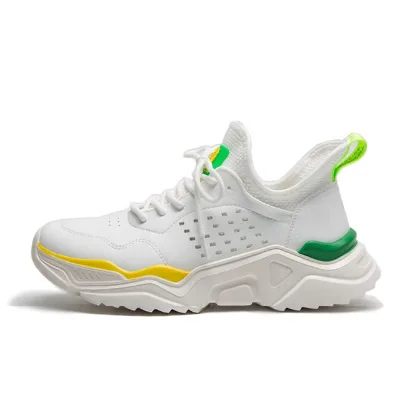


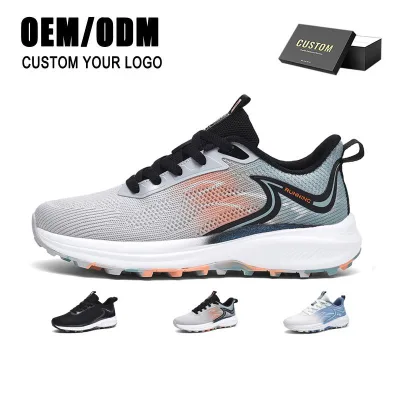

Wholesale Jogging Running Shoes and Breathable Sneaker with New Design
$10.80 - $18.50
MOQ: 500 Pieces

Professional Marathon Running Shoes and Street Style Sneaker with Maximum Cushioning
$10.80 - $18.50
MOQ: 500 Pieces

High-Performance Running Footwear and Casual Sneakers for Marathon Athletes
$10.80 - $18.50
MOQ: 500 Pieces

Professional Running Shoes & Customizable Sneakers for Athletes & Branding
$10.80 - $18.50
MOQ: 500 Pieces

Shock-Absorbing Running Shoes and Comfortable Sneakers for Outdoor Sports and Jogging
$10.80 - $18.50
MOQ: 500 Pieces

Running Shoes and Hot-Selling Sneakers for Women's Marathon Training and Climbing Use
$10.80 - $18.50
MOQ: 500 Pieces


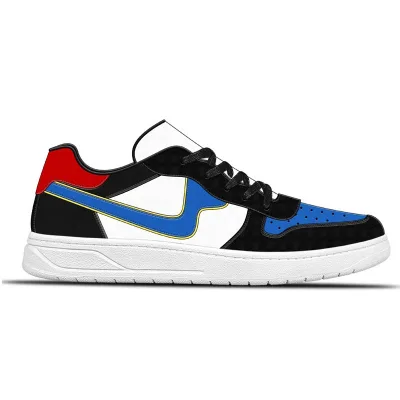
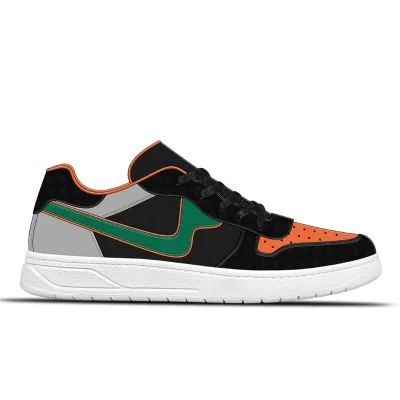
Itazero Customized Fashion Breathable Running Sneakers Sport Sneakers Shoes
$10.90 - $13.90
MOQ: 500 pairs


Comprehensive Sourcing Guide
Strategic Sourcing Guide for Running Sneakers in the B2B Market
Navigating the global market for running sneakers requires a disciplined approach that balances technical performance with supply chain reliability. For B2B buyers, the distinction between a generic athletic shoe and a specialized Running Sneaker lies in the precise configuration of materials, construction methods, and compliance with international standards. This guide synthesizes observed market data and technical specifications to provide a framework for evaluating potential suppliers and products. The focus remains on evidence-based criteria, ensuring that procurement decisions are grounded in verifiable product attributes rather than unverified marketing claims.
Technical Specifications and Material Composition
The foundation of a high-quality Running Sneaker is its material composition, which directly influences durability, weight, and comfort. In the current market, observed product attributes reveal a diverse range of upper materials, including Plush, Fabric, and composite structures like PU+Mesh. The choice of upper material dictates the shoe's breathability and structural integrity. For instance, Mesh lining is frequently cited as a key feature for ventilation, while Cotton Fabric offers a softer, more traditional feel. Buyers must verify the specific combination of materials for their target demographic, as a "Sports" style shoe may utilize Plush for aesthetic appeal, whereas a "Racing Shoes" category often prioritizes lightweight Fabric or PU+Mesh to reduce mass.
The insole and sole construction are equally critical for performance. Data indicates a split in insole materials, with Rubber and EVA (Ethylene Vinyl Acetate) being the most common options. EVA is generally preferred for running applications due to its superior shock absorption and lightweight properties, whereas Rubber insoles offer enhanced durability and traction. The sole material often combines EVA with Rubber to balance cushioning with grip. A specific observation notes an "Air Cushion" feature for shock absorption, a technology that should be verified for its placement and density to ensure it meets the intended impact requirements. Furthermore, the presence of "Anti-slip Blades" suggests a specialized design for enhanced traction, which is a vital specification for runners operating on varied terrains.
Compliance, Standards, and Certification Verification
When sourcing running sneakers, verifying compliance with product standards is a non-negotiable step. The market data references specific standard codes, such as "35.25.15," and size ranges like "36-45" or "40-45." These identifiers serve as crucial checkpoints for buyers to ensure the product aligns with regional regulatory requirements. However, the presence of a standard code does not automatically imply full certification; it merely indicates the product's intended classification. Buyers must request independent test reports to confirm that the materials used, particularly the PU, Mesh, and Rubber components, meet safety and chemical restrictions relevant to their target markets.
Size standardization is another area requiring rigorous attention. While some listings specify a size range of 35-45, others indicate 40-45. This variance highlights the need for buyers to confirm the exact sizing chart provided by the supplier against their own inventory requirements. The "Standard" attribute often includes specific sizing conventions, and discrepancies here can lead to significant logistical issues. Additionally, the "prod_standard" field should be cross-referenced with the intended market's safety regulations to ensure the footwear does not contain prohibited substances. Buyers should not assume that a product labeled with a standard code is fully compliant without requesting the corresponding documentation.
Cost Drivers and Pricing Dynamics
Understanding the cost structure of running sneakers is essential for maintaining healthy profit margins. The observed price range in the market spans from $0.99 to $29.99 USD, a wide spectrum that reflects significant differences in material quality, manufacturing complexity, and brand positioning. The lower end of this range typically corresponds to basic models with standard Fabric or Plush uppers and simple EVA insoles. Conversely, the higher price points are often associated with advanced features such as Air Cushion technology, specialized Anti-slip Blades, and premium composite uppers like PU+Mesh.
Several factors drive these costs. The "Supply Ability" of a manufacturer, observed at 5000 pairs per day in some cases, can influence unit pricing through economies of scale. Suppliers with higher production capacities may offer more competitive rates for large orders. Additionally, the complexity of customization plays a role. Attributes such as "Logo: Allow" and "Designs: Customized" indicate that the supplier offers OEM services, which often incur additional tooling or setup costs. The "MOQ" (Minimum Order Quantity) is another critical cost driver, ranging from 1 pair to 1200 pairs. Orders placed at the lower end of the MOQ spectrum may carry a higher per-unit cost due to the inefficiencies of small-batch production, while larger orders typically benefit from volume discounts.
Typical Applications and Market Segmentation
Running sneakers are not a monolithic category; they serve distinct applications based on their design and features. The market data identifies specific styles such as "Sports," "Racing Shoes," and "Walking Shoes," each catering to different user needs. "Racing Shoes" are typically designed for high performance, emphasizing lightweight materials and aggressive traction patterns. In contrast, "Walking Shoes" and "Slip-On" styles prioritize comfort and ease of wear, often featuring softer insoles and more flexible uppers. The "Season" attribute further segments the market, with models available for "Spring" and "Summer," indicating variations in breathability and material weight.
The "Gender" attribute, listed as both "Unisex" and "Male," suggests that some models are designed for a broad audience while others are targeted specifically at male demographics. This segmentation is crucial for buyers planning their inventory mix. For example, a "Yellow" color option might appeal to a specific fashion-forward segment, while "Black" offers a more neutral, versatile appeal. The "Feature: Breathable" attribute is particularly relevant for summer applications, where ventilation is a primary consumer concern. Buyers should align their product selection with the specific activities and seasons of their target customers to ensure market fit.
Supplier Evaluation and Operational Capabilities
Evaluating a supplier requires a deep dive into their operational capabilities and logistical infrastructure. The "Place of Origin" is a significant indicator, with "Putian, Fujian" and "China" being prominent locations in the footwear industry. These regions are known for their extensive supply chains and manufacturing expertise, but buyers must verify the specific factory's capacity and quality control processes. The "Port of dispatch" listed as "XIAMEN" provides insight into the logistical route and potential shipping costs. Buyers should calculate the total landed cost, including freight from Xiamen, to ensure the final price remains competitive.
Sample lead times are another critical factor in supplier evaluation. An observed "Sample time" of 15-20 days indicates the duration required for the supplier to produce a prototype for approval. This timeline can impact the overall product development cycle, especially for custom designs. Buyers should assess whether this lead time aligns with their launch schedule. Additionally, the "Packing Details" and "Single package size" (e.g., 31x10x10 cm) are vital for optimizing shipping container space and reducing freight costs. Suppliers offering flexible packaging options, such as "Inner: 1 pairs/box, 12 pairs/carton or under your requirements," demonstrate a willingness to adapt to the buyer's specific logistical needs.
Quality Control and Long-Term Procurement Strategy
Implementing a robust quality control (QC) strategy is essential for mitigating risks in the Running Sneaker market. Given the wide range of observed materials and construction methods, buyers must establish clear acceptance criteria for each component. This includes verifying the integrity of the "Anti-slip Blades," the durability of the "Rubber" or "EVA" insoles, and the consistency of the "Lace-up" closure system. Regular inspections during production and pre-shipment checks are necessary to ensure that the final product matches the approved sample.
Long-term procurement considerations involve building a sustainable relationship with suppliers who can scale with demand. The "Supply Ability" of 5000 pairs per day suggests that some suppliers have the capacity to handle large volume orders, but buyers should confirm this capacity during peak seasons. Customization capabilities, such as allowing logos and customized designs, offer opportunities for brand differentiation. However, buyers must ensure that the supplier maintains consistency in quality across different production batches. The "prod_packing" options, ranging from "Original Shoebox" to "PP Bag/Shoes Box," should be standardized to maintain brand image. Ultimately, a successful sourcing strategy relies on continuous monitoring of supplier performance, adherence to quality standards, and the ability to adapt to changing market demands.
Comparative Analysis of Product Attributes
To facilitate decision-making, the following table summarizes key product attributes observed in the market, highlighting the variations that buyers should consider during the sourcing process.
| Attribute Category | Observed Options | Strategic Implication |
|---|---|---|
| Upper Material | Plush, Fabric, PU+Mesh | PU+Mesh offers durability; Plush offers comfort; Fabric offers breathability. |
| Insole Material | Rubber, EVA | EVA is lighter and better for shock absorption; Rubber is more durable. |
| Sole Material | EVA+Rubber | Combined soles offer a balance of cushioning and traction. |
| Style Type | Sports, Racing, Walking, Slip-On | Racing requires lightweight specs; Walking requires comfort focus. |
| Season | Spring, Summer | Summer models require high breathability; Spring models may need more coverage. |
| Color | Yellow, Black | Black is versatile; Yellow targets fashion-conscious segments. |
| Gender | Unisex, Male | Unisex expands market reach; Male targets specific demographics. |
| Customization | Logo Allow, Designs Customized | Essential for OEM branding and market differentiation. |
| Packaging | Shoebox, PP Bag, Custom | Determines retail presentation and shipping efficiency. |
This comparative analysis underscores the importance of aligning product specifications with specific market needs. By carefully evaluating these attributes, buyers can construct a product line that meets consumer expectations while maintaining operational efficiency. The diversity in materials, styles, and customization options provides a rich landscape for strategic sourcing, provided that buyers remain vigilant about quality and compliance.
FAQs
What customization options are available for running sneakers?
Customization is available for logos and designs on these running sneakers. Suppliers allow logo placement and customized designs to meet specific brand requirements, enabling buyers to create unique products for their target markets.
Which materials are used for the insoles of these shoes?
The insoles are made from either Rubber or EVA materials. EVA is preferred for shock absorption and lightweight performance, while Rubber offers enhanced durability and traction for various running conditions.
Can I find running sneakers with specific shock absorption features?
Yes, some models feature Air Cushion technology for shock absorption. This design element helps reduce impact during running, making the shoes suitable for athletes seeking enhanced comfort and protection on their feet.
What is the minimum order quantity for these running sneakers?
The minimum order quantity ranges from 1 pair to 1200 pairs depending on the supplier. Lower MOQs allow for small batch testing, while larger orders may benefit from volume discounts and streamlined logistics.
How long does it take to receive samples for these shoes?
Sample time typically takes 15 to 20 days for production and delivery. Buyers should plan their development schedules around this lead time to ensure timely approval and subsequent mass production launch.
Which locations are the primary origins for these running sneakers?
Products originate from Putian, Fujian, and other regions in China. These locations are known for their extensive footwear manufacturing supply chains, offering competitive pricing and established production capabilities for international buyers.