Source Running Sports Armband for Gym, Running, and Cycling
Find 30 Running Sports Armband options from China suppliers. Compare neoprene and polyester materials, custom logo printing, and universal or customized sizes for gym, running, and cycling applications. These armbands feature soft, waterproof, and shockproof designs suitable for various fitness needs.
Key considerations
Products List


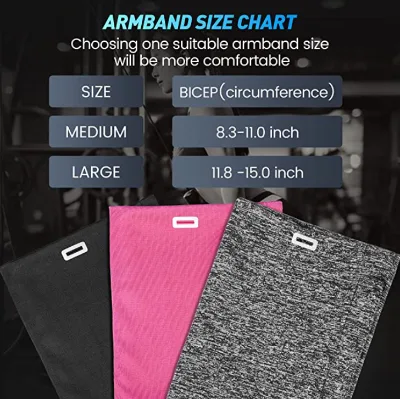
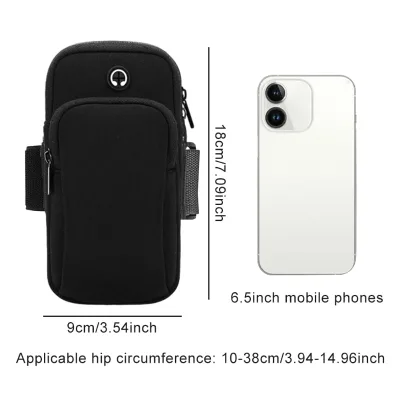

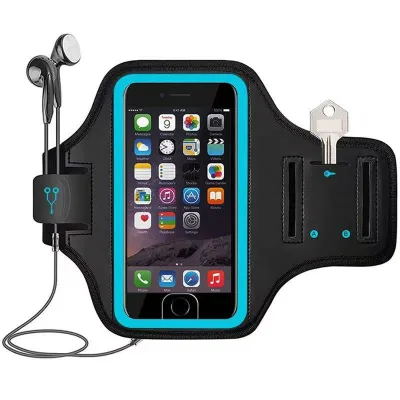


Factory Price Universal Holder Gym Fitness Exercise Running Sleeve Armband
$1.20 - $1.33
MOQ: 760 Pieces


Comprehensive Sourcing Guide
Running Sports Armband Sourcing Guide
Procuring running sports armbands requires a disciplined approach to verifying product consistency and supplier capability. Buyers must focus on the specific material composition and structural integrity of the items, as these factors directly impact user comfort and device protection during high-intensity activities. The observed data indicates a primary reliance on neoprene and polyester blends, which offer a balance of flexibility and durability. It is crucial to confirm that the supplier can maintain these material specifications across large production runs without deviation.
The commercial landscape for these items shows a wide range of pricing and minimum order quantities, reflecting the diversity of available customization options. With observed prices ranging from $0.09 to $3.88 and MOQs varying from 1 to 3,000 units, buyers must align their volume requirements with the supplier’s production capacity. This variance suggests that cost is heavily influenced by the level of customization, such as logo application and packaging complexity. Understanding these variables allows procurement teams to negotiate terms that fit their specific budget and inventory needs.
Product Scope and Observed Listing Signals
The product scope for running sports armbands is defined by their primary function as protective and organizational accessories for mobile devices during physical activity. Listings indicate that these items are designed for universal fit, accommodating various smartphone sizes without requiring specific model compatibility. The observed models, such as TN-87, TN-08, and TN-93, suggest a standardized product line that can be easily scaled for bulk procurement. Buyers should verify that the "Universal" size specification aligns with the specific device dimensions of their target end-users to ensure a secure fit.
Observed listing signals highlight a strong emphasis on customization capabilities, including silkscreen logo application and Pantone color matching. The presence of multiple model numbers and material variations, such as neoprene alone or combined with polyester, indicates that suppliers offer tiered product options. This allows buyers to select a base product that meets their quality standards while adding brand-specific elements. It is essential to review sample products to confirm that the customization process does not compromise the structural integrity or waterproof features of the armband.
Technical Specifications to Verify
Buyers must rigorously verify the material composition and physical dimensions of the armbands to ensure they meet performance expectations. The primary materials listed are neoprene and polyester, which should be checked for thickness and elasticity to guarantee shockproof and waterproof capabilities. Technical specifications should include detailed measurements of the armband’s width and length, as well as the internal pocket dimensions. Confirming that the material is soft yet durable is critical for user comfort during extended periods of wear, particularly in gym or outdoor settings.
Structural features such as strap type and closure mechanisms also require careful technical review. Listings mention detachable straps and customized sizes, which offer flexibility in design but necessitate precise manufacturing tolerances. Buyers should request technical drawings or detailed spec sheets to verify that the closure system, whether it is a buckle or elastic band, can withstand repeated use without failure. Additionally, the single package size and gross weight, observed at 0.08 kg to 0.300 kg, should be confirmed to ensure accurate shipping cost calculations and warehouse space planning.
Compliance and Safety Documentation
While specific international safety certifications are not explicitly listed in the provided data, buyers must request documentation proving that the materials used are safe for skin contact. Neoprene and polyester are common in sportswear, but their chemical composition must be verified to ensure they do not contain harmful substances that could cause allergic reactions or skin irritation. Requesting material safety data sheets (MSDS) or compliance reports from the supplier is a standard practice to mitigate health-related risks for end-users.
Packaging and labeling compliance also play a significant role in the procurement process. The observed packaging details include OPP bags, color boxes, and cartons, which must meet the regulatory requirements of the destination market. Buyers should verify that the packaging materials are environmentally compliant if sustainability is a priority for their brand. Furthermore, ensuring that the product labeling includes necessary care instructions and material content helps in maintaining transparency and reducing potential returns due to user misunderstanding.
Cost Drivers and Commercial Terms
The cost of running sports armbands is primarily driven by the level of customization and the volume of the order. Observed price ranges from $0.09 to $3.88 reflect the difference between basic, unbranded items and fully customized products with specific logos and packaging. Buyers should analyze the cost breakdown to understand how much of the unit price is attributed to material, labor, and branding services. Negotiating terms based on higher volumes can often reduce the per-unit cost, but buyers must balance this against their inventory turnover rates.
Commercial terms such as payment methods and lead times also significantly impact the total cost of ownership. The observed sample time of 3-7 days suggests a relatively quick turnaround for initial evaluations, which can accelerate the procurement cycle. However, production lead times for bulk orders may vary, and buyers should clarify these timelines in the contract. Understanding the supply ability, noted at 500 pieces per day, helps in planning production schedules to avoid delays. Clear communication on these terms ensures that both parties have aligned expectations regarding delivery and payment.
Supplier Qualification and Quality Control
Qualifying a supplier for running sports armbands involves assessing their production capabilities and quality control processes. The observed origin locations, including Dongguan City and Zhejiang in China, indicate a concentration of manufacturing expertise in these regions. Buyers should verify the supplier’s experience in producing similar sportswear items and request references from previous clients. A thorough audit of the production facility, either in-person or via video, can provide insights into the supplier’s operational efficiency and adherence to quality standards.
Implementing a robust quality control plan is essential to ensure that the final products meet the specified requirements. This includes pre-production sampling, in-line inspections, and pre-shipment checks. Buyers should define acceptable quality limits (AQL) for defects such as stitching errors, logo misalignment, and material inconsistencies. By establishing clear quality benchmarks and conducting regular inspections, buyers can minimize the risk of receiving substandard products. This proactive approach to quality control helps in maintaining brand reputation and customer satisfaction.
Long-Term Procurement Checks
Establishing a long-term partnership with a supplier requires ongoing monitoring of their performance and reliability. Buyers should track key performance indicators such as on-time delivery rates, defect rates, and responsiveness to inquiries. Regular reviews of the supplier’s financial health and production capacity can help in identifying potential risks early. Maintaining open communication channels ensures that any issues can be addressed promptly, fostering a collaborative relationship that benefits both parties.
Diversifying the supplier base is another critical long-term procurement strategy. Relying on a single supplier can expose the business to risks such as supply chain disruptions or price increases. By qualifying multiple suppliers, buyers can ensure continuity of supply and leverage competitive pricing. Additionally, staying informed about industry trends and technological advancements in material science can help in identifying new opportunities for product improvement. This strategic approach to procurement ensures that the business remains agile and competitive in the market.
FAQs
What materials are used for the Running Sports Armband?
The Running Sports Armband is constructed from Neoprene and Polyester materials to ensure durability and comfort during exercise. Some variants use Neoprene alone for enhanced flexibility. These materials provide a soft feel while maintaining waterproof and shockproof properties essential for active use.
Can I customize the logo on the Running Sports Armband?
Yes, customization is available for the logo using Silkscreen or Silkacreen printing methods. Buyers can request customized designs and logos to match their brand identity. This feature allows for personalization while maintaining the product's structural integrity and performance standards.
What is the minimum order quantity for running sports armbands?
The minimum order quantity is typically 100 pieces for standard orders. However, observed ranges indicate that some suppliers may accept orders as low as one piece or up to 3000 pieces depending on specific product models. Buyers should verify the exact MOQ with the supplier.
How long does it take to receive samples of the armband?
Sample time is generally 3 to 7 days for production and preparation. Buyers can send an inquiry to get free samples before placing a bulk order. This allows for quality verification and ensures the product meets specific requirements before committing to a larger purchase.
Where are the running sports armbands manufactured?
The products originate from Dongguan City, China, and Zhejiang, China. These locations serve as the primary places of origin for the manufacturing facilities. Buyers can expect shipping from ports like Shanghai, ensuring reliable logistics for international orders.
What packaging options are available for the Running Sports Armband?
Packaging options include OPP bags, color boxes, and cartons for bulk shipping. Customized packing is also available to meet specific buyer requirements. Each single package has a gross weight of approximately 0.08 to 0.300 kg, ensuring safe transport and easy handling.
Which sports activities are suitable for this Running Sports Armband?
The armband is designed for running, cycling, gym sports, fitness, and general athletics. It supports various training projects including speed and strength training. The versatile design makes it suitable for outdoor activities, entertainment, and educational sports programs.