Source Running Socks for Running, Sports, and Daily Wear
Compare 30 verified Running Socks options including ankle, crew, and sports styles with features like anti-bacterial and breathable materials. Buyers can evaluate specifications such as thickness, size, and seasonal suitability for various activities.
Key considerations
Products List


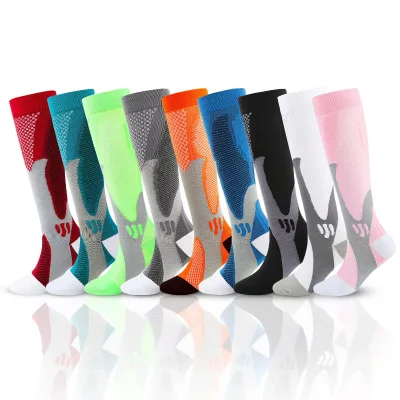
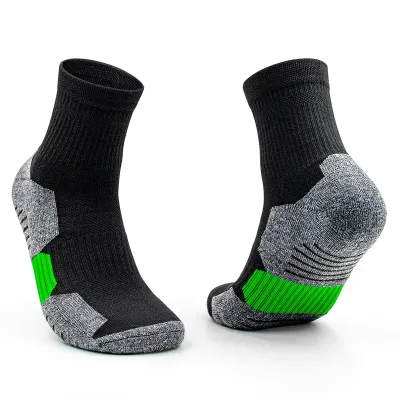


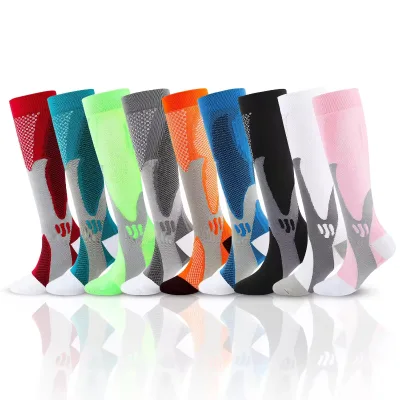


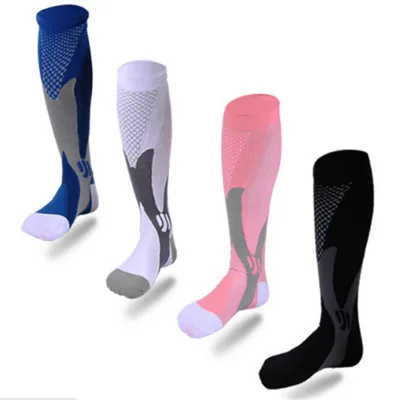

Comprehensive Sourcing Guide
Strategic Sourcing Guide for Running Socks
Understanding Product Variations and Technical Specifications
When sourcing Running Socks, buyers must first navigate the diverse landscape of product attributes that define performance and fit. The market offers a wide spectrum of options ranging from ankle to knee-high designs, each serving specific biomechanical needs. Technical specifications are not merely descriptive; they dictate the suitability of the product for different running environments. For instance, the "Ankle Sock" style is frequently observed in catalogs, often paired with "Normal" thickness for general training, while "Knee" and "Middle" height options cater to athletes requiring additional support or protection against debris.
Thickness is a critical differentiator. While "Normal" thickness is standard for spring and autumn conditions, "Thick" variants are explicitly noted for winter use, providing necessary thermal insulation. Conversely, "Medium" thickness offers a balanced approach for variable weather. The material composition further influences performance. Sourcing data indicates a prevalence of "Cotton" for breathability and comfort, alongside "Bamboo fiber" options which are often marketed for their moisture-wicking and antibacterial properties. Buyers should verify if the specific running sock they are evaluating utilizes these materials or blends, as the fiber content directly impacts sweat absorption and odor control.
Pattern and construction technology also play a role in product differentiation. Some listings highlight "Jacquard Technology" for pattern creation, while others emphasize "Knitted" structures that enhance durability. The functional features listed in supplier data, such as "Anti-Slip," "Anti-Bacterial," and "Sweat-absorbent," are essential for running applications. These features are not universal across all listings; a buyer must cross-reference the specific model number, such as "BAT-B07" or "Sports Socks-043A," to confirm the presence of these attributes. The distinction between "Sports Socks," "Crew Socks," and specialized types like "Compression Socks" or "Trampoline Socks" (though the latter are less relevant for road running) requires careful filtering to ensure the procurement aligns with athletic requirements.
Compliance, Certification, and Safety Standards
In the B2B procurement of athletic apparel, verifying compliance and safety standards is paramount, yet the provided data presents a mixed picture regarding formal certifications. While specific product listings mention "Eco-Friendly" and "Anti-Foul" attributes, there is no explicit mention of third-party testing results or international certification bodies (such as OEKO-TEX or ISO standards) within the supplied facts. This absence requires a proactive verification strategy from the buyer.
Buyers should not assume that "Eco-Friendly" claims are backed by rigorous, verifiable documentation without requesting specific test reports. Similarly, while "Anti-Bacterial" is listed as a feature for several models, the mechanism and efficacy of this claim must be validated. In the context of Running Socks, which are subjected to high friction and perspiration, the integrity of the antibacterial treatment is crucial for preventing skin infections and maintaining hygiene. The standard "240pairs/ctn" and packaging dimensions of "684730CM/ctn" provide logistical data but do not inherently guarantee product safety.
Furthermore, the "Customized" standard mentioned in the specifications suggests that many suppliers operate on a flexible basis, which can complicate compliance checks. When a product standard is listed as "customized," the buyer must define the exact parameters for their order, including material safety limits and color fastness requirements. The origin "China" is a known production hub, but it does not dictate the quality level. Buyers must establish clear contractual clauses requiring suppliers to adhere to the destination market's safety regulations, regardless of the product's origin. The presence of "Disposable" features in some listings (likely for specific medical or high-hygiene contexts) should be distinguished from durable Running Socks to avoid procurement errors.
Cost Drivers and Pricing Dynamics
The pricing structure for Running Socks is influenced by a complex interplay of material costs, customization levels, and order volume. The observed price range in the market spans from $0.24 to $20 per unit, a variance that reflects significant differences in product quality and specification. The lower end of this spectrum likely corresponds to basic cotton ankle socks with standard packaging, while the higher end may encompass specialized bamboo fiber blends, compression features, or intricate jacquard patterns.
Order volume is a primary driver of cost efficiency. The Minimum Order Quantity (MOQ) ranges from 0 to 2000 units, indicating that suppliers are flexible for small trials but may offer better unit economics for larger commitments. The "Small Orders: Accepted" attribute confirms that buyers can initiate procurement with lower quantities, though this often comes with a higher per-unit cost. Conversely, bulk orders may unlock the lower price points but require a significant upfront investment.
Packaging and logistics also contribute to the total cost of ownership. The standard packing of "1pairs/Oppbag, 10pairs/Big Bag" is common, but "OPP Bag" alone is also listed. The choice of packaging affects both the unit price and the shipping volume. A product with a "customized" standard may incur additional tooling or setup fees, which should be factored into the cost analysis. Additionally, the weight of the product, noted as "15g" for certain items, impacts freight costs, particularly for air shipping. Buyers must calculate the landed cost by considering the base price, MOQ constraints, packaging variations, and shipping logistics to determine the true cost per pair.
Typical Applications and Performance Use Cases
Running Socks are designed for specific athletic applications, and the selection process must align with the intended use case. The "Spring / Autumn" and "Summer" seasonal attributes suggest that many products are optimized for moderate to warm climates. However, the inclusion of "Winter" and "Thick" specifications indicates a broader market offering that supports year-round training. For runners, the choice between "Ankle," "Crew," and "Knee" heights often depends on the type of terrain and personal preference. Ankle socks are ideal for track and road running where freedom of movement is prioritized, while crew or knee-high socks may be preferred for trail running to protect against brush and debris.
The functional features listed, such as "Anti-Slip" and "Sweat-absorbent," are directly relevant to running performance. Moisture management is critical to prevent blisters, making "Breathable" and "Sweat-absorbent" attributes non-negotiable for serious runners. The "Anti-Bacterial" feature is particularly valuable for long-distance running or multi-day events where hygiene is a concern. The "Unisex" and "Adults" / "Children" age classifications indicate that the market serves a broad demographic, requiring buyers to ensure size inclusivity.
Specific model numbers like "YC-351" or "BAT-B10" may correspond to specialized lines, such as "Sports Socks" or "Compression Socks." Compression socks, in particular, are designed to improve circulation and reduce muscle fatigue, making them a distinct category within the running sock market. Buyers must distinguish between general athletic socks and performance-enhancing compression gear. The "Foot Length (cm): 26-28 cm" specification provides a concrete sizing reference, which is essential for ensuring a proper fit for adult athletes.
Supplier Evaluation and Verification Protocols
Evaluating suppliers for Running Socks requires a rigorous approach to verify their capabilities and reliability. The presence of "Customization: Available" suggests that many suppliers offer OEM/ODM services, which is beneficial for brands seeking private label solutions. However, the ability to customize does not guarantee quality control. Buyers should assess the supplier's capacity to meet specific technical requirements, such as the "Jacquard Technology" for patterns or the "Bamboo fiber" material composition.
The "Brand Name: ankle socks" listing indicates that some suppliers may operate with generic branding, while others might be prepared to apply a client's brand. This distinction is important for buyers looking to build a distinct market identity. The "Model Number: ankle 1-5" suggests a modular product line, which can simplify the selection process but requires careful verification of each model's specific attributes.
Buyers must also scrutinize the supplier's production standards. The "240pairs/ctn" and carton size data provide insight into their packaging efficiency, but they do not reflect the quality of the stitching or material integrity. Requesting samples is a critical step to verify the "Normal," "Medium," or "Thick" thickness claims and to test the "Anti-Slip" and "Breathable" features in real-world conditions. The "Small Orders: Accepted" policy is a positive indicator of supplier flexibility, but it should not be the sole criterion for selection. Buyers should also verify the supplier's history of delivering on time and their ability to scale production if the order volume increases.
Quality Control and Long-Term Procurement Strategy
Establishing a robust quality control (QC) framework is essential for maintaining product consistency in running sock procurement. Given the variability in attributes like "Thickness" and "Material," buyers should implement a sampling plan that tests for durability, color fastness, and functional performance. The "Anti-Bacterial" and "Eco-Friendly" claims require specific testing protocols to ensure they are not merely marketing terms. For example, verifying the "Anti-Bacterial" efficacy through laboratory tests can prevent product failures and reputational damage.
Long-term procurement considerations involve building a sustainable supply chain. The "Customized" standard and the wide range of MOQs suggest that buyers can start with small batches and scale up as demand grows. However, maintaining consistent quality across different production runs is challenging. Buyers should establish clear quality benchmarks for attributes like "Foot Length," "Weight," and "Pattern" to ensure that every shipment meets expectations.
The "prod_packing" and "prod_standard" details, such as "1pairs/Oppbag" and "240pairs/ctn," should be standardized in purchase orders to avoid logistical errors. Additionally, the "Location: China" origin implies potential supply chain risks, such as geopolitical factors or shipping delays. Buyers should develop contingency plans, including diversifying suppliers or maintaining safety stock, to mitigate these risks.
Finally, the "Feature" list, which includes "Sports," "Thermal," and "Knitted," highlights the multifaceted nature of Running Socks. A long-term strategy should focus on building a product portfolio that covers various seasons and running styles. By carefully selecting models like "BAT-B07" for general use or "Sports Socks-043A" for high-performance needs, buyers can create a comprehensive offering that meets the diverse needs of their customer base. Continuous communication with suppliers and regular quality audits will ensure that the procurement process remains efficient and effective over time.
Comparative Analysis of Key Product Attributes
To facilitate informed decision-making, the following table summarizes the key attributes observed in the running sock market, highlighting the variations buyers must consider.
| Attribute Category | Observed Variations | Procurement Consideration |
|---|---|---|
| Height | Ankle, Middle, Knee, Crew | Select based on terrain and support needs; Ankle for track, Knee for trail. |
| Thickness | Normal, Medium, Thick | Match to season; Thick for Winter, Normal for Spring/Autumn. |
| Material | Cotton, Bamboo fiber | Verify fiber content for breathability and moisture management. |
| Season | Spring/Autumn, Summer, Winter | Ensure inventory covers all seasons or target specific climate markets. |
| Features | Anti-Slip, Anti-Bacterial, Breathable | Request test reports for functional claims, especially antibacterial. |
| Customization | Available, Customized Standard | Confirm MOQ and lead times for custom designs or branding. |
| Packaging | OPP Bag, 10pairs/Big Bag | Standardize packaging to optimize shipping and retail presentation. |
| Target Audience | Adults, Children, Unisex | Ensure size ranges (e.g., 26-28 cm) align with demographic needs. |
This comparative view underscores the importance of detailed specification checks. Buyers should not rely on general categories but must verify the specific attributes of each model number to ensure the final product meets the rigorous demands of the running market.
FAQs
What materials are used for Running Socks?
Running Socks are commonly made from cotton or bamboo fiber. Cotton offers breathability and comfort, while bamboo fiber provides moisture-wicking and antibacterial properties suitable for athletic use.
Which thickness options are available for different seasons?
Normal thickness is standard for spring and autumn, while thick variants are designed for winter insulation. Medium thickness offers a balanced approach for variable weather conditions during running.
Can I order small quantities of Running Socks?
Yes, small orders are accepted with a minimum order quantity ranging from zero to two thousand units. This flexibility allows buyers to test products before committing to larger bulk purchases.
How are the socks packaged for shipment?
Standard packaging includes one pair per OPP bag and ten pairs per big bag. The cartons typically hold 240 pairs with dimensions of 68 by 47 by 30 centimeters per carton.
What features do these socks offer for athletes?
Features include anti-slip, antibacterial, breathable, and sweat-absorbent properties. Some models also offer thermal insulation and eco-friendly materials to enhance performance and hygiene during physical activity.
Which styles of Running Socks are available?
Available styles include ankle, crew, knee-high, and compression socks. These options cater to different biomechanical needs, ranging from general training to specialized support for trail or road running.
What is the price range for Running Socks?
The observed price range spans from 0.24 to 20 USD per unit. Costs vary based on material composition, customization levels, and order volume, with lower prices for basic cotton options.
Where are these socks manufactured?
The products originate from China, a major production hub for athletic apparel. Buyers should verify specific supplier capabilities and quality control measures regardless of the country of origin.