Source rust-proof nylon sliding wardrobe wheel for Cabinets, Closets, and Furniture
Find 30 rust-proof nylon sliding wardrobe wheel options from Guangdong and Jiangxi suppliers. Compare models like KTW12305 and JLW-WADR-106 featuring ISO and CE certifications, zinc-plated finishes, and ball bearings for smooth, low-noise operation in apartments and modern furniture; compare the available evidence and request quotations based on your requirements.
Updated
Key considerations
Products List
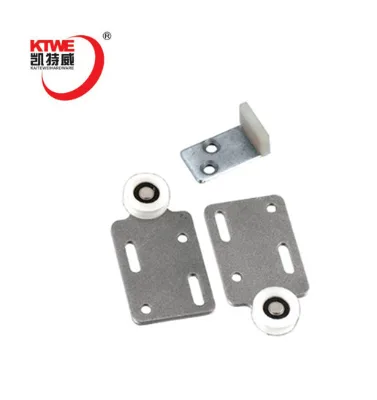


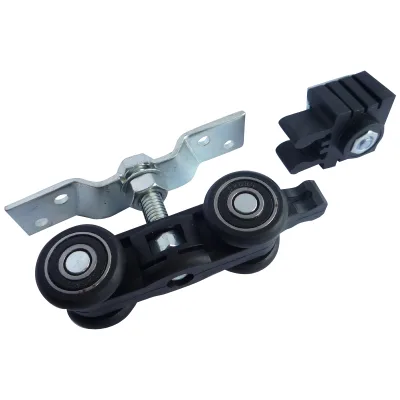
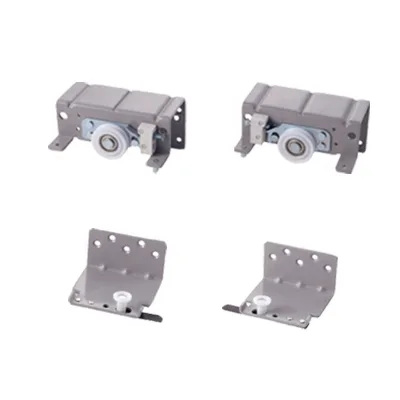


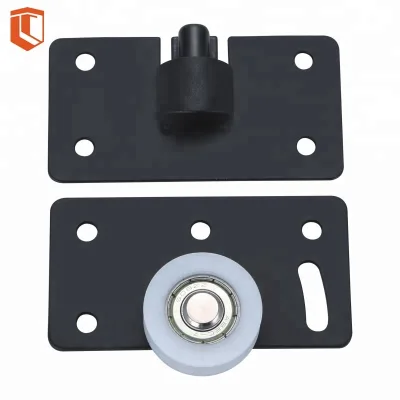
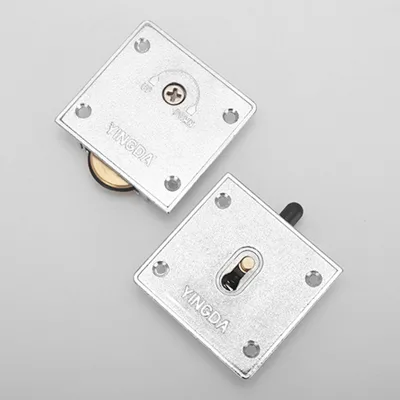
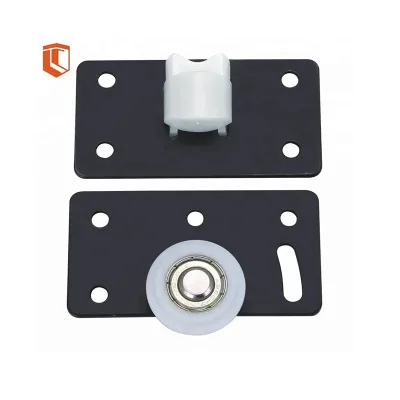
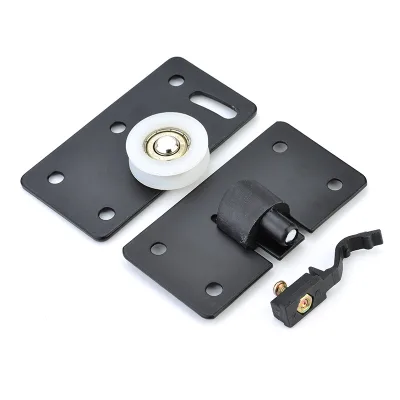
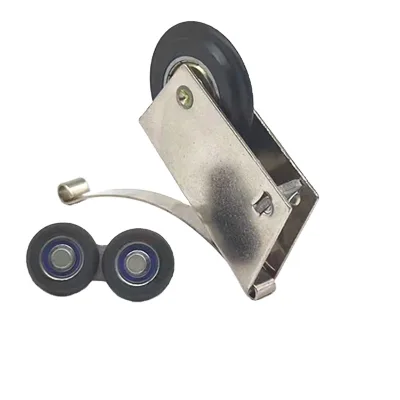
Good Sales Sliding Door Caster Roller Wheels for Wardrobe Door Hardware
$0.35 - $0.65
MOQ: 2000 pieces
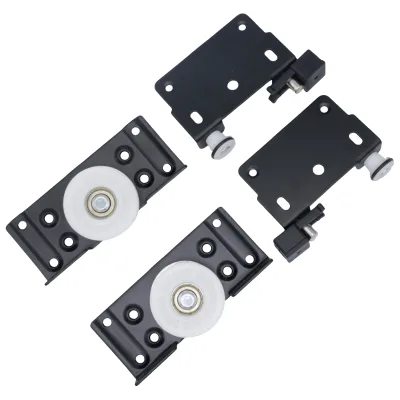
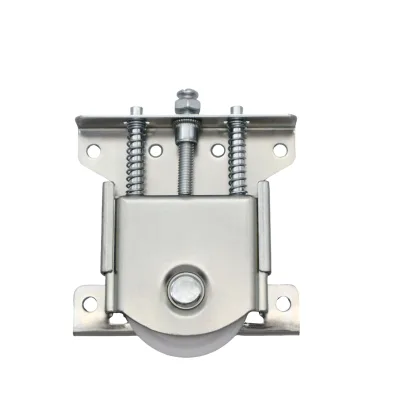
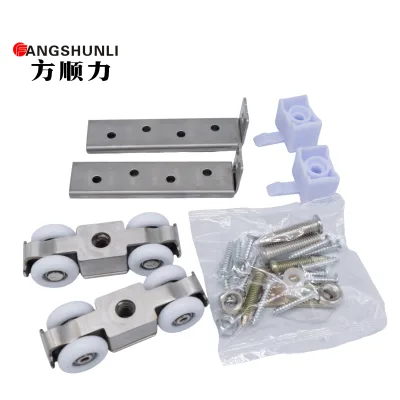
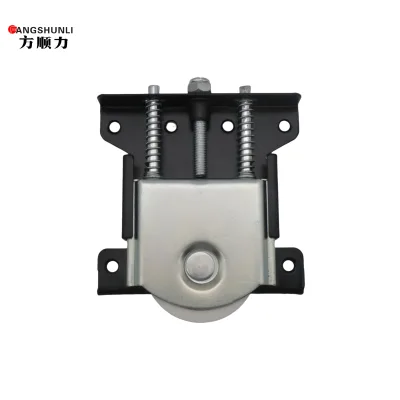
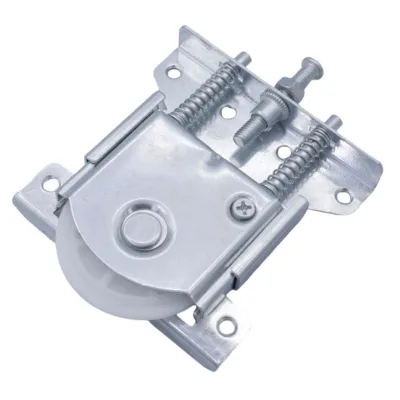
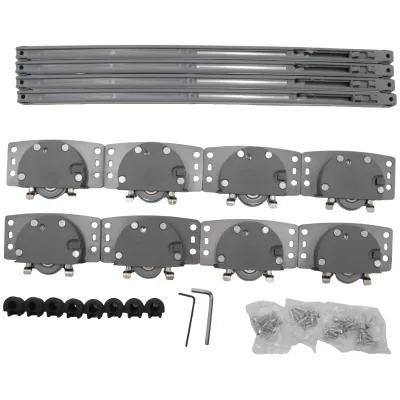
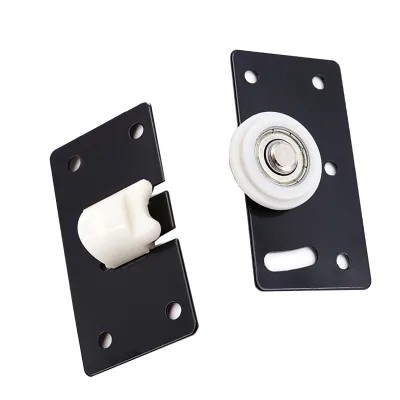
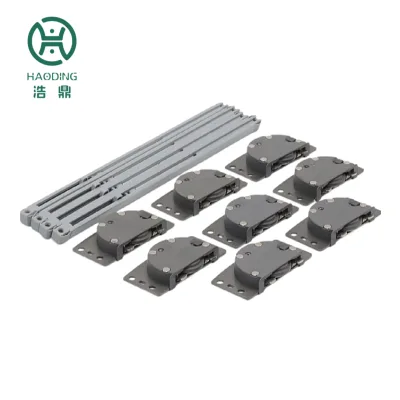
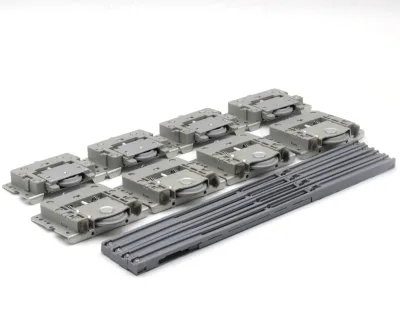
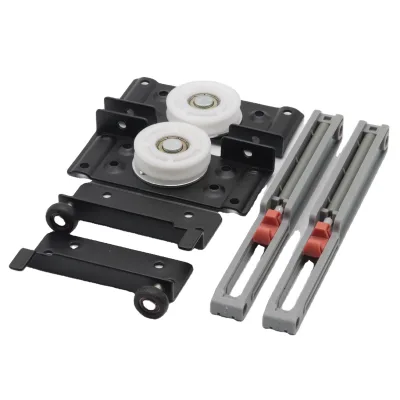
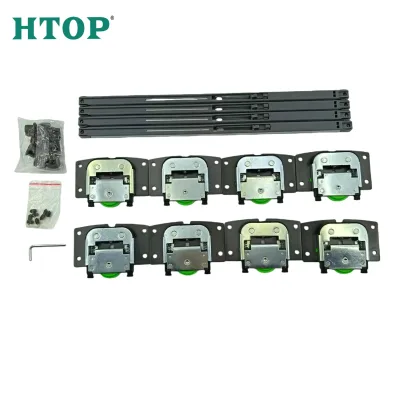
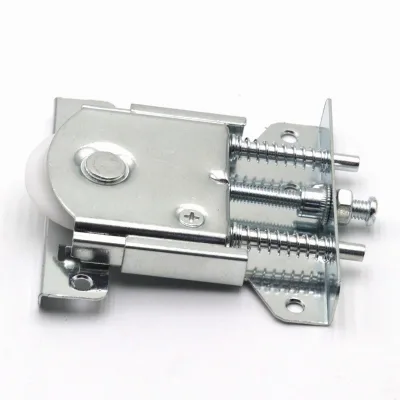
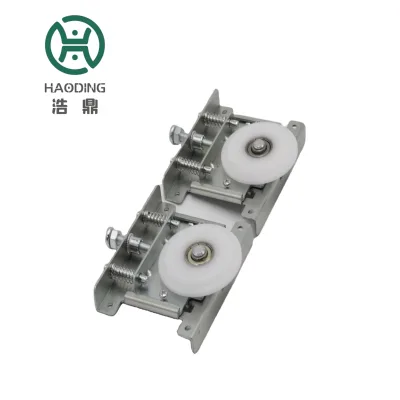
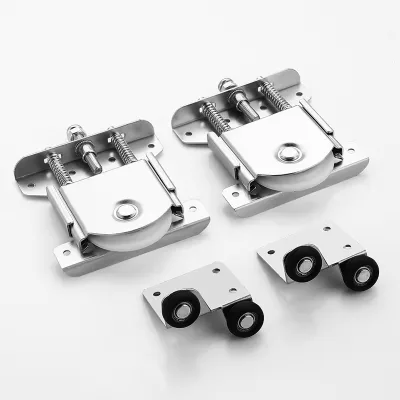
Comprehensive Sourcing Guide
Rust-Proof Nylon Sliding Wardrobe Wheel Sourcing Guide
Procurement teams must first distinguish between general alloy wheels and those specifically engineered with rust-proof nylon components for humid environments. The observed market data indicates that while many products list "Alloy" or "Iron" as the primary structural material, the critical wear surface often utilizes Nylon, PP, or POM to ensure smooth operation and corrosion resistance. Buyers should verify that the wheel material specification explicitly mentions these polymers rather than relying solely on the metal housing description, as the nylon component is the primary defense against rust in sliding applications.
When evaluating product listings, it is essential to cross-reference the stated finish with the material composition to ensure long-term durability. Some suppliers offer polished finishes on metal parts, which can provide a baseline level of protection, but this is often insufficient for high-moisture areas like bathrooms or coastal apartments. The sourcing strategy should prioritize items where the wheel material is explicitly defined as Nylon or Plastic, as these polymers inherently resist oxidation better than bare metal, ensuring the sliding mechanism remains functional without frequent maintenance or replacement.
Product Scope and Observed Listing Signals
The current market for sliding wardrobe wheels presents a wide variance in model numbers and packaging configurations, requiring careful scrutiny of individual product attributes. Listings frequently display model identifiers such as KTW12305, JLW-WADR-106, or MD199, each potentially representing different load capacities or mounting styles. Buyers must not assume that a single model number covers all wardrobe types; instead, they should verify the specific application details, such as whether the unit is designed for a single damper track or a standard double-track system, to ensure compatibility with existing furniture hardware.
Packaging and weight data serve as critical signals for logistics planning and cost estimation during the initial sourcing phase. Observed single package sizes range significantly from compact 5x5x5 cm units to larger 25x25x30 cm cartons, directly impacting shipping costs and storage requirements. Additionally, the single gross weight varies between 0.1 kg and 0.2 kg per item, which influences the total freight calculation for bulk orders. Procurement teams should calculate the total landed cost based on these specific packaging dimensions rather than relying on average estimates, as the variance can lead to unexpected budget overruns.
Technical Specifications to Verify
Load capacity is a non-negotiable technical parameter that determines the safety and longevity of the sliding door system. Available data points indicate specific load ratings, such as 80KGS, which must be matched against the actual weight of the wardrobe doors being installed. Selecting a wheel with insufficient load capacity can lead to premature failure, track deformation, or dangerous door detachment. Buyers must explicitly request the maximum load rating for the specific model they intend to purchase and ensure a safety margin is included to account for dynamic forces during operation.
The bearing type and surface treatment are equally critical for ensuring the smooth, low-noise operation expected in modern residential and commercial settings. Specifications often cite the inclusion of ball bearings, such as the 626 ball bearing, which significantly reduces friction compared to plain bushings. Furthermore, surface treatments like zinc plating are frequently mentioned to enhance corrosion resistance on metal components. Sourcing teams should verify that the bearing is sealed and that the plating process meets the required thickness standards to prevent rust from compromising the structural integrity of the wheel assembly over time.
Compliance and Safety Documentation
Certification status is a primary indicator of a supplier's commitment to quality management and product safety standards. The observed product data lists ISO, CE, and TUV certifications, which suggest that the manufacturing processes adhere to international quality benchmarks. However, buyers must confirm that these certifications are current and specifically cover the production of sliding door hardware, as general company certifications may not apply to every product model. Requesting valid certificate copies for the specific batch or model number is a necessary step to mitigate liability risks in the final installation.
Safety documentation should also address the mechanical reliability of the wheel under stress, particularly regarding the splittable nature of the product. Some listings indicate that the product is unsplittable, which implies a monolithic design that may offer higher structural integrity but limits repairability. In contrast, detachable designs might offer easier maintenance but require rigorous testing to ensure the connection points do not fail under load. Procurement teams should request test reports or failure analysis data to validate that the chosen design meets the safety requirements for the intended application environment.
Cost Drivers and Commercial Terms
Pricing in the sliding wheel market is highly competitive, with observed ranges spanning from $0.06 to $12 per unit depending on the complexity and material composition. The final cost is heavily influenced by the customization level, as standard models are generally more affordable than those requiring specific finishes or custom dimensions. Buyers should analyze the price-to-specification ratio carefully, ensuring that a lower price does not come at the expense of critical features like the nylon wheel material or the quality of the ball bearing, which are essential for rust-proof performance.
Minimum Order Quantity (MOQ) and lead times are significant commercial factors that affect cash flow and inventory planning. The observed MOQ ranges from 5 to 10,000 sets, with some suppliers requiring a minimum of 1,000 sets for specific models. Delivery times are typically quoted between 15 to 20 days, but this can vary based on the customization requirements and the supplier's current production capacity. Procurement strategies should align order volumes with these MOQ thresholds to avoid excessive per-unit costs while ensuring that the lead time accommodates the project schedule without causing delays.
Supplier Qualification and Quality Control
Supplier location and manufacturing origin play a vital role in the supply chain reliability and potential for logistical disruptions. The data indicates that production originates from regions such as Guangdong and Jiangxi in China, which are known hubs for hardware manufacturing. Buyers should verify the specific factory location to assess the supplier's proximity to ports and their experience with international shipping. Additionally, confirming that the supplier offers OEM and ODM services ensures they have the flexibility to adapt products to specific brand requirements or technical specifications.
Quality control processes must be rigorously defined to ensure consistency across large production batches. The presence of features like "Work Smoothly" and "Low Noise" suggests a focus on performance, but these claims must be backed by internal quality control protocols. Buyers should inquire about the supplier's inspection procedures for critical attributes such as the wheel material consistency, bearing installation, and surface treatment uniformity. Establishing a clear quality agreement that defines acceptable defect rates and testing methods is essential for maintaining the high standards required for furniture hardware.
Long-Term Procurement Checks
Sustainability and supply chain resilience are critical considerations for maintaining a stable procurement pipeline over the long term. Buyers should evaluate the supplier's ability to maintain consistent material sourcing, particularly for the nylon and alloy components that define the product's core functionality. Fluctuations in raw material prices or supply shortages can impact both cost and delivery schedules, so establishing a relationship with a supplier who has a robust supply chain management system is advisable. Regular audits of the supplier's production capacity and material sourcing strategies can help mitigate these risks.
Performance monitoring after the initial order is essential to validate the long-term durability of the rust-proof nylon sliding wheels. Buyers should implement a feedback loop to track the performance of the installed wheels in real-world conditions, specifically looking for signs of wear, noise, or corrosion. If the wheels are used in high-humidity environments, the effectiveness of the rust-proofing measures must be verified over time. Establishing a clear protocol for handling warranty claims and conducting periodic performance reviews ensures that the procurement strategy remains effective and that any issues are addressed promptly.
FAQs
What materials are used for sliding wardrobe door wheels?
The wheels typically use Nylon, Plastic, PP, or POM for the wheel material itself, while the structural components are made from Alloy, Iron, or Steel. Some models combine Iron with Nylon for durability. This combination ensures smooth operation and low noise, making them suitable for modern wardrobe applications in apartments and other furniture settings.
Can these wardrobe wheels be customized for specific projects?
Yes, customization is available for these sliding wardrobe door wheels. Buyers can request specific model numbers, packaging options, or design styles to match their requirements. The products support OEM and ODM services, allowing for tailored solutions. This flexibility ensures that the hardware meets precise functional and aesthetic needs for various furniture manufacturing projects.
What certifications do these sliding wardrobe wheels hold?
These sliding wardrobe door wheels hold ISO, CE, and TUV certifications. These credentials verify that the products meet international quality and safety standards. The certifications provide assurance for buyers regarding the reliability and compliance of the hardware. This makes the wheels suitable for export and integration into furniture products that require certified components for global markets.
What is the typical lead time for these products?
The typical delivery time for these sliding wardrobe door wheels is 15-20 days. This lead time applies to standard orders and allows for production and quality checks. Buyers should consider this timeframe when planning their inventory or project schedules. The consistent lead time helps in managing supply chain logistics effectively for furniture manufacturers and distributors.
How much weight can these wardrobe door rollers support?
Some models of these sliding wardrobe door rollers have a load capacity of 80KGS. This capacity ensures stability and smooth movement for heavy wardrobe doors. The robust design, often featuring ball bearings, supports significant weight without compromising performance. Buyers should verify the specific model's capacity to ensure it matches their door weight requirements for optimal functionality.
Where are these sliding wardrobe wheels manufactured?
These sliding wardrobe door wheels are manufactured in Guangdong and Jiangxi, China. These regions are known for their strong hardware manufacturing capabilities. The products originate from these locations, ensuring access to established supply chains and production expertise. Buyers can rely on the geographic origin for consistent quality and efficient logistics when sourcing these specific furniture hardware components.