Source RV Marine Water Pump for Fisheries, Ships, and Boats
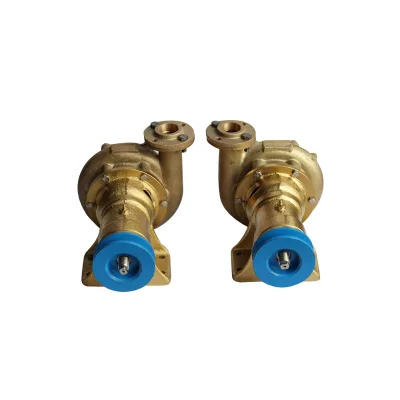
Compare 30 available RV Marine Water Pump options featuring motor-driven centrifugal designs for fisheries, ships, and marine cooling. These units support sea water and clarified water applications with customizable specifications and electric power supplies.
Key considerations
Products List


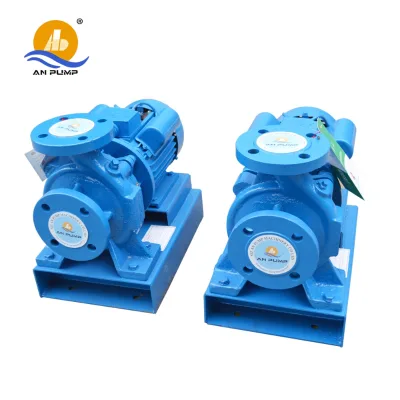


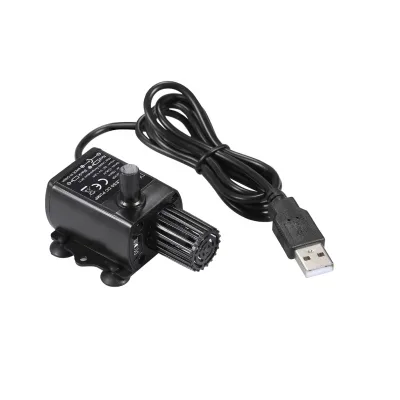
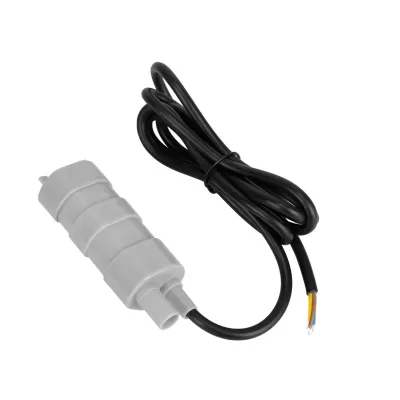
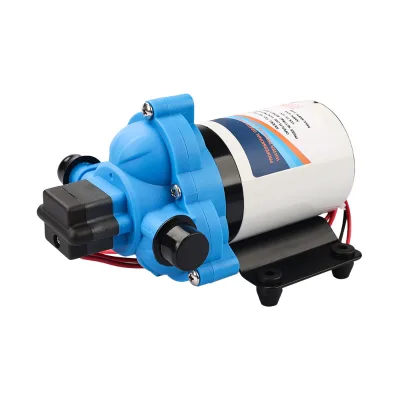
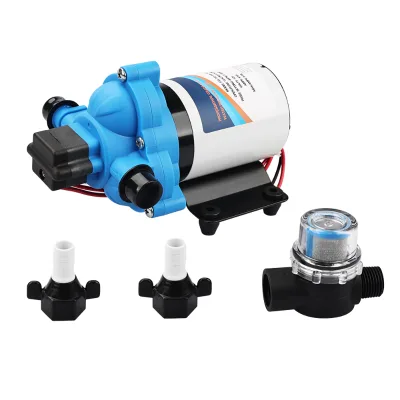
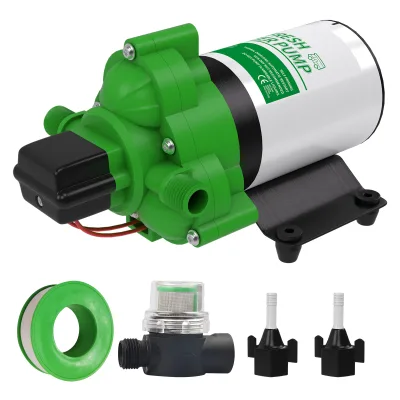
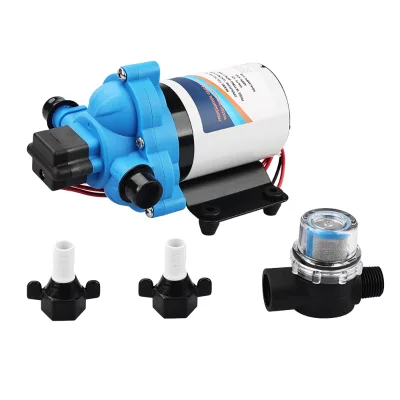
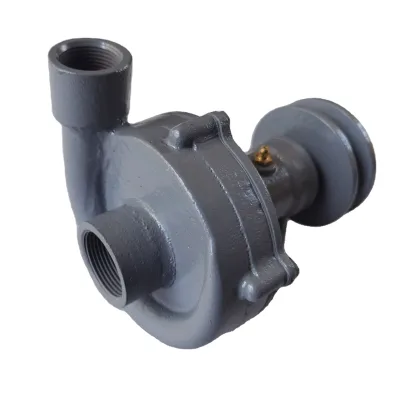
Comprehensive Sourcing Guide
Strategic Sourcing Guide for RV and Marine Water Pump Systems
Understanding Technical Specifications and Performance Parameters
When sourcing water pumps specifically designed for recreational vehicles (RV) and marine environments, buyers must prioritize technical attributes that align with the unique operational demands of mobile and aquatic applications. The core functionality of these systems relies heavily on the driving type, which is predominantly electric in modern configurations. This ensures reliable operation without the need for complex mechanical linkages to an engine, although the pumps often serve as critical components within marine engine sea water cooling systems. The theoretical basis for these units is typically the centrifugal pump, which offers efficient flow rates suitable for both fresh and saltwater applications.
A critical distinction in this category is the material composition. The supplied data indicates a prevalence of fluoroplastics and stainless steel (specifically SS 316) in the construction of these pumps. Stainless steel 316 is particularly vital for marine applications due to its superior resistance to corrosion in saltwater environments, whereas fluoroplastics may be utilized for specific wetted parts to prevent chemical degradation. The structural design often features a multistage configuration, which is essential for achieving higher head pressures required for long-distance water transfer or high-pressure cleaning systems on board.
Performance metrics vary significantly across the market, and buyers must verify specific ranges against their operational needs. Observed data suggests a maximum head range between 10 and 30 meters, with specific models capable of reaching up to 23 meters. The flow rate is another pivotal specification, with observed maximums reaching 540 liters per minute, and capacities exceeding 400 liters per minute for high-volume applications. Power requirements generally fall within the 0.33 to 3 horsepower range, driven by electric motors operating on standard 220-240V/50Hz power supplies. It is imperative to note that the maximum working pressure for these units is typically around 0.3 MPa, and the operating water temperature range is generally between 5 and 50 degrees Celsius. Buyers should also verify the insulation class, with 'F' being a common standard, and the waterproof rating, which is often IP55, ensuring protection against dust and water jets.
Compliance, Certification, and Safety Standards
In the B2B procurement of marine and RV equipment, compliance with international standards is not merely a formality but a prerequisite for safety and market access. The supplied context highlights ISO9001 as a relevant certification, indicating that manufacturers should maintain a quality management system that ensures consistent product quality. For marine applications, adherence to specific industry standards is crucial, as these pumps often operate in harsh, corrosive environments where failure can lead to catastrophic consequences.
Buyers must verify that the product standards align with the intended application, whether for ship use, marine engine cooling, or general freshwater treatment. The data mentions specific dimensions such as 635275380 mm (LWH) as a standard package size, which serves as a reference for logistical planning but does not replace the need for verifying specific dimensional tolerances. Furthermore, the "standard" designation in product specifications should be cross-referenced with actual engineering drawings to ensure compatibility with existing RV or vessel plumbing systems.
Safety certifications extend beyond quality management to include electrical safety and material compliance. The insulation class 'F' and waterproof rating 'IP55' are specific attributes that must be validated through independent testing reports. Buyers should request documentation proving that the electrical components meet the voltage and frequency requirements of the target market, particularly regarding the 220-240V/50Hz specification. Additionally, the use of SS 316 stainless steel and fluoroplastics must be verified against material safety data sheets (MSDS) to ensure they meet environmental and health regulations for drinking water or industrial use, especially given the diverse applications ranging from family homes to industrial boilers.
Cost Drivers and Pricing Structure Analysis
The pricing landscape for RV and marine water pumps is influenced by a complex interplay of material costs, manufacturing complexity, and customization requirements. The observed price range in the market spans from 4.28 USD to 100,000 USD, a vast disparity that reflects the difference between small, single-stage units and large, industrial-grade multistage systems. This wide range underscores the importance of defining precise technical requirements before engaging in price negotiations.
Material selection is a primary cost driver. Pumps constructed with high-grade stainless steel 316 and fluoroplastics command a premium over those using standard materials due to the enhanced durability and corrosion resistance required for marine environments. The complexity of the multistage structure also adds to the manufacturing cost, as it involves more intricate assembly and precision engineering compared to single-stage centrifugal pumps. Furthermore, the power rating significantly impacts the price; units with higher horsepower (up to 3 HP) and higher flow rates (540 L/min) will naturally be more expensive than lower-capacity models.
Customization is another significant factor. The availability of OEM, ODM, and OBM support allows buyers to tailor pumps to specific vessel or RV configurations, but this level of customization incurs additional costs. Buyers should be aware that while the minimum order quantity (MOQ) can be as low as 1 piece for sample orders, bulk purchases may benefit from economies of scale. The payment terms, such as T/T (Telegraphic Transfer), and the FOB location (e.g., Ningbo) also influence the final landed cost, as logistics and insurance expenses must be factored into the total budget.
Typical Applications and Industry Use Cases
The versatility of RV and marine water pumps is evident in their diverse range of applications. The supplied data identifies several key sectors, including fisheries, commercial buildings, and industrial utilities. In the marine context, these pumps are frequently used for sea water cooling in engines, a critical function for maintaining engine temperature and preventing overheating during operation. The specific mention of "marine engine sea water cooling pump" highlights the specialized nature of these units in maintaining the thermal efficiency of propulsion systems.
Beyond cooling, these pumps serve a multitude of functions in the RV and marine industries. They are utilized for clarified water and sewage pumping, ensuring that waste management systems on board operate efficiently. The application list also includes drinking water treatment, irrigation, and HVAC OEM uses, indicating that these pumps are integral to the broader infrastructure of mobile and aquatic facilities. In the automotive and biofuel industries, they may be employed for fluid transfer and cooling processes, while in developing world water solutions, they play a role in providing essential water access.
The ability to handle different media, such as sea water and clarified water, is a defining characteristic. The pumps are designed to operate in environments ranging from family homes to industrial boilers, demonstrating their adaptability. The "Fisheries Pump" designation suggests specific utility in aquaculture, where reliable water circulation is essential for the health of marine life. Buyers should carefully match the pump's application profile to their specific operational needs, ensuring that the selected unit can handle the intended media and environmental conditions without degradation.
Supplier Evaluation and Sourcing Strategy
Evaluating suppliers for RV and marine water pumps requires a rigorous approach that goes beyond simple price comparison. The location of the manufacturer, often cited as Zhejiang or China, provides insight into the supply chain dynamics, but buyers must verify the specific capabilities of the supplier. The presence of a "Sample Order: Accepted" policy is a positive indicator, allowing buyers to test product quality before committing to larger orders. However, the acceptance of samples does not guarantee that the mass-produced units will meet the same standards.
Key evaluation criteria should include the supplier's ability to provide customization support, including OEM, ODM, and OBM services. The ability to reengineer software or adapt the pump design for specific applications is a valuable asset for buyers with unique requirements. Buyers should also assess the supplier's track record in meeting industry standards and certifications. The mention of ISO9001 suggests a commitment to quality, but buyers should request evidence of this certification and any other relevant industry-specific accreditations.
Logistics and packaging are also critical factors. The data indicates that products are packed in cartons, wooden boxes, or standard packages, with some utilizing carton plus pallet configurations. The fitting size, such as 60.3/63 mm or 3-inch outlets, must be compatible with the buyer's existing infrastructure. The cable length, noted as 100 in some contexts, should be verified to ensure it meets the installation requirements. Buyers should also consider the lead time and the supplier's ability to meet delivery schedules, as delays in the supply chain can disrupt operations in time-sensitive industries like marine transport.
Quality Control and Long-Term Procurement Considerations
Ensuring the long-term reliability of RV and marine water pumps requires a robust quality control strategy. Buyers should implement a verification process that includes checking the physical attributes of the product, such as the material composition, insulation class, and waterproof rating. The use of stainless steel 316 and fluoroplastics should be confirmed through material certificates, and the electrical components should be tested for compliance with the specified voltage and frequency.
Long-term procurement considerations also involve the maintenance and support aspects of the pump. Buyers should inquire about the availability of spare parts, such as filters with a 2.6 L capacity, and the ease of assembly for the liquid pump systems. The warranty terms and after-sales support are crucial for minimizing downtime and ensuring the longevity of the equipment. Additionally, buyers should consider the environmental impact of the pump, particularly in terms of energy efficiency and the potential for leakage or contamination in sensitive marine environments.
The following table summarizes key technical attributes and their implications for procurement:
| Attribute | Observed Value/Range | Procurement Implication |
|---|---|---|
| Driving Type | Motor | Ensures electric operation; verify voltage compatibility. |
| Material | Fluoroplastics, Stainless Steel (SS 316) | Critical for corrosion resistance in marine environments. |
| Max. Head | 10-30m (up to 23m observed) | Determines vertical lift capability; match to system requirements. |
| Max. Flow Rate | 540 L/Min | Defines volume capacity; essential for high-demand applications. |
| Power | Electric (0.33-3 HP) | Impacts energy consumption and motor sizing. |
| Waterproof | IP55 | Ensures protection against water ingress; verify for marine use. |
| Insulation | Class F | Indicates thermal resistance; crucial for motor longevity. |
| Certification | ISO9001 | Validates quality management system; request proof. |
By adhering to these guidelines and focusing on the specific technical and compliance requirements outlined, buyers can make informed decisions that ensure the reliability and efficiency of their RV and marine water pump systems. The procurement process should be viewed as a strategic partnership, where clear communication of needs and rigorous verification of supplier capabilities lead to successful outcomes.
FAQs
What material is used for marine engine sea water cooling pumps?
Stainless steel 316 and fluoroplastics are the primary materials used. Stainless steel 316 provides superior corrosion resistance for saltwater environments, while fluoroplastics prevent chemical degradation in wetted parts.
Can these pumps operate on standard electrical supplies?
Yes, they typically operate on 220-240V/50Hz power supplies. The units feature electric motors with insulation class F and waterproof ratings of IP55 to ensure safe operation in marine and RV settings.
Which flow rates are available for high-capacity applications?
Maximum flow rates can reach up to 540 liters per minute. Some models offer capacities exceeding 400 liters per minute, suitable for diverse applications ranging from fisheries to industrial utilities.
How is customization supported for specific vessel requirements?
OEM, ODM, and OBM customization support is available for tailored solutions. Buyers can request specific engineering reengineering to adapt pumps for unique marine engine cooling or sewage pumping needs.
What is the minimum order quantity for sample orders?
The minimum order quantity can be as low as one piece for sample orders. This allows buyers to verify product quality and specifications before committing to larger bulk purchases.
Which certifications ensure quality management for these pumps?
ISO9001 certification is a key standard indicating consistent product quality. Buyers should verify this certification to ensure the manufacturer maintains a robust quality management system for marine applications.
What is the maximum working pressure for these units?
The maximum working pressure is typically around 0.3 MPa. This pressure rating is suitable for various applications including clarified water pumping, sewage handling, and marine engine cooling systems.