Source Safety Jacket for Security, Traffic, and Sanitation Workers
Compare 30 Safety Jacket options from verified manufacturers. These reflective coats feature waterproof and breathable materials suitable for security staff, traffic wardens, and sanitation workers in winter or spring conditions; compare the available evidence and request quotations based on your requirements.
Key considerations
Products List


Mens Security Jacket Winter Safety Security Work Coats and Jackets for Men
$23.00 - $25.00
MOQ: 50 Piece

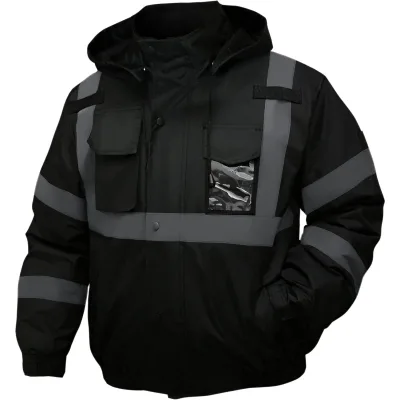


$19.00 - $19.90
MOQ: 1000


Comprehensive Sourcing Guide
Safety Jacket Sourcing Guide
Procuring safety jackets requires a disciplined approach to balancing protective performance with operational comfort. Buyers must first define the specific hazard environment, whether it involves high-visibility traffic control, industrial construction, or general security duties. The supplied data indicates a strong market presence for reflective coats designed for sanitation workers, traffic wardens, and security staff, suggesting that high-visibility features are a primary driver for these purchases. Understanding the exact usage context allows buyers to prioritize attributes like windproofing, breathability, and durability over purely aesthetic considerations.
The observed product landscape reveals a diverse range of materials and styles, from padded winter coats to all-in-one structures suitable for spring and autumn use. Buyers should note that customization is widely available, with options for OEM branding and specific color requirements such as fluorescent yellow. This flexibility supports large-scale corporate procurement where uniformity and brand identity are crucial. However, the variety also introduces complexity, requiring buyers to carefully match technical specifications like fabric composition and zipper quality to the intended seasonal and functional demands of their workforce.
Product Scope and Observed Listing Signals
The current market signals indicate a robust supply of safety jackets tailored for adult users, with a strong emphasis on unisex designs that simplify inventory management for large organizations. Listings frequently highlight features such as windproof, waterproof, and dust-proof capabilities, which are essential for outdoor workers exposed to variable weather conditions. The presence of breathable and anti-static properties further suggests that these garments are engineered for active environments where worker comfort and safety are intertwined. Buyers should look for these combined attributes to ensure the jackets provide comprehensive protection without compromising mobility or thermal regulation.
Observed product models and packing details reveal a standardized approach to logistics, with common packaging formats including polybags and cartons containing specific quantities like one piece per polybag or eight pieces per carton. This standardization aids in predicting shipping volumes and storage requirements. Additionally, the availability of custom packing solutions indicates that suppliers are willing to adapt to specific client needs, which can be beneficial for companies with unique distribution channels. Buyers should verify these packing details early in the sourcing process to avoid unexpected logistical challenges upon delivery.
Technical Specifications to Verify
Fabric composition is a critical technical specification that directly impacts the jacket's performance and longevity. The supplied facts mention materials such as polyester, cotton, and blends, with some listings specifying 100% polyester linings. Buyers must verify the exact ratio of these materials to ensure the jacket meets the required balance of durability, breathability, and comfort. For instance, polyester offers excellent water resistance and quick-drying properties, while cotton adds comfort and breathability. Understanding these material properties helps buyers select jackets that are suitable for their specific operational climate and activity levels.
Zipper quality and structural integrity are other vital technical aspects that require careful verification. Listings often specify the use of YKK or SBS zippers, which are known for their reliability and smooth operation. Buyers should confirm the zipper brand and type to ensure it can withstand frequent use and harsh conditions. Additionally, the structure of the jacket, whether it is an all-in-one design or a separate coat and pants combination, should align with the worker's mobility needs. Verifying these details prevents premature failure of critical components and ensures the jacket remains functional throughout its intended lifespan.
Compliance and Safety Documentation
High-visibility safety jackets must meet specific standards to ensure they provide adequate protection in low-light conditions. While the supplied context mentions ISO 20471 and EN17092 as background standards, buyers must verify the exact compliance status of each product. These standards dictate the minimum area of fluorescent material and retroreflective tape required for different risk classes. Buyers should request test reports or certification documents from suppliers to confirm that the jackets meet the relevant national or international standards for their intended use. This verification is crucial for legal compliance and worker safety.
Waterproofing and durability are also key compliance factors, especially for jackets used in wet or hazardous environments. The observed listings mention waterproof taped seams and durable fabrics, which are essential for maintaining protection over time. Buyers should inquire about the specific waterproof ratings and testing methods used by the supplier. Additionally, anti-static properties may be required in certain industrial settings to prevent sparks or electrical hazards. Confirming these technical claims through documentation ensures that the jackets provide the promised level of protection and reduces the risk of workplace accidents.
Cost Drivers and Commercial Terms
The cost of safety jackets is influenced by several factors, including material quality, customization options, and order volume. The observed price range of 1-32.6 USD suggests a wide variation based on these factors. Buyers should understand that higher prices often correlate with better materials, such as premium polyester blends or branded zippers, and more extensive customization options like OEM branding. Conversely, lower prices may indicate simpler designs or standard materials. Understanding these cost drivers helps buyers make informed decisions that balance budget constraints with performance requirements.
Minimum Order Quantities (MOQ) and lead times are significant commercial terms that affect procurement planning. The observed MOQ range of 50-2000 pieces indicates that suppliers have varying flexibility, with some accepting smaller orders for testing or smaller teams. Lead times can vary significantly, with some suppliers offering samples in 5-15 days and delivery times ranging from 60-90 days to three months. Buyers should negotiate these terms early to align with their project timelines and budget cycles. Clear communication about delivery expectations helps avoid delays and ensures that the jackets are available when needed.
Supplier Qualification and Quality Control
Supplier qualification is a critical step in ensuring the reliability and consistency of Safety Jacket procurement. Buyers should verify the supplier's business type, with many listings indicating they are manufacturers and exporters. This direct involvement in production can offer advantages in terms of quality control and cost efficiency. Additionally, suppliers offering OEM and ODM services demonstrate flexibility and capability in meeting specific client requirements. Buyers should assess the supplier's experience and reputation in the industry to ensure they can deliver high-quality products consistently.
Quality control processes should be clearly defined and agreed upon before placing orders. Buyers should inquire about the supplier's inspection procedures, including pre-production samples and final random inspections. The observed sample times of 7-15 days provide an opportunity to evaluate the product's quality and fit before committing to a large order. Buyers should use this phase to verify that the samples meet all technical specifications and compliance requirements. Establishing a robust quality control framework helps minimize the risk of receiving defective or non-compliant products.
Long-Term Procurement Checks
Long-term procurement success depends on establishing a reliable supply chain that can adapt to changing needs and market conditions. Buyers should regularly review supplier performance, including delivery times, product quality, and responsiveness to issues. Building a strong relationship with suppliers can lead to better pricing, priority production, and improved service. Additionally, buyers should stay informed about updates to safety standards and industry trends to ensure their procurement strategies remain relevant and effective. Continuous evaluation and adjustment of procurement practices help maintain a high standard of worker protection and operational efficiency.
Sustainability and ethical sourcing are increasingly important considerations in long-term procurement. Buyers should inquire about the supplier's environmental practices and labor standards to ensure they align with corporate social responsibility goals. The observed origin of products in China, Liaoning, and Taian provides context for logistical planning, but buyers should also consider the broader implications of their supply chain choices. By prioritizing ethical and sustainable practices, buyers can contribute to a more responsible and resilient procurement ecosystem. This approach not only benefits the organization but also supports the well-being of workers and communities throughout the supply chain.
FAQs
What customization options are available for safety jackets?
Customization is available for these safety jackets, allowing buyers to request specific designs or branding. The product supports OEM and ODM services, enabling tailored solutions for security staff and sanitation workers. Buyers can specify colors, patterns, and functional features like windproof or waterproof properties to meet unique operational needs.
How long does it take to receive samples of safety jackets?
Sample times vary between 5 to 15 days depending on the specific supplier and order complexity. Some manufacturers require 7 to 10 days for standard samples, while others may need up to 15 days. This timeframe allows for the production of high-quality prototypes that meet the required waterproof and breathable specifications before bulk manufacturing begins.
Which materials are used to construct these safety jackets?
These jackets are primarily constructed from polyester or a blend of polyester and cotton. The fabric is designed to be durable, breathable, and waterproof, ensuring comfort for workers in various conditions. Some models feature 100% polyester lining to enhance thermal retention and protection against wind and dust during winter operations.
What is the minimum order quantity for Safety Jacket production?
The minimum order quantity typically starts at 100 pieces, though some suppliers may require up to 2000 units. This MOQ ensures cost-effective production while allowing flexibility for different business sizes. Buyers should confirm specific requirements with manufacturers, as packaging and lead times may vary based on the total order volume requested.
Can safety jackets be customized for specific workplace environments?
Yes, safety jackets can be customized for specific environments like factories, road administration, or security roles. Features such as reflective coatings, fluorescent yellow colors, and specific sizes like S or 180/100B are available. Buyers can request tailored solutions including custom zippers and packaging to suit the unique demands of their workforce and operational safety standards.
What is the typical delivery time for bulk Safety Jacket orders?
Delivery times generally range from 60 to 90 days after the order is confirmed. Some suppliers may require up to three months for production and shipping. This lead time accounts for manufacturing, quality checks, and logistics, ensuring that the final products meet the required standards for waterproofing, durability, and breathability before reaching the buyer.
How are safety jackets packaged for shipment and storage?
Jackets are typically packed one piece per polybag, with 8 to 20 pieces per carton depending on the supplier. Custom packaging requirements are also available to meet specific logistical needs. This method protects the garments during transit and ensures they remain clean and undamaged, preserving their waterproof and breathable qualities until they reach the end user.