Source Safety Lidar for AGVs, robots, and autonomous vehicles
Compare 30 verified Safety Lidar units from Chinese manufacturers offering digital and analog outputs with IP ratings and ISO certifications. Buyers can evaluate models like TH-K20 and SEECAR for scanning angles up to 270 degrees and detection ranges suitable for industrial automation.
Key considerations
Products List


Versatile Indoor and Outdoor Lidar Solution for Equipment Safety Management
$2900.00 - $7290.00
MOQ: 1 Pieces

Industrial-Grade Lidar with Superior Detection and Structural Compatibility
$2900.00 - $7290.00
MOQ: 1 Pieces


Non Contact Safety Detection Lidar with 270 Degree Wide Angle Coverage
$1000.00 - $2000.00
MOQ: 1 Pieces

Fast Response Safety Lidar, Minimum Response Time 70ms for Critical Applications
$1000.00 - $2000.00
MOQ: 1 Pieces

5 Meter Protection Range Lidar with 40 Meter Warning Distance and IP65 Rating
$1000.00 - $2000.00
MOQ: 1 Pieces

Quick Mounting Safety Lidar with Optional Bracket for Flexible Installation
$1000.00 - $2000.00
MOQ: 1 Pieces

Type 3 Safety 2D Lidar with 64 Configurable Zones Industrial Robot Area Monitoring Sensor
$1000.00 - $2000.00
MOQ: 1 Pieces

Intelligent Lidar Visual All in One for Real Time 3D Environment Perception
$4800.00 - $6000.00
MOQ: 1 Pieces
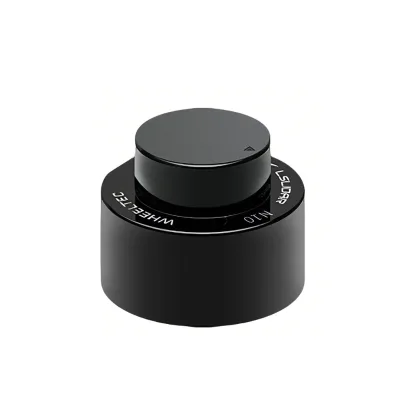
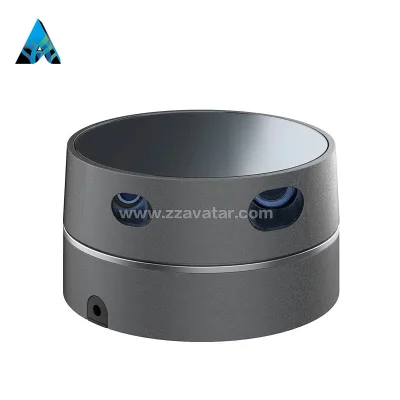

Smart Lidar Technology for Enhanced Navigation and Obstacle Avoidance
$720.00 - $1500.00
MOQ: 1 Pieces


High Performance Nature Navigation Laser Lidar Automated Guided Vehicle
$30000.00 - $50000.00
MOQ: 5 Pieces

Track and Trackless Managetic Laser Lidar Nature Slam Navigation Agv
$5500.00 - $28000.00
MOQ: 5 Pieces
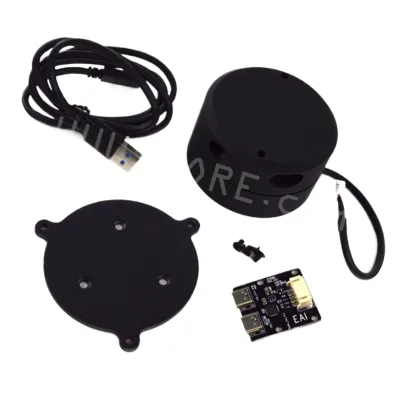


360 Degree Lidar Sensor for Agv and Mobile Robotics Obstacle Avoidance Anti-Collision
$1950.00 - $3800.00
MOQ: 1 Pieces
Comprehensive Sourcing Guide
Strategic Sourcing Guide for Safety Lidar Systems
Understanding Core Technical Specifications
When initiating a procurement strategy for Safety Lidar, the primary focus must be on aligning technical specifications with the specific operational environment of the intended application. The provided product data reveals a diverse landscape of sensor capabilities, ranging from angular displacement sensors to digital laser displacement units. Buyers must first distinguish between the output signal types available in the market, as this dictates the integration complexity with existing control systems. The observed data indicates the presence of both digital and analog output signal types. A digital type output often implies direct compatibility with modern microcontrollers and industrial PLCs, whereas analog signals may require additional conditioning circuitry.
The physical dimensions and standard configurations are critical for mechanical integration. Sourcing teams should verify the physical footprint against their design constraints. For instance, specific models in the current market have been observed with standard dimensions such as 107.7102117mm or 108102170mm. Another variant presents a compact profile of 115mm100mm90mm. These variations necessitate a careful review of the Bill of Materials (BOM) to ensure the sensor housing will fit within the designated enclosure without compromising thermal management or structural integrity.
Performance metrics regarding detection and measurement ranges are equally vital. The data highlights sensors capable of measurement ranges up to 40 meters with an accuracy of 80%, while others offer a protective range of up to 5 meters with a 2% tolerance. Detection distances can vary significantly, with some units supporting up to 250 meters at 10% reflectivity. Buyers must scrutinize the measurement error specifications, which can range from ±30mm in certain configurations. Furthermore, the scanning angle is a key differentiator; units with a 270-degree scanning angle offer broader coverage compared to those with a 120°×25° field of view. The vertical laser beam harness capacity, observed at 1500 wires per second with configurable options, suggests high-speed data processing capabilities suitable for dynamic environments.
Compliance and Certification Verification
In the realm of safety-critical applications, certification is not merely a formality but a prerequisite for operational legality and risk mitigation. The procurement process must rigorously validate that the supplied lidar systems possess the necessary international certifications. The available product data confirms the existence of units certified under ISO standards, RoHS compliance, and CE marking. These certifications indicate adherence to specific safety, environmental, and electromagnetic compatibility requirements.
Buyers should not assume that all listed products carry every certification. The data shows a mix of attributes where some units are marked as "Customized" while others are "Non-Customized," which may influence their certification status. It is imperative to request current, valid certificates for every batch purchased. The presence of ISO certification suggests a quality management system in place, while RoHS compliance ensures the absence of restricted hazardous substances, which is crucial for environmental regulations in many regions. CE marking is particularly significant for products entering the European market, indicating conformity with health, safety, and environmental protection standards.
When evaluating suppliers, the documentation provided must explicitly state the specific version of the standard met. For example, while general ISO certification is noted, specific industry standards like ISO 26262 for functional safety in automotive applications are often required but should be verified on a case-by-case basis. Do not rely on general background knowledge or implied compliance; demand the actual test reports and certification documents from the supplier. The absence of a specific certification in the provided data for a particular model should be treated as a gap that must be filled before procurement, rather than an assumption of non-compliance.
Cost Drivers and Pricing Structures
The pricing landscape for Safety Lidar systems is highly variable, influenced by a complex matrix of technical specifications, customization levels, and production processes. The observed price range in the market spans from $1 to over $105,000 USD. This vast disparity underscores the importance of defining the exact requirements before engaging in price negotiations. High-cost units typically correlate with advanced features such as high scanning frequencies (e.g., 6.2Hz), superior angular resolution (0.5 degrees), and extended detection ranges. Conversely, lower-cost options may be limited to basic analog outputs or shorter measurement ranges.
Production processes also play a significant role in cost determination. The data indicates a shift from traditional integration methods to "SemiConductor Integrated" processes. Semiconductor integration often allows for higher precision and miniaturization, which can drive up the unit cost but may reduce long-term maintenance expenses. Additionally, the availability of customization is a major cost driver. Products marked as "Customized" generally command a premium due to the engineering effort required to tailor the sensor to specific application needs. Buyers must weigh the initial investment against the long-term value of a customized solution versus a standard off-the-shelf unit.
Minimum Order Quantity (MOQ) is another critical financial factor. The observed MOQ range is between 1 and 10 units. This flexibility allows small-scale projects to test the technology with minimal financial risk, while larger enterprises can leverage volume discounts. However, buyers should be aware that customizations often come with higher MOQs or non-refundable engineering fees. The packaging method, whether "Carton Box" or "Air or Sea" shipping, can also impact the final landed cost, particularly for international procurement where shipping logistics are a significant portion of the total expense.
Typical Applications and Use Cases
Safety Lidar systems are deployed across a wide array of industries, each with unique demands regarding detection range, accuracy, and environmental resistance. The technical attributes observed in the product data point to several distinct application scenarios. The "Low Temperature Resistant" feature suggests suitability for cold storage facilities, outdoor winter operations, or Arctic environments where standard electronics might fail. Similarly, the "Conductor" feature and specific scanning angles indicate potential use in industrial automation for material handling and conveyor belt monitoring.
The high detection distance of 250 meters and the 270-degree scanning angle make certain models ideal for perimeter security and large-scale infrastructure monitoring, such as airports, ports, or extensive warehouse facilities. In contrast, units with a 5-meter protective range and ±30mm error are better suited for close-proximity robotics, such as autonomous mobile robots (AMRs) in manufacturing floors or service robots in logistics. The "Angular Displacement" attribute highlights applications in precise positioning and alignment tasks, where the sensor acts as a high-precision encoder or reference point.
Furthermore, the "Video outgoing-inspection" feature suggests a role in quality control systems where visual data is integrated with lidar point clouds for comprehensive defect detection. The "Digital Laser Displacement Sensor" type is particularly relevant for dimensional inspection in automotive or aerospace manufacturing. The "Frame Rate" of 10fps and "Vertical Laser Beam Harness" capacity indicate that these systems can handle real-time data processing for dynamic environments, such as traffic management or smart city surveillance. Buyers must match the specific application's environmental and performance needs with the sensor's documented capabilities to ensure optimal system reliability.
Supplier Evaluation and Selection Criteria
Selecting the right supplier for Safety Lidar systems requires a multi-dimensional evaluation beyond just price and specifications. The data indicates that suppliers offer products with varying levels of customization and origin locations, such as "Baoding, Hebei, China" or general "China" origins. While location can influence lead times and shipping costs, the primary focus should be on the supplier's ability to deliver consistent quality and technical support.
Buyers should verify the "Brand Name" and "Warranty" terms provided. A standard one-year warranty is observed, but for critical safety applications, extended warranty options or service level agreements (SLAs) should be negotiated. The "Compatible Brand" attribute, listed as "Other," suggests that some sensors are designed for universal integration, which can be advantageous for system integrators looking to avoid vendor lock-in. However, this also requires thorough testing to ensure seamless communication with existing interfaces, such as the "UART(TTL)" communication interface noted in the data.
The production process, whether "Integration" or "SemiConductor Integrated," is a strong indicator of the supplier's technological maturity. Suppliers utilizing advanced semiconductor integration are likely to offer higher reliability and better performance consistency. Additionally, the "Single package size" of 26X18X25 cm provides insight into the logistics capabilities of the supplier. A supplier with a robust logistics network can ensure that the "Air or Sea" shipping options are managed efficiently, minimizing the risk of damage during transit.
Quality Control and Testing Protocols
Ensuring the quality of Safety Lidar systems is paramount, as failures in these devices can lead to significant safety hazards. The procurement process must include a rigorous quality control (QC) protocol that aligns with the product's specifications. The "Accuracy Grade" of 0.1G and "Accuracy" of 1% are key metrics that must be verified through independent testing. Buyers should require pre-shipment inspection reports that confirm these accuracy levels under various environmental conditions.
The "Measurement Error" of ±30mm and "Detection Distance" specifications must be validated against real-world performance. Suppliers should provide test data that demonstrates the sensor's performance at the limits of its operating range, such as the 250-meter detection distance at 10% reflectivity. The "Video outgoing-inspection" feature mentioned in the data suggests that some suppliers offer remote inspection capabilities, which can be a valuable tool for buyers to verify the physical condition and functionality of the units before they leave the factory.
Quality control should also extend to the packaging and shipping process. The "Carton Box" and "Air or Sea" packaging options must be evaluated for their ability to protect the sensitive electronic components during transit. Buyers should inspect the packaging for signs of damage and ensure that the "Standard" packaging meets the requirements for the specific shipping route. Additionally, the "Customization" status should be verified to ensure that the final product matches the agreed-upon specifications, particularly for non-standard models.
Long-Term Procurement and Lifecycle Management
Sourcing Safety Lidar systems is not a one-time transaction but a long-term partnership that requires careful lifecycle management. The "Warranty" period of 1 year is a starting point, but buyers should plan for the entire operational life of the sensor. This includes considering the availability of spare parts, firmware updates, and technical support. The "Communication Interface" and "Scanning Frequency" are technical attributes that may become obsolete over time, so buyers should ensure that the supplier has a roadmap for future compatibility and upgrades.
The "Selling Units" of "Single item" indicate that the market supports both small-scale trials and large-scale deployments. For long-term procurement, buyers should negotiate volume discounts and establish a framework for recurring orders. The "Production Process" and "Certification" status should be monitored to ensure that the supplier maintains their quality standards over time. Regular audits and performance reviews can help identify any deviations in quality or delivery timelines.
Furthermore, the "Feature" of being "Low Temperature Resistant" and the "Type" of "Digital Laser Displacement Sensor" suggest that these systems are designed for demanding environments. Buyers should plan for regular maintenance and calibration to ensure continued accuracy and reliability. The "Accuracy" of 1% and "Angular Resolution" of 0.5 are critical metrics that must be maintained throughout the sensor's life. By establishing a proactive maintenance strategy and maintaining a strong relationship with the supplier, buyers can ensure the long-term success and safety of their lidar-based systems.
FAQs
What certifications are available for Safety Lidar units?
Available units hold ISO, RoHS, and CE certifications. These marks indicate compliance with quality management, environmental safety, and European standards respectively. Buyers must verify specific certificates for each batch rather than assuming universal coverage.
Can I find Safety Lidar sensors with low temperature resistance?
Yes, specific models feature low temperature resistance for cold environments. This attribute suits applications in cold storage or outdoor winter operations where standard electronics might fail. Verify this feature against your operational temperature requirements before purchase.
Which output signal types are offered for these sensors?
The market offers both digital and analog output signal types. Digital outputs often integrate directly with modern microcontrollers, while analog signals may require additional conditioning. Select the type that matches your existing control system architecture.
How does customization affect Safety Lidar procurement?
Customization is available but typically commands a premium due to engineering efforts. Some units are non-customized standard items. Buyers should weigh the initial investment against the long-term value of tailored solutions versus off-the-shelf units.
What are the typical measurement ranges for these devices?
Devices offer measurement ranges up to 40 meters with 80% accuracy or protective ranges up to 5 meters. Detection distances can reach 250 meters at 10% reflectivity. Choose based on whether you need close-proximity robotics or long-range perimeter security.
Where are these Safety Lidar products manufactured?
Products originate from locations such as Baoding, Hebei, China, or general China origins. Location influences lead times and shipping costs. Verify the specific origin for each batch to manage logistics and potential import requirements effectively.
What is the minimum order quantity for these sensors?
The observed minimum order quantity ranges from 1 to 10 units. This flexibility allows small projects to test technology with minimal risk. Note that customizations may involve higher MOQs or non-refundable engineering fees.