Source Satellite Dish for TV Reception for Home, Business, Outdoor
Compare 22 Satellite Dish for TV Reception options from Chinese manufacturers. Buyers can evaluate models like 45KU-3 and 90KU-3, noting sizes from 45cm to 110cm, materials such as galvanized steel, and certifications including CE and UL for residential and commercial use.
Key considerations
Products List



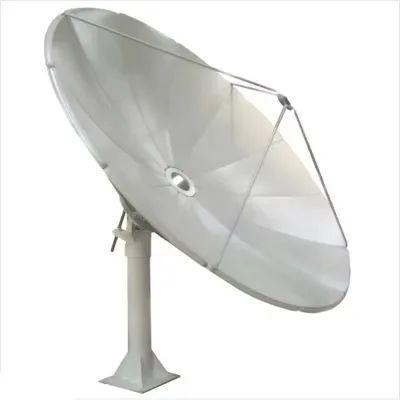
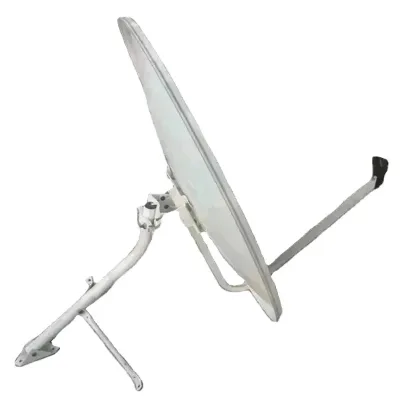
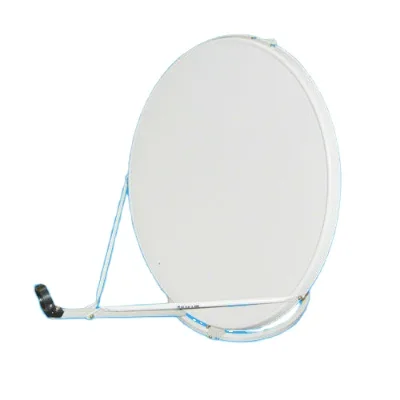


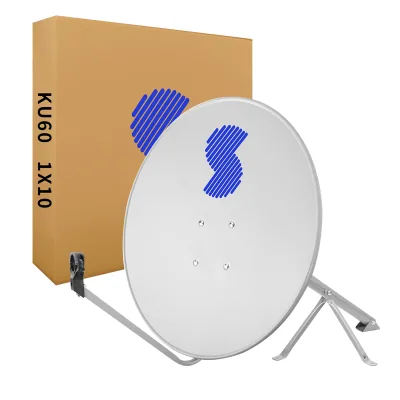
Comprehensive Sourcing Guide
Satellite Dish for TV Reception Sourcing Guide
Sourcing satellite dish antennas for TV reception requires a clear understanding of the specific signal bands and structural requirements that match your target market’s infrastructure. The available product data indicates a strong focus on Ku-band reception, with models explicitly labeled for Ku programs and short-wave operation. Buyers must distinguish between directional wire antennas and surface-mounted units, as the structure form significantly impacts installation complexity and signal clarity. The observed listings highlight models such as the 45KU-3, 75KU-1, 80KU-9, and 90KU-3, suggesting a tiered approach to aperture size and gain performance. Understanding these model designations is critical for aligning procurement with the intended reception quality, whether for residential general-purpose use or commercial base antenna applications.
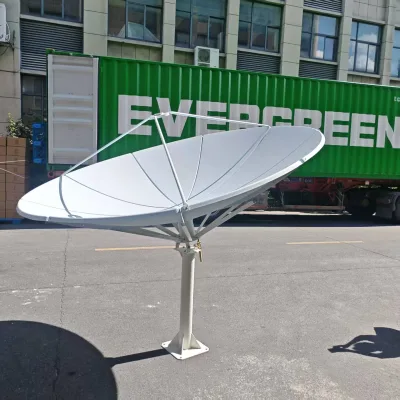
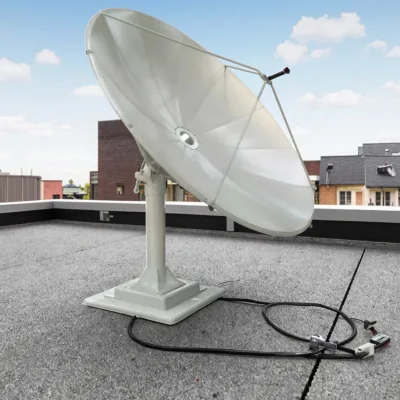
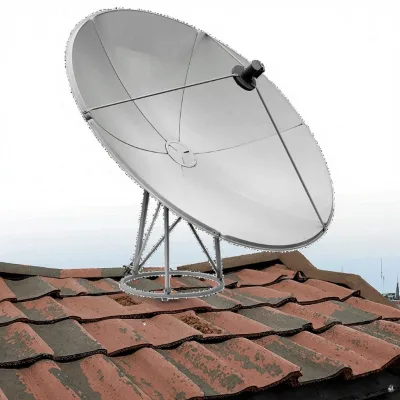
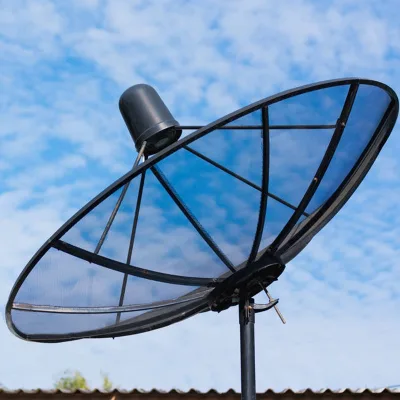
Procurement decisions should also account for the physical dimensions and material composition that define durability and aesthetic integration. The supplied facts reveal a range of sizes, from compact 45x49.5cm units to larger 100x110cm dishes, with thicknesses varying between 0.5mm and 0.7mm. Materials are predominantly steel, often galvanized and finished with polyester powder coating to withstand outdoor environmental stressors. Color options typically include grey, red, or white, allowing for customization to blend with residential architecture or corporate branding. Buyers need to verify that the chosen thickness and coating process meet local weather resistance standards, ensuring the antenna maintains structural integrity and signal performance over its operational lifespan without premature corrosion or deformation.
Product Scope and Observed Listing Signals
The current market landscape for satellite TV reception antennas shows a diverse array of options tailored to different installation environments and signal strengths. Listings indicate that these products are primarily designed for outdoor use, serving both residential and general-purpose commercial applications. The presence of customization options, including logo printing and color variations, suggests that many suppliers are equipped to handle OEM or ODM requests, which is valuable for brands looking to white-label products. The observed price range of 1.05 to 950 USD reflects significant variation in quality, size, and included accessories, requiring buyers to carefully evaluate what is included in each price point. This wide spectrum allows for strategic sourcing, whether the goal is high-volume, low-cost distribution or premium, feature-rich installations for demanding clients.
Key search terms and product attributes highlight the importance of specific technical identifiers when evaluating supplier catalogs. Terms such as "Ku Antenna Dish" and "Satellite Dish Antenna" are frequently used, indicating a market focus on Ku-band technology for television reception. The nature of operation is consistently described as receiving, confirming that these units are designed to capture signals rather than transmit them. Additionally, the mention of "Base Antenna" usage suggests that some models are intended for more permanent or robust installations compared to temporary setups. Buyers should pay close attention to these descriptors to ensure that the selected antenna aligns with the specific technical requirements of their end-users, avoiding mismatches between product capabilities and application needs.
Technical Specifications to Verify
Verifying technical specifications is paramount to ensuring that the sourced satellite dishes perform reliably in their intended environments. Buyers must confirm the operating wavelength and wave range, as the supplied data points to short-wave operation and Ku program compatibility. It is essential to validate that the antenna’s gain and directivity match the signal strength available in the target deployment area. The structural form, whether wire or surface antenna, dictates the mounting method and wind load resistance, which are critical for outdoor durability. Additionally, the physical size, ranging from 75cm x 82.5cm to 100cm x 110cm, directly influences the antenna’s ability to capture weak signals, so buyers should align size selection with the geographic and climatic conditions of the installation site.
Material quality and manufacturing tolerances are other critical technical factors that require rigorous verification. The steel construction, often galvanized and coated with polyester powder, must be inspected for uniformity and adhesion to prevent rust and degradation. Thickness specifications, observed between 0.5mm and 0.7mm, should be confirmed through sample testing to ensure they meet the stated values, as thinner materials may compromise structural stability in high-wind areas. Buyers should also inquire about the precision of the dish’s parabolic shape, as deviations can significantly reduce signal focus and reception quality. Establishing clear technical acceptance criteria based on these specifications will help mitigate the risk of receiving substandard products that fail to deliver the promised TV reception performance.
Compliance and Safety Documentation
Compliance with international and regional safety standards is a non-negotiable aspect of sourcing satellite dish antennas for global distribution. The observed listings mention certifications such as CE, UL, and SGS, which indicate adherence to specific electrical and material safety regulations. Buyers must verify the validity and scope of these certifications, ensuring they cover the specific models and manufacturing processes being procured. CE marking is particularly important for European markets, while UL certification may be required for North American sales. It is crucial to request current certification documents and test reports from the supplier to confirm that the products have undergone independent testing and meet the latest regulatory requirements, protecting the buyer from liability and market access issues.
Beyond regulatory compliance, documentation related to environmental and material safety should also be thoroughly reviewed. The use of steel and polyester powder coatings raises questions about environmental impact and worker safety during manufacturing. Buyers should ask for material safety data sheets (MSDS) and environmental compliance statements to ensure that the production process does not involve hazardous substances prohibited in target markets. Additionally, packaging standards, such as carton or bulk packing, should be documented to ensure that products arrive in good condition and comply with shipping regulations. Establishing a robust compliance verification process helps build trust with end-users and ensures that the sourced products can be legally and safely deployed in diverse international markets.
Cost Drivers and Commercial Terms
Understanding the cost drivers behind satellite dish pricing is essential for developing a competitive procurement strategy. The observed price range of 1.05 to 950 USD is influenced by factors such as antenna size, material thickness, coating quality, and included accessories. Larger dishes with higher gain capabilities and thicker steel construction naturally command higher prices due to increased material and manufacturing costs. Customization options, such as logo printing or specific color finishes, may also add to the unit cost. Buyers should analyze these variables to determine the true value proposition of each supplier quote, ensuring that they are not overpaying for features that do not align with their product requirements or market expectations.
Commercial terms, including minimum order quantities (MOQ) and payment conditions, play a significant role in the overall procurement cost. The observed MOQ range of 1 to 5000 units offers flexibility for both small-scale testers and large-volume buyers. However, higher volumes often unlock better pricing tiers, so buyers should negotiate based on their projected demand. Payment terms, such as deposits or letters of credit, should be structured to balance risk and cash flow. Additionally, shipping and logistics costs, which depend on the product’s weight and dimensions, should be factored into the total landed cost. By carefully managing these commercial terms, buyers can optimize their procurement budget while maintaining strong supplier relationships and ensuring timely delivery of goods.
Supplier Qualification and Quality Control
Supplier qualification is the first line of defense against quality issues in the sourcing of satellite dish antennas. Buyers should conduct thorough due diligence on potential suppliers, verifying their manufacturing capabilities, production history, and financial stability. The observed data indicates that many suppliers are based in China, particularly in Zhejiang, which is a known hub for antenna manufacturing. Buyers should request factory audits or third-party verification reports to confirm that the supplier’s facilities meet international quality management standards. Additionally, assessing the supplier’s ability to handle OEM or ODM requests is crucial for buyers seeking customized products, as it demonstrates their flexibility and technical expertise in meeting specific design requirements.
Quality control measures must be implemented throughout the production process to ensure consistent product performance. Buyers should establish clear quality assurance protocols, including pre-production sample approvals and in-process inspections. Key quality checkpoints should include material thickness verification, coating adhesion tests, and structural integrity assessments. Post-production inspections should verify that the final products meet all specified dimensions and functional requirements before shipment. Implementing a robust quality control system helps identify and rectify defects early, reducing the risk of costly returns or customer complaints. By prioritizing supplier qualification and rigorous quality control, buyers can ensure that their sourced satellite dishes deliver reliable performance and meet the high standards expected by end-users.
Long-Term Procurement Checks
Long-term procurement success depends on establishing ongoing relationships with suppliers who can consistently deliver high-quality products and adapt to changing market needs. Buyers should regularly review supplier performance metrics, including on-time delivery rates, product defect rates, and responsiveness to issues. Maintaining open communication channels allows for timely resolution of any problems that arise during production or delivery. Additionally, buyers should stay informed about technological advancements in satellite antenna design, such as improvements in gain efficiency or durability, to ensure that their product offerings remain competitive. By fostering collaborative partnerships with suppliers, buyers can leverage their expertise to innovate and improve their product lines over time.
Continuous monitoring of market trends and regulatory changes is also essential for long-term procurement strategy. Buyers should track shifts in consumer preferences, such as the growing demand for smaller, more aesthetically pleasing antennas, or changes in signal broadcasting technologies that may require different frequency support. Regularly updating product specifications and compliance requirements ensures that the sourced antennas remain relevant and compliant in target markets. Furthermore, buyers should periodically reassess their supplier base to identify new opportunities for cost savings or quality improvements. By maintaining a proactive and adaptive approach to procurement, buyers can sustain their competitive edge and meet the evolving needs of their customers effectively.
FAQs
What sizes are available for Ku band satellite dishes?
Available sizes include 45x49.5cm, 75x82.5cm, 80x88cm, and 100x110cm models. These dimensions support various reception needs for residential and commercial applications. Buyers can select the appropriate size based on their specific signal requirements and installation space constraints.
Can I customize the logo and color of the antenna?
Yes, customization is available for both logos and colors. Buyers can choose from grey, red, or white finishes. The logo can be customized to match brand requirements, ensuring the product meets specific aesthetic and branding needs for different market segments.
Which certifications do these satellite dishes hold?
These antennas hold CE, UL, and SGS certifications. These standards ensure compliance with international safety and quality requirements. Buyers can rely on these documented certifications when sourcing products for markets that mandate specific regulatory approvals for electronic equipment.
How is the product packed for shipping?
Packaging options include cartons or bulk packing depending on the specific model. Some items are shipped in cartons while others use bulk packaging. This flexibility allows suppliers to optimize shipping costs and protect the steel structure during transit to various global destinations.
What material is used to construct the dish?
The dishes are constructed from galvanized steel with a polyester powder coating. This material ensures durability and resistance to weather conditions. The coating provides an additional layer of protection, making the antenna suitable for long-term outdoor installation in various climates.
Can manufacturers produce these antennas for my brand?
Yes, OEM and ODM production services are available for these antennas. Manufacturers can produce units tailored to specific brand requirements. This service allows buyers to source products with custom specifications while maintaining control over the final product design and branding.
Where are these satellite dishes manufactured?
These products are manufactured in China, specifically in Zhejiang province. The origin is clearly documented as Made in China. Buyers can expect consistent production capabilities and established supply chains from this region for satellite reception equipment.