Source Seamless Diabetic Socks for Daily Wear and Travel
Compare 30 listings for Seamless Diabetic Socks designed for comfort and circulation support. Options include breathable, elastic, and custom OEM styles from verified suppliers. Evaluate features like needle detection and material composition to find the right fit for your needs.
Key considerations
Products List

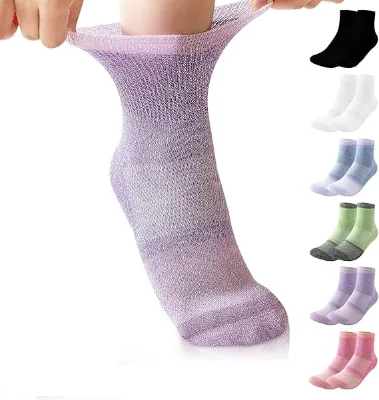
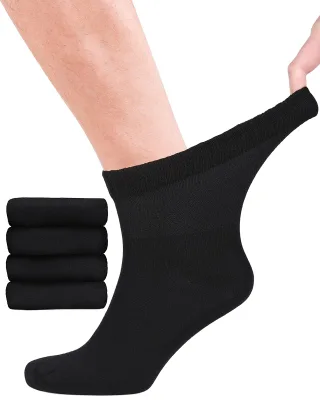


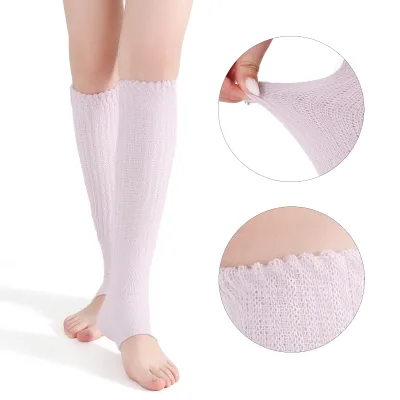
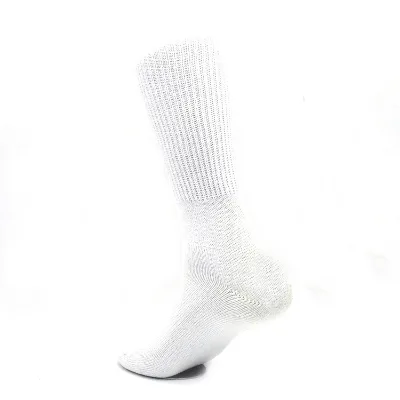
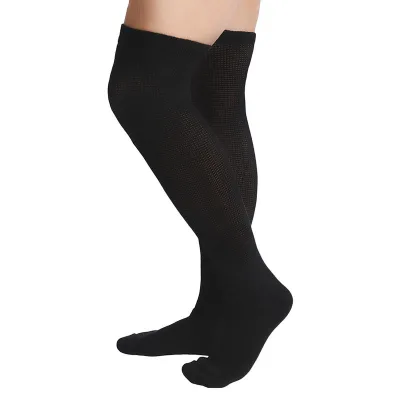
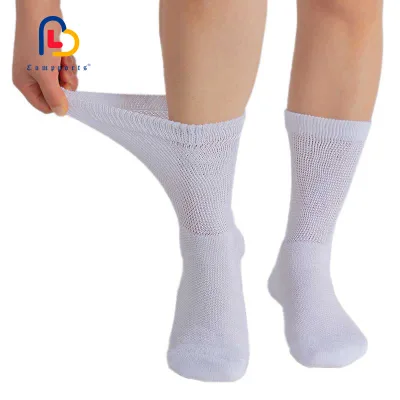
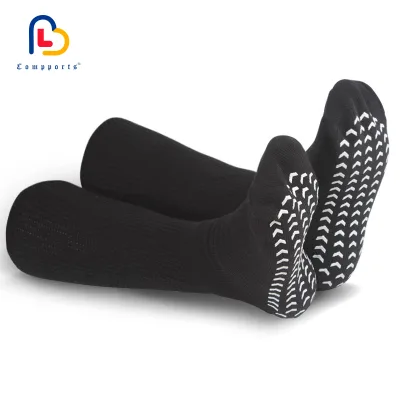
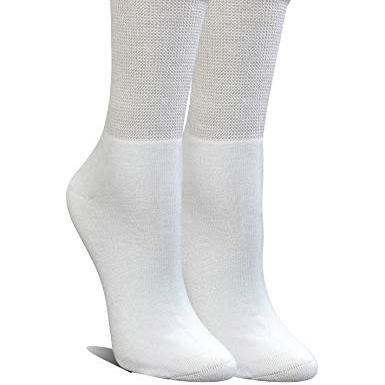
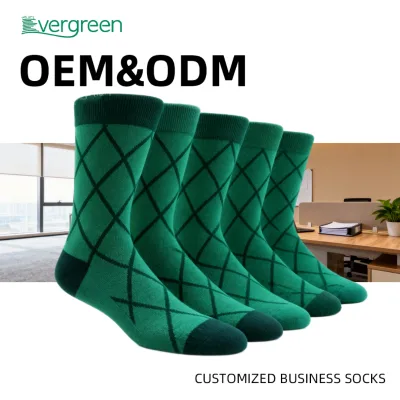
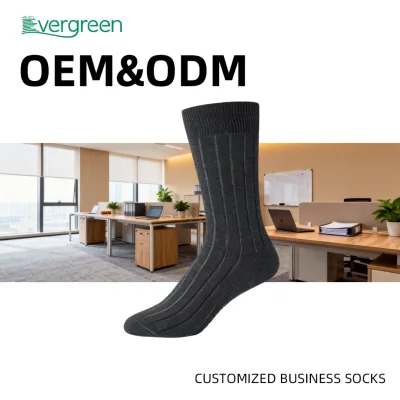

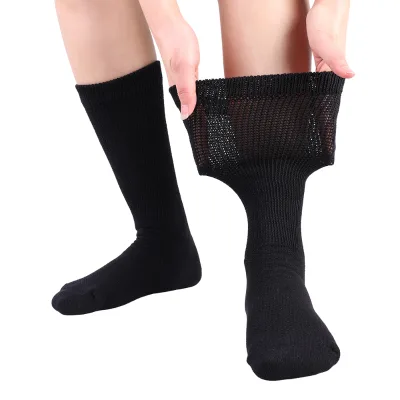
Wide Cuff Non Binding Patient Hospital Knitted Pattern Medical Diabetic Socks
$0.88 - $2.71
MOQ: 100 Pairs


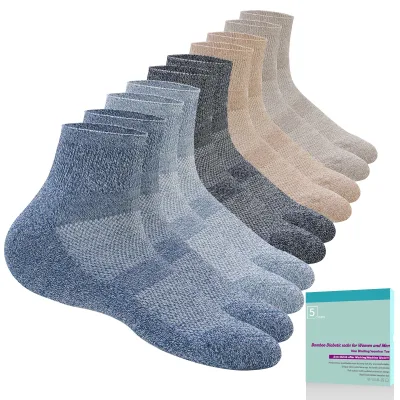


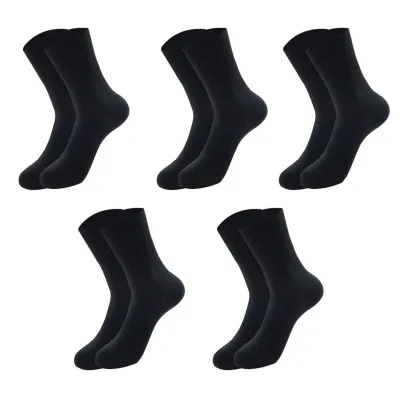
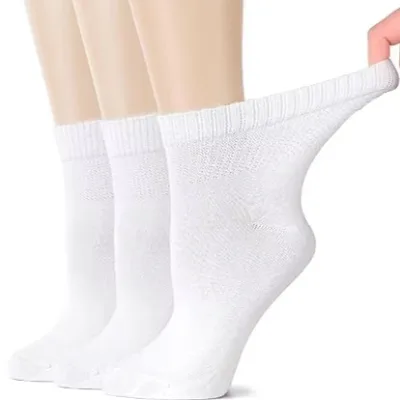


Comprehensive Sourcing Guide
Seamless Diabetic Socks Sourcing Guide
Procuring Seamless Diabetic Socks requires balancing specialized medical needs with commercial manufacturing capabilities. The observed market data indicates a diverse range of products, from standard casual styles to specific compression variants designed for daily use. Buyers must navigate a landscape where attributes like "High Elasticity" and "Breathable" features are common, yet the specific construction required for diabetic foot care demands rigorous verification. The presence of "Needle Detection" as a variable attribute across listings highlights the critical importance of quality control in preventing fabric defects that could harm sensitive skin.
Sourcing strategies should prioritize suppliers who explicitly support customization and offer sample orders to validate fit and comfort. The data shows that many manufacturers provide OEM services with options for custom colors and logos, allowing brands to tailor products to specific patient demographics. However, the variation in origin locations, such as Hebei and Zhejiang, suggests that buyers must verify the specific production capabilities of each facility. Understanding the distinction between general "Casual" sock types and specialized "Diabetic Compression Socks" is essential to ensure the final product meets the necessary therapeutic standards for circulation and pressure distribution.
Product Scope and Observed Listing Signals
The current market for Seamless Diabetic Socks encompasses a wide spectrum of product types, ranging from standard crew lengths to specialized compression designs. Listings frequently highlight features like "Anti-slip" properties and "Sweat-Absorbent" materials, which are crucial for maintaining foot health in diabetic patients. The observed product attributes include "Viscose" and "Bamboo" materials, suggesting a focus on natural fibers that offer softness and reduced irritation. Buyers should note that while some products are marketed as "Disposable," the majority of durable options are designed for repeated daily use with a focus on longevity and comfort.
Listing signals also reveal significant variability in sizing and packaging, which impacts logistics and inventory planning. The data indicates size ranges from "Free Size" to specific measurements like "26-28 cm," alongside standard S, M, L, and XL options. Packaging is typically described as "OPP Bag" with a single gross weight of 0.100kg, facilitating efficient shipping and storage. However, the presence of "Knitted" printing methods and "Solid" pattern types suggests that aesthetic customization is often secondary to functional performance. Procurement teams must carefully cross-reference these signals to ensure the selected product aligns with the specific therapeutic requirements of the target patient population.
Technical Specifications to Verify
Technical verification must begin with the construction of the toe seam, as the absence of a raised seam is the defining characteristic of Seamless Diabetic Socks. While the provided data lists "Knitted" as a printing method, the actual knitting technique must be confirmed to ensure a flat, non-abrasive finish that prevents ulceration. Buyers should explicitly request confirmation that the knitting process eliminates the traditional toe seam, as this is the primary mechanism for reducing friction on sensitive diabetic feet. The "High Elasticity" attribute observed in listings is beneficial, but the elasticity must be uniform to avoid creating pressure points that could restrict blood flow.
Material composition and thickness are equally critical parameters that require strict validation against the specific needs of the user. The observed materials include "Viscose" and "Bamboo," which are known for their moisture-wicking and hypoallergenic properties, yet the exact blend ratio must be verified to ensure durability and breathability. The "Standard" and "Normal" thickness levels noted in the data suggest a baseline, but diabetic socks often require specific compression gradients that are not always explicitly detailed in general listings. Procurement teams should demand detailed material specifications and compression profiles to confirm that the product provides the necessary therapeutic support without being too restrictive or too loose.
Compliance and Safety Documentation
Safety documentation for diabetic socks must address the specific risks associated with fabric defects and material safety. The observed data includes conflicting entries regarding "Needle Detection," with some listings stating "Yes" and others "No." This discrepancy underscores the necessity for buyers to obtain explicit, written confirmation that the manufacturing facility employs rigorous needle detection systems to prevent metal contamination. For diabetic patients, even a small metal fragment can cause severe injury, making this verification a non-negotiable prerequisite for any supplier engagement.
Beyond physical safety, compliance with hygiene and material safety standards is essential for products intended for daily wear by vulnerable populations. While the data mentions "Eco-Friendly" features, buyers must verify that the dyes and finishing agents used meet international safety standards for skin contact. The "Breathable" and "Anti-slip" attributes are functional claims that should be supported by test reports demonstrating their efficacy under real-world conditions. Procurement teams should require certificates of analysis for the raw materials, particularly for bamboo and viscose, to ensure they are free from harmful residues that could exacerbate foot conditions or cause allergic reactions.
Cost Drivers and Commercial Terms
Cost structures for Seamless Diabetic Socks are heavily influenced by the complexity of the knitting technology and the quality of raw materials. The observed price range of 0.47 to 6.65 USD reflects the variance between basic casual socks and specialized compression variants with advanced features. Suppliers utilizing "Bamboo" or high-grade "Viscose" blends typically command higher prices due to the cost of sustainable fibers and the specialized processing required to maintain their softness. Additionally, the inclusion of "Custom Color" and "Customized Logo" options adds to the unit cost, as these require separate setup fees and minimum order quantities that differ from standard stock items.
Commercial terms such as MOQ and lead times vary significantly based on the level of customization required. The data shows an MOQ range from 1 to 2000 units, indicating that some suppliers cater to small sample orders while others require bulk commitments for production runs. The "7 Days Sample Order" lead time support suggests a flexible approach for initial validation, but full production lead times must be clarified to avoid supply chain disruptions. Buyers should negotiate terms that account for the potential need for rework or additional quality checks, as the high-stakes nature of diabetic care products often necessitates a more conservative approach to delivery schedules.
Supplier Qualification and Quality Control
Supplier qualification for this niche requires a deep dive into their manufacturing capabilities and quality assurance protocols. The presence of "OEM service" and "Design: OEM ODM" attributes indicates that many suppliers are capable of customizing products, but buyers must verify their experience specifically with Seamless Diabetic Socks. It is crucial to assess whether the supplier has a dedicated production line for medical-grade textiles or if these products are a secondary offering. The conflicting "Needle Detection" data in the listings serves as a red flag, necessitating a thorough audit of the supplier's quality control processes to ensure consistent adherence to safety standards.
Quality control measures must extend beyond the final product to include raw material inspection and in-process monitoring. Buyers should require evidence of "Needle Detection" systems and regular testing for fabric integrity, particularly regarding the seamless toe construction. The "Single Package Size" and "Single Gross Weight" data points suggest standardized packaging, but the consistency of these metrics across batches must be verified to ensure reliable logistics. Establishing a clear communication channel for quality issues is vital, as the "High Elasticity" and "Breathable" features must be maintained throughout the product's lifecycle to ensure patient safety and satisfaction.
Long-Term Procurement Checks
Long-term procurement success depends on establishing a robust framework for ongoing performance monitoring and supplier relationship management. Buyers should implement regular audits to ensure that the supplier continues to meet the stringent safety and quality standards required for diabetic care products. The initial verification of "Needle Detection" and material composition must be followed by periodic re-testing to confirm that production processes have not drifted. Maintaining a consistent supply of high-quality seamless socks is critical, as any lapse in quality control can lead to serious health complications for the end-user.
Strategic planning for long-term procurement also involves monitoring market trends and technological advancements in sock manufacturing. As the demand for "Eco-Friendly" and "Sporty" features grows, suppliers may need to adapt their product lines to remain competitive. Buyers should maintain open dialogue with suppliers to anticipate changes in material availability, such as shifts in "Bamboo" or "Viscose" sourcing, and to explore new customization options. By fostering a collaborative relationship, procurement teams can ensure a steady supply of innovative, high-performance diabetic socks that meet the evolving needs of their customers while maintaining strict adherence to safety and quality benchmarks.
FAQs
Can I get custom Seamless Diabetic Socks with my logo?
Yes, customization is available for Seamless Diabetic Socks, including customized logos and colors. The product supports OEM and ODM design services, allowing buyers to tailor the appearance to their brand needs. This service is suitable for adults seeking daily wear solutions with specific branding requirements.
What material are these Seamless Diabetic Socks made from?
These Seamless Diabetic Socks are crafted from viscose and bamboo materials. These fabrics offer high elasticity and breathability, ensuring comfort for daily use. The socks are designed to be eco-friendly and sweat-absorbent, making them ideal for adults who require comfortable, breathable footwear accessories for everyday activities.
What is the minimum order quantity for these socks?
The minimum order quantity ranges from 1 to 2000 pieces, depending on the specific supplier and customization requirements. This flexible MOQ allows buyers to start with small sample orders or scale up to larger bulk purchases. The pricing varies between 0.47 and 6.65 USD per unit based on volume.
How long does it take to produce a sample order?
Sample orders are supported with a lead time of 7 days. This quick turnaround allows buyers to evaluate product quality, fit, and customization options before committing to larger production runs. The socks are packaged in OPP bags, with a single gross weight of 0.100kg for easy handling.
Are these Seamless Diabetic Socks suitable for unisex wear?
Yes, these Seamless Diabetic Socks are designed as unisex products suitable for both men and women. They feature a regular style with a crew height and are available in various colors including black, white, pink, and turquoise. The free size option ensures a comfortable fit for most adult users.
What are the packaging details for these socks?
Each pair of Seamless Diabetic Socks is packed in an OPP bag. The single package size is approximately 15cm by 12cm by 3cm, with a single gross weight of 0.100kg. This compact packaging facilitates efficient storage and shipping, making it convenient for international buyers and distributors.