Source Seamless Embedded Fin Tube Machine for HVAC, Boilers, and Heat Exchangers
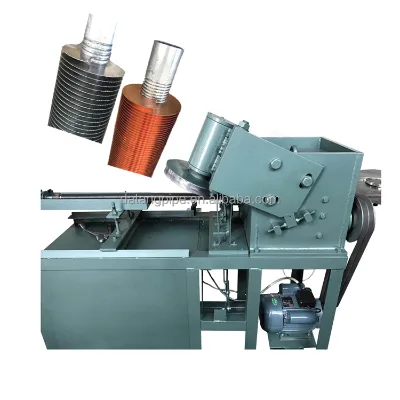
Explore 30 listings for the Seamless Embedded Fin Tube Machine, comparing key specs like power, voltage, and dimensions from verified Chinese manufacturers. Buyers can evaluate options for HVAC, boiler, and heat exchanger applications based on provided technical details.
Key considerations
Products List


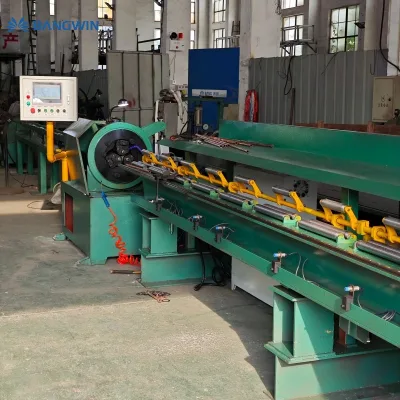
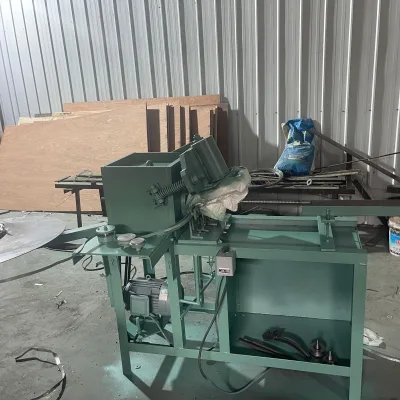
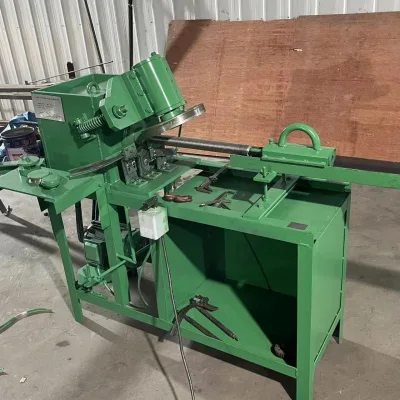
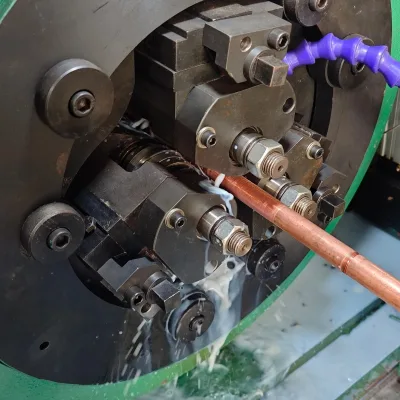
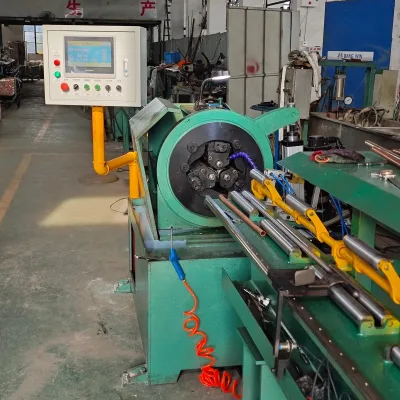
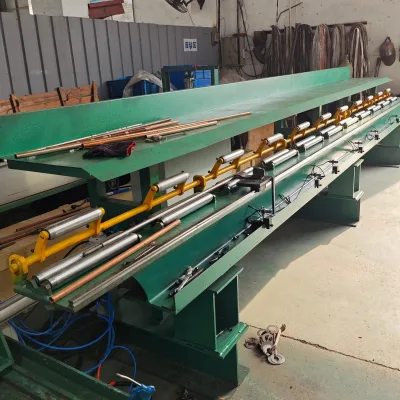
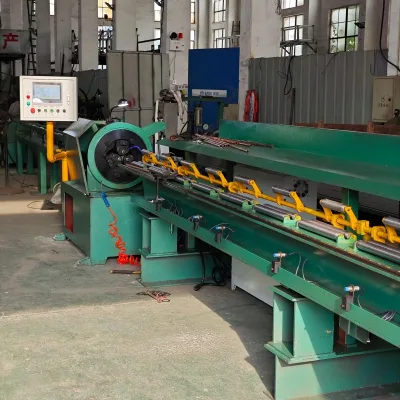
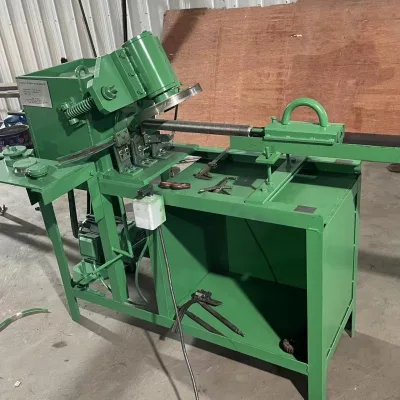
Comprehensive Sourcing Guide
Strategic Sourcing Guide for Seamless Embedded Fin Tube Machines
Understanding Core Technical Specifications and Variability
When sourcing a Seamless Embedded Fin Tube Machine, buyers must navigate a landscape of significant technical variability. The provided market data indicates that while the core function remains consistent, the specific engineering parameters can differ substantially between listings. A primary point of divergence is the power consumption of the machinery. Observations from current product listings reveal power ratings ranging from 11 kW to 72 kW, with specific models citing 1100 kW in certain contexts, suggesting a wide spectrum of machine capacities from small-scale operations to heavy industrial units. This variance necessitates a rigorous review of the power requirements against the buyer's facility infrastructure. The voltage specifications further complicate this picture, with listings citing 380 V, 240 V, and 220 V Electrical Equipment configurations. Procurement teams must verify that the selected machine's electrical input matches the local grid standards to avoid costly retrofits or operational failures.
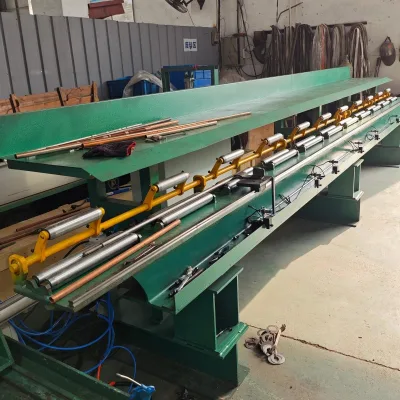
The mechanical performance metrics are equally critical for production planning. The spindle rotating speed is observed to vary between 80 rpm, 100 rpm, and 120 rpm, while the fin rolling speed ranges from 0.6 m/min to 0.9 m/min. These figures directly influence the throughput and the quality of the finning process. Furthermore, the machine's capability to handle different base tube materials is a key decision factor. The market data confirms compatibility with aluminum, carbon steel, and copper base tubes, while the fin material itself is typically aluminum or copper with a thickness ranging from 0.3 mm to 0.45 mm. The dimensional capabilities are also specific; the base tube diameter range is listed as 711 mm, 1232 mm, or 15~45 mm, and the finished fin outside diameter spans 18 mm to 77 mm. Buyers should not assume a single machine can handle all these ranges simultaneously; rather, they must select a model where the specific base tube diameter and fin height requirements (observed at 7 mm, 16 mm, or 16 mm) align with the machine's design limits. The maximum finned tube length capability is noted to reach up to 15 meters, which is a crucial specification for long-run production lines.
Compliance, Certification, and Material Standards
In the realm of industrial machinery, compliance and certification serve as the primary indicators of safety and quality assurance. The available product data explicitly lists RoHS, ISO, and CE certifications as attributes for certain models. These certifications are not merely marketing terms but represent adherence to specific regulatory frameworks regarding hazardous substances (RoHS), quality management systems (ISO), and safety standards for the European market (CE). However, buyers must exercise caution. The presence of these certifications in a product listing should be verified against the specific unit being purchased, as the data suggests these attributes may apply to specific configurations rather than the entire product line.
Beyond the explicit certifications, the material standards for the tubes produced by these machines are a critical area of verification. While the provided context does not explicitly confirm the use of EN 10204 or ASTM A106 standards for the final product, these are industry-standard references for seamless steel tubes. A prudent sourcing strategy involves requesting documentation that the machine can produce tubes meeting these specific international standards. The base tube materials identified include steel, aluminum, and copper, each requiring different handling and processing parameters. The machine's ability to maintain the integrity of the seamless tube during the embedding process is paramount. Buyers should request the machinery test report, which is noted as "Provided" in the source data, to ensure the machine has been validated for its intended performance. This report often contains the empirical data required to prove that the machine meets the necessary output tolerances and structural integrity requirements for the final product.
Cost Drivers and Pricing Structure Analysis
The financial landscape for purchasing a Seamless Embedded Fin Tube Machine is characterized by a significant price spread. The observed listed price range in the current market spans from approximately $15,120 to $66,338.98 USD. This wide disparity is not arbitrary but is driven by several key cost factors. The most immediate driver is the power rating; machines with higher power outputs, such as those in the 72 kW or 1100 kW range, will naturally command a higher price point compared to the 11 kW models. Additionally, the complexity of the core components plays a role. While most listings identify the motor and gearbox as core components, the quality, brand, and specifications of these parts will influence the final cost.
Another significant cost driver is the customization level. The data indicates that customization is available for packing, standards, and potentially the machine configuration itself. Customized solutions, such as specific voltage configurations or tailored fin height capabilities, often incur additional engineering and manufacturing costs. The single package size is also a factor; while one listing specifies 100x100x100 cm, another lists "XX cm," suggesting that packaging dimensions vary based on the machine's physical footprint and the level of disassembly required for shipping. This impacts logistics costs, which should be factored into the total cost of ownership. Furthermore, the weight of the machine, observed at 500 kg or 1500 kg, affects shipping and installation expenses. Buyers must look beyond the sticker price and evaluate the total cost, including the potential need for specialized installation, the cost of spare parts, and the long-term energy consumption based on the machine's power rating.
Typical Applications and Industry Fit
The versatility of the Seamless Embedded Fin Tube Machine makes it suitable for a broad range of industrial applications. The primary application, as indicated by the product name and attributes, is the manufacturing of fin tubes used in heat exchangers. These heat exchangers are ubiquitous in various sectors, including HVAC (Heating, Ventilation, and Air Conditioning), refrigeration, and power generation. The ability to process base tubes made of aluminum, carbon steel, and copper allows these machines to serve industries requiring different thermal conductivity and corrosion resistance properties. For instance, copper and aluminum tubes are often preferred in refrigeration and air conditioning units due to their superior thermal properties, while carbon steel tubes are utilized in high-pressure or high-temperature environments found in power plants.
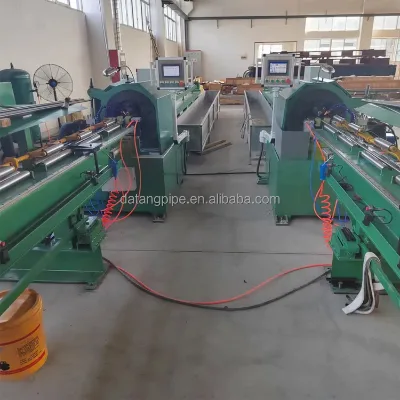
The "Applicable Industries" field in the data lists "Fin Tube Machine" and "Manufacturing Plant," which, while somewhat generic, points to the machine's role as a capital asset within a manufacturing ecosystem. The key selling points of "High Productivity" and "Easy To Operate" suggest that these machines are designed for environments where throughput and operator efficiency are critical. The high productivity aspect is particularly relevant for large-scale manufacturing plants that require consistent, high-volume output of finned tubes. The ease of operation reduces the training burden on staff and minimizes the risk of operational errors, which is vital for maintaining consistent product quality. Buyers should assess their specific production volume requirements against the machine's speed capabilities, such as the fin rolling speed of up to 0.9 m/min, to ensure the equipment can meet their demand without creating bottlenecks in the production line.
Supplier Evaluation and After-Sales Support
Selecting the right supplier is as critical as selecting the right machine. The market data highlights several key attributes regarding supplier capabilities and after-sales support. A significant number of listings offer "Overseas third-party support available," which is a valuable asset for international buyers who may not have local technical expertise. This support model ensures that even if the buyer is located far from the manufacturing origin, they can access professional assistance for troubleshooting and maintenance. The "After Warranty Service" section lists Video technical support, Online support, Spare parts, and Field service, indicating a comprehensive support ecosystem.
The warranty period is consistently listed as 1 Year, which serves as a baseline expectation for the machine's reliability. However, the availability of "Free Spare Parts" and "Online Support" suggests that the supplier is committed to minimizing downtime. The "Maintenance and repair service" is noted as having a "Local Service Location," which is a crucial factor for minimizing the time required to address mechanical issues. Buyers should verify the specific locations of these service centers to ensure they are accessible within their region. Additionally, the "Video outgoing-inspection" feature allows buyers to visually verify the machine's condition and functionality before shipment, adding a layer of transparency to the procurement process. When evaluating suppliers, buyers should prioritize those who provide a machinery test report and offer robust after-sales packages, as these factors significantly reduce the risk associated with the purchase.
Quality Control and Long-Term Procurement Considerations
Quality control in the procurement of seamless embedded fin tube machines extends beyond the initial purchase. The "Machinery test report" provided by suppliers is a vital document that should be scrutinized to understand the machine's performance under load. This report often includes data on the machine's stability, precision, and ability to maintain the specified fin dimensions over extended periods. Buyers should also pay close attention to the "Condition" of the machine, which is listed as "New" in the data. Ensuring that the machine is genuinely new and not refurbished is essential for long-term reliability and warranty validity.
Long-term procurement considerations must also include the lifecycle management of the equipment. The "After-Sales Service Provided" section mentions "Field Installati" (likely Field Installation), which indicates that the supplier may offer on-site setup services. This is a critical service for complex machinery, as improper installation can lead to premature wear and tear. The availability of "Spare Parts" is another long-term consideration; buyers should inquire about the availability and lead times for critical components like motors and gearboxes. The "Customization" option allows for future adaptability, but buyers should ensure that the customized features do not compromise the machine's standard compatibility or serviceability. Finally, the "Key Selling Points" of high productivity and ease of operation should be validated through pilot runs or detailed case studies provided by the supplier to ensure that the machine delivers on its promises in the buyer's specific operational context. By focusing on these quality control measures and long-term support structures, buyers can secure a reliable asset that will serve their manufacturing needs effectively for years to come.
FAQs
What power ratings are available for seamless embedded fin tube machines?
Available power ratings range from 11 kW to 72 kW, with some models listing 1100 kW for heavy industrial use. Buyers must verify the specific unit's electrical input matches their facility infrastructure to avoid operational failures.
Which certifications do these machines typically hold?
Many models hold RoHS, ISO, and CE certifications indicating compliance with safety and quality standards. Buyers should verify these apply to the specific unit being purchased as attributes may vary by configuration.
Can the machine handle different base tube materials?
Yes, the machines are compatible with aluminum, carbon steel, and copper base tubes. The fin material is typically aluminum or copper with a thickness ranging from 0.3 mm to 0.45 mm.
What after-sales support is provided for these machines?
Support includes overseas third-party assistance, video technical support, online help, and spare parts availability. A one-year warranty is standard, with field installation and local service locations often offered.
How much does a Seamless Embedded Fin Tube Machine cost?
Listed prices range from approximately 15,120 USD to 66,338.98 USD depending on capacity and features. Higher power models and customized configurations generally command higher price points within this spectrum.
What are the key specifications for fin dimensions?
The machine handles base tube diameters from 7 mm to 45 mm and produces fin outside diameters between 18 mm and 77 mm. Fin heights are typically 7 mm or 16 mm with lengths up to 15 meters.