Source Seamless Four-Way Stretch Sports Bra and Shorts Set for Gym, Yoga, and Cycling
Explore 30 verified options for a seamless four-way stretch sports bra and shorts set designed for high-performance activities. Buyers can compare features like moisture-wicking, quick-drying capabilities, and customization services across multiple suppliers in China.
Key considerations
Products List


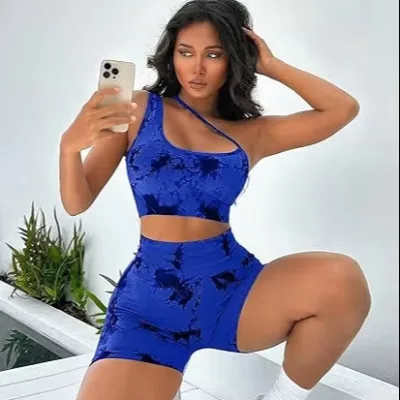
Seamless Sport Bra Shorts Women Two-Pieces Gym Set Quick-Dry Activewear Set
$11.00 - $13.00
MOQ: 30 Pieces


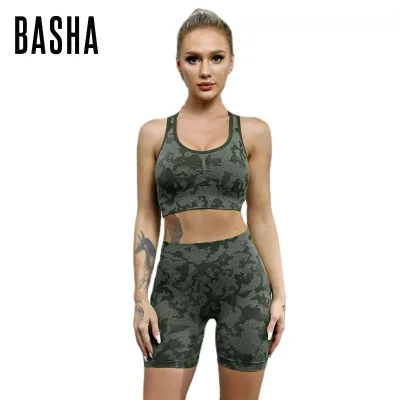
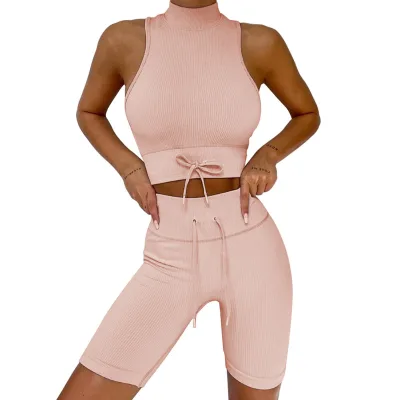
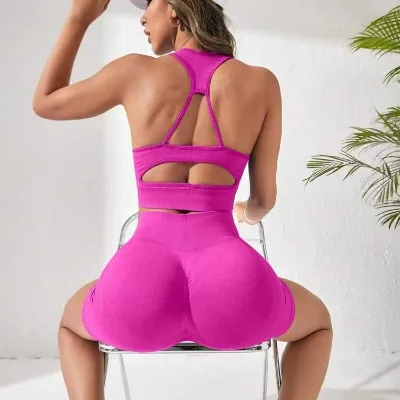


Breatheeasy Sportswear Set - Moisture-Wicking Bra & Stretchy Gym Shorts
$10.00 - $20.00
MOQ: 100 pieces

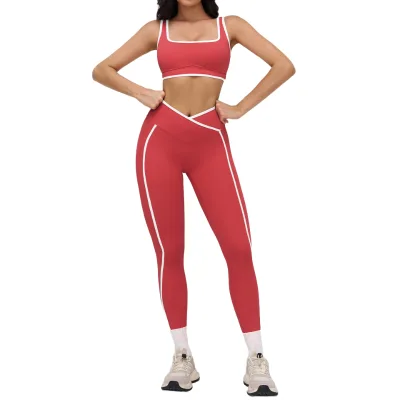
Breathable Seamless High-Waisted Leggings & Sports Bra Activewear Set"
$10.00 - $20.00
MOQ: 100 pieces


Women's Drawstring Track Top Elastic Seamless Yoga Shorts Bra Vest Set
$11.90 - $16.90
MOQ: 100 Pieces
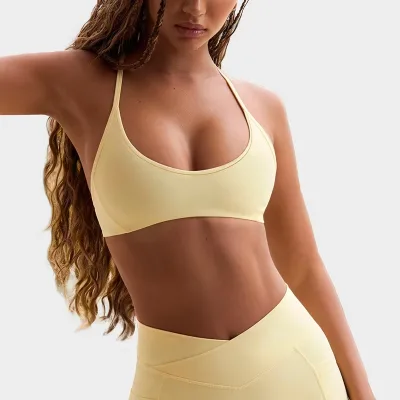

Comprehensive Sourcing Guide
Strategic Sourcing Guide for Seamless Four-Way Stretch Sports Bra and Shorts Sets
The global demand for high-performance activewear has accelerated the need for seamless four-way stretch sports bra and shorts sets. These garments are engineered to provide superior comfort, flexibility, and aesthetic appeal by eliminating traditional stitching that can cause chafing during intense physical activity. For B2B procurement professionals, sourcing these items requires a nuanced understanding of material science, manufacturing techniques, and supply chain logistics. The following guide outlines the critical factors buyers must evaluate to secure high-quality inventory that meets specific market demands.
Technical Specifications and Material Composition
The foundation of a seamless sports set lies in its material composition and the specific knitting technology employed. Unlike traditional cut-and-sew methods, seamless construction utilizes circular knitting machines to create garments in a single piece, often resulting in a fabric that stretches uniformly in all four directions. This four-way stretch capability is essential for allowing a full range of motion during dynamic activities such as yoga, cycling, and high-intensity interval training.
When evaluating product specifications, buyers should prioritize the blend of synthetic fibers. The most common and effective combination involves Nylon and Spandex. Nylon provides durability, softness, and excellent moisture-wicking properties, while Spandex (also known as Elastane) delivers the necessary elasticity. In some cases, Polyester and Cotton blends are observed, though these are less common for high-performance seamless applications due to lower stretch recovery and slower drying times compared to synthetic options.
Fabric weight is another critical technical parameter. Standard seamless sets often feature fabric weights ranging from 230 grams to 260 grams per square meter. A weight of 230 grams typically offers a lightweight, breathable feel suitable for hot climates or high-sweat activities, whereas 260 grams may provide slightly more compression and opacity. Buyers must verify the specific gram weight of the supplier's inventory, as this directly impacts the garment's drape, support level, and thermal regulation.
Additionally, the closure type and waist design are vital for fit. Many seamless sets utilize an elastic waist type, which ensures a secure fit without the need for zippers or buttons that could dig into the skin. The strap type, often a racerback or specialized design, plays a significant role in shoulder support and breathability. The number of pieces in a set is typically two, consisting of a sports bra and matching shorts, though customization options may allow for variations in this configuration.
Manufacturing Techniques and Customization Capabilities
The manufacturing process for seamless activewear relies heavily on automated cutting and seamed or seamless techniques. Automated cutting ensures precision in pattern matching and minimizes fabric waste, which is crucial for maintaining cost efficiency and consistency. The "seamless" attribute implies that the garment is knitted to shape, reducing the number of seams and potential points of failure or irritation. However, some products may still utilize seamed techniques for specific structural reinforcements, such as the band under the bust or the leg openings.
Customization is a primary driver in the B2B market for these products. Suppliers often offer OEM (Original Equipment Manufacturer) services, allowing buyers to brand the products with their own logos. This customization can range from customized logo printing to specific packaging requirements. For instance, packaging may be standardized as one piece per polybag with forty pieces per carton, or it may be fully customized to align with the buyer's retail strategy.
The ability to customize extends to sizing and design. While standard sizes like S, M, L, and XL are common, some suppliers may offer extended ranges up to XXL. Buyers should verify the available size standards, as the fit of a seamless garment is highly dependent on the grading rules used by the manufacturer. Furthermore, the production model number, such as specific codes like EF03270 or JA22007, serves as a unique identifier for the design and material specifications, ensuring that the buyer can replicate successful orders in the future.
Compliance, Certification, and Quality Standards
In the B2B sector, compliance and certification are non-negotiable elements of the procurement process. While specific certification names are not universally mandated for all activewear, buyers must verify that the supplier adheres to relevant international safety and quality standards. This includes testing for color fastness, shrinkage, and the absence of harmful substances.
When assessing a supplier, buyers should request documentation regarding the fabric's origin and processing. The product origin is often listed as China, with specific manufacturing hubs in regions like Fujian or Hefei. Understanding the geographic origin can provide insights into the local supply chain maturity and the specific expertise of the region in textile manufacturing.
Buyers must also evaluate the supplier's adherence to environmental and labor standards. Although specific certification labels are not provided in the general product data, the presence of features like "Anti-Static" and "Breathable" suggests a level of technical compliance with performance standards. It is the buyer's responsibility to request third-party test reports that validate these claims, ensuring that the fabric meets the required performance metrics for moisture-wicking, quick-drying, and UV protection.
Cost Drivers and Pricing Dynamics
The pricing of seamless four-way stretch sports sets is influenced by several key factors, including material costs, order volume, and customization complexity. The observed price range for these products typically falls between $3.90 and $23.50 USD. This wide variance reflects differences in fabric quality, brand positioning, and the level of customization required.
The Minimum Order Quantity (MOQ) is a significant cost driver. Suppliers may set MOQs ranging from as low as 1 set for sample orders to as high as 200 sets for bulk production. Lower MOQs are often associated with higher unit costs due to the setup time and resource allocation required for smaller batches. Conversely, larger orders benefit from economies of scale, reducing the per-unit price.
Lead times also impact the overall cost structure. Standard delivery times can vary from 3 to 5 working days for in-stock items to longer periods for custom orders. Some suppliers offer expedited sample order lead times of 7 days, which can be crucial for buyers needing to validate product quality quickly. Buyers should factor in these lead times when planning their inventory cycles to avoid stockouts or rushed shipping costs.
Typical Applications and Usage Scenarios
Seamless four-way stretch sports sets are designed for a wide array of athletic and recreational activities. The versatility of these garments makes them suitable for both professional athletes and casual fitness enthusiasts. Common usage scenarios include ball sports, soccer, racing, cycling, fitness, skiing, rugby, track and field, water sports, gym workouts, yoga, basketball, hockey, martial arts, dancing, tennis, and equestrian activities.
The specific features of the fabric, such as moisture-wicking, quick-drying, and breathability, make these sets ideal for high-intensity workouts where sweat management is critical. The anti-UV and anti-static properties add an extra layer of protection and comfort, particularly for outdoor activities. The seamless construction ensures that the garment moves with the body, reducing friction and the risk of chafing during repetitive motions.
Supplier Evaluation and Quality Control
Selecting the right supplier requires a rigorous evaluation process. Buyers should assess the supplier's supply type, whether they offer OEM services or in-stock items. Suppliers with a history of providing customized logo printing and tailored packaging solutions are generally more capable of meeting specific brand requirements.
Quality control is paramount in the seamless manufacturing process. Buyers should verify the technical details of the production, such as the use of automated cutting and the specific fabric weight. Regular quality checks should be conducted to ensure that the fabric weight, stretch recovery, and color consistency meet the agreed-upon specifications.
Long-Term Procurement Considerations
For long-term success, buyers must consider the scalability and reliability of their supply chain. Building a relationship with a supplier who can consistently deliver high-quality seamless sets is essential. This involves maintaining open communication regarding design changes, material updates, and production schedules.
Buyers should also plan for future market trends. As consumer demand for sustainable and eco-friendly materials grows, suppliers who can adapt their production processes to include recycled fibers or more sustainable manufacturing practices will be better positioned to serve the market. Additionally, the ability to offer a wide range of sizes and styles ensures that the buyer can cater to diverse customer demographics.
In conclusion, sourcing seamless four-way stretch sports bra and shorts sets requires a comprehensive understanding of technical specifications, manufacturing capabilities, and market dynamics. By carefully evaluating these factors, buyers can secure high-quality products that meet the rigorous demands of the modern fitness market. The key lies in balancing cost, quality, and customization to create a product line that resonates with consumers while maintaining profitability and operational efficiency.
FAQs
What materials are used for seamless sports sets?
Common materials include Nylon plus Spandex and Polyester plus Cotton blends. Nylon offers durability and moisture-wicking, while Spandex provides four-way stretch. Some products use Polyester/Cotton for specific comfort needs, though synthetic blends are preferred for high-performance activities.
Can I customize the logo on these sets?
Yes, customized logo printing is available for most seamless sports sets. Suppliers often provide OEM services allowing buyers to add their branding. This customization can be applied to the fabric or packaging, such as polybags or cartons, depending on the order requirements.
What is the typical fabric weight for these garments?
Fabric weights typically range from 230 grams to 260 grams per square meter. A 230-gram weight offers a lightweight feel suitable for hot climates, while 260 grams provides more compression. Buyers should verify the specific gram weight to ensure the desired drape and support level.
How many pieces are included in a standard set?
A standard set usually consists of two pieces, typically a sports bra and matching shorts. The number of pieces can vary based on customization options, but the two-piece configuration is the most common design for seamless yoga and fitness sets in the current market.
What is the minimum order quantity for these items?
Minimum order quantities range from 1 set for samples to 200 sets for bulk production. Specific orders may start at 2 sets, depending on the supplier. Lower MOQs often result in higher unit costs, while larger orders benefit from economies of scale and reduced per-unit pricing.
Where are these seamless sets typically manufactured?
These products are primarily manufactured in China, with specific hubs in Fujian and Hefei. The origin location can influence supply chain maturity and local textile expertise. Buyers should verify the specific production region to understand logistics and potential lead times for their orders.
What features do these sets offer for active use?
Key features include moisture-wicking, quick-drying, breathability, and anti-static properties. Some sets also offer anti-UV protection and body shaping capabilities. These attributes ensure comfort and performance during various activities like yoga, cycling, and gym workouts.
How long does it take to receive sample orders?
Sample order lead times can be as short as 7 days for specific items. Standard delivery times for in-stock items may range from 3 to 5 working days. Buyers should confirm the exact lead time with the supplier, as custom orders may require longer production periods.