Source Seamless Four-Way Stretch Maternity Pants for daily wear, travel, and postpartum
Compare 30 listings for Seamless Four-Way Stretch Maternity Pants featuring high elastic fabric and abdominal support. Buyers can evaluate customization options, material composition, and pricing tiers from verified Chinese manufacturers.
Key considerations
Products List


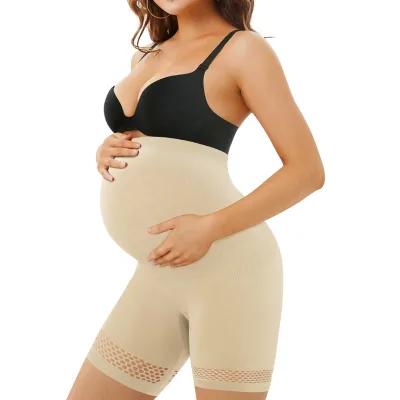

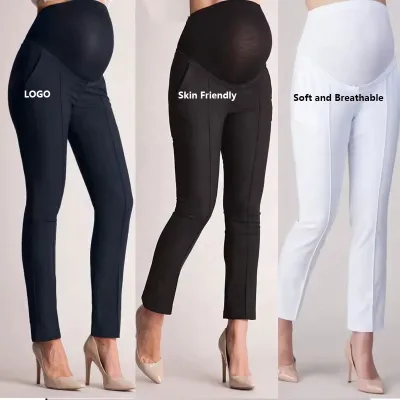
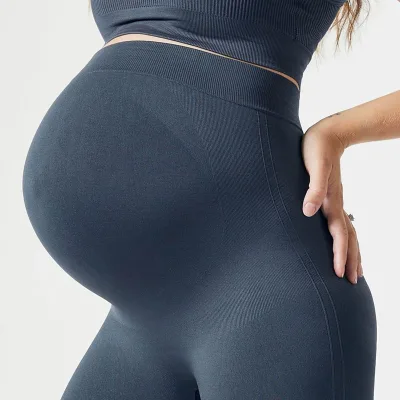
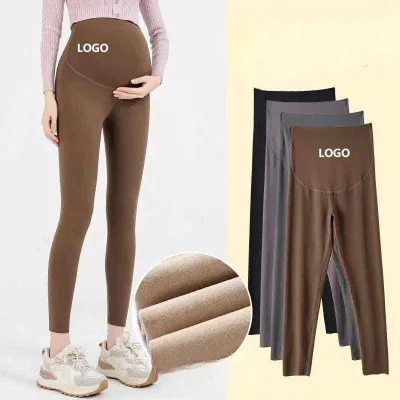
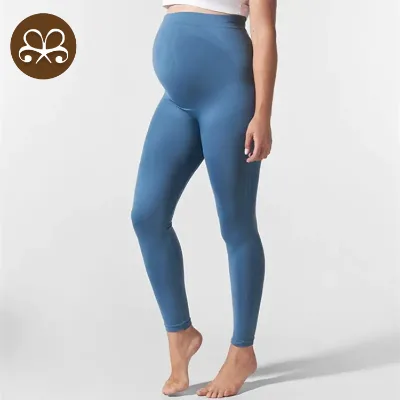
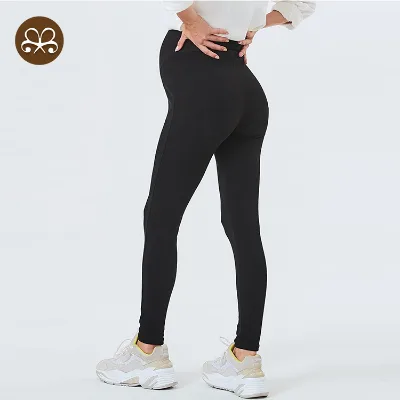


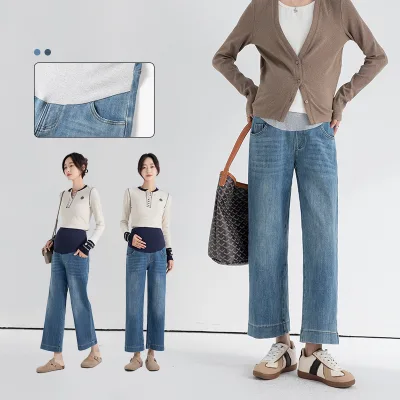
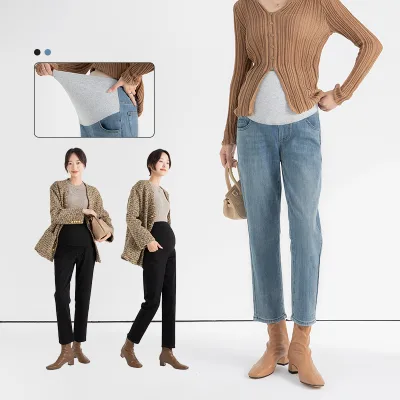


Best Women Maternity Legging Tights Women Stretch Tights Over The Belly
$8.00 - $12.00
MOQ: 100 Pieces


Comprehensive Sourcing Guide
Seamless Four-Way Stretch Maternity Pants Sourcing Guide
Sourcing seamless four-way stretch maternity pants requires a nuanced understanding of both textile engineering and the specific physiological needs of pregnant wearers. The core challenge lies in balancing high elasticity with structural integrity, ensuring the garment provides adequate abdominal support without compromising comfort or breathability. Buyers must navigate a market where "seamless" and "four-way stretch" are often used as marketing terms, necessitating rigorous verification of the actual knitting technology and fiber composition. This guide outlines the critical steps for identifying reliable suppliers, verifying technical specifications, and managing commercial risks associated with this specialized apparel category.
The procurement process for these garments is heavily influenced by customization capabilities and supply chain flexibility. Many manufacturers offer OEM and ODM services, allowing brands to tailor fit, fabric blend, and branding to their specific market positioning. However, this flexibility introduces complexity in quality control and lead time management. Buyers must establish clear communication channels regarding design iterations, sample approvals, and production timelines to avoid delays. Understanding the supplier’s capacity for handling small batch orders versus large-scale production runs is essential for aligning procurement strategies with inventory goals.
Product Scope and Observed Listing Signals
The current market landscape for seamless maternity pants is characterized by a wide variety of product attributes, ranging from basic boyshort styles to more complex abdominal support designs. Observed listings indicate a diverse range of sizes, including XS/S, M/L, XL/2XL, and extended sizes like 3X/4XL, catering to different stages of pregnancy and body types. Colors typically include neutral tones such as gray, black, and beige, which are preferred for their versatility and discretion in daily wear. The product type is often categorized under professional or daily wear, emphasizing functionality and comfort over high-fashion elements.
Material composition is a key differentiator among suppliers, with common blends involving high percentages of nylon and spandex to achieve the desired stretch and recovery properties. For instance, some products feature a blend of 94% nylon and 6% spandex, while others may use 92% nylon and 8% spandex, each offering slightly different hand feels and durability profiles. The weaving method is predominantly knitted, contributing to the seamless construction that eliminates chafing and pressure points. Buyers should note that while many listings claim eco-friendly or anti-bacterial properties, these attributes require independent verification to ensure they meet specific brand standards and regulatory requirements.
Technical Specifications to Verify
Verifying the technical specifications of seamless maternity pants is crucial to ensure the product meets functional requirements. The fabric’s elasticity must be tested for four-way stretch capability, ensuring it recovers its shape after repeated wear and washing. Buyers should request detailed fabric composition reports to confirm the percentage of nylon and spandex, as these ratios directly impact the garment’s durability, breathability, and compression level. Additionally, the construction method should be confirmed as truly seamless, which involves using circular knitting machines to create a tube-like structure that minimizes seams and enhances comfort.
Fit and sizing accuracy are critical for maternity wear, given the rapid changes in body dimensions during pregnancy. Suppliers should provide detailed size charts that account for waist, hip, and abdominal measurements, rather than relying solely on standard sizing conventions. The model number and product code should be clearly defined to avoid confusion during ordering and inventory management. Buyers must also verify the packaging specifications, such as polybag inclusion and single package dimensions, to ensure efficient storage and shipping. Customization options for logos and branding should be clearly outlined, including the methods available for logo application, such as printing or embroidery.
Compliance and Safety Documentation
Compliance with safety and quality standards is non-negotiable for maternity wear, as the garments come into direct contact with sensitive skin. Buyers must ensure that suppliers provide relevant certifications, such as OEKO-TEX, which verifies that the textiles are free from harmful substances. While some listings may mention OEKO-TEX compliance, buyers should request valid certificates and verify their authenticity with the issuing body. Additionally, any claims regarding anti-bacterial, anti-allergy, or anti-static properties must be supported by laboratory test results from accredited third-party labs.
Regulatory requirements vary by destination market, so buyers must be aware of specific labeling and content regulations. For example, in the European Union, the Textile Regulation (EU) No 1007/2011 mandates accurate fiber composition labeling, while in the United States, the Federal Trade Commission requires similar disclosures. Buyers should also consider environmental and social compliance standards, such as ISO 14001 for environmental management or SA8000 for social accountability, depending on their brand values and customer expectations. Ensuring that suppliers adhere to these standards mitigates legal risks and enhances brand reputation.
Cost Drivers and Commercial Terms
The cost of seamless maternity pants is influenced by several factors, including material costs, manufacturing complexity, and order volume. High-quality nylon and spandex blends are more expensive than standard cotton or polyester alternatives, and the seamless knitting process requires specialized equipment and skilled labor. Buyers should expect price variations based on the complexity of the design, such as the inclusion of abdominal support panels or custom branding. Minimum Order Quantities (MOQs) can range from as low as one piece for sampling to tens of thousands for bulk production, with pricing becoming more competitive as quantities increase.
Commercial terms such as Incoterms, payment methods, and lead times play a significant role in the overall procurement cost. Common shipping terms include EXW, FOB, CFR, CIF, DAP, and DDP, each affecting the buyer’s responsibility for logistics and insurance. Lead times for sample orders are typically around seven days, while bulk production can take 7-15 days or longer, depending on the order size and supplier capacity. Buyers should negotiate clear terms for quality disputes, returns, and replacements to protect their interests. Understanding the total landed cost, including freight, duties, and handling fees, is essential for accurate margin calculation.
Supplier Qualification and Quality Control
Qualifying suppliers for seamless maternity pants requires a thorough assessment of their manufacturing capabilities and quality control systems. Buyers should verify the supplier’s experience in producing seamless garments, as this requires specific expertise and equipment. Factory audits, either on-site or virtual, can provide insights into production processes, worker conditions, and quality management practices. Suppliers should have a robust QC process in place, including inline inspections and final random inspections, to ensure consistency and defect reduction.
Communication and responsiveness are critical indicators of a supplier’s reliability. Buyers should evaluate the supplier’s ability to provide timely updates, address concerns, and accommodate changes during the production process. References from other clients, particularly those in the maternity or activewear sector, can provide valuable insights into the supplier’s performance. Buyers should also assess the supplier’s flexibility in handling custom orders and their willingness to collaborate on design improvements. Establishing a strong partnership with a qualified supplier can lead to better pricing, improved quality, and more reliable delivery schedules.
Long-Term Procurement Checks
Long-term procurement success depends on continuous monitoring and evaluation of supplier performance. Buyers should establish key performance indicators (KPIs) such as on-time delivery rate, defect rate, and responsiveness to issues. Regular performance reviews, conducted quarterly or annually, can help identify areas for improvement and reinforce accountability. Suppliers should be encouraged to innovate and suggest improvements in fabric technology or design, fostering a collaborative relationship that benefits both parties.
Market trends and consumer preferences in maternity wear are constantly evolving, so buyers must stay informed about new materials, styles, and regulatory changes. Building a diversified supplier base can mitigate risks associated with single-source dependency, such as production disruptions or price volatility. Buyers should also consider the sustainability of their supply chain, exploring options for eco-friendly materials and ethical manufacturing practices. By maintaining a proactive approach to supplier management and market analysis, buyers can ensure a resilient and competitive procurement strategy for seamless maternity pants.
FAQs
Can I customize the logo on these maternity pants?
Yes, customized logo printing is available for these Seamless Four-Way Stretch Maternity Pants. The product supports ODM and OEM services, allowing buyers to add their branding. This customization is offered alongside other tailored options like size and packing requirements to meet specific business needs.
What is the minimum order quantity for these pants?
The minimum order quantity is as low as one piece for sample orders. Some listings indicate a flexible MOQ where more quantity leads to more competitive pricing. Buyers can start with a single item to test the product before committing to larger bulk orders.
How long does it take to receive a sample order?
Sample orders can be delivered within seven days. The supplier supports quick turnaround times for samples, with a general delivery time ranging from seven to fifteen days for larger orders. This ensures buyers can evaluate the product quality quickly.
What materials are used to make these maternity pants?
These pants are constructed from high-elastic, seamless fabric composed of 92% nylon and 8% spandex. Another variant uses 94% nylon and 6% spandex. The knitted weaving method ensures the fabric is breathable, anti-bacterial, and provides abdominal support for daily wear.
Where are these maternity pants manufactured?
These products are made in China, specifically originating from Guangdong. The manufacturing location allows for efficient production and shipping via various freight terms including EXW, FOB, and CIF. Buyers can expect goods to be sourced directly from this region.
Which sizes are available for these seamless pants?
Available sizes include XS/S, M/L, XL/2XL, and 3X/4XL. The product also offers a standard size M and allows for customized measurements upon request. This range accommodates various body types, ensuring a comfortable fit for pregnant women.
Can I request custom packaging for these items?
Yes, the product packing can be customized depending on the buyer's specific requirements. Standard packing is one piece per polybag, but alternative options are available. This flexibility supports branding and logistics needs for different market segments.