Source self-adhesive eco-friendly hook and loop strap for bags, belts, and clothes
Compare 30 listings for self-adhesive eco-friendly hook and loop strap from verified suppliers in Guangdong. Buyers can evaluate customization options, material types like nylon and polyester, and certifications including SGS and RoHS to find suitable fasteners for bags, belts, and clothing applications.
Key considerations
Products List


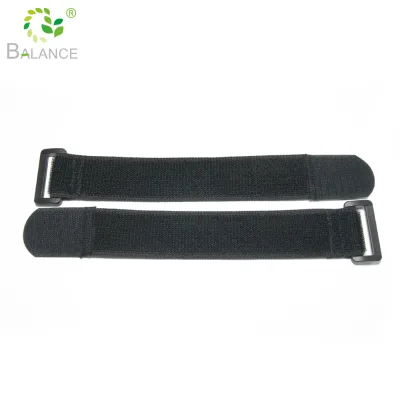
Adjustable Buckled Black Elastic Cinch Strap Hook & Loop Straps for Extra Durability
$0.05 - $0.80
MOQ: 1000 Pieces
Comprehensive Sourcing Guide
Strategic Sourcing Guide for Self-Adhesive Eco-Friendly Hook and Loop Straps
The global demand for sustainable fastening solutions has driven a significant shift toward self-adhesive eco-friendly hook and loop straps. These products, often categorized under hook and loop tape or nylon ties, serve as versatile alternatives to traditional metal fasteners, offering a balance of durability, reusability, and environmental responsibility. For procurement professionals, navigating this market requires a disciplined approach to verifying product attributes, understanding the nuances of material composition, and ensuring that supplier claims align with actual manufacturing capabilities. This guide synthesizes available market data to provide a framework for sourcing these fasteners effectively, focusing on technical specifications, compliance, and long-term value.
Technical Specifications and Material Composition
The foundation of a reliable hook and loop strap lies in its material composition and structural design. Based on observed market data, the primary materials utilized in this category are Nylon and Polyester, often blended to optimize performance. Nylon is frequently cited for its high tenacity and abrasion resistance, making it suitable for applications requiring frequent engagement and disengagement. The presence of a spring mechanism in certain variants indicates a design focused on maintaining tension or providing a specific release action, which is critical for dynamic applications.
When evaluating technical specifications, buyers must scrutinize the customization options available. The market offers customizable sizes and standards, allowing for tailored solutions that fit specific packaging or garment requirements. For instance, specific product models such as HY-091, HY-M2000, and HL0008 demonstrate the variety in form factors available. The self-adhesive nature of these straps is a key feature, often achieved through coated or printed techniques that ensure strong bonding to various substrates.
Temperature tolerance is another critical technical parameter. Operational data indicates that these straps can function within a range of -40 to 75 degrees Celsius. This range is essential for products that may be exposed to extreme environmental conditions during shipping or end-use. Furthermore, the fire rating is a vital safety specification; observed data points to a 94V rating, which is a standard benchmark for flammability resistance in plastic components. Buyers should verify that the specific batch they intend to purchase meets this rating, as it directly impacts compliance with safety regulations in industries such as electronics and automotive.
Compliance, Certification, and Environmental Standards
In the realm of eco-friendly fasteners, certification is not merely a marketing tool but a prerequisite for market access in many regions. The supply chain for these products often involves rigorous testing to ensure they meet international safety and environmental standards. Common certifications observed in the sector include SGS, RoHS, and CTI. SGS is a global leader in inspection, verification, testing, and certification, providing assurance that the product meets quality and safety benchmarks. RoHS (Restriction of Hazardous Substances) compliance is particularly important for electronic applications, ensuring that the hook and loop straps do not contain restricted hazardous materials.
The "Eco-Friendly" attribute is a central claim for these products, supported by features such as recyclability and reusability. The ability to recycle the material is a significant differentiator in a market increasingly driven by sustainability goals. Buyers should request specific documentation proving the recyclable status of the product, as this claim must be backed by verifiable data rather than general assertions. Additionally, the presence of ISO certification indicates that the manufacturer adheres to international management system standards, which often correlates with consistent quality control processes.
It is crucial to distinguish between general product features and specific certified attributes. While many products list "Eco-Friendly" as a feature, the actual certification status must be confirmed through third-party audit reports. The supply chain often originates from regions like Guangdong and Shenzhen in China, which are hubs for textile and fastener manufacturing. Buyers should verify that the place of origin aligns with the certifications provided, as regional manufacturing standards can vary.
Cost Drivers and Pricing Dynamics
Understanding the cost structure of self-adhesive hook and loop straps is essential for effective budget management. The observed price range in the market spans from $0 to $63 USD, reflecting a wide variety of product complexities, volumes, and customization levels. Several factors drive these costs, including the material blend (Nylon vs. Polyester), the complexity of the adhesive application, and the level of customization required.
Minimum Order Quantity (MOQ) is a significant variable in pricing. The market shows an MOQ range from 1 to 5000 units. Lower MOQs, such as single units, are typically associated with higher per-unit costs due to the setup and handling fees involved in small-batch production. Conversely, bulk orders can leverage economies of scale to reduce the unit price significantly. Buyers must balance their inventory needs with their budget constraints to determine the optimal order size.
Customization is another major cost driver. While the standard products offer fixed sizes and colors, the ability to customize size, color matching, and packaging adds value but also increases the cost. The "Color Matching" feature suggests that suppliers can tailor the aesthetic to match specific branding requirements, which is common in consumer goods. Additionally, the packaging method, such as "Each Roll of Magic Tape Packed in Carton" or "OPP Bag," influences the final cost. Bulk packaging in cartons is generally more cost-effective for large shipments, while individual OPP bags may be necessary for retail-ready products.
Typical Applications and Usage Scenarios
The versatility of self-adhesive eco-friendly hook and loop straps makes them suitable for a diverse range of applications. The primary usage categories observed include bags, belts, clothes, and general fastening needs. In the textile industry, these straps are often used as closures for bags and belts, offering a durable and reusable alternative to zippers or buttons. The "Reusable" feature is particularly valuable in this context, as it extends the lifecycle of the product and reduces waste.
Beyond textiles, these straps find applications in the electronics and packaging sectors. The "High-temperature" feature and 94V fire rating make them suitable for securing cables and components in electronic devices where heat resistance and safety are paramount. The "Releasable Cable Tie" designation highlights their utility in managing wire harnesses, allowing for easy adjustments and reconfiguration without damaging the cables.
The "Bag, Clothes and So on" usage category indicates a broad applicability in consumer goods. The ability to customize the size and color allows manufacturers to integrate these fasteners seamlessly into product designs. For example, a custom-colored strap can be used to reinforce a backpack or to secure a garment, enhancing both functionality and aesthetics. The "High Tenacity" and "Abrasion Resistance" features ensure that these straps can withstand the rigors of daily use, maintaining their integrity over time.
Supplier Evaluation and Quality Control
Selecting the right supplier is a critical step in the sourcing process. Buyers should evaluate suppliers based on their ability to meet technical specifications, maintain consistent quality, and provide necessary certifications. The presence of multiple product models, such as HY-2094 and HY-2039, suggests that suppliers have a diverse portfolio and the capacity to handle various order requirements. However, buyers must verify that the specific model they select meets their exact needs.
Quality control should be a continuous process, not just a final inspection. Suppliers should implement rigorous testing protocols to ensure that every batch of hook and loop straps meets the specified standards. This includes verifying the adhesive strength, the durability of the hook and loop mechanism, and the compliance with fire and environmental standards. The "Stock" availability of certain products indicates that suppliers maintain inventory levels, which can be beneficial for reducing lead times. However, buyers should also consider the lead times for customized orders, as these may vary significantly.
When evaluating suppliers, it is important to look for transparency in their operations. Suppliers that provide detailed product information, including material composition, certification documents, and testing results, are more likely to be reliable partners. The "Each Roll of Hook & Loop Tape Packed in Carton" specification suggests a focus on proper packaging to prevent damage during transit, which is a sign of a quality-conscious supplier.
Long-Term Procurement Considerations
Sourcing self-adhesive eco-friendly hook and loop straps is not just about meeting immediate needs; it is about building a sustainable supply chain for the future. The "Eco-Friendly" and "Recyclable" attributes of these products align with global trends toward sustainability, making them a strategic choice for companies looking to reduce their environmental footprint. Buyers should consider the long-term implications of their sourcing decisions, including the potential for cost savings through bulk purchasing and the ability to adapt to changing market demands.
The customization capabilities of these products offer flexibility for future product development. As consumer preferences evolve, the ability to adjust size, color, and material composition will be crucial. Buyers should establish relationships with suppliers who can scale their production to meet increasing demand while maintaining quality and compliance. The "Customizable" standard and "Can be Customized" attributes indicate that suppliers are prepared to adapt to specific requirements, which is essential for long-term success.
In conclusion, the market for self-adhesive eco-friendly hook and loop straps offers a robust solution for a wide range of applications. By focusing on technical specifications, verifying certifications, understanding cost drivers, and evaluating suppliers carefully, buyers can secure high-quality products that meet their needs and align with their sustainability goals. The key to successful sourcing lies in a disciplined approach that prioritizes evidence-based decision-making and long-term partnership building.
FAQs
What materials are used for self-adhesive eco-friendly hook and loop straps?
These straps are primarily made from Nylon or a blend of Polyester and Nylon. The Nylon material offers high tenacity and abrasion resistance, ensuring durability for repeated use in various applications like bags and belts.
Can these straps be customized for specific sizes and standards?
Yes, the size and product standards are fully customizable to meet specific requirements. Suppliers offer adjustable dimensions and can adapt the standard to match your unique packaging or garment needs without compromising quality.
What certifications do these eco-friendly fasteners typically hold?
Common certifications include SGS, RoHS, CTI, and ISO to ensure safety and environmental compliance. These documents verify that the products meet international standards for hazardous substances and quality management systems.
How do these straps perform in high-temperature environments?
They function effectively within a temperature range of -40 to 75 degrees Celsius. Additionally, they often carry a 94V fire rating, making them suitable for applications requiring heat resistance and safety compliance.
What is the typical minimum order quantity for these products?
The minimum order quantity ranges from 1 to 5000 units depending on the supplier and customization level. Lower MOQs are available for small batches, while bulk orders may leverage economies of scale for better pricing.
Where are these hook and loop straps typically manufactured?
Manufacturing is concentrated in Guangdong and Shenzhen, China, which are major hubs for textile and fastener production. Buyers should verify the specific place of origin to ensure alignment with their sourcing preferences.
Are these straps recyclable and reusable for sustainable applications?
Yes, the products are designed to be eco-friendly, reusable, and recyclable. This feature supports sustainability goals by extending the product lifecycle and reducing waste in industries like textiles and electronics.