Source Self Adhesive PVC Roofing Membrane for Roofs
Find 30 Self Adhesive PVC Roofing Membrane options from China. Compare specs like 1.0-2.0mm thickness, ISO/CE certifications, and polyester mesh reinforcement for outdoor and indoor waterproofing applications; compare the available evidence and request quotations based on your requirements.
Updated
Key considerations
Products List


Anti UV Waterproofing PVC Waterproofing Membrane Roofing Membrane
$7.50 - $8.50
MOQ: 1000 Square Meters

Building Material Homogeneous / Reinforced Self-Adhesive PVC Roofing Membrane Sheet
$3.80 - $5.20
MOQ: 3000 Square Meters

Waterproof PVC Roofing and Building Membrane with Polyester Reinforcement
$3.80 - $5.20
MOQ: 3000 Square Meters


Membrane Waterproofing PVC Roofing Membrane Roof Waterproofing Solutions
$2.50 - $6.50
MOQ: 1000 Square Meters


Polyester Reinforced PVC Roofing Membrane with High Durability Waterproofing Materials
$2.50 - $6.50
MOQ: 1000 Square Meters

PVC Waterproof Membrane Sheet Smooth Version Polyester Reinforced
$2.50 - $6.50
MOQ: 1000 Square Meters

Self-Adhesive Weldable High Elastic Anti-Aging PVC Roof Waterproof Membrane
$3.20 - $3.80
MOQ: 500 Square Meters

PVC Roofing Membrane Polyester Reinforced Roof Waterproofing Membrane
$3.20 - $3.80
MOQ: 500 Square Meters

Top-Quality Building Roofing Material PVC Waterproofing Roofing Membrane
$3.20 - $3.80
MOQ: 500 Square Meters

High-Performance PVC Membrane for Superior Waterproof Roofing Solutions
$3.20 - $3.80
MOQ: 500 Square Meters

High Polymer Building Materials PVC Waterproof Membrane for Roof Waterproofing
$3.20 - $3.80
MOQ: 500 Square Meters
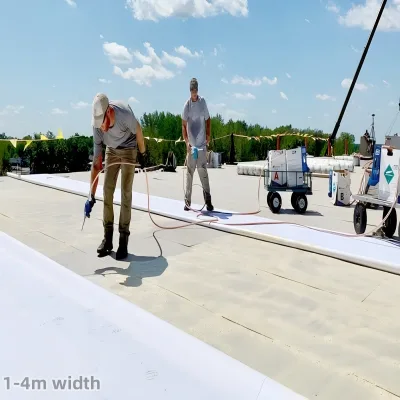
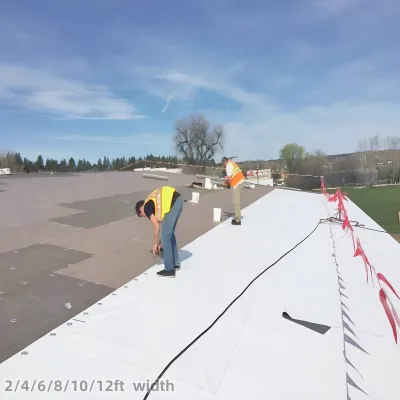
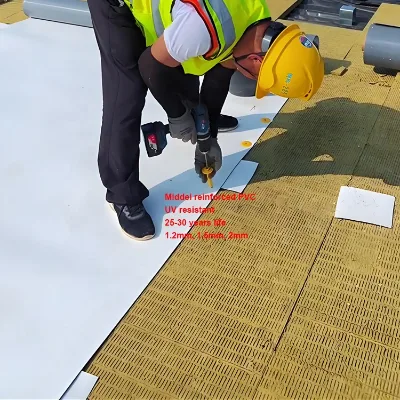
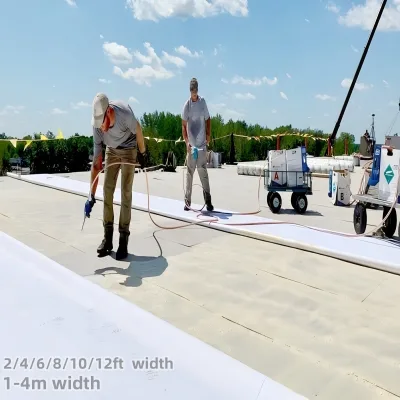
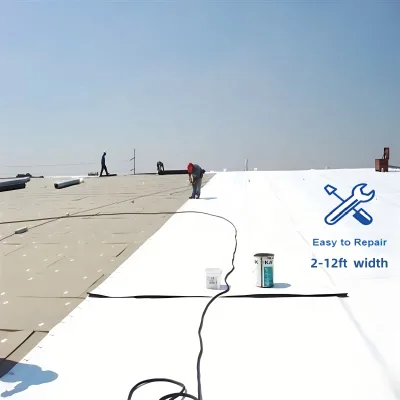
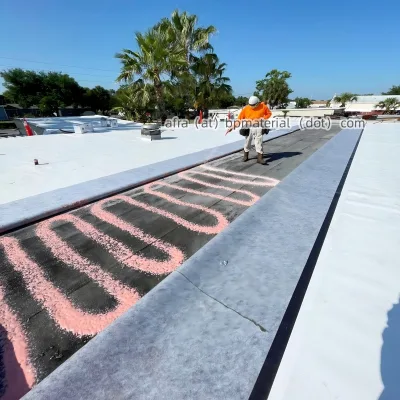


High Polymer PVC Self Adhesive Waterproof Membrane for Flat Roof
$4.60 - $5.00
MOQ: 1000 Square Meters


Pennint PVC Roofing Membrane Polyester Reinforced Roof Waterproofing Membrane
$4.60 - $5.00
MOQ: 1000 Square Meters
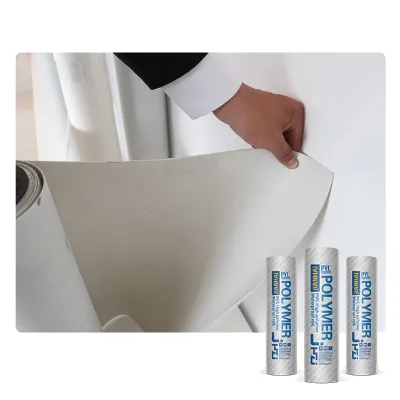
Comprehensive Sourcing Guide
Self Adhesive PVC Roofing Membrane Sourcing Guide
Procuring self-adhesive PVC roofing membranes requires a careful evaluation of material composition, adhesive performance, and installation compatibility. Buyers must distinguish between standard hot-air welded sheets and those designed for direct adhesion to substrates. The core keyword highlights a specific application method, yet market listings often mix general PVC roofing products with specialized adhesive variants. Understanding this distinction is critical for ensuring the selected product meets the structural and weatherproofing requirements of the project.
This guide focuses on verifying the technical attributes of PVC roofing membranes, including thickness, reinforcement, and surface treatments. While many suppliers offer customizable options, the presence of self-adhesive properties is not universally guaranteed in general PVC membrane listings. Buyers should prioritize suppliers who explicitly define the bonding mechanism and provide evidence of adhesion strength. This approach minimizes the risk of installation failures and ensures long-term durability in both indoor and outdoor environments.
Product Scope and Observed Listing Signals
The observed product range includes PVC roofing membranes with varying thicknesses, typically spanning from 1.0 mm to 2.0 mm, with specific models like Mile-PRM and ML-PVC available. Common widths are 2.05 M and 3.05 M, with roll lengths extending up to 50 M. These dimensions facilitate efficient coverage for large roof areas, reducing the number of seams required. The material is often reinforced with polyester mesh to enhance tensile strength and dimensional stability, which is crucial for withstanding thermal expansion and contraction.
Color options observed include grey and black, with surface treatments ranging from film-coated to roll-coated finishes. Some listings indicate a grey and white surface appearance, suggesting dual-layer or reflective properties. The products are generally packed in kraft paper or on pallets, ensuring protection during transit. Buyers should verify if the specific SKU includes a self-adhesive backing, as many general PVC membranes rely on hot-air welding rather than adhesive bonding for seam integrity.
Technical Specifications to Verify
Thickness is a primary determinant of performance, with observed specifications ranging from 1.0 mm to 2.0 mm. Thicker membranes generally offer better puncture resistance and longer service life, but may be less flexible during installation. Buyers must confirm the exact thickness tolerance, as variations can affect the welding or adhesion process. The presence of polyester mesh reinforcement is a key technical feature that enhances durability, preventing tearing under stress. This reinforcement should be evenly distributed throughout the membrane to ensure consistent performance across the entire surface area.
Surface treatment plays a significant role in UV resistance and anti-corrosion properties. Observed features include UV resistance, tearing resistance, and anti-corrosion capabilities, which are essential for outdoor applications. The application method is typically hot-air welding, but for self-adhesive variants, the adhesive layer must be compatible with the substrate material. Buyers should request technical data sheets that specify the adhesive type, peel strength, and shear resistance to ensure proper bonding under various environmental conditions.
Compliance and Safety Documentation
Certification is a critical factor in procurement, with ISO and CE marks being commonly observed in the product listings. These certifications indicate that the manufacturer adheres to specific quality management and safety standards. Some listings also mention MSDS certification, which provides essential information about the material's chemical composition and handling requirements. Buyers should verify the validity of these certifications and ensure they are issued by recognized accreditation bodies. This verification process helps mitigate legal and safety risks associated with the use of construction materials.
Safety documentation should also include details on fireproofing and anti-static properties, as some listings indicate these features. Fireproof membranes are essential for buildings with strict fire safety regulations, while anti-static properties can be beneficial in industrial settings. Buyers must ensure that the product meets local building codes and fire safety standards. Requesting test reports from independent laboratories can provide additional assurance of the product's safety performance and compliance with regulatory requirements.
Cost Drivers and Commercial Terms
The observed price range for PVC roofing membranes is between 2.34 and 10 USD, influenced by factors such as thickness, reinforcement, and certification. Higher thickness and additional features like UV resistance or fireproofing typically command higher prices. The minimum order quantity (MOQ) ranges from 100 to 3000 units, with some listings specifying an MOQ of 1000 m2. Buyers should consider the total cost of ownership, including shipping, installation, and maintenance, rather than focusing solely on the unit price.
Commercial terms such as packing and lead time are also important considerations. Products are often packed in pallets or kraft paper to prevent damage during transit. Lead times can vary based on production capacity and order volume, so buyers should confirm delivery schedules early in the procurement process. Customization options are available, allowing buyers to tailor the product to specific project requirements. However, customization may impact lead times and costs, so these factors should be carefully evaluated.
Supplier Qualification and Quality Control
Supplier qualification involves verifying the manufacturer's production capabilities and quality control processes. Buyers should assess the supplier's experience in manufacturing PVC roofing membranes and their ability to meet specific technical requirements. The place of origin is often China, with some suppliers located in Shandong Province. Buyers should request evidence of the supplier's production capacity, including machinery and workforce size, to ensure they can fulfill large orders consistently.
Quality control measures should include regular testing of raw materials and finished products. Buyers should inquire about the supplier's testing protocols for thickness, tensile strength, and adhesion performance. On-site audits or third-party inspections can provide additional assurance of product quality. After-sales service, such as online technical support, is also an important factor in supplier selection. A responsive and knowledgeable support team can help resolve installation issues and ensure the product performs as expected.
Long-Term Procurement Checks
Long-term procurement success depends on establishing a reliable supply chain and maintaining consistent product quality. Buyers should monitor supplier performance over time, tracking metrics such as delivery reliability, product consistency, and responsiveness to issues. Regular communication with the supplier can help identify potential problems early and facilitate continuous improvement. Building a strong relationship with the supplier can also lead to better pricing and priority service during peak demand periods.
Warranty is a key indicator of supplier confidence in their product, with observed warranties ranging from 12 months to 5 years. Buyers should carefully review the warranty terms to understand what is covered and under what conditions. A longer warranty period may indicate higher product quality and durability. Additionally, buyers should stay informed about industry trends and technological advancements in PVC roofing membranes to ensure they are sourcing the most effective and efficient products for their projects.
FAQs
What certifications do the PVC roofing membranes have?
The membranes hold ISO and CE certifications, with some variants also carrying MSDS. These documents verify compliance with international safety and quality standards for outdoor and indoor roofing applications.
How thick are the available PVC roofing membrane rolls?
Thickness ranges from 1.0 mm to 2.0 mm, with popular options at 1.5 mm and 2.0 mm. Specific models offer standard thicknesses like 1.5 mm or 2.0 mm depending on the product line selected.
Can the product be customized for specific project needs?
Yes, customization is available for various requirements including dimensions and surface treatments. Buyers can request specific roll lengths or standard sizes like 2.0m by 20m to fit their unique construction projects.
What is the minimum order quantity for these membranes?
The minimum order quantity starts at 1000 square meters for standard orders. Some listings indicate a range of 100 to 3000 units, but the primary documented requirement is 1000 square meters.
Where are these PVC roofing membranes manufactured?
Products originate from China, specifically from Shandong Province. This location ensures access to established manufacturing facilities capable of producing high-volume roofing and waterproofing materials for global distribution.
What warranty period is provided for the roofing membrane?
Warranty periods vary between 12 months and 5 years depending on the specific product model. Buyers should verify the exact warranty terms associated with their selected thickness and application method.
How is the product packed for shipping and delivery?
Items are packed in Kraft Packing or on pallets, often rolled for transport. This ensures protection during transit while maintaining the integrity of the PVC material and its surface treatments.