Source self-adhesive removable nail art tape for DIY, Salon, and Design
Compare 30 listings of self-adhesive removable nail art tape from verified suppliers in Guangdong. Buyers can evaluate model numbers, materials like paper or non-woven fabric, and shipping options including DHL and FedEx for manicure decoration needs.
Key considerations
Products List
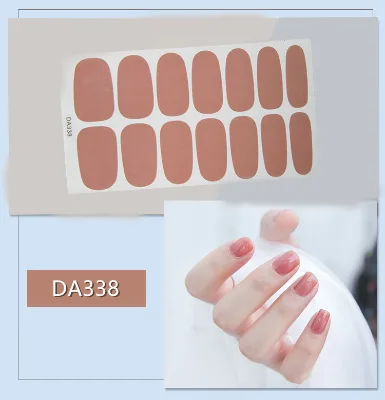
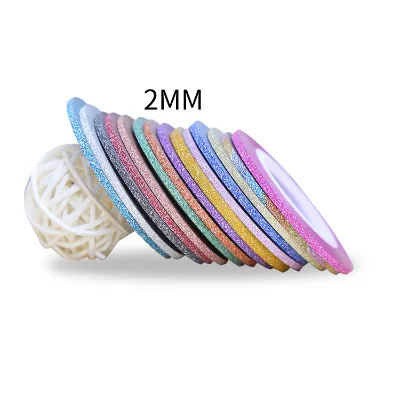
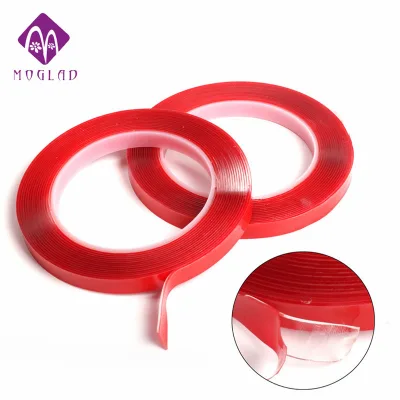
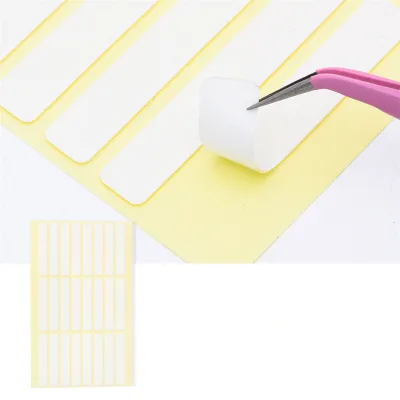


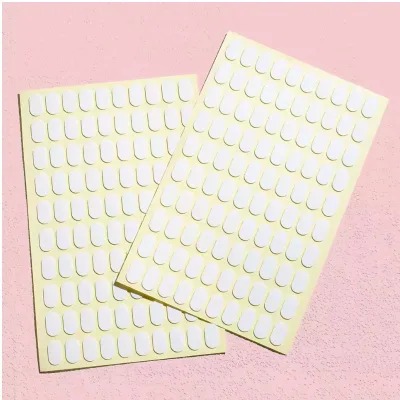
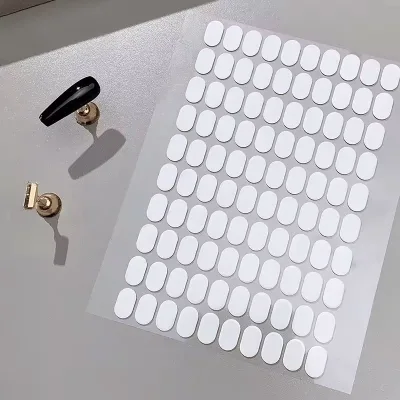
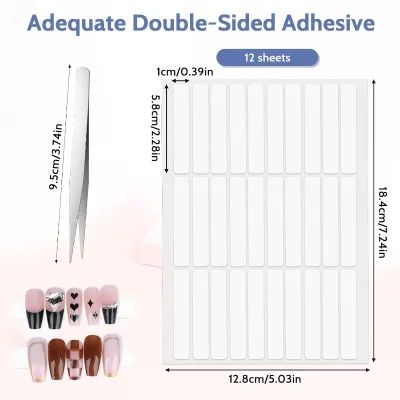
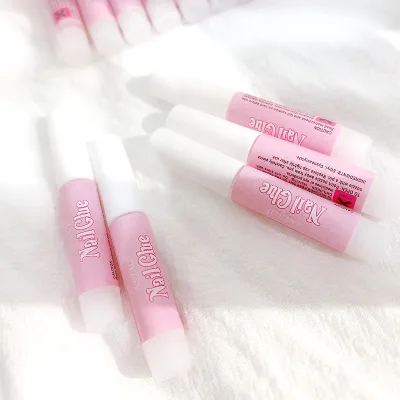

Comprehensive Sourcing Guide
Strategic Sourcing Guide for Self-Adhesive Removable Nail Art Tape
The global market for nail art accessories has expanded significantly, with self-adhesive removable nail art tape emerging as a versatile component for both professional manicurists and DIY enthusiasts. This category encompasses a range of products designed to create precise lines, geometric patterns, and decorative borders on fingernails. Sourcing these items requires a nuanced understanding of material composition, adhesive performance, and supply chain logistics. Buyers must navigate a landscape where product attributes vary widely, from 2D striping tapes to 3D decorative elements. This guide provides a structured approach to evaluating suppliers and products, ensuring that procurement decisions are based on verified facts and industry standards rather than marketing claims.
Technical Specifications and Material Composition
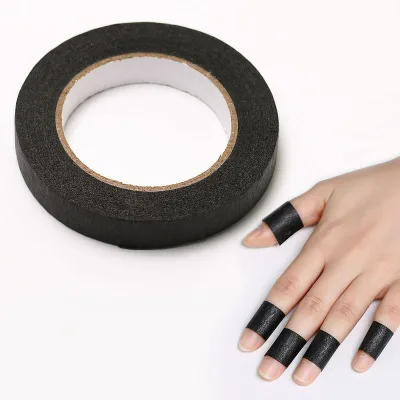
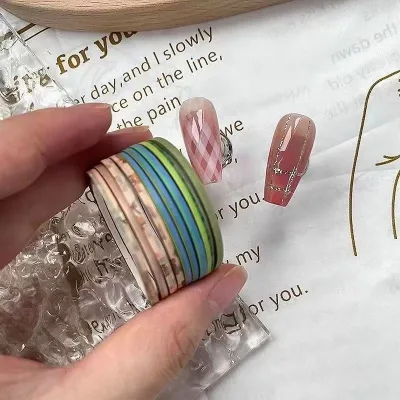
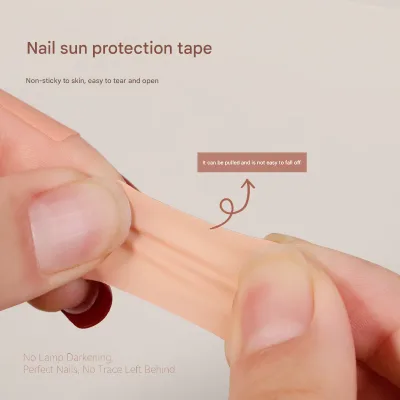
The foundation of any successful nail art tape procurement lies in the technical specifications of the product. The core material determines the flexibility, durability, and ease of application. In the current market, two primary material types are observed: paper and non-woven fabric. Paper-based tapes are often associated with traditional striping designs, offering a matte finish and a specific texture that allows for easy tearing or cutting. Non-woven fabric variants, frequently described as "bandages" or "tapes," provide a different tactile experience, often characterized by higher tensile strength and a unique drape over the nail curve.
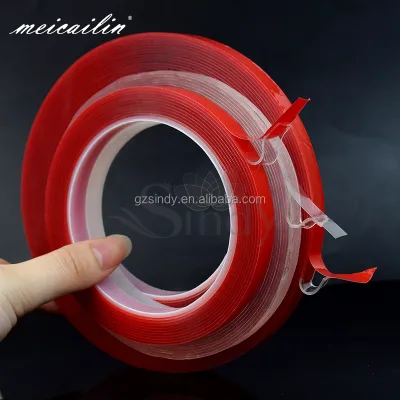
Adhesiveness is a critical specification that buyers must verify. The product data indicates that high-performance options feature "Strong Self-Adhesive" properties, ensuring the tape remains in place during the curing process of gel or acrylic nail systems. However, the "removable" aspect of the keyword implies that the adhesive must not damage the natural nail or the underlying polish upon removal. Buyers should request sample testing to confirm that the adhesive strength is balanced: strong enough to hold intricate designs but weak enough to be peeled away cleanly without residue.
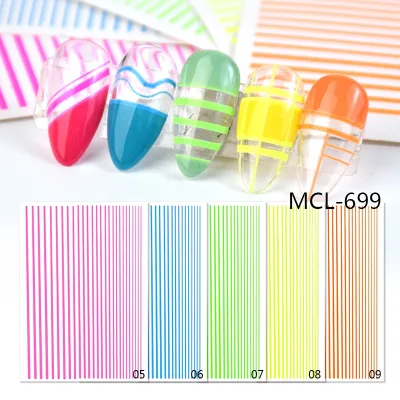
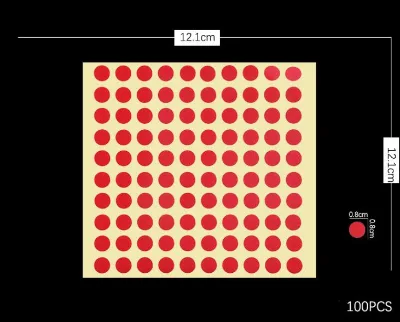
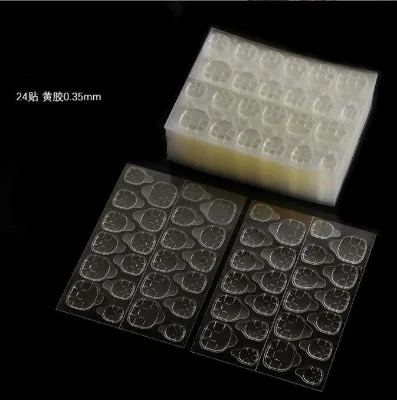
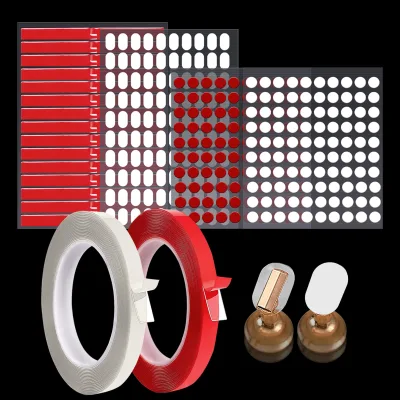
Dimensional specifications are equally vital. Standard single package sizes observed in the market range from compact 5x5x2 cm units for roll-based tapes to larger 15x9x1 cm packages for sticker sets. The width of the tape, often customizable, dictates the precision of the lines created. For instance, "Custom Striping Tapes" allow for specific width requirements, which is essential for brands looking to offer specialized tools. The model numbers associated with these products, such as MCL-699 or FN-BBTS-4, serve as unique identifiers for specific formulations and should be cross-referenced with the physical sample to ensure consistency in future orders.
Compliance, Certification, and Safety Standards
When sourcing beauty accessories, compliance with safety standards is non-negotiable, particularly for products that come into direct contact with the skin and nails. While the supplied product data does not list specific certification numbers, buyers must independently verify that suppliers adhere to relevant regional safety regulations. In the European Union, products must comply with the Cosmetics Regulation (EC) No 1223/2009, which mandates safety assessments for all cosmetic ingredients. In the United States, the Food and Drug Administration (FDA) oversees the safety of color additives and general product labeling.
Buyers should explicitly request documentation regarding the safety of the adhesives and inks used in the tape production. The presence of "Private Logo Accepted" on supplier listings suggests that many manufacturers offer customization services, which introduces additional compliance layers. When a supplier applies a custom logo, the inks used for that logo must also be non-toxic and compliant with cosmetic safety standards. Furthermore, the "Material" listing of non-woven fabric or paper must be free from harmful chemicals such as phthalates or heavy metals, which are sometimes found in low-quality decorative items.
It is crucial to distinguish between the product's physical attributes and its regulatory status. A supplier may claim a product is "Easy Apply" or "Multicolor," but these are functional descriptions, not safety certifications. Buyers should not assume that a product's aesthetic features imply regulatory compliance. Instead, the procurement process must include a mandatory request for a Certificate of Analysis (CoA) or a Safety Data Sheet (SDS) for the specific materials used. This verification step protects the buyer from liability and ensures the safety of the end consumer.
Cost Drivers and Pricing Structures
Understanding the cost drivers for self-adhesive nail art tape is essential for budgeting and negotiating effective contracts. The observed price range in the market spans from $0.03 to $3.75 per unit, a significant variance that reflects differences in material quality, design complexity, and packaging. The primary cost drivers include the raw material source, the intricacy of the printing process, and the volume of the order.
Paper-based tapes generally offer a lower cost baseline compared to non-woven fabric options, which may involve more complex manufacturing processes. The "Color" specification, ranging from single colors to multi-color sets (e.g., 9 to 12 colors), directly impacts the unit price. Products with "Multicolor" features or those offering "Multiple Functions" often command a premium due to the added value they provide to the end user. Additionally, the "Single gross weight" varies significantly, from 0.01 kg to 0.300 kg, influencing shipping costs. Heavier or bulkier packages increase logistics expenses, which suppliers often pass on to the buyer.
Minimum Order Quantity (MOQ) is another critical factor in cost management. The observed MOQ range extends from 0 to 3000 units, with a specific high-confidence fact noting an MOQ of 50 PCS for certain items. Lower MOQs allow for smaller initial investments and reduced inventory risk, making them ideal for startups or testing new designs. However, higher volume orders typically unlock better unit pricing. Buyers should analyze the total cost of ownership, including the MOQ, unit price, and shipping fees, rather than focusing solely on the sticker price. The "Selling Units" being listed as "Single item" suggests that some suppliers sell individual rolls, while others may require bulk purchases, affecting the overall procurement strategy.
Typical Applications and Functional Versatility
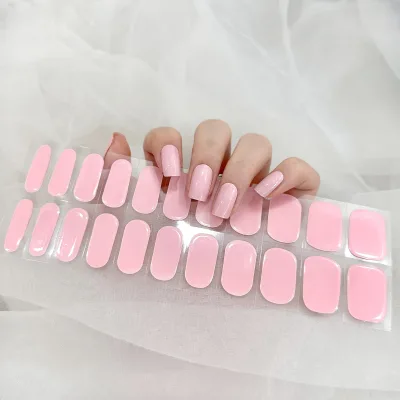
Self-adhesive nail art tape serves a diverse range of applications, catering to various styles and techniques within the manicure industry. The primary application is "Finger Nail Art," where the tape is used to create precise lines, stripes, and geometric patterns. The "Style" attribute, described as "Nail Art DIY Decoration," highlights the product's utility for both professional salon use and home enthusiasts. The "Easy Apply" feature is particularly valuable for users who may lack advanced nail art skills, allowing them to achieve professional-looking results with minimal effort.
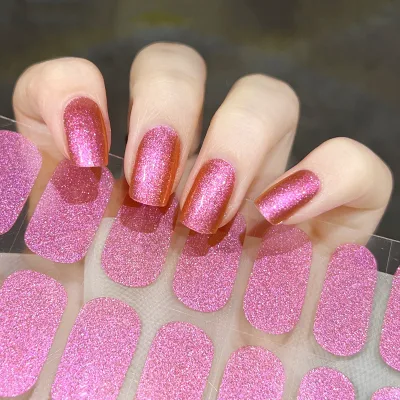
Beyond simple striping, these tapes are utilized for "Nail Charms/Decoration Tapes," adding texture and dimension to the nail surface. The "3D" and "2D" classifications indicate different levels of depth and visual impact. 3D tapes may include raised elements or thicker materials that create a tactile effect, while 2D tapes provide flat, precise lines. The "Function" of "Multiple Functions Bandage" suggests that some products can be used for more than just decoration, potentially serving as structural supports or protective layers during nail repairs.
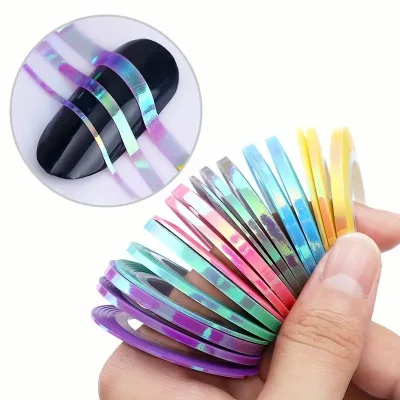
The versatility of these products is further enhanced by their compatibility with various nail systems. Whether used with gel polish, acrylics, or traditional lacquer, the "Strong Self-Adhesive" property ensures that the tape adheres securely to the nail surface. The "Application" of "Manicure Art Self-Adhesive Tapes" confirms their broad utility across different manicure techniques. Buyers should consider the specific needs of their target market when selecting products; for example, a salon specializing in intricate designs may prefer custom-width striping tapes, while a retail brand might focus on pre-packaged sets with multiple colors.
Supplier Evaluation and Selection Criteria
Selecting the right supplier is a critical step in the procurement process. The market data indicates that suppliers are located in specific regions, with "Guangdong, China" being a prominent hub for nail art product manufacturing. This location suggests a mature supply chain with access to raw materials and established logistics networks. However, geographic location alone is not a sufficient criterion for selection. Buyers must evaluate suppliers based on their production capabilities, quality control measures, and reliability.
Key evaluation factors include the "Supply Ability," which is listed as 5,000,000 pieces per month for certain manufacturers. This high capacity indicates that the supplier can handle large orders and scale production as demand grows. Buyers should verify this capacity through site audits or by requesting references from existing clients. Additionally, the "Delivery Time" of 7-15 days is a standard metric that buyers should use to assess lead times. Consistency in meeting these timelines is crucial for maintaining inventory levels and fulfilling customer orders.
The "Shipping method" options, including DHL, FedEx, EMS, UPS, and TNT, demonstrate the supplier's logistical flexibility. Buyers should compare shipping costs and delivery speeds across these carriers to optimize their logistics strategy. Furthermore, the acceptance of "Private Logo" services indicates that the supplier is capable of customization, which is essential for brands looking to differentiate their products. Buyers should inquire about the minimum requirements for private labeling and the lead times associated with custom orders.
Quality Control and Long-Term Procurement Considerations
Maintaining consistent quality is paramount for long-term success in the nail art tape market. Quality control measures should be implemented at every stage of the production process, from raw material sourcing to final packaging. Buyers should request detailed quality control reports that include tests for adhesion strength, colorfastness, and material integrity. The "Feature" of "Easy Apply" must be validated through user testing to ensure that the product performs as advertised.
Long-term procurement considerations involve building a sustainable relationship with the supplier. This includes establishing clear communication channels, agreeing on quality standards, and setting expectations for future orders. The "Payment" terms, such as TT, Paypal, and Westunion, offer flexibility, but buyers should negotiate terms that protect their interests, such as partial payments upon shipment completion. Additionally, buyers should plan for potential supply chain disruptions by maintaining a diversified supplier base and keeping safety stock levels adequate.
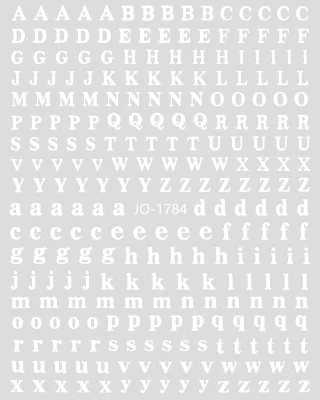
The "Model Number" variations, such as MCL-699 and TZ-JO-1784, highlight the importance of maintaining a consistent product catalog. Any changes to the model number or specifications should be communicated clearly to avoid confusion. Buyers should also monitor market trends and consumer preferences to ensure that their product offerings remain relevant. By focusing on quality, reliability, and adaptability, buyers can secure a competitive advantage in the dynamic nail art accessories market.
Comparative Analysis of Product Attributes
To facilitate informed decision-making, the following table summarizes key attributes observed in the market for self-adhesive nail art tape. This comparison highlights the diversity in specifications and helps buyers identify products that align with their specific needs.
| Attribute | Product Type A (Paper) | Product Type B (Non-Woven) | Product Type C (Striping Tape) |
|---|---|---|---|
| Material | Paper | Non-woven fabric | Custom Striping Tapes |
| Model Number | MCL-699 | FN-BBTS-4 | TZ-JO-1784 |
| Type | 3D | 2D | Multicolor Tapes |
| Package Size | 15x9x1 cm | 6x6x4 cm | 5x5x2 cm |
| Single Weight | 0.01 kg | 0.090 kg | 0.300 kg |
| Adhesiveness | Strong Self-Adhesive | Strong Self-Adhesive | Strong Self-Adhesive |
| Color Options | 9 Colors | Colorful Self-Adhesive | 1-12 Colors |
| Primary Usage | Nail Beauty Products | Nail Salon/Multiple Functions | Manicure Art Self-Adhesive |
This table illustrates the significant variation in product characteristics. While all types share the core attribute of strong self-adhesiveness, the material and package dimensions differ substantially. Buyers should use this data to match product specifications with their target market requirements, ensuring that the selected tape offers the desired balance of functionality, aesthetics, and cost-effectiveness.
FAQs
What materials are used for self-adhesive removable nail art tape?
The tape is typically made from paper or non-woven fabric. Paper offers a matte finish for traditional designs, while non-woven fabric provides higher tensile strength and a unique drape over the nail curve for more durable applications.
How strong is the adhesive on these nail art tapes?
The product features strong self-adhesive properties to ensure it remains in place during gel or acrylic curing. However, the adhesive is designed to be removable without damaging the natural nail or leaving residue upon peeling.
Can I customize the width of the striping tapes?
Yes, custom striping tapes are available to meet specific width requirements. This customization allows brands to offer specialized tools for precise lines and geometric patterns tailored to their specific design needs.
What is the typical delivery time for these nail products?
The standard delivery time is between 7 to 15 days. This lead time applies to orders placed with suppliers located in Guangdong, China, who utilize logistics carriers like DHL, FedEx, and EMS for shipping.
What is the minimum order quantity for purchasing these tapes?
The minimum order quantity is 50 pieces for certain items, though the general observed range extends from 0 to 3000 units. Lower MOQs allow for smaller initial investments, while higher volumes may unlock better pricing.
Which shipping methods are accepted for these nail art products?
Suppliers accept shipping via DHL, FedEx, EMS, UPS, and TNT. These options provide logistical flexibility, allowing buyers to compare costs and delivery speeds to optimize their specific shipping strategy.