Source Self Adhesive Round Wiggle Eyes for crafts, toys, and DIY projects
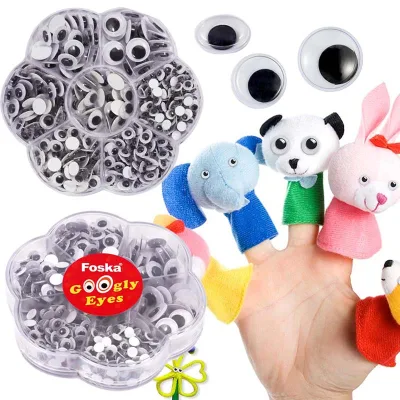
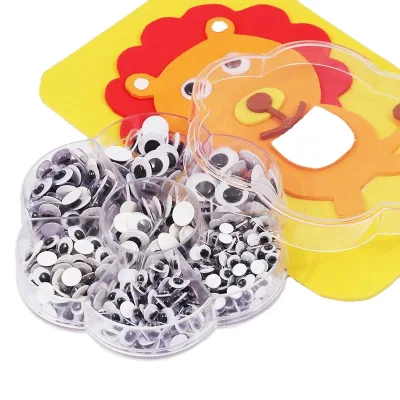
Find 30 listings for Self Adhesive Round Wiggle Eyes with varying sizes and packaging options. Buyers can compare specifications from manufacturers in China to select the right items for doll accessories and craft supplies.
Key considerations
Products List
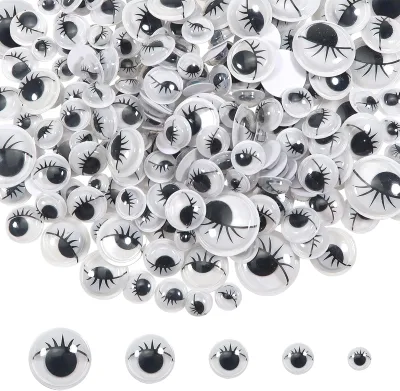
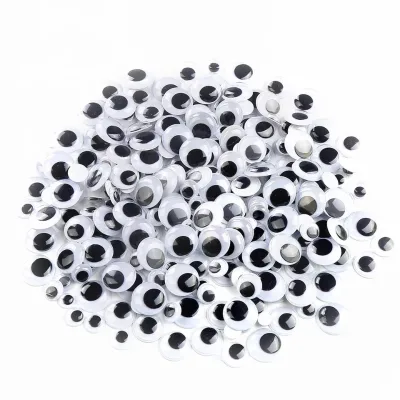
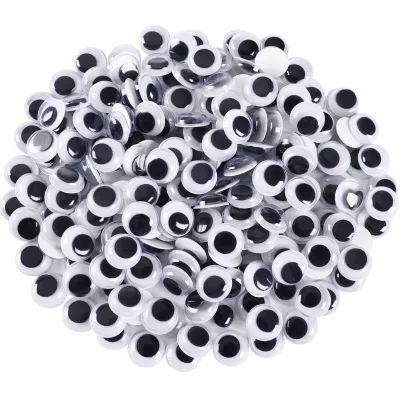
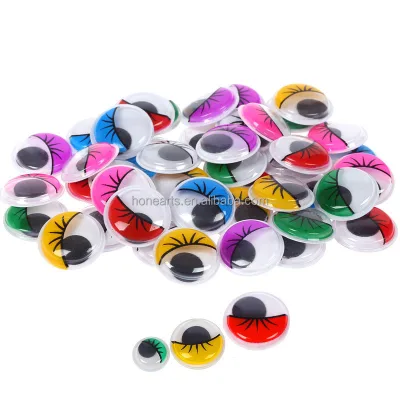
Wiggle Googly Eyes with Self-Adhesive, 6mm 8mm 10 mm 12mm Mixed Packaging
$0.16 - $0.30
MOQ: 5000 bags
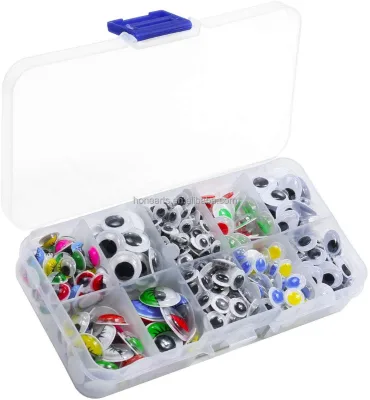
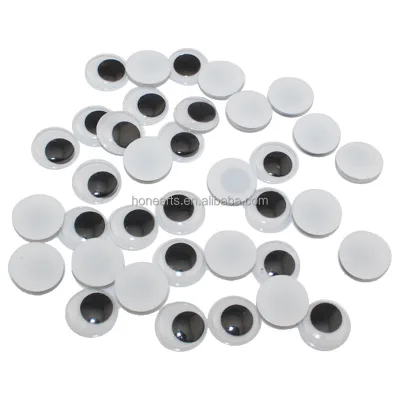


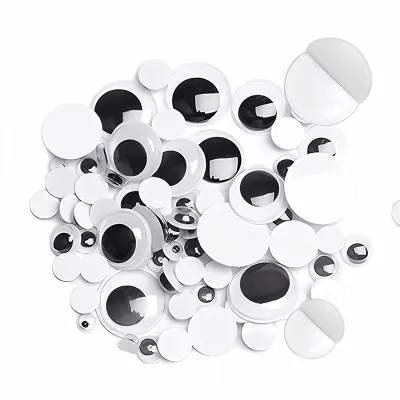
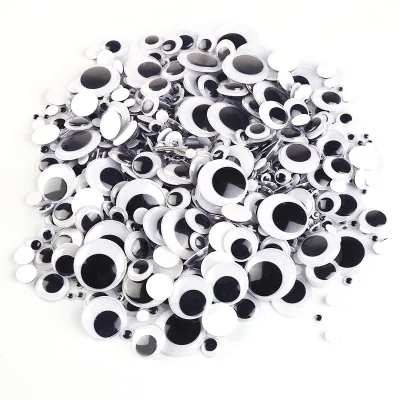
White Wobbly Eyes Oval Googly Eyes Adhesive White Wiggly Eyes for Toys DIY Crafts
$0.03 - $0.05
MOQ: 1000 Pieces







Customized Glasses Goggles Eyeglass Car Wet Wipes Lens Anti Fog Wipes
$0.01 - $0.01
MOQ: 200000 Pieces

Anti Fog Cheap Price Eye Glass Lens Anti-Fog Cleaning Wet Wipes for Glasses
$0.01 - $0.01
MOQ: 200000 Pieces


Comprehensive Sourcing Guide
Strategic Sourcing Guide for Self Adhesive Round Wiggle Eyes
Procuring self-adhesive round wiggle eyes requires a nuanced understanding of the intersection between craft supplies and toy safety standards. These components, often categorized as accessories for fashion dolls or DIY toys, serve as critical visual elements in educational materials, costume design, and children's play. The market presents a fragmented landscape with varying specifications, from precise millimeter diameters to complex packaging configurations. Buyers must navigate this environment by focusing on verified technical attributes, regulatory compliance, and supply chain reliability rather than marketing assertions. This guide outlines the essential factors for sourcing these items effectively, ensuring that procurement decisions are grounded in observable product data and industry best practices.
Technical Specifications and Dimensional Variability
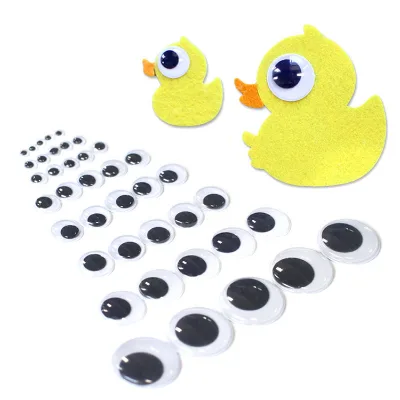
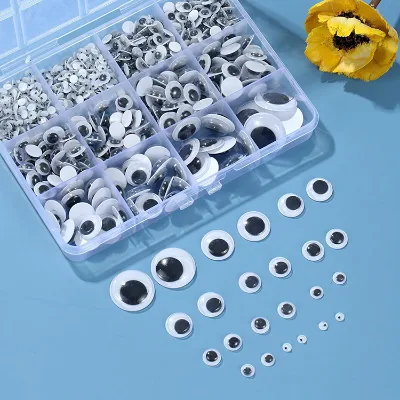
The core functionality of wiggle eyes relies on their physical dimensions and the mechanism of their movement. Based on available product data, the diameter of these components is a primary specification, with observed ranges including 2mm, 3mm, 5mm, 6mm, 8mm, 10mm, 12mm, 15mm, and 20mm. The shape is consistently described as smooth round, which is essential for the aesthetic uniformity required in mass-produced toys or high-end crafts. The material composition is predominantly plastic, with specific references to PE (polyethylene) types in certain listings, though general plastic construction is the standard.
The adhesive backing is a critical functional attribute. The product name often includes "self-adhesive," indicating a pre-applied glue layer that eliminates the need for additional bonding agents. However, the quality of this adhesive varies by manufacturer. Buyers should verify the bond strength relative to the intended substrate, whether it be paper, fabric, or plastic doll surfaces. The single package size for bulk orders can vary significantly, with observed dimensions such as 15x10x5 cm for individual units, while the single volume is sometimes listed as 0 cm³ in generic data, necessitating physical verification for logistics planning.
| Specification Attribute | Observed Range / Value | Procurement Note |
|---|---|---|
| Diameter Sizes | 2mm to 20mm (e.g., 5mm, 10mm, 15mm) | Verify specific size availability per order batch. |
| Shape | Smooth Round | Essential for consistent visual output. |
| Material | Plastic (PE referenced) | Confirm plastic type for chemical compatibility. |
| Color | Black, White | Standard palette; custom colors may require MOQs. |
| Packaging | 30-500 pcs per bag (OPP or Hang Bag) | Check if headers are included for retail readiness. |
| Model Numbers | 001, UC226, UC227, UC228 | Use these codes to track specific production runs. |
Compliance and Certification Verification
Safety is paramount when sourcing products intended for children, particularly those with an age range spanning from 0 to 24 months up to 14 years and older. The presence of small parts like wiggle eyes creates a choking hazard for younger demographics. Consequently, certification checks are not optional but a fundamental requirement for compliance. One of the high-confidence facts in the current market data points to EN71 certification. EN71 is the European standard for the safety of toys, covering mechanical and physical properties, flammability, and chemical migration.
Buyers must explicitly request proof of EN71 compliance for any lot intended for the European market or for products marketed to children under three years old. The data also mentions "Environment-Friendly" as an advantage, but this is a marketing claim rather than a verified standard. Procurement teams should verify if the plastic used meets specific environmental regulations, such as REACH in Europe or CPSIA in the United States, rather than relying on general descriptors. The age range provided in product listings often spans multiple brackets (0-24 months, 2-4 years, etc.), which implies that the same product might be marketed to different risk profiles. This necessitates a rigorous review of the safety data sheet (SDS) and third-party test reports to ensure the product meets the strictest applicable standard for the youngest target demographic.
Cost Drivers and Minimum Order Quantities
The pricing structure for self-adhesive wiggle eyes is influenced heavily by order volume, material costs, and customization requirements. The observed listed price range in the market is between $0.01 and $1.95 USD per unit, though this wide variance often reflects the difference between bulk industrial pricing and small retail quantities. A significant cost driver is the Minimum Order Quantity (MOQ). The data reveals a wide spectrum of MOQs, ranging from as low as 100 bags to as high as 200,000 units.
Specific product listings indicate an MOQ of 3,000 bags per type per size, while others suggest 100 bags. This discrepancy highlights the importance of clarifying the unit of measure. Is the MOQ based on individual eyes, bags of eyes, or specific color/size combinations? For buyers seeking custom branding, such as a customized logo or specific color headers, the MOQ typically increases. The "Customization: Available" attribute suggests that OEM services exist, but these come with volume thresholds. Buyers should calculate the total landed cost, including the base unit price, shipping, and any tariffs, rather than focusing solely on the per-unit sticker price. The "factory direct" and "factory wholesale price" claims in the market data suggest that cutting out intermediaries can reduce costs, but this requires a direct relationship with the manufacturer.
Typical Applications and Market Segmentation
The versatility of self-adhesive round wiggle eyes allows them to serve diverse market segments. The primary application is in the "DIY TOY" and "Fashion Doll" sectors. They are frequently used as accessories for dolls, where the scale is often 1:3, indicating they are sized for specific doll types. The product type is explicitly listed as "accessories," confirming their role as add-ons rather than standalone toys.
Beyond dolls, these items are staples in educational and craft environments. The "Function: Playing DIY, play toy" attribute underscores their use in creative projects where children attach eyes to paper, clay, or fabric to create characters. The "Style: Cute" and "Keywords: eyes with eyelashes" suggest a strong appeal in the craft market, where aesthetic details like eyelashes add character to the finished product. The "Handmade" printing technique for graphics mentioned in the data points to a niche segment where artisanal quality is valued over mass production.
| Application Sector | Key Requirements | Relevant Attributes |
|---|---|---|
| Fashion Dolls | Precise scale, secure adhesion | Scale 1:3, Type: Fashion Doll, Product Type: Accessories |
| Educational Crafts | Safety, ease of use, variety | Age Range: 5-7 Years, Function: DIY, Color: Black/White |
| Costume Design | Durability, aesthetic finish | Style: Cute, Shape: Smooth Round, Material: Plastic |
| Mass Production | Low cost, high volume, consistency | MOQ: 3000 bags, Brand: OEM, Standard: Customized |
Supplier Evaluation and Origin Analysis
When evaluating potential suppliers, the place of origin is a critical data point. The market data indicates production primarily from Hunan, China, and Jiangsu, China. These regions are known for their manufacturing capabilities in plastics and toys. However, the specific location should be verified against the supplier's actual factory address to ensure transparency. The brand names observed include "hnarts" and "RONGFA OR OEM," indicating a mix of branded and white-label products.
Buyers should prioritize suppliers who demonstrate transparency in their model numbers (e.g., UC226, UC227, UC228) and mfg_series_number (e.g., Fantasy). These identifiers help in tracking specific production batches and ensuring consistency across reorders. The "advantage" attributes listed, such as "fast delivery" and "low moq," should be treated as claims requiring verification. A supplier's ability to meet lead times and handle customization requests is often more indicative of reliability than marketing slogans. The "Single gross weight" varies from 0.0 kg to 0.5 kg in the data, which suggests inconsistencies in how packaging weight is reported. This reinforces the need for a physical sample or a detailed packing list before finalizing a contract.
Quality Control and Long-Term Procurement Considerations
Quality control for wiggle eyes involves checking the integrity of the adhesive, the consistency of the eye movement, and the absence of flash or molding defects. The "Smooth Round" shape must be maintained across the entire batch to ensure visual uniformity. Buyers should request samples to test the adhesive strength on their specific substrates. The "Packing" attributes vary from 30 to 500 pieces per OPP bag, and some include color headers. Inconsistent packaging can lead to confusion in inventory management and retail display, so standardizing the packing method is a key quality control step.
For long-term procurement, establishing a clear communication channel regarding specifications is vital. The "Standard: Customized" attribute implies that the product can be tailored, but this requires detailed agreements on dimensions, colors, and packaging. The "Logo: Accept Customized Logo" feature allows for brand differentiation, but the printing technique (noted as "Handmade" in some contexts) may introduce variability. Buyers should define acceptable tolerances for logo placement and color matching. Furthermore, the "Gender: Unisex" and broad "Age Range" suggest that the product is versatile, but procurement strategies should account for the specific safety regulations of the target age group. Regular audits of the supplier's quality control processes and periodic re-testing of materials are recommended to maintain product integrity over time.
In conclusion, sourcing self-adhesive round wiggle eyes requires a methodical approach that balances technical specifications, safety compliance, and supply chain logistics. By focusing on verified data points such as EN71 certification, specific model numbers, and clear MOQ definitions, buyers can mitigate risks and ensure a steady supply of high-quality components for their diverse applications. The market offers a wide range of options, but success lies in rigorous evaluation and clear contractual agreements rather than relying on general market claims.
FAQs
What certifications do Self Adhesive Round Wiggle Eyes have?
These products carry EN71 certification, which is the European safety standard for toys. This ensures compliance with mechanical and chemical safety requirements for children's products.
Which sizes are available for Self Adhesive Round Wiggle Eyes?
Available diameters range from 2mm to 20mm, including specific options like 5mm, 8mm, 10mm, 12mm, and 15mm. Buyers should verify exact size availability with the supplier before ordering.
How much is the minimum order quantity for these items?
Minimum order quantities vary significantly, ranging from 100 bags to 3000 bags per type and size. Some listings specify 3000 bags per size, while others accept lower volumes.
Can I get a customized logo on the packaging?
Yes, customized logos are available for these Self Adhesive Round Wiggle Eyes. This customization option typically requires meeting specific minimum order quantity thresholds set by the manufacturer.
Where are these plastic craft eyes manufactured?
Production originates from regions in China, specifically Hunan and Jiangsu provinces. Buyers should confirm the exact factory location to ensure supply chain transparency and reliability.
What material are the wiggle eyes made from?
The eyes are constructed from plastic, with some listings specifying PE (polyethylene) as the material type. This composition supports durability and safety for DIY toy applications.