Colourless Nano Sealant for Stone Suppliers And Manufacturers
Compare 11 verified suppliers offering Colourless Nano Sealant for Stone with details on location, lead times, and certifications. Review product attributes like bonding function and customization options before contacting factories in China for quotes; review the available evidence before requesting comparable quotations from suitable candidates.
Suppliers List

Shandong Junyuan New Materials Co., Ltd.
- Combined
- China Shandong
- Lead time15 days
- Avg. response≤ 21h
Main productsSilicone Oil
Main marketsEurope


China Silicone Sealant Wholesale Manufacturer High Quality Silicone Sealant for Stone
$0.50 - $1.30
Moq: 1000


Gunuo Tianjin Industrial Co., Ltd.
- Verified by TUVRHEINLAND
- Combined
- China Tianjin
- Lead time15 days
- Avg. response≤ 4h
Main productsPU Foam, Polyurethane Foam, Silicone Sealant, Acetic Sealant, PU Sealant, Marble Adhesive, Stone Epoxy Adhesive, Two- Component Epoxy Adhesive, Spray Paint, Ms Sealant
Main marketsSouth America,Domestic,North America

Foshan Qiaohong New Material Co., Ltd.
- Verified by SGS
- Combined
- China Guangdong
- Lead time15 days
- Avg. response≤ 1h
Main marketsDomestic

Qingdao Topsen Sealant Co., Ltd.
- Verified by BV
- Manufacturer/Factory
- China Shandong
- Lead time15 days
- Avg. response≤ 1h
Main productsSilicone Sealant, Acrylic Sealant, PU Sealant, Ms Sealant, RTV Sealant, PU Foam, Gasket Maker, Fireproof Sealant, High-Temperature Sealant, Facade Sealer
Main marketsSouth America,Eastern Europe,Mid East,Southeast Asia,Eastern Asia,Africa

Shanghai Sunway Curtain Material Co., Ltd.
- Trading Company,Manufacturer/Factory
- China Shanghai
- Lead time23 days
- Avg. response≤ 11h
Main productsSilicone Sealant, Silicone Adhesive, Neutral Silicone Sealant, Structural Silicone Sealant, Weatherproof Silicone Sealant, Construction Adhesive, Fireproof Silicone Sealant, Adhesive, Adhesive Glue, Polyurethane Foam
Main marketsSouth America,Eastern Europe,North America,Southeast Asia,Eastern Asia,Western Europe,Africa

GLORYSTAR HIGH-TECH (GUANGDONG) INDUSTRIACL CO., LTD.
- Verified by TUVRHEINLAND
- Combined
- China Guangdong
- Lead time15 days
- Avg. response≤ 3h
Main productsSilicone Sealant, Acetoxy Silicone Sealant, Ms Polymer Sealant, Construction Neutral Silicoe Sealant, Mirror Silicone Sealant, Lapis-Stone Neutral Silicone, General Purpose Acetic Silicone Sealant, General Purpose Neutral Silicone, Structural Acetic Silicone Sealant, Weatherproof Neutral Silicone
Main marketsSoutheast Asia/ Mideast,Domestic

Neutral Silicone Sealant for Stone Marble Masonry Weatherproof Sealing Applications
$0.70 - $0.80
Moq: 1000

Stone Silicone Sealant for Marble Masonry Joint Weatherproof Construction Sealing
$0.70 - $0.80
Moq: 1000

Changsha Firm Bond New Material Co., Ltd.
- Manufacturer/Factory,Group Corporation
- China Hunan
- Lead time23 days
- Avg. response≤ 11h
Main productsSpray PU Foam, Silicone Sealant, Spray Paint, Neoprene Glue, PVC Glue, Wood Glue, Anaerobic Adhesive, UV Glue, Spray Glue, Adhesive and Sealant
Main marketsSouth America,Eastern Europe,Mid East,Southeast Asia,Western Europe,Africa
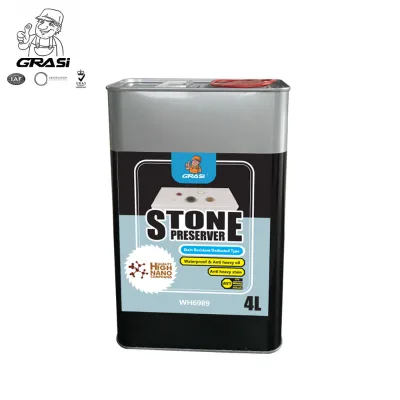
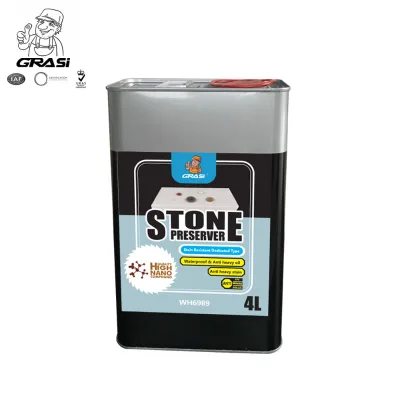
Shanghai GRASi Industry Co., Ltd.
- Verified by Intertek
- Manufacturer, Trading Company
- Lead time7 days
- Avg. response≤ 2h
Main productsGRASi Waterproofing Agent Series Products
Main marketsOceania(25%), North America(21%), South America(16%)

Zhongshan Cashleton Building Materials Co., Ltd
- Verified by CTI
- Combined
- China Guangdong
- Lead time23 days
- Avg. response≤ 3h
Main productsTile Grout, Adhesive, Sealant, Gap Filler, Joint Filler, Epoxy Tile Grout, Epoxy Grout, Ms Adhesive, Marble Adhesive, Polyurea Grout
Main marketsSouth America,Africa,Southeast Asia/ Mideast,Domestic,Europe,Australia,North America

Jiangsu Runtai Sealant Industry Co., Ltd
- Verified by BV
- Combined
- China Jiangsu
- Lead time30 days
- Avg. response≤ 1h
Main productsSilicone Sealant, Glass Sealant, Sealant Manufacturers, Building Sealant
Main marketsSouth America,Southeast Asia/ Mideast,Domestic,Europe,North America

Shanghai Gorcci Sealing Material Co., Limited
- Verified by SGS
- Trading Company
- China Shanghai
- Lead time30 days
- Avg. response≤ 7h
Main productsPU Foam, Silicone Sealant, PU Sealant, Acrylic Sealant, Ms Sealant, Liquid Nail, Wood Glue, Silicone Gasket Maker
Main marketsSouth America,Southeast Asia/ Mideast,Europe




Comprehensive Sourcing Guide
Colourless Nano Sealant for Stone Supplier Concentration and Factory Types
The current search results indicate that suppliers offering silicone sealants and related stone adhesives are concentrated in specific Chinese provinces, with Shandong and Tianjin appearing as verified locations for combined manufacturing and trading entities. These regions host factories that list main products including silicone oil, PU foam, and various sealant types, suggesting a regional cluster for chemical building materials. Buyers should verify if a supplier's physical address matches these known industrial hubs, as the presence of multiple factories in a single province often correlates with established supply chains for raw materials like polydimethylsiloxane. When a supplier claims to be a factory, cross-reference their listed main products against the specific chemical composition required for stone treatment to ensure they are not merely trading companies reselling generic goods.
Factory types in this sector vary from pure manufacturers to combined entities offering both OEM and ODM services. Some suppliers explicitly state capabilities for custom formulas and own-brand production, which is critical for buyers seeking specific nano-sealant formulations rather than standard off-the-shelf products. The data shows that certain facilities operate multiple production lines, with some claiming five distinct factories, indicating significant capacity for large-volume orders. However, not all suppliers in the search results provide clear establishment years or detailed factory counts, so buyers must request direct proof of manufacturing capacity. Relying on the "Combined" company type designation alone is insufficient; verification of whether the entity owns the production line or acts as an intermediary is essential for securing consistent quality in stone sealant applications.
How to Verify Colourless Nano Sealant for Stone Suppliers
Verification of supplier credentials requires a rigorous check of system certifications and third-party audit reports, as the search results display varying levels of validation such as ISO 9001, ISO 14001, and ISO 50001 certificates. Some suppliers in the results list specific accreditations from bodies like SGS and TUV, while others show no system certification data, which necessitates a direct request for valid certificates before proceeding. Buyers should confirm that the listed certifications are current and specifically cover the production of organic material sealants, as generic manufacturing certifications may not guarantee compliance with stone-specific chemical standards. The presence of a "TUVRHEINLAND" verification badge on some profiles adds a layer of trust, but this should be treated as a starting point rather than a final guarantee of product performance.
Response time and verification status are also critical indicators of supplier reliability and operational efficiency. The observed data reveals a wide disparity in response speeds, ranging from under one minute to nearly twenty-one minutes, which can significantly impact the speed of the sourcing process. A supplier with a rapid response time often indicates a dedicated sales team and active inventory management, whereas slower responses may suggest a trading company with limited direct access to production schedules. Buyers must also verify the "is_verified" status provided by the platform, ensuring that the entity has undergone a physical or documentary audit. Do not assume that a high response time correlates with quality; instead, use it as a metric to prioritize communication channels and assess the likelihood of timely order fulfillment.
What to Compare Across Colourless Nano Sealant for Stone Suppliers
When evaluating potential partners, buyers must compare key operational dimensions such as lead time, minimum order quantity (MOQ), and pricing structures to determine the best fit for their project scale. The available data shows lead times ranging from two to three weeks for some suppliers, while others list a standard fifteen-day window, which directly affects project scheduling and inventory planning. MOQs vary significantly, with some suppliers requiring orders as low as one thousand units while others demand ten thousand, a factor that can dictate whether a buyer can proceed with a pilot run or must commit to bulk purchasing. Price ranges also differ, with some listings showing minimums around 0.50 and others starting at 0.80, requiring a detailed cost-benefit analysis that includes shipping and potential customs duties.
Beyond basic metrics, the comparison should extend to product attributes like bonding function, curing time, and customization availability. The search results indicate that some suppliers offer structural adhesive properties with fast-drying features, while others focus on instant adhesive capabilities with specific tack-free times. Buyers should verify if the supplier can provide the exact morphology, such as solvent-based or neutral curing types, required for their specific stone application. Customization options are listed as available by several entities, but the extent of this service, including formula adjustments or packaging modifications, must be clarified. Additionally, the shelf life and storage requirements, which can range from twelve months to several years, should be compared to ensure the product remains viable during transit and storage at the destination.
Common Colourless Nano Sealant for Stone Sourcing Risks
One significant risk in sourcing stone sealants is the discrepancy between claimed product attributes and actual chemical composition, particularly regarding toxicity and environmental compliance. The search results list features such as "No Toxic" and "Free of Impurities," yet without independent laboratory test reports, these claims remain unverified assertions. Buyers must be cautious of suppliers who do not provide detailed composition data, such as the specific ratio of polydimethylsiloxane or the presence of curing agents, as these factors determine the sealant's performance and safety. Relying solely on marketing keywords like "High Quality" or "Weatherproof" without supporting technical data sheets can lead to product failures in critical construction applications.
Another critical risk involves the reliability of delivery timelines and the potential for supply chain disruptions. While some suppliers advertise a delivery time of two to three weeks, this is often an estimate that does not account for raw material shortages or production bottlenecks. The variation in response times observed in the data suggests that communication delays can occur, potentially leading to missed deadlines if not managed proactively. Furthermore, the lack of standardized pricing across suppliers can create budget overruns if hidden costs are not identified early. Buyers should also consider the risk of receiving substandard packaging, as some listings mention carton packing while others specify cartridges, which affects handling and application efficiency on-site.
Colourless Nano Sealant for Stone Regional Sourcing and Logistics
Regional sourcing strategies should focus on the identified manufacturing clusters in Shandong and Tianjin, where a concentration of chemical factories and combined trading companies exists. These regions offer logistical advantages due to established port infrastructure and proximity to major industrial zones, which can reduce transit times and shipping costs for international buyers. However, buyers must verify the specific origin of the product, as some listings indicate production in Guangdong, which may involve different shipping routes and customs procedures. Understanding the geographic distribution of suppliers allows buyers to consolidate orders from a single region to optimize freight rates and simplify customs clearance processes.
Logistics planning must also account for the specific packaging requirements of the sealant products, which vary from standard cartons to specialized cartridges or sausages. The data shows that some suppliers offer volume options like 240ml, 280ml, or 300ml, which impacts the number of units per container and the overall shipping volume. Buyers should calculate the total cubic meterage based on the supplier's packing specifications to ensure efficient container utilization. Additionally, the shelf life of the product, which can range from one year to multiple years, must be factored into the logistics timeline to prevent degradation during transit. Proper planning of storage conditions at the destination is essential to maintain the chemical integrity of the sealant upon arrival.
Colourless Nano Sealant for Stone Commercial Terms and Order Planning
Commercial terms for stone sealant orders should clearly define payment structures, escrow usage, and liability clauses to protect both parties during the transaction. While the search results do not explicitly detail escrow policies, buyers should insist on using secure payment methods that hold funds until the goods are verified against the agreed specifications. The variation in MOQs and pricing suggests that negotiation flexibility exists, particularly for larger orders that meet the higher quantity thresholds. Buyers must clarify whether the quoted prices are inclusive of packaging materials and if any additional fees apply for custom labeling or specialized testing requirements.
Order planning requires a detailed timeline that aligns with the supplier's lead time and the buyer's project schedule. Given the observed lead times of fifteen days to three weeks, buyers should initiate the ordering process well in advance to accommodate potential delays. It is crucial to confirm the production capacity of the supplier, especially if the order volume exceeds their standard output, as some facilities claim multiple factories while others do not provide this information. Establishing a clear communication protocol for order updates and quality inspections will help mitigate risks associated with production delays. Finally, buyers should plan for post-delivery testing to ensure the sealant meets the required performance standards before full-scale application.
FAQs
What is a Colourless Nano Sealant for Stone used for?
It is a clear silicone-based adhesive and sealant applied to bond and seal stone surfaces in construction and decoration projects. Because it dries transparent, it leaves no visible residue on marble, granite, or tile joints. Buyers typically use it for stone cladding, countertops, fish tanks, glazing joints, and general waterproof sealing where appearance matters.
What price range should I expect for stone silicone sealant?
Listed stone silicone sealant products from Chinese suppliers fall roughly between 0.50 and 1.80 USD per cartridge, depending on model, volume, and order size. Larger volumes and standard colors sit at the lower end. Always request a formal quotation with packaging details, since 240ml, 280ml, and 300ml cartridge formats are priced differently.
What is the typical minimum order quantity for stone sealant?
Observed MOQs range from 1,000 units for some Shandong listings to 10,000 units for a Tianjin cartridge product. MOQ depends on the factory, customization level, and packaging type. If you need a smaller trial quantity, ask suppliers whether sample orders or mixed-model shipments are accepted before committing to full production.
How long is the lead time for stone silicone sealant orders?
One listed supplier reports a 15-day lead time, while a Tianjin listing states delivery in two to three weeks. Actual schedules depend on order volume, cartridge or sausage packaging, and whether OEM artwork or custom colors are required. Confirm the exact timeline in writing and include it in the purchase contract.
Which certifications should a stone silicone sealant supplier have?
Look for ISO 9001 for quality management and ISO 14001 for environmental management, both of which appear among listed suppliers. Product-level certificates such as SGS and TUV testing are also referenced in listings, together with ISO 50001. Verify certificate validity independently and ask for test reports covering adhesion, curing, and weatherability.
Can I order custom colors or OEM packaging for stone sealant?
Yes, several listed suppliers offer OEM and ODM capability, and one product explicitly lists black, white, grey, and OEM colorful options with customization available. OEM packaging usually affects MOQ, unit price, and lead time. Provide your artwork, cartridge volume, and label requirements early so suppliers can quote accurately and schedule production.
Which Chinese provinces supply Colourless Nano Sealant for Stone?
Listed suppliers are based in Shandong, Tianjin, and Guangdong. Shandong listings focus on stone silicone sealant and silicone oil, Tianjin suppliers cover a wider range including PU foam and marble adhesive, and Guangdong listings include acetoxy glass sealants. Province choice affects freight cost and proximity to your preferred seaport.
How fast do stone sealant suppliers respond to inquiries?
Response times in the current listings range from under one hour to around 21 hours, so speed varies significantly between suppliers. Fast response usually correlates with a dedicated trade team. Send your specifications, target MOQ, and packaging needs in the first message, and compare replies on price, timeline, and documentation quality.