Source Self Propelled Diesel Lawn Mower for Golf, Soccer, and Common Lawns
Find and compare 30 Self Propelled Diesel Lawn Mower options for golf courses, soccer fields, and common lawns. Evaluate features like 196CC engines, CE certification, and cutting widths to select the right professional mower for your landscaping needs; compare the available evidence and request quotations based on your requirements.
Key considerations
Products List


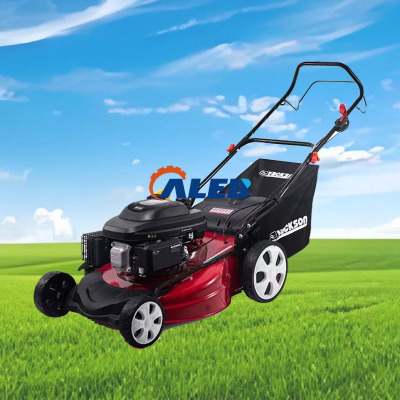


Automatic Lawn Mower Remote Control Lawn Mower Self-Propelled Lawn Mower
$2433.00 - $3700.00
MOQ: 1 Sets


Automatic Lawn Mowers Cordless Self Propelled Lawn Mower Lawn Mower for Garden Use
$2115.00 - $3715.00
MOQ: 1 Sets


$560.00 - $730.00
MOQ: 1 Pieces


Gasoline Powered Self Propelled Lawn Mower for Large Farm Grass Cutting Work
$999.00 - $1200.00
MOQ: 1 Pieces


Robot Gasoline Remote Control Lawn Mower Self Propelled 4 Stroke 22HP
$850.00 - $1050.00
MOQ: 1 Pieces

3 Year Robot Gasoline Lawn Mower Self Propelled 4 Stroke with Warranty
$900.00 - $1100.00
MOQ: 1 Pieces

Comprehensive Sourcing Guide
Self Propelled Diesel Lawn Mower Sourcing Guide
Procuring self-propelled lawn mowers requires careful alignment of mechanical specifications with intended operational environments. While the core keyword suggests diesel power, current market listings predominantly feature petrol or gas-powered units with two-stroke and four-stroke engine configurations. Buyers must verify the actual fuel type, as many suppliers offer versatile models compatible with gasoline-oil mixtures or pure gasoline. Understanding this distinction is critical for fleet maintenance, fuel storage logistics, and operational cost calculations in large-scale landscaping projects.
The self-propelled mechanism significantly enhances operator efficiency by reducing physical exertion during extended mowing sessions. Observed ground speeds range from approximately 3.0 to 4.2 miles per hour, allowing for consistent coverage rates across varied terrains. This feature is particularly valuable for maintaining soccer fields, rugby pitches, and extensive common lawns where uniformity and speed are paramount. Selecting the appropriate drive system ensures that the equipment matches the pace of professional groundskeeping teams without causing fatigue or inconsistency in cut quality.
Product Scope and Observed Listing Signals
Market listings reveal a diverse range of mower types, including professional walk-behind models and specialized units for golf courses or forest lawns. The applicable area for these machines typically spans from 500 to 5,000 square meters, indicating suitability for both medium-sized residential estates and large commercial properties. Buyers should note that some models feature telescopic or folding handles, which facilitate storage and transport, while others prioritize robust construction for heavy-duty agricultural or farmland applications.
Observed price points vary widely, reflecting differences in engine brand, cutting deck width, and additional features like mulching or side discharge capabilities. The minimum order quantity (MOQ) generally starts at one unit, allowing for sample testing, though bulk orders may offer better commercial terms. Key selling points often highlighted include high productivity, excellent quality control through 100% inspection, and customizable support for OEM or ODM requirements. These signals help buyers gauge the supplier’s capacity to handle both small-scale trials and large-volume procurement contracts.
Technical Specifications to Verify
Engine performance is a primary technical consideration, with observed specifications including 196CC displacement and power outputs around 3.4kW. Buyers must confirm whether the engine is a single-cylinder two-stroke or four-stroke unit, as this affects fuel mixture ratios, maintenance intervals, and emission profiles. Some listings specify premium engine brands like Kawasaki or Honda, which may offer superior reliability and parts availability compared to generic alternatives. Verifying the engine type ensures compatibility with existing maintenance protocols and fuel supply chains.
Cutting performance metrics include deck widths ranging from 18 inches to 25 inches, with cutting heights adjustable from 30mm to 115mm across multiple stages. The cutter type is typically a straight metal blade or rotary design, suitable for various grass types and ground conditions. Additional features such as forced air cooling, anti-slip handles, and vertical standing capability enhance usability and safety. Buyers should verify these specifications against their specific terrain requirements to ensure optimal cutting efficiency and operator comfort during prolonged use.
Compliance and Safety Documentation
Regulatory compliance is essential for importing and operating lawn mowers in international markets. Observed certifications include CE, GS, EMC, and EPA, which indicate adherence to European and American safety and emission standards. Buyers must verify that the specific model they intend to purchase holds the relevant certifications for their target market, as non-compliant equipment may face customs delays or legal restrictions. Documentation such as machinery test reports and warranty certificates should be requested to validate these claims.
Safety features and operational guidelines are critical for minimizing workplace accidents and ensuring proper equipment handling. The self-propelled nature of these mowers requires clear instructions on speed control and braking mechanisms. Buyers should review the user manual for details on fuel mixture ratios, particularly for two-stroke engines that require a 25:1 gasoline-to-oil mix. Ensuring that all safety guards, grass boxes, and discharge chutes are properly installed and functional is vital for maintaining a safe working environment and protecting operators from debris ejection.
Cost Drivers and Commercial Terms
Several factors influence the total cost of ownership, including engine brand, cutting deck material, and included accessories. Premium engines and wider cutting decks typically command higher prices but offer greater durability and efficiency. Buyers should also consider the cost of spare parts, such as blades and filters, which vary significantly between generic and branded components. Understanding these cost drivers helps in making informed decisions that balance initial purchase price with long-term operational expenses.
Commercial terms such as MOQ, lead times, and payment conditions play a crucial role in procurement planning. While some suppliers offer low MOQs for sample orders, bulk purchases may require longer lead times for production and shipping. Buyers should negotiate clear terms regarding packaging, typically carton boxes, and logistics arrangements to avoid unexpected costs. Additionally, warranty coverage, often one year for core components like the engine, should be clearly defined to protect against manufacturing defects and ensure timely support.
Supplier Qualification and Quality Control
Evaluating supplier reliability is essential for securing consistent quality and timely delivery. Buyers should verify the supplier’s production capabilities, quality control processes, and after-sales support infrastructure. Observed quality control measures include 100% inspection before shipment, which helps minimize the risk of defective units. Suppliers with established quality management systems are more likely to deliver products that meet specified technical standards and performance expectations.
Geographic origin and manufacturing expertise also impact product reliability. Many suppliers are located in regions like Henan, China, known for their manufacturing capabilities in agricultural and garden machinery. Buyers should assess the supplier’s experience in exporting to their target market and their ability to provide necessary documentation and support. Building a relationship with a qualified supplier ensures better communication, faster resolution of issues, and access to updated product models and technologies.
Long-Term Procurement Checks
Establishing a robust procurement strategy involves regular performance reviews and supplier audits. Buyers should monitor the mowers’ performance in the field, tracking metrics such as fuel efficiency, cutting quality, and maintenance frequency. Feedback from operators can provide valuable insights into usability and potential design improvements. Regularly reviewing these performance indicators helps in making data-driven decisions about future purchases and supplier relationships.
Continuous engagement with suppliers for product updates and technological advancements is crucial for staying competitive. Suppliers may introduce new models with improved engines, enhanced safety features, or better ergonomic designs. Buyers should maintain open communication channels to stay informed about these developments and negotiate favorable terms for repeat orders. By prioritizing long-term partnerships and continuous improvement, buyers can ensure their landscaping operations remain efficient, safe, and cost-effective.
FAQs
What power sources are available for self propelled lawn mowers?
Self propelled lawn mowers are available with petrol or gas engines. These models typically feature 4-stroke or 2-stroke engines. Some professional units use Kawasaki or Honda engines. The power output can reach 3.4kw. Fuel mixture ratios vary, with some requiring 25:1 gasoline and two-cycle oil. These options suit various mowing requirements and applicable areas.
Which certifications do these lawn mowers hold?
These lawn mowers hold CE, GS, EMC, and EPA certifications. The CE certification ensures compliance with European safety standards. GS certification indicates additional safety testing. EMC certification addresses electromagnetic compatibility. EPA certification relates to emission standards. These certifications verify product quality and safety for international markets. Buyers can rely on these documented standards for compliance.
Can the handle be customized or adjusted?
Yes, customization is available for these lawn mowers. The handle features a telescopic design for height adjustment. Some models include a folding handle for storage. The handle diameter is typically 22mm. OEM and ODM support allows for specific branding. Anti-slip features enhance user comfort. These adjustments ensure ergonomic operation for different user heights and preferences.
What is the cutting width and height range?
Cutting widths range from 18 inches to 25 inches. The 25-inch model measures 534mm. Cutting heights are adjustable from 1 inch to 4.5 inches. Some models offer 7-stage adjustment from 30mm to 85mm. The cutter kind includes straight metal blades. This range accommodates various grass types and terrain requirements for professional and common lawn maintenance.
How fast does the self-propelled mower move?
The self-propelled mower moves at speeds around 3.0 to 4.2 mph. This speed corresponds to 3.300 engine RPM. Another model specification lists a ground speed of 3.6 km/h. These speeds allow for controlled mowing on soccer fields, rugby fields, and golf courses. The self-propelled feature reduces user fatigue during large area coverage.
What is the warranty and quality control process?
The warranty period is typically 1 year. Quality control involves 100% inspection before shipment. Machinery test reports are provided for verification. The product quality is rated as excellent. Core components include the engine. This rigorous process ensures reliability and performance for professional mowing tasks in various environments like farmland and forests.