Source Self-Propelled Diesel Corn Chopper Machine for Farms
Find 30 self-propelled diesel corn chopper machine options with varying power sources, capacities, and blade configurations. Compare specifications from manufacturers in Shandong Province to select equipment for forage processing, livestock feeding, and crop management.
Key considerations
Products List






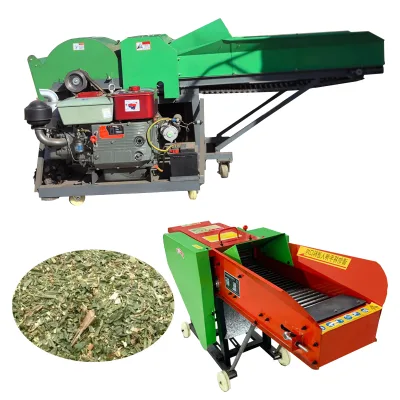
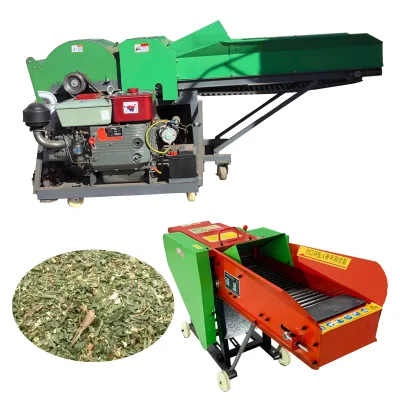


Comprehensive Sourcing Guide
Strategic Sourcing Guide for Self-Propelled Diesel Corn Chopper Machines
Understanding the Technical Landscape of Modern Forage Equipment
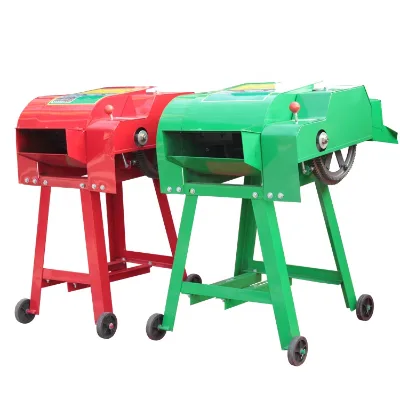
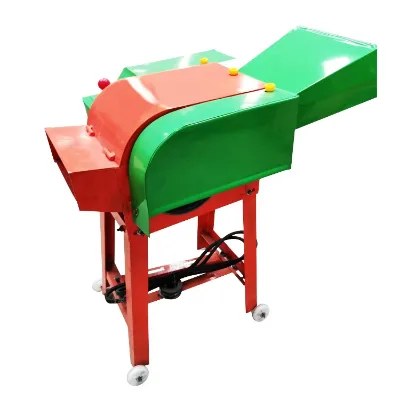
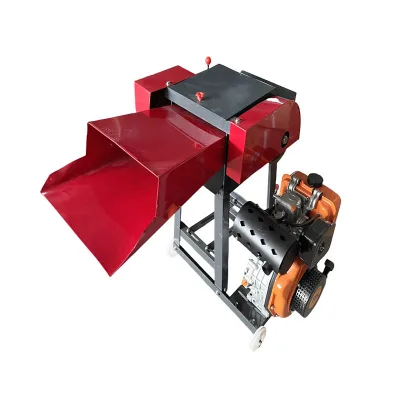
When sourcing a self-propelled diesel corn chopper machine, buyers must first distinguish between the various operational configurations available in the current market. The core keyword implies a specific type of agricultural machinery designed for high-volume forage processing, yet the actual product data reveals a diverse range of capabilities that span from stationary units to mobile, wheel-mounted systems. A critical observation in the current supply landscape is the variation in power sources. While the target keyword specifies "diesel," the available inventory includes units powered by gasoline engines, electric motors, and diesel engines interchangeably. For instance, specific models in the catalog are equipped with 8-10HP diesel engines, while others utilize 5.5kw electric motors or 3kw electric motors with gasoline and diesel options. This variability requires buyers to explicitly verify the power source specification against their operational needs, as a machine marketed as a "diesel chopper" might be listed with a 2.2kw electric motor option depending on the specific model configuration, such as the DH9Z-2.5A or WY-9ZT-0.4A series.
The mechanical architecture of these machines is equally diverse. The observed product attributes indicate that some units feature 4 to 6 blades, while others are equipped with 5 blades. The blade type is another critical technical differentiator; some units utilize straight teeth blades, which are standard for general crushing and mixing tasks. The processing technics for these machines often follow a "Crushing-before-Mixing" approach, ensuring that the corn stalks are reduced to the desired particle size before being integrated into the final feed mixture. The final product size is a crucial specification for forage quality, with observed ranges indicating a target output of 10-35mm. Buyers must ensure that the specific model they select can consistently achieve this particle size distribution, as this directly impacts the digestibility and nutritional value of the feed for livestock. Furthermore, the capacity of these machines varies significantly, with observed data suggesting a range of 2000-4500kg/H for larger industrial units, whereas smaller, more portable models may have lower throughput rates.
Compliance Verification and Certification Standards
In the B2B procurement of agricultural machinery, compliance and certification are paramount for ensuring safety, durability, and market acceptance. The provided product data highlights specific certification claims, such as ISO9001:Condition:New, which suggests that the manufacturing process adheres to international quality management standards. However, buyers must exercise caution and verify these claims directly with the supplier, as the presence of a certification label does not automatically guarantee that every unit in a batch meets the standard. The data also references CE certification as a background fact, but this is listed with low confidence. Consequently, procurement teams should not assume CE compliance is universal across all listed models. Instead, the buyer must request valid, up-to-date certification documents for the specific model number being purchased, such as the SZJ-100 or WY-93QS-2.
Beyond formal certifications, buyers should scrutinize the product standards listed in the technical specifications. These standards often appear as dimensional codes or structural requirements, such as the 1200-600-1400 or 175014202380mm specifications. These figures likely represent the machine's physical footprint or operational dimensions, which are essential for determining if the equipment fits within the buyer's existing infrastructure or transport constraints. Additionally, the condition of the machine is explicitly stated as "New" in the data, but this is an attribute that must be confirmed upon delivery. Buyers should include clauses in their purchase agreements that mandate the machine be delivered in brand-new condition, free from prior use or refurbishment, to ensure the full 5-year warranty period is applicable. The warranty itself is a significant value driver, with a 5-year warranty period observed in the product attributes, indicating a high level of confidence from the manufacturer in the machine's longevity.
Cost Drivers and Pricing Dynamics in Forage Machinery
The pricing structure for self-propelled diesel corn chopper machines is influenced by a complex array of factors, including power source, capacity, and customization options. The observed price range in the market is exceptionally wide, spanning from 75 USD to 65,700 USD. This vast disparity indicates that the market offers everything from small, manual or semi-automatic units to large, fully automatic industrial systems. The lower end of the price spectrum likely corresponds to smaller, lighter units, such as those weighing 43kg or 46kg, which may be powered by electric motors or small diesel engines and feature simpler packaging like cartons. In contrast, the higher price points are associated with heavy-duty, full-automatic machines that boast higher power outputs, such as the 5.5kw models, and larger capacities reaching 4500kg/H.
Minimum Order Quantity (MOQ) is another critical cost driver that affects the total procurement budget. The observed MOQ range is 1 to 500 units, suggesting that buyers can source single units for pilot testing or small-scale operations, while larger agricultural cooperatives or distributors can leverage bulk purchasing to negotiate better terms. The customization availability is a significant factor in cost variation. Since customization is listed as an available attribute, buyers should anticipate that specific modifications, such as altering the voltage to 380V 50Hz or customizing the motor speed to 2800r/M, may incur additional costs. The motor type, specifically copper windings, is another attribute that can influence price, as copper is a premium material compared to aluminum alternatives. Additionally, the packaging method, whether it is a wooden case, export standard wooden case, or strong carton, impacts the final landed cost, especially when considering international shipping logistics.
Typical Applications and Operational Versatility
The application scope of these machines is primarily focused on livestock feed preparation, with a specific mention of "Cow" as a target application. This indicates that the machines are designed to process corn and other forage crops into a form suitable for ruminant digestion. The "Crushing-before-Mixing" processing technic is particularly relevant for this application, as it ensures that the corn is broken down sufficiently to maximize nutrient absorption. The machines are categorized under "Forage Equipment," confirming their specialized role in the agricultural supply chain. The feeding type is listed as "Automatic," which suggests that these units are designed to minimize labor input and increase throughput efficiency, making them suitable for large-scale dairy farms or feedlots.
The versatility of these machines is further enhanced by their power source options. While the core keyword is "diesel," the availability of electric motor options (2.2kw, 3kw, 5.5kw) and gasoline engines allows buyers to select a unit that matches their local energy infrastructure. For example, a farm with reliable grid access might opt for an electric motor model to reduce fuel costs and maintenance, while a remote operation might prefer a diesel or gasoline engine for autonomy. The presence of movable wheels, ranging from 4 to 5PCS, adds to the operational flexibility, allowing the machine to be easily repositioned within a farm or feedlot. The weight of the machines, ranging from 43kg to 400kg, also dictates their mobility; lighter units can be moved by a single operator, while heavier units may require a tractor or forklift for transport.
Supplier Evaluation and Origin Verification
When evaluating potential suppliers for self-propelled diesel corn chopper machines, the geographic origin of the product is a key indicator of manufacturing capability and supply chain reliability. The observed product origin is consistently listed as Shandong Province, Yantai City, Laizhou City, China. This region is known for its robust manufacturing base in agricultural machinery, suggesting a concentration of expertise and supply chain efficiency. Buyers should verify that the supplier is indeed based in or authorized by a manufacturer in this specific region to ensure authenticity. The "New" condition of the products and the "Export Standard Wooden Case" packaging further indicate that these suppliers are experienced in international trade and understand the requirements for long-distance shipping.
Supplier evaluation should also focus on the consistency of the product attributes listed. For instance, a supplier offering a machine with a 5-year warranty should be able to provide clear documentation on the warranty terms and the process for claiming service. The availability of customization is another positive indicator of a supplier's flexibility and technical capability. Buyers should inquire about the lead time for customized orders, as this can vary significantly from standard stock items. The presence of specific model numbers, such as SZJ-100, DH9Z-2.5A, and WY-9ZT-0.4B, suggests that the supplier has a well-defined product line, which is a sign of a mature and organized business. Buyers should request detailed technical datasheets for each model to verify the accuracy of the specifications, such as the motor voltage, blade count, and capacity, before committing to a purchase.
Quality Control and Long-Term Procurement Considerations
Ensuring the quality of the procured machinery is essential for minimizing downtime and maximizing return on investment. The observed product attributes, such as the use of copper motors, straight teeth blades, and iron conveyor belts, suggest a focus on durability and performance. However, buyers must implement a rigorous quality control process upon delivery. This includes verifying the physical condition of the machine, checking the integrity of the packaging (whether wooden case or carton), and confirming that all components, such as the 4-6 blades and 4-5 movable wheels, are present and undamaged. The standard dimensions, such as 60.543.534cm or 175014202380mm, should be measured to ensure the machine matches the ordered specifications.
Long-term procurement considerations involve planning for maintenance and spare parts availability. The 5-year warranty is a strong indicator of the manufacturer's confidence, but buyers should also inquire about the availability of replacement blades, motors, and other wear parts. The "Customization" attribute implies that the supplier may be able to provide tailored support, but this should be formalized in the purchase agreement. Additionally, the voltage specifications, such as 380V 50Hz or 220V 50Hz, must be compatible with the buyer's local power grid to avoid the need for expensive transformers or electrical modifications. The capacity of the machine, ranging from 2000 to 4500kg/H, should be matched to the farm's daily feed requirements to ensure optimal efficiency. By carefully evaluating these factors, buyers can secure a reliable supply of high-quality forage equipment that meets their operational needs for years to come.
Comparative Analysis of Key Machine Specifications
To facilitate informed decision-making, the following table summarizes the key technical specifications observed across different models in the market. This comparison highlights the diversity in power, weight, and capacity, allowing buyers to select the unit that best fits their specific operational requirements.
| Model Identifier | Power Source | Power Rating | Machine Weight | Blade Count | Capacity (kg/H) | Packaging Type |
|---|---|---|---|---|---|---|
| SZJ-100 | Gasoline / Diesel | 5.5kw | 400kg | 4-6PCS | 2000-4500 | Wooden Case |
| DH9Z-2.5A | Electric / Diesel | 2.2kw | 43kg | 4PCS | N/A | Carton/Wooden |
| WY-9ZT-0.4A | Electric / Diesel | 3kw | 46kg | 5PCS | N/A | Carton or Wooden |
| WY-93QS-2 | Diesel / Electric | N/A | 70kg | 5PCS | N/A | Carton/Wooden |
Note: Capacity data is explicitly observed for the SZJ-100 model; other models in the list do not have explicit capacity figures in the provided data and should be verified with the supplier. Power ratings and weights are based on the specific attributes listed for each model.
This table underscores the importance of matching the machine's specifications to the buyer's specific needs. For instance, a small-scale operation might prefer the lightweight 43kg DH9Z-2.5A model, while a large commercial farm would likely require the high-capacity 400kg SZJ-100 unit. By understanding these distinctions, buyers can navigate the complex market of self-propelled diesel corn chopper machines with confidence and precision.
FAQs
What power sources are available for these machines?
These machines offer flexible power options including gasoline engines, diesel engines, and electric motors. Specific models may feature 8-10HP diesel engines or 2.2kw to 5.5kw electric motors depending on the configuration.
What is the typical capacity range for this equipment?
Industrial units typically process between 2000 and 4500 kilograms per hour. Smaller portable models may have lower throughput rates suitable for smaller scale operations or specific farm requirements.
Can I customize the voltage and motor specifications?
Yes, customization is available for voltage and motor speed to match local infrastructure. Buyers can request specific configurations such as 380V 50Hz or copper motors with speeds around 2800r/M.
What is the warranty period for these forage machines?
The standard warranty period observed for these units is five years. This coverage applies to new condition machines delivered in brand-new state without prior use or refurbishment.
Which blade configurations are standard for this equipment?
Blade counts typically range from four to six pieces per machine. Some models feature straight teeth blades designed for crushing-before-mixing processing to achieve final product sizes of 10-35mm.
What packaging methods are used for shipping these units?
Packaging options include strong cartons or export standard wooden cases depending on the model size. Larger industrial units often use wooden case packing while smaller units may ship in cartons.