Source Self Propelled Garden Lawn Mower for Golf Courses, Soccer Fields, and Common Lawns
Explore 30 listings for the Self Propelled Garden Lawn Mower, featuring petrol power, rotary cutters, and varying chassis types. Buyers can compare specifications like engine power, mowing area, and mobility features across models from Henan, China.
Key considerations
Products List
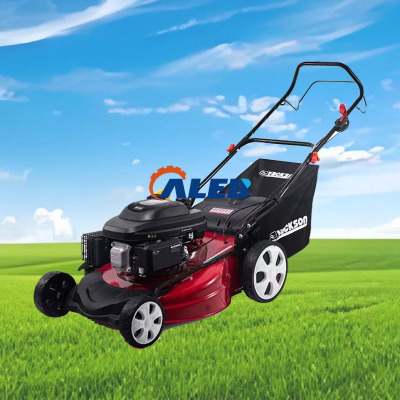


Robot Gasoline Lawn Mower Self Propelled 6.5 HP for Garden Maintenance
$800.00 - $1000.00
MOQ: 1 Pieces


Automatic Lawn Mower Remote Control Lawn Mower Self-Propelled Lawn Mower
$2433.00 - $3700.00
MOQ: 1 Sets


Comprehensive Sourcing Guide
Strategic Sourcing Guide for Self-Propelled Garden Lawn Mowers
Understanding the Technical Landscape of Self-Propelled Mowers
When sourcing self-propelled garden lawn mowers, buyers must first navigate a complex array of technical specifications that define machine capability and suitability for specific terrains. The core mechanical architecture of these machines varies significantly based on the intended application, ranging from compact residential units to heavy-duty commercial equipment. A primary observation in the current market is the diversity in power sources. While some units operate on petrol or gas engines, others may utilize electric or cordless systems, necessitating a clear definition of the power requirement before engaging with suppliers. The engine is a critical component, with some specifications citing specific brands such as Kawasaki or Honda, which often correlates with reliability and serviceability.
The propulsion mechanism is the defining feature of this category. The "Self-Propelled" attribute indicates that the machine drives itself, reducing operator fatigue, particularly on slopes or large areas. However, the specific implementation of this feature varies. Some models utilize a "Drag Type" moving mechanism, while others are designed as "Tractor-Mounted" units or feature distinct chassis types like aluminum or steel. The chassis material is a crucial durability indicator; aluminum chassis offers corrosion resistance and lighter weight, whereas steel chassis provides robustness for rougher terrain. Buyers should also examine the cutter type, which can range from rotary lawn mowers with straight metal blades to specialized configurations for different grass types.
Performance metrics are equally vital for procurement decisions. Displacement, measured in cubic centimeters (cc), directly influences torque and cutting power. Market data indicates units ranging from 224cc to 608cc, suggesting a wide spectrum of power outputs. Similarly, the power rating, often expressed in horsepower (HP) or kilowatts (kW), dictates the machine's ability to handle dense vegetation. For instance, a 9HP unit may suffice for common lawns, while a 22HP unit is better suited for larger, more demanding areas. The maximum gradient capability is another critical specification; observed ranges in the market extend up to 70 degrees, though typical operational limits are often lower. Understanding the specific gradient requirements of the target terrain is essential to prevent equipment failure or safety incidents.
Compliance, Certification, and Regulatory Standards
Navigating the regulatory landscape is a non-negotiable aspect of B2B procurement for lawn care equipment. Different regions enforce strict standards regarding emissions, noise, and electrical safety. When evaluating potential suppliers, buyers must verify that the machinery holds valid certifications relevant to the destination market. The supply chain data indicates the presence of several key certifications, including CE, EMC, EPA, and GS. These marks are not merely decorative; they represent adherence to specific safety and environmental directives.
The CE marking signifies conformity with health, safety, and environmental protection standards for products sold within the European Economic Area. EMC (Electromagnetic Compatibility) ensures that the machine does not generate excessive electromagnetic interference and is immune to interference from other devices, a critical factor for electric or electronic components. The EPA certification is specifically relevant for the United States market, indicating compliance with Environmental Protection Agency regulations regarding exhaust emissions. The GS mark, often associated with German safety standards, provides an additional layer of assurance regarding product safety and reliability.
Buyers must also scrutinize the machinery test reports provided by suppliers. A provided test report is a strong indicator of a supplier's commitment to quality assurance, but it must be reviewed for validity and relevance. The report should confirm that the specific model meets the claimed specifications and safety standards. Furthermore, the production standards referenced in the supply data, such as those associated with specific weight limits or model numbers, should be cross-referenced with international standards like ISO. It is imperative to note that while some models may carry a "GS" certification, others might only have partial compliance. Therefore, buyers should not assume that all listed products satisfy every certification requirement. Instead, they must request specific documentation for the exact model number being procured to ensure full regulatory compliance in the target market.
Cost Drivers and Pricing Structure Analysis
The pricing of self-propelled lawn mowers is influenced by a multitude of factors, including engine brand, chassis material, cutting width, and the level of customization offered. The observed price range in the market spans from approximately $74 to $3,850, reflecting the vast difference between entry-level residential units and high-end commercial machinery. This wide disparity underscores the importance of defining the budget against the required performance specifications.
Several key cost drivers emerge from the technical specifications. The engine is a primary determinant of cost; units equipped with premium brands like Kawasaki or Honda typically command a higher price point due to their reputation for durability and efficiency. Similarly, the cutting deck width is a significant factor; a 25-inch cutting deck is standard for many models, but wider decks for commercial applications will increase the unit price. The chassis material also plays a role, with aluminum chassis often costing more than steel alternatives due to material costs and manufacturing processes.
Customization is another variable that impacts the final cost. The availability of customization options allows buyers to tailor the machine to specific needs, such as specialized attachments or modified handles. However, these custom features often incur additional charges. The packaging method, whether a wooden case or a standard carton, can also affect shipping costs and the overall landed price. Wooden cases offer superior protection for heavy machinery but add to the weight and volume, potentially increasing freight expenses.
The Minimum Order Quantity (MOQ) is a critical financial consideration. The observed MOQ range spans from 1 to 500 units. Buyers purchasing a single unit for testing or small-scale operations will face different pricing dynamics compared to those placing bulk orders. Bulk purchasing often allows for negotiation on unit prices, but it requires a significant upfront capital outlay. Additionally, the warranty period, typically observed as one year, should be factored into the total cost of ownership. A longer warranty or extended service agreements may come at a premium but can reduce long-term maintenance risks.
Typical Applications and Operational Requirements
Selecting the right self-propelled mower requires a deep understanding of the intended application environment. The market data reveals a diverse range of usage scenarios, from golf courses and soccer fields to common lawns and forest areas. Each environment presents unique challenges that the machine must be equipped to handle. For instance, golf courses and soccer fields require high precision and a smooth finish, often necessitating mowers with adjustable cutting heights and specialized blade configurations. The cutting height range of 1 inch to 4.5 inches (25.4-115mm) is suitable for these high-maintenance turf areas.
In contrast, forest lawns and rugged terrains demand machines with higher power and robust chassis. The maximum gradient capability is a critical specification here; while some units are rated for gradients up to 70 degrees, the practical application depends on the specific terrain conditions. A machine with a 60-degree max gradient might be insufficient for steep forest slopes, whereas a unit rated for 70 degrees would offer greater safety and performance. The moving way, whether drag type or tractor-mounted, also influences suitability. Drag-type mowers are often used for specific ground types, while tractor-mounted units are designed for larger, open areas.
The applicable area is another key factor in determining the right machine. Some models are designed for areas between 500 and 1,000 square meters, while others can handle up to 5,000 square meters. This distinction is crucial for matching the machine's capacity to the job size. A machine with a 9HP engine and 224cc displacement might be ideal for smaller residential or commercial lawns, whereas a 22HP unit with 608cc displacement is better suited for large-scale agricultural or municipal applications. The fuel tank capacity, ranging from 1.5 liters to 7 liters, also impacts operational efficiency. Larger tanks reduce the frequency of refueling, which is essential for large areas where downtime must be minimized.
Supplier Evaluation and Quality Assurance Protocols
Evaluating suppliers for self-propelled lawn mowers requires a rigorous approach that goes beyond price comparison. The origin of the product, often listed as Henan, China, provides context for the manufacturing ecosystem, but it does not guarantee quality. Buyers must verify the supplier's production capabilities, quality control processes, and after-sales support. The presence of a machinery test report is a positive indicator, but it should be accompanied by a detailed quality assurance plan.
One of the most critical aspects of supplier evaluation is the verification of core components. The engine is the heart of the machine, and its origin and brand are significant indicators of reliability. Suppliers should be able to provide documentation confirming the engine specifications and brand authenticity. Additionally, the customization capabilities of the supplier should be assessed. The ability to offer customizations, such as specific handle heights or chassis modifications, demonstrates a supplier's flexibility and commitment to meeting client needs.
Quality control should be a continuous process throughout the procurement cycle. Buyers should request evidence of the supplier's adherence to production standards. The observed standard of 156kg or 380kg for specific models suggests that weight is a controlled parameter, but buyers must ensure that these standards are consistently met across all units in an order. The packing method, whether wooden case or carton, is also a reflection of the supplier's attention to detail. Proper packaging ensures that the machine arrives in perfect condition, minimizing the risk of damage during transit.
Furthermore, the warranty terms are a crucial element of the supplier evaluation. A one-year warranty is standard, but buyers should clarify what is covered and what the process for claims entails. A supplier that stands behind their product with a clear and accessible warranty process is more likely to provide a reliable long-term partnership. Finally, the supplier's responsiveness and communication style should be evaluated. A supplier that is transparent about their capabilities, limitations, and lead times is better equipped to handle the complexities of B2B procurement.
Long-Term Procurement and Maintenance Considerations
Sourcing self-propelled lawn mowers is not just a one-time transaction; it is the beginning of a long-term relationship that involves maintenance, parts availability, and potential upgrades. Buyers must consider the total cost of ownership, which includes not only the purchase price but also ongoing maintenance costs, fuel consumption, and the availability of spare parts. The engine brand, such as Kawasaki or Honda, is a significant factor here, as these brands typically have a widespread network of service centers and a steady supply of genuine parts.
The customization options available at the time of purchase can also impact long-term maintenance. A machine that is customized to specific needs may require specialized parts or tools for maintenance, which could affect the ease of service. Buyers should ensure that the supplier can provide the necessary documentation and training for maintenance procedures. The warranty period, typically one year, should be viewed as a baseline, and buyers should consider extending coverage or purchasing maintenance contracts if available.
The durability of the machine is another long-term consideration. The chassis material, whether aluminum or steel, will affect the machine's lifespan and resistance to corrosion. Aluminum chassis may require less maintenance in terms of rust prevention, while steel chassis may need regular painting or treatment to prevent corrosion. The cutting deck width and blade type also influence maintenance needs. Straight metal blades are common, but their sharpening and replacement frequency should be factored into the operational budget.
Finally, the scalability of the procurement strategy is important. As the buyer's needs grow, they may require additional units or different models. A supplier that offers a range of models, from 500-square-meter units to 5,000-square-meter solutions, can support this growth. The ability to source different models from the same supplier simplifies logistics and maintenance, as parts and service procedures may be standardized across the fleet. By focusing on these long-term factors, buyers can ensure that their investment in self-propelled lawn mowers delivers sustained value and operational efficiency.
Comparative Analysis of Key Specifications
To facilitate informed decision-making, the following table summarizes the key specifications observed in the market for self-propelled lawn mowers. This comparison highlights the diversity in power, capacity, and features available to buyers.
| Specification | Model A (Residential/Small Commercial) | Model B (Heavy Duty/Commercial) | Model C (Specialized/Robotic) |
|---|---|---|---|
| Type | Riding Mowers | Professional Mowers | Robotic Mowers |
| Power Source | Petrol / Gas | Petrol / Gas | Cordless / Electric |
| Power Output | 9 HP | 22 HP | 3.4 kW |
| Displacement | 224 cc | 608 cc | N/A |
| Cutting Width | 25 in / 534 mm | Varies by Model | Varies by Model |
| Max Gradient | 60° | 70° | N/A |
| Chassis Material | Aluminum | Steel | N/A |
| Tank Capacity | 1.5 L | 7 L | N/A |
| Certifications | CE, EMC, EPA, GS | GS | N/A |
| Applicable Area | 500-1000 m² | 1000-5000 m² | N/A |
| Moving Way | Drag Type | Tractor-Mounted | N/A |
| Weight | 28 kg | 156 kg / 380 kg | N/A |
| Warranty | 1 Year | 1 Year | 1 Year |
This table illustrates the significant variations in specifications that buyers must navigate. Model A represents a lighter, more maneuverable option suitable for smaller areas, while Model B offers the power and durability required for large-scale commercial applications. Model C, while listed in the data, represents a different category (Robotic) and may not fit the traditional "self-propelled" definition depending on the buyer's specific needs. Buyers should use this comparison as a starting point to identify the specific attributes that align with their operational requirements.
FAQs
What certifications do these mowers have?
These mowers carry CE, EMC, EPA, and GS certifications. Buyers must verify that the specific model holds valid documentation for the target market, as not every listed product satisfies every certification requirement.
Can I customize the mower specifications?
Customization is available for these units. Buyers should request specific documentation for the exact model number being procured to ensure full regulatory compliance and confirm the scope of available modifications.
How much does a self propelled mower cost?
The observed price range spans from 74 to 3850 USD. This wide disparity reflects the difference between entry-level residential units and high-end commercial machinery based on engine brand and cutting width.
What is the minimum order quantity for these units?
The minimum order quantity ranges from 1 to 500 units. Bulk purchasing often allows for negotiation on unit prices, but it requires a significant upfront capital outlay compared to single-unit testing.
Which engine brands are used in these mowers?
Some units utilize engines from brands like Kawasaki or Honda. Premium brands typically command a higher price point due to their reputation for durability and efficiency in the global market.
Where are these mowers manufactured?
The place of origin is Henan, China. Buyers must verify the supplier's production capabilities and quality control processes, as the origin provides context but does not guarantee quality without further validation.