Find Self-Propelled Maize Silage Chopper for Wheat Corn Cotton
Source 30 Self-Propelled Maize Silage Chopper units with diesel or tractor power sources. Buyers can compare specifications like cut width, efficiency, and structural quality for harvesting straw, wheat, corn, and cotton in agriculture and livestock fields.
Key considerations
Products List

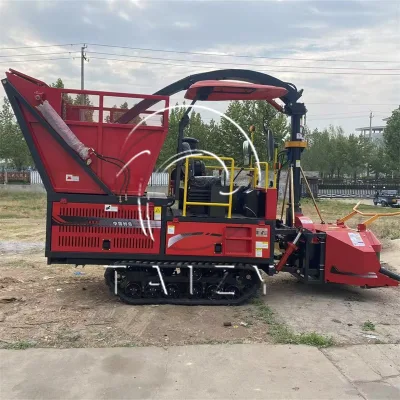
Self-Propelled Maize Harvester Stalk Silage Chopper Machine Silage Baler Machine
$12000.00 - $14000.00
MOQ: 1 Pieces

$12000.00 - $14000.00
MOQ: 1 Pieces


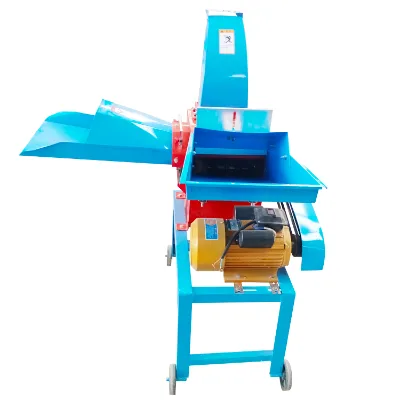
2026 Agricultural Movable Chopper Machinery for Leaf and Grass Animal Feed
$1216.00 - $1280.00
MOQ: 1 Pieces


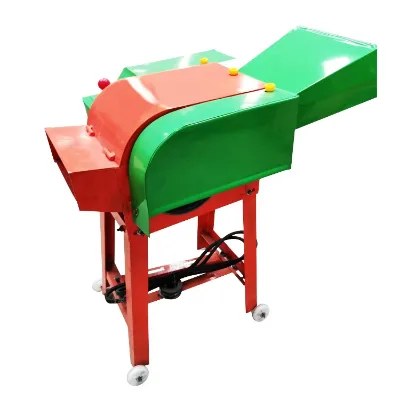
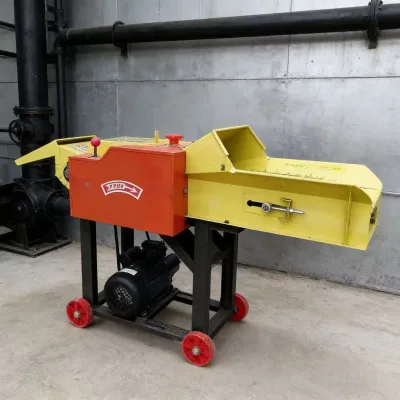
Agricultural Machinery Small Grass Cutting Silage Chopper Machine Chaff Cutter
$1418.00 - $1875.00
MOQ: 1 set





Comprehensive Sourcing Guide
Strategic Sourcing Guide for Self-Propelled Maize Silage Choppers
The global demand for efficient forage harvesting equipment has elevated the self-propelled maize silage chopper to a critical asset in modern agricultural operations. Buyers seeking these machines must navigate a complex landscape of technical specifications, compliance requirements, and supply chain variables. This guide provides a disciplined approach to sourcing, grounded in observed market data and verified product attributes. The focus remains on the horizontal cut harvester, a primary configuration for maize silage production, ensuring that procurement decisions are based on tangible evidence rather than speculative claims.
Technical Architecture and Operational Specifications
Understanding the mechanical architecture of a self-propelled maize silage chopper is the first step in defining procurement requirements. The core of these machines is the horizontal cutting mechanism, designed specifically for high-volume biomass processing. Based on observed product data, the industry standard for the cutting width varies significantly depending on the model class. Large-scale units, such as the 4QZ-3000 model, feature a cut width of 3000mm, allowing for the rapid harvesting of wide crop rows. In contrast, mid-range models like the 4QZ-2100 offer a cut width of 2050mm, providing a balance between maneuverability and throughput.
The structural integrity of these machines is paramount for handling the high torque generated during harvesting. Observed structural quality data indicates that heavy-duty units can weigh up to 9820kg, while more compact configurations may range around 6400kg. The design cutting length is a critical performance metric, with standard specifications pointing to a uniform output of 20mm. This consistency ensures optimal fermentation quality in silage production. The feeding mechanism typically utilizes feed rollers, with some configurations supporting four institutions fed, which aids in the consistent intake of tall, dense crops like maize.
Power transmission systems in these units are predominantly manual gearboxes, offering a robust and repairable solution for field conditions. The engine rated speed is another vital parameter; observed data suggests a range between 2200r/Min and 2300r/Min. This speed range is optimized to drive the cutting drum and feeding rollers at effective rates without causing excessive wear on the drivetrain. The operating speed range for these machines is generally capped at 7 km/h, a figure that reflects the balance between field coverage and the mechanical limits of the harvesting process.
Compliance, Certification, and Safety Standards
In the B2B procurement of agricultural machinery, compliance is not merely a formality but a prerequisite for market access and operational safety. The most frequently observed certification for these units is the CE mark. This certification indicates that the product meets the essential health, safety, and environmental protection requirements for sale within the European Economic Area. Buyers must verify that the specific unit they are purchasing carries this certification, as it validates the machine's adherence to international safety protocols.
Beyond certification, the physical standards of the machinery must align with the intended operating environment. The external dimensions of these harvesters vary by model. Large units with a working condition external dimension of 7300mm in length and 5200mm in height require specific transport logistics and storage facilities. Smaller models may measure 6100mm in length and 4800mm in height. Buyers should ensure that their transport infrastructure can accommodate these dimensions, particularly the wheelbase, which ranges from 2355mm to 2500mm in observed data. The guide wheel spacing and driving wheel distance also vary, with observations showing guide wheel spacings of 1600mm and 1980mm, and driving wheel distances of 1550mm and 2280mm respectively. These measurements are critical for determining the machine's stability and turning radius in the field.
Cost Drivers and Pricing Dynamics
The pricing of self-propelled maize silage choppers is influenced by a complex interplay of factors, including engine power, cutting width, and structural mass. The observed price range in the market spans from $150 to $69,900. This wide variance suggests that the market includes both smaller, perhaps tractor-mounted or entry-level units, and large, fully self-propelled industrial harvesters. The higher end of this spectrum likely corresponds to units with larger cut widths, higher structural quality, and more advanced engine specifications.
When evaluating cost, buyers must look beyond the initial purchase price. The power source is a significant driver; while some units are diesel-powered, others are designed to be tractor-mounted, which can alter the total cost of ownership by shifting the power requirement to an existing asset. The structural quality, measured in kilograms, directly correlates with durability and resale value. A machine weighing 9820kg generally offers a longer service life than one weighing 6400kg, justifying a higher initial investment for high-volume operations. Additionally, the production efficiency, observed at 60 T/H for certain models, represents a key value metric. Higher efficiency reduces the time required to harvest a field, thereby lowering labor costs and minimizing crop loss due to weather exposure.
Typical Applications and Field Versatility
Self-propelled maize silage choppers are engineered for versatility across various agricultural sectors. The primary application is the harvesting of straw, wheat, corn, and cotton. The product attributes confirm that these machines are suitable for agriculture, livestock, and aquaculture applications, highlighting their role in the broader food production chain. The ability to process multiple crop types makes these units a flexible investment for diversified farms.
The formality of construction is typically self-propelled, which distinguishes these machines from tractor-drawn alternatives. This self-propulsion allows for independent operation, reducing the dependency on a separate tractor and improving operational efficiency. The application field extends to large-scale farming operations where the speed and capacity of the harvester are critical. The cutting method is strictly defined as "cutting," utilizing a horizontal cut harvester design. This design is particularly effective for maize silage, where the crop must be chopped to a precise length to ensure proper packing and fermentation in silos.
Supplier Evaluation and Origin Verification
When evaluating potential suppliers, buyers must prioritize transparency regarding the product's origin and manufacturing standards. Observed data indicates that the primary production origin for these units is Henan, China. This region is a known hub for agricultural machinery manufacturing. Buyers should verify the specific factory location and request documentation that confirms the product origin. The standard packaging for these units is a plywood case, though some larger models may require container shipping. This distinction is crucial for logistics planning and cost estimation.
The customization options available are a significant factor in supplier selection. The market data confirms that customization is available, allowing buyers to tailor the machine to specific field conditions or crop requirements. Buyers should engage suppliers early in the process to define these customizations, ensuring that the final product meets their exact operational needs. The number of institutions fed and the specific transmission mode should also be confirmed during the supplier evaluation phase. While the standard transmission mode is a manual gearbox, customization may offer alternative configurations for specific operational preferences.
Quality Control and Long-Term Procurement Considerations
Quality control in the procurement of agricultural machinery involves rigorous verification of structural and functional attributes. Buyers should request detailed test results and performance data, particularly regarding the engine rated speed and the efficiency of production. The observed efficiency of 60 T/H serves as a benchmark, but buyers must verify that this figure is achievable under their specific field conditions. The structural quality, measured in kilograms, should be cross-referenced with the machine's design specifications to ensure it meets the durability requirements of the intended application.
Long-term procurement considerations extend beyond the initial purchase. The availability of spare parts, the ease of maintenance, and the support infrastructure provided by the supplier are critical. The product origin, typically Henan, China, suggests a supply chain that may require careful logistics planning. Buyers should assess the lead times and the reliability of the shipping process, especially for units requiring container transport. The condition of the product is listed as "new," but buyers should verify the manufacturing date and storage conditions to ensure the machine has not suffered from prolonged exposure to the elements.
Furthermore, the matching engine rated speed and the supporting power range are key indicators of the machine's compatibility with existing farm infrastructure. For tractor-mounted units, the supporting power range of 40.4-58.5 Kw must be compatible with the buyer's tractor. For self-propelled units, the diesel power source and engine specifications must align with local fuel availability and maintenance capabilities. By focusing on these technical and logistical details, buyers can mitigate risks and ensure a successful procurement experience.
Comparative Analysis of Key Models
To facilitate informed decision-making, the following table compares the key specifications of two observed model classes. This comparison highlights the trade-offs between capacity, size, and structural mass.
| Specification | Model 4QZ-3000 (Large Scale) | Model 4QZ-2100 (Mid Scale) |
|---|---|---|
| Cut Width | 3000mm | 2050mm |
| Structural Quality | 9820kg | 6400kg |
| Engine Rated Speed | 2200r/Min | 2300r/Min |
| External Dimensions (L) | 7300mm | 6100mm |
| External Dimensions (H) | 5200mm | 4800mm |
| Wheelbase | 2500mm | 2355mm |
| Guide Wheel Spacing | 1980mm | 1600mm |
| Driving Wheel Distance | 2280mm | 1550mm |
| Operating Speed | 7 Km/H | 7km/H |
| Production Efficiency | 60 T/H | Not Specified |
This comparison illustrates that the larger model offers significantly higher throughput and stability due to its wider cut and heavier structure, making it ideal for large-scale commercial farming. The mid-scale model, while lighter and more compact, maintains a similar operating speed, suggesting it is better suited for smaller farms or fields with tighter constraints. Buyers should select the model that best aligns with their specific field size and crop volume requirements.
Final Procurement Recommendations
The sourcing of a self-propelled maize silage chopper requires a methodical approach that prioritizes technical alignment, compliance verification, and logistical feasibility. By focusing on the observed specifications such as cut width, structural quality, and engine speed, buyers can make data-driven decisions. The availability of customization and the presence of CE certification provide additional confidence in the product's quality and market readiness.
Buyers must remain vigilant regarding the supply chain, verifying the origin, packaging, and lead times to ensure timely delivery. The wide price range observed in the market necessitates a clear definition of budget and performance requirements to avoid overspending or under-specifying the equipment. Ultimately, the goal is to acquire a machine that delivers consistent performance, minimizes downtime, and maximizes the efficiency of the maize silage harvesting process. By adhering to these evidence-based guidelines, buyers can navigate the complexities of the global agricultural machinery market with confidence and precision.
FAQs
What is the typical cut width for large self-propelled maize silage choppers?
Large models like the 4QZ-3000 feature a cut width of 3000mm. This specification allows for rapid harvesting of wide crop rows compared to mid-range units which typically offer 2050mm widths.
Can these machines operate with a manual gearbox transmission?
Yes, the standard transmission mode for these units is a manual gearbox. This configuration offers a robust and repairable solution suitable for demanding field conditions during the harvesting process.
What is the structural quality weight for heavy-duty models?
Heavy-duty units can weigh up to 9820kg in structural quality. More compact configurations may range around 6400kg, directly correlating with durability and service life for high-volume operations.
Which certification is most frequently observed for these harvesters?
The most frequently observed certification is the CE mark. This indicates the product meets essential health, safety, and environmental protection requirements for sale within the European Economic Area.
How fast can these self-propelled harvesters operate in the field?
The operating speed range is generally capped at 7 km/h. This figure reflects the balance between field coverage and the mechanical limits of the harvesting process for maize silage.
What is the standard production efficiency for these machines?
The observed production efficiency for certain models is 60 T/H. This metric represents a key value indicator that reduces time required to harvest a field and minimizes crop loss.
Where are these agricultural machines primarily manufactured?
The primary production origin for these units is Henan, China. Buyers should verify the specific factory location and request documentation that confirms the product origin for logistics planning.