Find Self Propelled Riding Lawn Mower for Golf, Soccer, and Farmland
Source 30 Self Propelled Riding Lawn Mower options from verified manufacturers in China. Buyers can compare features like engine type, cutting width, and applicable area for golf courses, soccer fields, and farmland.
Key considerations
Products List


Automatic Lawn Mower Remote Control Lawn Mower Self-Propelled Lawn Mower
$2433.00 - $3700.00
MOQ: 1 Sets


Automatic Lawn Mowers Cordless Self Propelled Lawn Mower Lawn Mower for Garden Use
$2115.00 - $3715.00
MOQ: 1 Sets


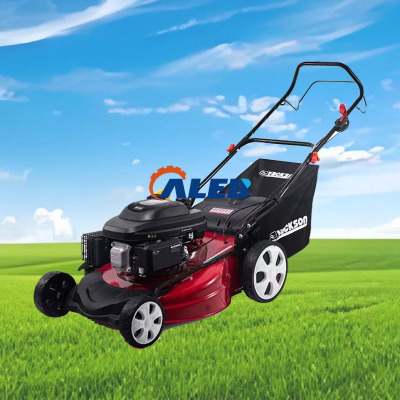


Forestry Machinery Riding Lawn Mower Garden Lawn Mower Wholesale Riding Lawn Mower
$2000.00 - $2500.00
MOQ: 1 Pieces

Self-Propelled Lawn Mower with 21-Inch Cutting Deck and Ergonomic Handle
$2000.00 - $2600.00
MOQ: 1 Pieces

Self-Propelled Lawn Mower with 21-Inch Cutting Deck and Ergonomic Handle
$2000.00 - $2600.00
MOQ: 1 Pieces


Gasoline Powered Self Propelled Lawn Mower for Large Farm Grass Cutting Work
$999.00 - $1200.00
MOQ: 1 Pieces


Comprehensive Sourcing Guide
Strategic Sourcing Guide for Self-Propelled Riding Lawn Mowers
Procuring self-propelled riding lawn mowers requires a rigorous approach that balances technical performance with compliance and operational longevity. The market offers a diverse array of units ranging from compact residential models to heavy-duty professional machines designed for extensive turf management. Buyers must navigate a complex landscape of specifications, power sources, and certification requirements to ensure the selected equipment meets specific operational demands. This guide outlines the critical factors for evaluating self-propelled riding lawn mowers, focusing on verified attributes, compliance standards, and supplier vetting processes based on current industry data.
Technical Specifications and Performance Metrics
When evaluating self-propelled riding lawn mowers, the primary focus must be on the engine configuration, cutting capabilities, and propulsion systems. The observed market data indicates a significant variation in power sources, with many units utilizing petrol or gas engines, specifically 4-stroke and 2-stroke configurations. Some high-performance models feature engine brands such as Kawasaki or Honda, which are often associated with reliability and sustained power output. The power output for these machines can vary significantly, with specific units observed at 3.4kw or 2100W, depending on the intended application and deck size.
The cutting deck width is a critical determinant of efficiency. Specifications show deck widths ranging from 25 inches (534mm) to larger configurations suitable for extensive areas. The cutting height adjustment is equally vital, with some models offering a 7-stage adjustment ranging from 30mm to 85mm, allowing operators to tailor the cut for different grass types and terrain conditions. The "3-in-1" functionality is a common feature, enabling mulching, side discharge, and back discharge, which provides versatility in grass management.
Propulsion systems are central to the "self-propelled" classification. Observed data highlights ground speeds ranging from 3.0 to 4.2 mph at specific engine RPMs, with some units rated at 3.6 km/h. The moving way is often described as "Mount Type," indicating a platform or seat-based operation rather than a walk-behind unit. The engine ignition system, noted as C D I (Capacitor Discharge Ignition), ensures reliable starting and consistent performance. Buyers should verify the fuel mixture ratio for 2-stroke engines, which is typically 25:1 (Gasoline 25 : Two-Cycle Oil 1), to prevent engine damage and ensure optimal combustion.
Compliance and Certification Verification
Compliance with international safety and environmental standards is non-negotiable when sourcing industrial-grade mowers. The supply chain data confirms that CE certification is a prevalent requirement, often appearing alongside GS certification. These marks indicate conformity with European health, safety, and environmental protection standards. Additionally, some units in the market carry EMC (Electromagnetic Compatibility) and EPA (Environmental Protection Agency) certifications, suggesting adherence to specific emission and electromagnetic interference regulations.
Buyers must distinguish between observed certifications and generic claims. While ISO 9001 and IEC 60335-2-107 are mentioned in background contexts as trusted standards, specific product listings may only explicitly state CE, GS, or EPA. It is imperative to request current certification documents for each batch of equipment to verify that the specific model and serial numbers match the issued certificates. The presence of a "100% Inspection" quality control attribute suggests a rigorous internal testing protocol, but this should be corroborated with third-party audit reports where possible.
The following table summarizes the observed certification landscape for self-propelled mowers:
| Certification Type | Status in Market Data | Relevance |
|---|---|---|
| CE | High Confidence | Mandatory for European markets; indicates safety compliance. |
| GS | High Confidence | German safety mark; often required for heavy-duty equipment. |
| EPA | High Confidence | Critical for US markets; regulates exhaust emissions. |
| EMC | High Confidence | Ensures electronic components do not interfere with other devices. |
| ISO 9001 | Background Context | Quality management system standard; verify on a per-supplier basis. |
Cost Drivers and Pricing Variables
The pricing structure for self-propelled riding lawn mowers is influenced by a combination of engine brand, cutting deck size, and feature complexity. The observed price range in the market spans from 1 to 10,000 USD, reflecting the vast difference between entry-level units and professional-grade machinery. Several key factors drive these costs. First, the engine brand is a primary cost driver; units equipped with Kawasaki or Honda engines typically command a premium over generic engine models due to their reputation for durability and resale value.
Second, the cutting deck width and the sophistication of the cutting mechanism affect the price. Models with wider decks (e.g., 534mm and above) and advanced features like forced air cooling, anti-slip handles, and folding mechanisms are priced higher. The inclusion of a grass box with a capacity of 60L or larger also adds to the cost. Third, the level of customization available, such as OEM and ODM support, can influence the final price, particularly for bulk orders where branding and specific feature modifications are required.
Minimum Order Quantity (MOQ) is another significant variable. The observed MOQ range is 1 to 500 units. Buyers seeking a single unit for testing or small-scale operations will face different pricing dynamics compared to those placing orders for 500 units. Volume discounts are likely, but the exact tiered pricing structure must be negotiated directly with suppliers. Packaging costs, typically in cartons, and the origin of the product, primarily from China (specifically Zhejiang), also play a role in the landed cost, including shipping and import duties.
Typical Applications and Operational Scope
Self-propelled riding lawn mowers are designed for a wide spectrum of applications, ranging from small residential lawns to large-scale professional turf management. The applicable area for these machines varies significantly based on the model. Some units are optimized for areas under 500 square meters, making them suitable for private gardens and small parks. Others are engineered for larger expanses, with specifications covering areas between 500 and 1000 square meters, and even up to 1000 to 5000 square meters for professional use.
The intended usage scenarios are diverse. The data indicates suitability for soccer fields, rugby fields, golf courses, common lawns, and forest lawns. This versatility suggests that the machines are built to handle various ground types, including flat surfaces and potentially uneven terrain found in forest lawns. The "Truncated Type" and "Ground Type" mowing requirements highlight the adaptability of these machines to different grass heights and cutting patterns.
For professional applications, such as golf courses and sports fields, the precision of the cut and the reliability of the self-propelled system are paramount. The "Industrial" grade material and "Excellent" quality rating observed in the market suggest that these machines are built to withstand rigorous daily use. The ability to stand vertically is a practical feature for storage in confined spaces, which is often a constraint in professional facilities. Buyers should match the machine's applicable area and usage type to their specific operational needs to avoid under-specifying or over-specifying the equipment.
Supplier Evaluation and Quality Assurance
Evaluating suppliers for self-propelled riding lawn mowers requires a focus on their manufacturing capabilities, quality control processes, and customization support. The market data indicates that suppliers often offer OEM and ODM support, allowing buyers to brand the equipment or request specific modifications. The place of origin is predominantly Zhejiang, China, a region known for its manufacturing infrastructure. However, the specific supplier name should not be assumed; buyers must conduct their own due diligence to verify the manufacturer's reputation and capacity.
Quality control is a critical differentiator. The observed "100% Inspection" attribute suggests a comprehensive testing protocol before shipment. Buyers should inquire about the specific inspection criteria, including engine performance tests, safety checks, and durability assessments. The "Excellent" quality rating is an observation of the product category, but individual units must be verified through sample testing. The warranty period, typically 1 year, is a standard offering, but the terms and conditions of the warranty should be clearly defined in the contract.
Customization is another key factor in supplier selection. The availability of customization options, such as telescopic handles, single or double cylinder configurations, and specific fuel mixture ratios, allows buyers to tailor the equipment to their specific requirements. Suppliers that offer flexible production lines and responsive communication are generally preferred. Buyers should also verify the supplier's ability to meet lead times and handle logistics, as these factors can significantly impact the overall procurement timeline.
Long-Term Procurement and Maintenance Considerations
Sourcing self-propelled riding lawn mowers is not just a one-time purchase; it involves long-term considerations regarding maintenance, spare parts availability, and operational efficiency. The fuel mixture ratio of 25:1 for 2-stroke engines requires careful attention to fuel quality and mixing procedures to prevent engine failure. For 4-stroke engines, regular oil changes and filter replacements are necessary to maintain performance. The presence of a grass box and the ability to switch between mulching and discharge modes require regular cleaning to prevent clogging and ensure optimal cutting performance.
The durability of the machine is influenced by the materials used and the build quality. The "Industrial" grade material suggests a robust construction, but regular maintenance is essential to extend the lifespan of the equipment. Buyers should establish a maintenance schedule that includes engine checks, blade sharpening, and deck cleaning. The availability of spare parts, such as belts, blades, and filters, is crucial for minimizing downtime. Suppliers that offer comprehensive after-sales support and a network of service centers are highly valuable.
Furthermore, the environmental impact of the equipment should be considered. Units with EPA certification are designed to meet emission standards, reducing the environmental footprint. The choice between 2-stroke and 4-stroke engines also impacts fuel efficiency and emissions. Buyers should evaluate the total cost of ownership, including fuel consumption, maintenance costs, and potential downtime, to make an informed decision. By prioritizing quality, compliance, and long-term support, buyers can ensure a reliable and efficient fleet of self-propelled riding lawn mowers.
FAQs
What certifications do self propelled riding lawn mowers typically have?
These mowers typically carry CE and GS certifications for safety compliance. Some models also include EMC and EPA marks to meet specific regional environmental and electromagnetic standards required for international trade.
Which power sources are available for these self propelled riding lawn mowers?
Most units utilize petrol or gas engines, available in both 4-stroke and 2-stroke configurations. Specific models may feature high-reliability engine brands like Kawasaki or Honda for professional applications.
How large an area can a Self Propelled Riding Lawn Mower cover?
Applicable areas range from under 500 square meters for small lawns up to 5000 square meters for professional use. The specific capacity depends on the model's deck width and engine power output.
Can I customize the specifications of a Self Propelled Riding Lawn Mower?
Yes, customization is available with OEM and ODM support for branding and feature modifications. Buyers can request specific adjustments to handles, cutting mechanisms, or fuel mixture ratios based on operational needs.
What is the typical warranty period for self propelled riding lawn mowers?
The standard warranty period is typically one year for these industrial-grade machines. This coverage ensures protection against manufacturing defects while requiring regular maintenance to remain valid.
Which cutting deck widths are common for self propelled riding lawn mowers?
Common cutting deck widths include 25 inches or 534mm for standard models. Larger decks are available for professional applications to increase efficiency over extensive turf areas.
How is the fuel mixture ratio determined for 2-stroke self propelled riding lawn mowers?
The fuel mixture ratio is typically 25:1, combining 25 parts gasoline with 1 part two-cycle oil. This specific ratio is critical for preventing engine damage and ensuring optimal combustion performance.