Source Self Suction Diaphragm Water Pump for Chemical, Oil, and Food
Compare 30 Self Suction Diaphragm Water Pump models with varying flow rates, materials, and certifications. Find pneumatic and electric options suitable for chemical, oil, and food applications with explosion-proof features; compare the available evidence and request quotations based on your requirements.
Updated
Key considerations
Products List


$710.00 - $770.00
MOQ: 1 Pieces


95m High Head High Pressure Self-Priming Mini Diaphragm Water Pump 220V
$40.00 - $45.00
MOQ: 10 Pieces


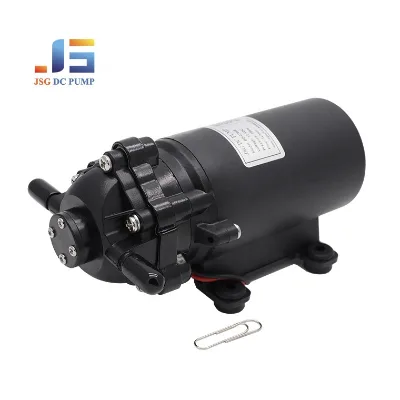

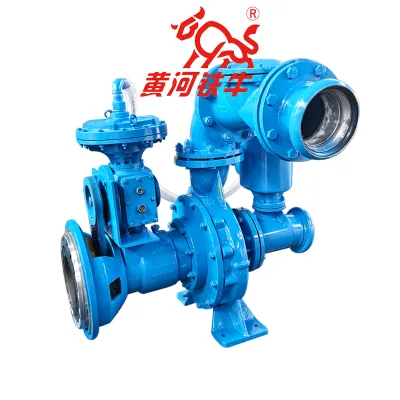
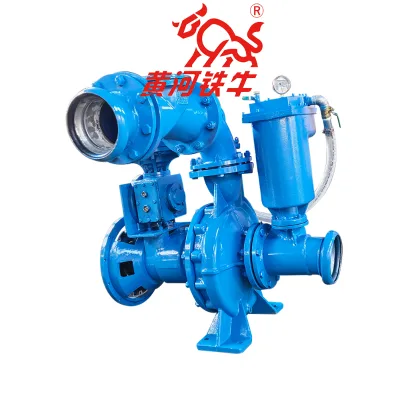
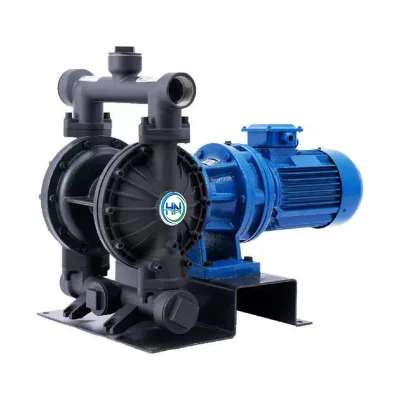
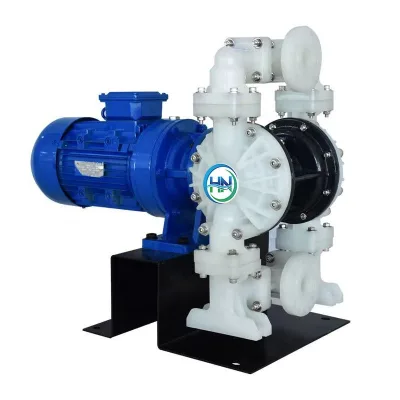
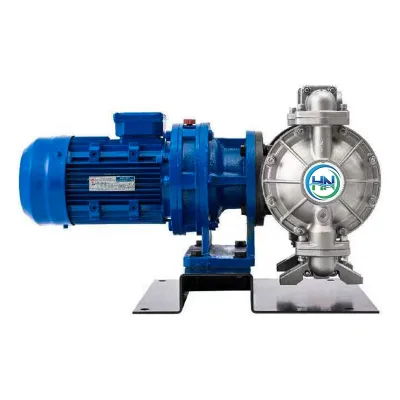
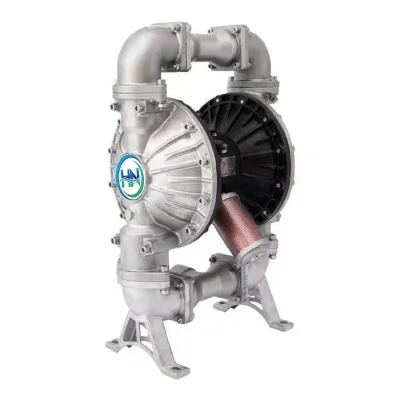
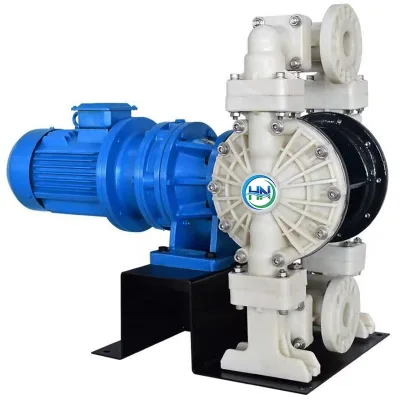
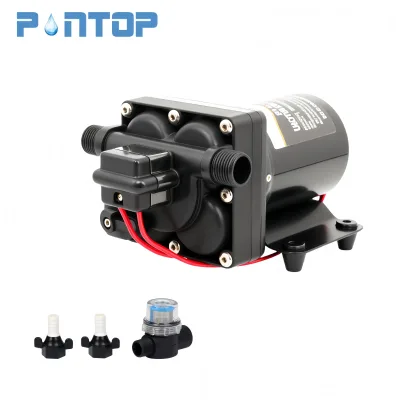


High Pressure Water Pump, Diaphragm Pump, Water Pump, Home Water Purifier
$8.50 - $9.20
MOQ: 500 Pieces
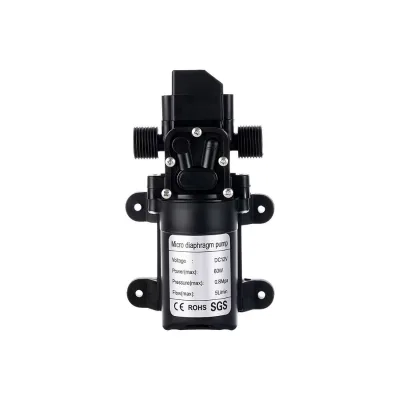
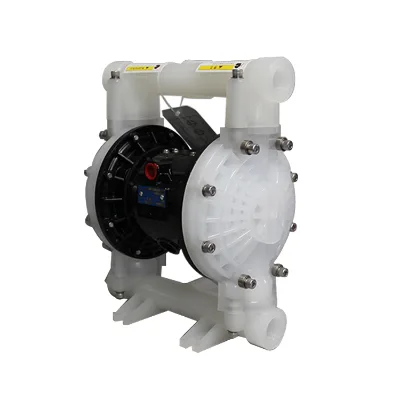


Versatile Customized Water Pump with Integrated Diaphragm for Optimal Flow
$500.00 - $10000.00
MOQ: 5 Sets

Compact Diaphragm-Customized Water Pump for Versatile Fluid Transfer Solutions
$100.00 - $2000.00
MOQ: 5 Sets
Comprehensive Sourcing Guide
Self Suction Diaphragm Water Pump Sourcing Guide
Procuring self-suction diaphragm pumps requires a clear understanding of the distinct operational mechanisms that define these fluid transfer systems. These pumps utilize a flexible diaphragm driven by pneumatic or electric power to create vacuum pressure, enabling them to draw fluid from a source without prior priming. This self-suction capability is critical for applications where the pump is installed above the liquid level, such as in chemical transfer or agricultural irrigation. Buyers must distinguish between dry suction limits, which often range around four to five meters, and wet suction limits, which can extend up to eight meters depending on the specific model configuration. Understanding these hydraulic boundaries prevents installation errors and ensures the pump can effectively initiate flow from the intended source depth.
The market offers a variety of materials and drive types, each suited to different fluid chemistries and operational environments. Aluminum alloy bodies are common for robust industrial use, while polypropylene (PP) constructions provide excellent resistance to corrosive acids and chemicals. The choice between pneumatic and electric power sources further dictates the suitability for hazardous or remote locations. Pneumatic models, often explosion-proof, are ideal for volatile environments, whereas electric micro-diaphragm pumps offer precise control for electronic integration. Buyers should evaluate the valve ball materials, such as Santoprene or PTFE, to ensure compatibility with the specific fluid being pumped, as these components directly impact the pump's longevity and sealing integrity under varying pressure conditions.
Product Scope and Observed Listing Signals
Current market listings reveal a diverse range of self-suction diaphragm pumps with varying specifications and price points. The observed price range spans from approximately five to ten thousand US dollars, reflecting the wide spectrum from small-scale laboratory units to heavy-duty industrial systems. Minimum order quantities (MOQ) typically start at one unit, allowing for flexible sampling and small-batch procurement, though larger orders may benefit from volume discounts. Listings frequently highlight key performance indicators such as maximum flow rates, which can vary significantly from fifty-seven liters per minute to over three hundred fifty-eight liters per minute. These signals help buyers quickly filter options based on their required throughput capacity and budget constraints.
Product models often include specific alphanumeric codes that denote material composition and valve types, such as HY15-AL or HY50B-PP. These identifiers are crucial for verifying the exact configuration of the pump, including the body material and valve ball composition. Many suppliers emphasize features like zero-leak performance and explosion-proof designs, which are essential for safety in chemical and oil applications. Packaging dimensions and net weights are also commonly listed, providing logistical data for shipping and storage planning. Buyers should pay close attention to these detailed specifications to ensure the selected pump meets both technical requirements and physical handling constraints within their facility.
Technical Specifications to Verify
Verifying the maximum head and suction lift capabilities is paramount to ensuring the pump can meet the system's hydraulic demands. Listings indicate maximum head values up to eighty-four meters, but buyers must confirm the actual operating pressure required for their specific application. The distinction between dry and wet suction lift is critical; for instance, some models support a dry suction lift of four meters and a wet lift of seven point six meters, while others may offer five meters dry and eight meters wet. These limits define the vertical distance the pump can lift fluid from the source, and exceeding these values will result in failure to prime or reduced flow rates. Accurate verification prevents costly system redesigns and ensures reliable operation.
Flow rate and power source compatibility are other essential technical parameters to validate. Pneumatic diaphragm pumps often operate on compressed air with a maximum inlet pressure of eight point four bar, making them suitable for environments where electrical sparks are a hazard. Electric models, conversely, may offer electronic control features and long life spans of up to five thousand hours. Buyers should also check the standard caliber sizes, which range from half-inch to two-inch connections, to ensure compatibility with existing piping infrastructure. Additionally, the theory of operation, whether based on standard diaphragm mechanics or micro-diaphragm designs, affects the pulse frequency and flow smoothness, which may be critical for sensitive dosing applications.
Compliance and Safety Documentation
Certification verification is a non-negotiable step in the procurement process for industrial diaphragm pumps. Most listed products carry CE and ISO9001 certifications, indicating adherence to European safety standards and quality management systems. Some models also include RoHS certification, which restricts the use of hazardous substances in electrical and electronic equipment. Buyers must request valid certification documents from suppliers to ensure that the pumps meet the regulatory requirements of their target markets. These certifications provide assurance that the manufacturing processes and product designs have undergone rigorous testing and evaluation, reducing the risk of non-compliance and potential legal liabilities.
Safety features, particularly explosion-proof ratings, are vital for pumps used in hazardous environments involving flammable liquids or gases. Listings often highlight advantages such as explosion-proof zero-leak performance, which minimizes the risk of ignition sources and fluid leakage. Buyers should verify that the pump's materials, such as polypropylene or aluminum alloy, are compatible with the specific chemicals being handled to prevent degradation or failure. Additionally, the application scope, including chemical, oil, food, and acid handling, should be explicitly confirmed to ensure the pump's construction materials and seals are suitable for the intended fluid. Proper documentation of these safety attributes ensures operational safety and regulatory compliance.
Cost Drivers and Commercial Terms
The cost of self-suction diaphragm pumps is influenced by several factors, including material quality, power source, and certification status. Aluminum alloy models may be priced differently from polypropylene variants due to differences in raw material costs and manufacturing complexity. Pneumatic pumps, which require no electrical components, may have different cost structures compared to electric models with electronic controls. Buyers should consider the total cost of ownership, including energy consumption and maintenance requirements, rather than just the initial purchase price. Understanding these cost drivers helps in making informed decisions that balance upfront expenses with long-term operational efficiency.
Commercial terms, such as minimum order quantities and packaging details, also impact the overall procurement cost. MOQs ranging from one to five hundred units allow for flexibility, but larger orders may offer better unit pricing. Packaging sizes, typically around twenty-nine by twenty-one by thirty-four centimeters, affect shipping costs and storage requirements. Buyers should negotiate clear terms regarding delivery times, warranty periods, and after-sales support. Additionally, the origin of the product, often Shanghai, China, may influence logistics costs and lead times. Establishing transparent commercial terms ensures that both parties have a clear understanding of their responsibilities and expectations, reducing the risk of disputes.
Supplier Qualification and Quality Control
Evaluating supplier qualifications is essential to ensure the reliability and consistency of the procured pumps. Buyers should verify that suppliers have valid ISO9001 certification and a proven track record in manufacturing diaphragm pumps. Requesting references from previous clients and conducting site audits can provide insights into the supplier's production capabilities and quality control processes. Suppliers who offer customization options may be better suited for specific application requirements, but buyers must ensure that these customizations do not compromise the pump's performance or safety standards. A qualified supplier will provide comprehensive technical support and documentation throughout the procurement process.
Quality control measures, such as rigorous testing for leak-proof performance and pressure resistance, are critical indicators of product reliability. Buyers should inquire about the testing procedures employed by the supplier, including hydrostatic tests and functional checks. Suppliers who adhere to standard manufacturing practices and use high-quality materials, such as PTFE valve balls or Santoprene seals, are more likely to deliver durable products. Additionally, buyers should establish clear acceptance criteria for incoming inspections, including visual checks and performance tests. Implementing a robust quality control process helps identify and rectify defects early, ensuring that only compliant pumps are deployed in the field.
Long-Term Procurement Checks
Establishing long-term procurement checks is vital for maintaining the performance and reliability of self-suction diaphragm pumps over time. Buyers should implement regular maintenance schedules that include inspecting diaphragms, valve balls, and seals for wear and tear. Monitoring flow rates and pressure outputs can help detect early signs of degradation, allowing for timely replacements of worn components. Suppliers who offer spare parts and technical support are valuable partners in ensuring the longevity of the pump system. Buyers should also stay updated on any changes in regulations or standards that may affect the operation or maintenance of the pumps.
Continuous improvement in procurement practices involves reviewing supplier performance and product feedback regularly. Buyers should collect data on pump failures, maintenance costs, and operational efficiency to identify areas for improvement. Engaging in open communication with suppliers can lead to better product designs and enhanced support services. Additionally, buyers should consider the environmental impact of their procurement decisions, opting for pumps with energy-efficient designs and sustainable materials where possible. By adopting a proactive approach to long-term procurement, buyers can optimize their fluid transfer systems and achieve greater operational efficiency and cost savings over the lifecycle of the equipment.
FAQs
What certifications do these diaphragm pumps hold?
These pumps hold CE and ISO9001 certifications. Some models also feature RoHS compliance. This ensures they meet international safety and quality standards for industrial use. Buyers can verify specific model details to confirm the exact certification package required for their regional compliance needs.
Can these pumps handle chemical and acidic fluids?
Yes, certain models are designed for chemical, oil, food, and acid applications. They utilize materials like Polypropylene (PP) and Santoprene valve balls. This construction provides resistance to corrosion and ensures safe transfer of aggressive fluids in various industrial processing environments.
What is the maximum flow rate available?
The maximum flow rate reaches 358L/Min for specific high-capacity models. Other variants offer lower rates like 57L/Min. This range allows buyers to select a pump that precisely matches their volumetric transfer requirements, ensuring efficient operation without over-specifying equipment for smaller tasks.
Are these pumps explosion-proof and leak-free?
Yes, they are designed with explosion-proof and zero-leak performance attributes. Pneumatic versions utilize diaphragm mechanisms to prevent fluid escape. This makes them suitable for hazardous environments where safety and environmental protection are critical operational priorities for industrial facilities.
What is the origin and customization availability?
These pumps originate from Shanghai, China. Customization is available for many models to meet specific client needs. OEM services are also applicable, allowing businesses to tailor pump specifications, materials, or configurations to align perfectly with their unique industrial process requirements.
What power options are offered for these pumps?
Both pneumatic and electric power options are available. Pneumatic models use air pressure for operation, while electric variants include electronic types. This flexibility allows buyers to choose the power source that best fits their facility's infrastructure and operational safety protocols.