SMD Component Counter Suppliers and Manufacturers in China
Explore 17 verified suppliers offering SMD component counters with varying lead times, response speeds, and certifications. Compare dimensions, power specs, and warranty periods to select the right partner. Contact suppliers directly to request quotes and verify customization options; review the available evidence before requesting comparable quotations from suitable candidates.
Suppliers List

Shenzhen Tuoxing Electromechanical Equipment Co., Ltd.
- Verified by BV
- Trading Company
- China Guangdong
- Lead time30 days
- Avg. response≤ 4h
Main productsSMT pick&place machine and the machine part
Main marketsDomestic

SMD Counter SMT/SMD Chip Counting Machine Ys802/ Ys802e Tape Reel SMT/SMD Component Counter
$350.00 - $370.00
Moq: 1


SMT Machine Spare Part SMD Chip Counter Components Reel Tape Counter Ys-801 Chip Counter
$250.00 - $280.00
Moq: 1

DONGGUAN ANTISK ELECTRONIC CO., LTD
- Verified by SGS
- Trading Company
- China Guangdong
- Lead time15 days
- Avg. response≤ 3h
Main productsESD Mat, Grounding Mat, Grounding Bed Sheet, Grounding Fitted Sheet, ESD Waste Bin, ESD Chairs, ESD Magazine Rack, ESD Brush, Cleanroom Wiper, ESD Box
Main marketsEast Asia(Japan/ South Korea),Europe,North America
Top Measure Instrument Company
- Trading Company,Manufacturer/Factory
- Taiwan_China Taiwan
- Lead time0 days
- Avg. response≤ 25h
Main productsMeasuring Wheel, Measuring Tool, Timer, Stop Watch, Digital Counter, Pedometer, Timer Countdown, Timer Switch, Digital Timer, Time Relay
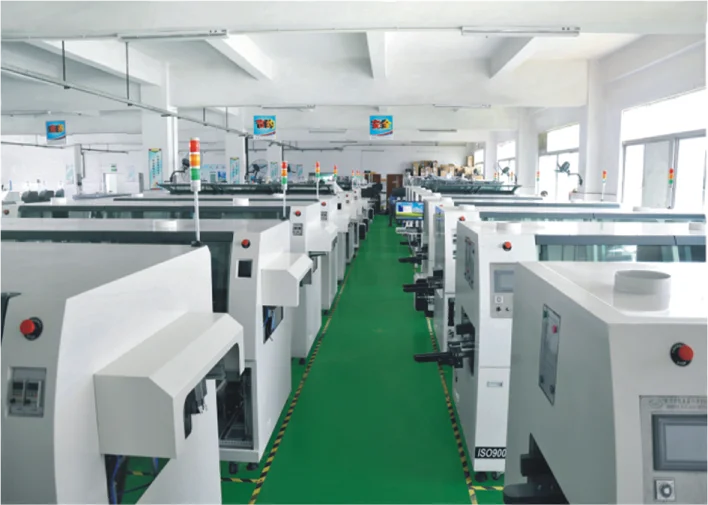
Shenzhen Carst Technology Co., Ltd.
- Manufacturer, Trading Company, Agent
- Guangdong, China
- Lead time10 days
- Avg. response≤ 1h
Main productsSMT Machine,SMT Parts,Electronic Consumables,Desktop Robot Machine,Linear Motion Products
Main marketsMid East(20.0%), Southeast Asia(20.0%), South America(10.0%), Domestic Market(10.0%), Eastern Asia(10.0%), North America(10.0%), Africa(10.0%), Eastern Europe(10.0%)
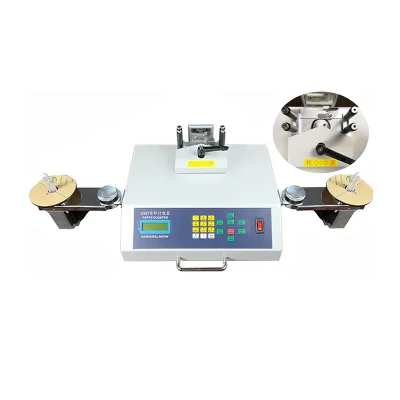
Desktop Type SMD Chips Counting Machine Component Reel Counter for SMT Machine
$200.00 - $248.00
Moq: 1
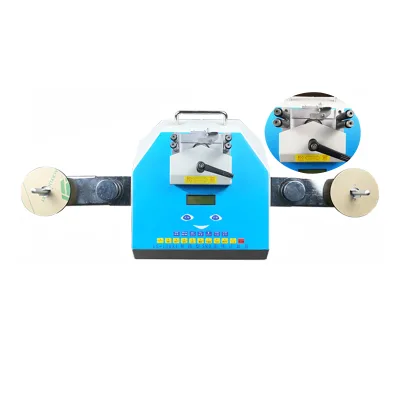
Intelligent Smart SMD Component Counter SMT Chip Tape Reel Counter with STOCK
$200.00 - $248.00
Moq: 1
Dongguan Mingrui Technology Co., Ltd.
- Verified by SGS
- Trading Company
- China Guangdong
- Lead time30 days
- Avg. response≤ 1h
Main productsSMT Line, DIP Line, SMT Printer, X-ray, PCB Conveyor, Laser Marking, Wave Soldering Machine, Pick and Place, Reflow Oven, Coating Machine
Main marketsOthers(foreignTradeCapacity.exportBusinessCapacityMarketOther)

Automatic X-ray Chip Component Counter Machine SMD Reel Counter SMD Counter for PCB Production Line
$45000.00 - $65000.00
Moq: 1


Chengdu Qinliwei Import and Export Trade Co., Ltd.
- Trading Company,Manufacturer/Factory
- China Sichuan
- Lead time23 days
- Avg. response≤ 11h
Main productsGolf Products, CNC Products, Timer, Mat, Fashion Accessories, Digital Counter, Photographic Equipment
Main marketsNorth America,Western Europe

Shenzhen Lantong Precision Technology Co., Ltd
- Verified by TUVRHEINLAND
- Manufacturer/Factory
- China Guangdong
- Lead time23 days
- Avg. response≤ 3h
Main productsMould Parts, Springs, Guide Pins and Guide Bushings, Guide Strips and Wear Plates, Date Stamps and Air Valves, Latch Locks, Slide Retainters, Locating Parts, Ejector Series, Ejector Pins and Ejector Sleeves
Main marketsSouth America,Eastern Europe,Mid East,North America,Southeast Asia,Eastern Asia,Western Europe

Jiaxing Haihan Electron Co., Ltd.
- Manufacturer/Factory,Group Corporation
- China Zhejiang
- Lead time15 days
- Avg. response≤ 2h
Main productsCurrent Transformer, Shunt, Stepper Motor Counter/Register, Latch Relay, Rogowski Coil, Kwh Meter, Thermoelectric Cooling Minibar, Absorption Cooling Minibar, Safe Box, Compressor Display Cooler
Main marketsSouth America,Eastern Europe,Mid East,North America,Southeast Asia,Eastern Asia,Oceania,Western Europe,Africa

Yueqing Zhicheng Electrical Equipment Co., Ltd.
- Manufacturer
- China Zhejiang
- Lead time30 days
- Avg. response≤ 12h
Main productsIndustrial Plug, Industrial Socket, Industrial Plug and Socket, Anchoring Clamp, Suspension Clamp, Insulated Piercing Clamp, PC Plug, Fuse Switch Disconnector, ABC Cable Work, Fuse Holder
Main marketsSouth America,Africa,Southeast Asia/ Mideast

- Manufacturer/Factory
- China Guangdong
- Lead time15 days
- Avg. response≤ 10h
Main productsPCB Board, PCB / Aluminum PCB, Printed Circuit Board / Circuit Board, LED PCB / LED Strip / Light PCB, PCBA / PCB Assembly, OEM PCB / MCPCB, Multilayer PCB / Fr4 PCB, Flexible PCB / FPC, SMT Assembly / PCB Layout, PCB Manufacturers / Electronics PCB
Main marketsSouth America,Eastern Europe,North America,Southeast Asia,Oceania,Western Europe

Shenzhen Jin Da Peng Technology Co., Ltd.
- Trading Company
- China Guangdong
- Lead time23 days
- Avg. response≤ 13h
Main productsTransistor, IC, IGBT, Sollcon- Controlled Rectifier, Three End Comstant Voltage
Main marketsSouth America,Others(foreignTradeCapacity.exportBusinessCapacityMarketOther),Southeast Asia/ Mideast,Europe

Jining Better Origin Machinery Co., Ltd.
- Trading Company
- Shandong, China
- Lead time7 days
- Avg. response≤ 6h
Main productsPacking machinery,Cutting machinery,Hardware tools
Main marketsNorth America(20.0%), Western Europe(15.0%), Northern Europe(10.0%), South America(10.0%), Africa(10.0%), Southeast Asia(10.0%), Eastern Europe(10.0%), Southern Europe(5.0%), Mid East(5.0%), Oceania(5.0%)

Yueqing Winston Electric Co., Ltd.
- Verified by CTI
- Trading Company
- China Zhejiang
- Lead time23 days
- Avg. response≤ 5h
Main productsProximity Sensor, Thermostat and Heater, Switching Power Supply, Motor Soft Starter, Frequency Inverter, Transformer, Relay, Circuit Breaker, Photoelectric Sensor, AC Contactor
Main marketsSouth America,Africa,Southeast Asia/ Mideast,Europe,North America

Mu Star (shenzhen) Industry Co., Ltd.
- Verified by BV
- Trading Company
- China Guangdong
- Lead time15 days
- Avg. response≤ 13h
Main productsPCBA, PCB Assembly, PCB PCBA, SMT, Medical PCBA, SMD, PCB Assembly Service, EMS, PCBA Assembly
Main marketsNorth America

- Trading Company
- China Guangdong
- Lead time15 days
- Avg. response≤ 2h
Main productsIC, Capacitor, Resistor, Electronic Components, Integrated Circuit, Transistor, Relay, Diode, MCU, Connector
Main marketsSouth America,East Asia(Japan/ South Korea),Europe

China Dragon Electronic Industrial Co., Limited
- Verified by BV
- Combined
- China Guangdong
- Lead time23 days
- Avg. response≤ 10h
Main productsPCB, PCBA, LED Grow Light, PCB Design, Industrial Control, Smart Home, Communications Equipment, Medical Hairdressing, Multilayer PCB
Main marketsEurope,North America

Hangzhou FrankEver Imp. & Exp. Co., Ltd.
- Verified by SGS
- Trading Company,Manufacturer/Factory
- China Zhejiang
- Lead time45 days
- Avg. response≤ 6h
Main productsSoldering Tools, Multimeter, Car Installation Accessories, Smart Home, Smart Garden, Car Cable, PCBA, Tester
Main marketsSouth America,Eastern Europe,Mid East,North America,Southeast Asia,Eastern Asia,Oceania,Western Europe,Africa

Other PCB&PCBA Circuit Board Component Electronic PCB Assembly Fabrication PCBA Service
$0.20 - $0.50
Moq: 10000


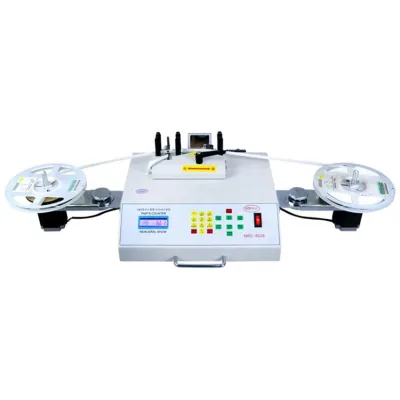
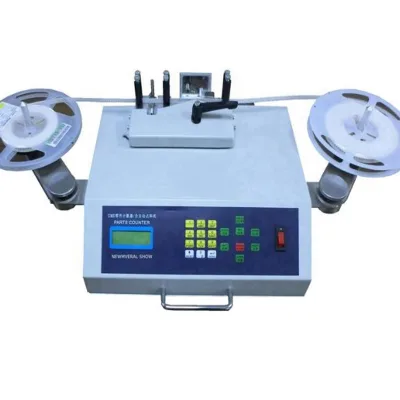


Comprehensive Sourcing Guide
SMD Component Counter Supplier Concentration and Factory Types
The current search results indicate a specific concentration of suppliers located in Guangdong, China, which serves as a primary manufacturing cluster for SMD Component Counter units. This region hosts a mix of trading companies and manufacturers specializing in electronics production machinery, including SMT pick-and-place machines and their associated parts. Buyers observing this data should note that the primary product focus often extends beyond simple counters to include broader industrial machinery components. When evaluating potential partners, it is essential to distinguish between entities that manufacture the core electronic counting mechanisms and those that act as intermediaries sourcing from various factories. The presence of trading companies suggests a supply chain where the final assembly or branding might occur in different locations, requiring careful verification of the actual production source.
Factory types identified in the results include entities classified as trading companies, which may offer a wider variety of models such as the Ys802, Ys802e, and Cou2000ex series. These suppliers often list main products that encompass ESD mats, grounding sheets, and other cleanroom accessories alongside the counters, indicating a diversified inventory strategy. Buyers should verify whether the listed company type aligns with their need for direct factory pricing or if they require the logistical support that trading companies provide. The distinction is critical because a trading company might aggregate orders from multiple factories, potentially affecting lead times and quality control consistency. Understanding the specific factory type helps in anticipating the level of technical support and customization capabilities available for the SMD Component Counter models being sourced.
How to Verify SMD Component Counter Suppliers
Verification of suppliers in this category relies heavily on third-party audit reports and specific credential checks found in the search data. Some suppliers display BV verification status, while others may hold SGS verification, indicating different levels of external scrutiny regarding their business operations and product quality. Buyers must confirm which verification body is currently active for a specific supplier, as these credentials are not universal across all listings. The presence of a verification badge does not automatically guarantee product performance but serves as a baseline indicator of business legitimacy. It is crucial to request the latest audit report to ensure the supplier's claims about their facility and production capacity remain current and accurate.
Beyond general business verification, specific product certifications like CCC are listed for certain SMD Component Counter models, such as the Cou2000ex and Ny-60X series. These certifications relate to safety and electromagnetic compatibility standards required for electronic equipment in specific markets. Buyers should cross-reference the listed certifications with the specific model number they intend to purchase, as a supplier might be verified for one product line but not another. Additionally, checking for quality claims such as "100% Tested" or "Top Quality" requires validation through sample testing or factory audits. Relying solely on the presence of a certification label without understanding its scope can lead to compliance issues upon import. Therefore, a thorough verification process involves matching the specific product attributes to the supplier's documented credentials.
What to Compare Across SMD Component Counter Suppliers
When comparing suppliers, key operational metrics such as lead time and response time provide immediate insight into their reliability and efficiency. The data shows response times ranging from approximately 2.16 to 3.92 hours, which indicates varying levels of customer service responsiveness. Lead times also differ significantly, with some suppliers offering a 15-day delivery window while others require up to 30 days. These variations can impact production schedules and inventory planning, making it essential to prioritize suppliers whose timelines align with project deadlines. Buyers should not assume all suppliers offer the same speed; instead, they must explicitly request current lead time estimates for the specific model and quantity required.
Price and minimum order quantity (MOQ) are other critical comparison factors that vary across the supplier pool. The observed price range for Smd Component Counters spans from roughly $250 to $720, depending on the model and specifications. Some suppliers list an MOQ of just one unit, offering flexibility for small-scale testing, while others may have different thresholds not explicitly detailed in the summary. Buyers must compare the total cost of ownership, including shipping and potential customization fees, rather than focusing solely on the unit price. Additionally, the availability of customization options, such as branding or specific power supply requirements, should be evaluated against the supplier's stated capabilities. A comprehensive comparison ensures that the selected supplier offers the best balance of cost, speed, and flexibility for the specific procurement needs.
Common SMD Component Counter Sourcing Risks
One significant risk in sourcing Smd Component Counters involves the discrepancy between advertised specifications and actual product performance. While product attributes list features like "Anti-Static Protection" and "Vertical Installation," these claims must be validated through physical inspection or third-party testing. The reliance on generic terms like "Electronic" or "Digital" theory without detailed technical schematics can lead to compatibility issues with existing SMT lines. Buyers should be wary of suppliers who do not provide detailed dimension data or power consumption figures, as these are essential for integrating the counter into a production environment. Misalignment in technical specifications can result in costly delays and the need for expensive retrofits.
Another risk pertains to the warranty and after-sales support structure, which varies among suppliers. The data indicates a warranty period of only three months for certain models, which may be insufficient for industrial applications requiring long-term reliability. Buyers must clarify the terms of this warranty, including what constitutes a defect and the process for replacement or repair. Furthermore, the reliance on international shipping methods like UPS, DHL, or FedEx introduces risks related to transit damage and customs clearance delays. Without a clear understanding of the shipping terms and insurance coverage, buyers may face unexpected costs or lost inventory. Establishing a robust support agreement and verifying the supplier's track record for handling claims is essential to mitigate these operational risks.
SMD Component Counter Regional Sourcing and Logistics
The primary sourcing region identified for these products is Guangdong, China, which influences the logistics strategy and shipping costs for international buyers. Suppliers in this region typically utilize major international couriers such as UPS, DHL, and FedEx for on-time shipment, ensuring relatively fast delivery to global markets. However, the specific shipping method and associated costs depend heavily on the order volume and the destination country. Buyers should verify the exact shipping terms, such as whether the price includes freight or if it is an ex-works quote, to avoid hidden costs. The standard packaging, often described as a carton box or carton case, must be evaluated for its ability to protect the equipment during long-distance transit.
Logistics planning also requires attention to the physical dimensions and weight of the units, which affect freight charges and handling requirements. The product data lists weights ranging from 9.5kg to 10kg and dimensions varying from compact sizes to larger industrial units. These factors determine whether the shipment can be consolidated with other goods or if it requires dedicated freight space. Buyers should confirm the packaging standard, such as the specific carton dimensions, to ensure compatibility with their warehouse storage and handling equipment. Additionally, understanding the origin of the product, confirmed as China in the data, helps in anticipating potential customs duties and import regulations. A well-planned logistics strategy minimizes delays and ensures the SMD Component Counter arrives in optimal condition for immediate deployment.
SMD Component Counter Commercial Terms and Order Planning
Commercial terms for SMD Component Counter orders often include specific customization options and payment structures that must be clearly defined before finalizing a purchase. The data indicates that customization is available for many models, allowing buyers to tailor the counter to their specific production line needs. However, the extent of this customization, such as branding or specific power supply configurations, should be confirmed in writing to avoid misunderstandings. Buyers should also inquire about the payment terms, including any requirements for escrow services to protect their financial interests during the transaction. Clear communication regarding these terms ensures that both parties have a shared understanding of the deliverables and expectations.
Order planning must account for the variability in lead times and the potential need for expedited shipping. With lead times ranging from 15 to 30 days, buyers should initiate the ordering process well in advance of their production schedule to prevent bottlenecks. The availability of models like the Ys802 or Cou2000ex should be verified, as stock levels can fluctuate based on demand. Additionally, buyers should consider the impact of the MOQ on their inventory strategy, especially if they are testing a new product line. Planning for potential delays in shipping or production is crucial, and maintaining a buffer stock can help mitigate the risk of production stoppages. A proactive approach to order planning ensures a smooth procurement process and timely delivery of the SMD Component Counter.
FAQs
What is a typical price range for an SMD Component Counter?
Listed models on this page range roughly from 250 to 720 US dollars per unit depending on the series and features. Entry-level YS-801 style units sit near the low end, while COU2000EX intelligent counters are priced higher. Confirm current pricing with suppliers, since quotes can change with configuration, order volume and shipping terms.
What is the minimum order quantity for SMD counters?
Several listings show a minimum order quantity of just one unit, which suits buyers testing a counter before scaling purchases. Low MOQs are common because these are compact benchtop machines rather than bulk commodities. Always confirm MOQ in writing with the supplier before ordering, as requirements can differ by model and customization level.
How long does production and delivery usually take?
Suppliers on this page report lead times of roughly 15 to 30 days. Shorter timelines may apply for stock units, while customized counters or large orders can take longer. Ask the supplier to separate production time from transit time, and confirm which carriers such as UPS, DHL or FedEx are used for your destination.
Which counting range do these SMD counters support?
Common YS series and COU2000EX models support a counting scope of -99999 to 99999 pieces, so they handle both adding and subtracting counts. This reversible function lets you verify reel quantities before and after production. Check that the counting range and supported reel widths of 8 to 56 millimeters match your component packaging.
Are these SMD component counters certified?
Multiple listings indicate CCC certification, and some suppliers hold BV or SGS verification. Certification and verification are different: CCC applies to the product for certain markets, while BV or SGS relates to the supplier's audited status. Ask for copies of current certificates and verify their validity before finalizing any purchase agreement.
Where are these SMD counter suppliers located?
The suppliers featured on this page are located in Guangdong, China, a major hub for electronics production machinery. Sourcing from Guangdong offers proximity to SMT equipment makers and spare-part supply chains. Confirm the exact city and whether the company is a manufacturer or trading company, since this affects pricing and technical support.
What power supply and warranty do these counters use?
Most listed counters run on AC220V or AC110V at 50 or 60 Hz with low power draw around 25 watts, so they suit standard workshop outlets. Warranty periods shown include around three months on some models. Confirm warranty coverage, what it includes, and whether spare parts or remote troubleshooting support are provided after the term ends.
Can SMD counters be customized for specific production needs?
Several listings state that customization is available, covering features like brand labeling, housing design or counting configurations. Customization may extend lead time and affect the quoted price, so describe your reel widths, count range and line integration needs early. Ask the supplier to confirm in writing which customization options are feasible before placing an order.