Source Self Trapping Drywall Nails for Machinery Chemical Building
Compare 30 listings for Self Trapping Drywall Nails suitable for machinery, chemical industry, and building applications. Buyers can evaluate options with varying standards like DIN and ISO, materials including carbon steel and low carbon steel, and finishes such as zinc plating.
Key considerations
Products List

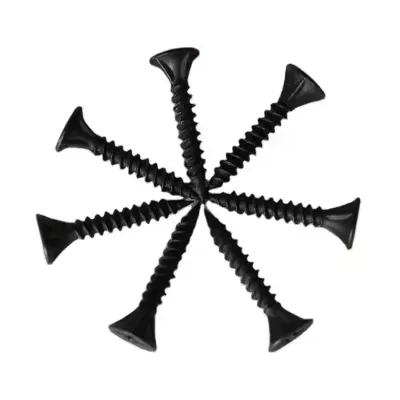
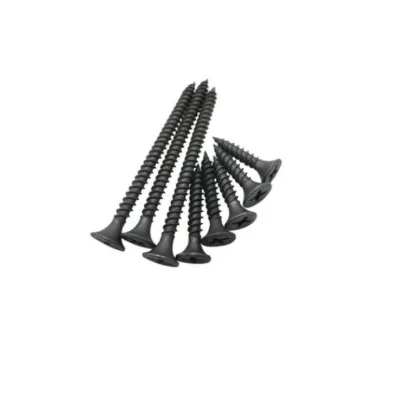
Dry Wall Screw Self Tapping Black Galvanized Wall Board Dry Wall Nails
$1050.00 - $1100.00
MOQ: 1 Tons






Comprehensive Sourcing Guide
Strategic Sourcing Guide for Self-Trapping Drywall Fasteners
The global construction and interior finishing sectors rely heavily on efficient fastening solutions, with self-trapping drywall nails representing a critical component in modern building methodologies. For procurement professionals, navigating the supply chain for these specialized fasteners requires a disciplined approach that balances technical performance, regulatory compliance, and cost efficiency. The market offers a diverse array of products ranging from standard carbon steel variants to specialized nylon and steel composites, each tailored to specific structural and environmental demands. This guide outlines the essential factors buyers must evaluate when sourcing self-trapping drywall nails, ensuring that procurement decisions are grounded in verifiable product attributes and industry standards rather than unverified marketing claims.
Technical Specifications and Material Composition
Understanding the fundamental technical specifications of self-trapping drywall nails is the first step in defining a robust procurement strategy. The core material composition significantly dictates the fastener's performance, corrosion resistance, and suitability for various substrates. In the current market, products are frequently categorized by their base material, with Carbon Steel and Low Carbon Steel being the most prevalent options observed. These materials are selected for their balance of tensile strength and ductility, which is essential for the self-trapping mechanism to function without causing substrate damage.
Beyond the base metal, surface finishing processes play a pivotal role in extending the lifespan of the fastener. Buyers should verify that the supplier offers specific finishing treatments such as Zinc Plating, Galvanization, or Hot Dipped coatings. These processes are critical for preventing rust and corrosion, particularly in environments with high humidity or where the fasteners are exposed to the elements. The observed market data indicates a range of finishes including colorful plating, red, and blue options, which may serve both functional and identification purposes. Additionally, the physical geometry of the nail, including the head style and shank design, must align with the specific application requirements. Common head styles include Round, Bugle, Oval, and Flat heads, while shank variations like twisted designs are utilized to enhance grip and holding power within drywall and underlying framing materials.
Compliance Standards and Certification Verification
In the B2B procurement landscape, adherence to international standards is non-negotiable for ensuring product reliability and safety. Self-trapping drywall nails must conform to established dimensional and performance benchmarks set by major standardization bodies. The supply chain for these fasteners typically references a comprehensive set of standards, including DIN, GB, ANSI, BSW, JIS, and GOST. These standards define critical parameters such as thread pitch, head dimensions, and shank geometry, ensuring interchangeability and compatibility with standard installation tools.
Buyers must rigorously verify that the products they source carry valid certifications. The market frequently highlights certifications such as ISO, GS, RoHS, and SGS, alongside specific quality management standards like ISO9001. These certifications serve as evidence that the manufacturer operates under a controlled quality system and that the products meet environmental and safety regulations. For instance, RoHS compliance ensures that the fasteners do not contain restricted hazardous substances, which is increasingly important for projects in regulated markets. It is imperative for procurement teams to request current certification documents directly from the supplier rather than relying on general product descriptions. Furthermore, the origin of the product, often cited as China or specifically Qingdao, should be cross-referenced with the supplier's ability to provide traceable documentation for the specific batch being purchased.
Cost Drivers and Pricing Dynamics
The pricing structure for self-trapping drywall nails is influenced by a complex interplay of material costs, manufacturing complexity, and order volume. The observed price range in the market spans from $0.01 to $1200, a variance that reflects the difference between individual unit costs and bulk container shipments. This wide range underscores the importance of understanding the total cost of ownership rather than focusing solely on the unit price. Factors such as the specific material grade, the complexity of the surface finishing process, and the customization level of the product significantly impact the final cost.
Minimum Order Quantity (MOQ) is another critical cost driver. Suppliers in this sector often set MOQs ranging from 1 unit to 100,000 units, with specific product lines like drywall screws indicating an MOQ of 10,000 pieces. Buyers must align their order volumes with these thresholds to secure favorable pricing tiers. Additionally, packaging requirements, such as inner boxes, cartons with pallets, or standard export packages, add to the logistical costs. The choice between standard and customized packaging can influence the overall expense, particularly for large-scale projects requiring specific labeling or bulk handling. Procurement professionals should negotiate based on the total landed cost, including shipping and handling, rather than just the ex-factory price.
Typical Applications and Usage Scenarios
Self-trapping drywall nails are designed for a variety of applications across multiple industries, including machinery, chemical processing, environmental engineering, and building construction. The versatility of these fasteners allows them to be used in metal and wood substrates, making them suitable for a wide range of structural and finishing tasks. The specific application dictates the required specifications; for example, roofing applications may demand nails with a Bugle head and a twisted shank to prevent pull-through, while general drywall installation might prioritize a Round or Flat head for a flush finish.
The market data indicates that these fasteners are utilized in environments ranging from standard indoor construction to more demanding industrial settings. The ability to customize the product, including size and thread type, allows suppliers to meet the unique needs of different projects. For instance, specific sizes like 1642 or 1340 may be required for particular drywall thicknesses or framing materials. Buyers should clearly define the intended application during the sourcing process to ensure that the selected fasteners possess the necessary mechanical properties, such as thread type (Metric or standard thread) and size ranges (M3-M30 or 1/8-1-1/2), to perform effectively in their specific use case.
Supplier Evaluation and Selection Criteria
Selecting the right supplier is a critical determinant of procurement success. Buyers should evaluate potential partners based on their ability to provide consistent quality, adherence to standards, and flexibility in meeting order requirements. Key evaluation criteria include the supplier's track record in manufacturing fasteners that meet international standards like DIN, GB, and ANSI. The presence of a "Customized" attribute in the product listing suggests that the supplier has the capability to tailor products to specific client needs, which is a valuable asset for projects with unique specifications.
Furthermore, the supplier's location, often cited as Qingdao, China, can influence lead times and shipping logistics. Buyers should assess the supplier's capacity to handle large order volumes, given the observed MOQs up to 100,000 units. The availability of samples, which are often freely supplied, provides an opportunity for buyers to physically inspect the product quality before committing to a large order. It is also essential to verify the supplier's communication channels and their responsiveness to technical inquiries, as this can impact the efficiency of the procurement process.
Quality Control and Long-Term Procurement Considerations
Implementing a robust quality control (QC) protocol is essential for mitigating risks associated with fastener failure. Buyers should establish clear acceptance criteria based on the observed specifications, such as material grade, surface finish, and dimensional accuracy. Regular inspections, potentially supported by third-party verification like SGS, can ensure that the delivered products meet the agreed-upon standards. The long-term success of a procurement strategy also depends on the supplier's ability to maintain consistent quality over time, especially when dealing with recurring orders.
Procurement professionals should also consider the long-term implications of their choices, including the availability of spare parts and the potential for future customization. The market's emphasis on customization suggests that suppliers are equipped to adapt to changing project requirements. By building a relationship with a reliable supplier who understands the technical nuances of self-trapping drywall nails, buyers can ensure a steady supply of high-quality fasteners that support the structural integrity and longevity of their construction projects. This strategic approach minimizes the risk of supply chain disruptions and ensures that the final product meets the highest standards of performance and safety.
FAQs
What materials are used for Self Trapping Drywall Nails?
Self Trapping Drywall Nails are primarily made from Carbon Steel, Low Carbon Steel, and Nylon. These materials provide the necessary strength and ductility for effective fastening in various substrates like metal and wood.
Which international standards do these fasteners comply with?
These fasteners comply with major international standards including DIN, GB, ANSI, BSW, JIS, and GOST. Buyers should verify that specific products meet these dimensional and performance benchmarks for safety and interchangeability.
Can I request customized sizes for my project needs?
Yes, customized options are available for specific project requirements. Suppliers can produce variations such as 16*42 or 13*40 sizes to match specific drywall thicknesses and framing materials effectively.
What surface finishing options are available for corrosion resistance?
Available surface finishing options include Zinc Plating, Galvanization, Hot Dipped coating, and colorful plating in red or blue. These treatments are essential for preventing rust and extending the lifespan of the fasteners.
What is the typical minimum order quantity for these nails?
The minimum order quantity ranges from 1 to 100,000 units depending on the supplier and product type. Specific product lines like drywall screws may have a minimum order of 10,000 pieces.
Where are these fasteners typically manufactured and shipped from?
These fasteners are typically manufactured and shipped from China, with Qingdao being a specific origin point. Buyers should verify the exact location to ensure traceability and accurate shipping logistics.