Find Self-Vacuuming Electric Brushless Wall Sander for Drywall, Plaster, Concrete
Explore 30 Self-Vacuuming Electric Brushless Wall Sander options to compare motor power, pad sizes, and variable speed settings. This guide helps buyers evaluate specifications for efficient surface finishing in industrial and DIY projects; compare the available evidence and request quotations based on your requirements.
Key considerations
Products List


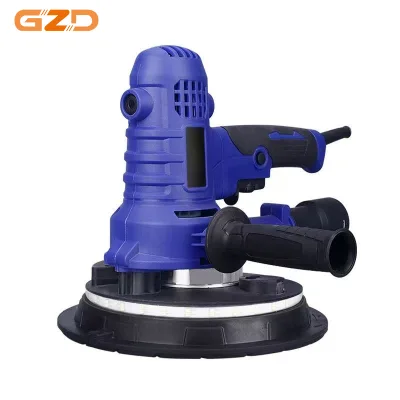


Wall Sanding Machine Brushless Motor Electric Giraffe Drywall Sander with Soft Start (WS019)
$93.60 - $103.00
MOQ: 500 Pieces

Handhold Electric Variable Speed Drywall Sander Tools Self-Absorption Wall Dander (WS013-A)
$27.00 - $29.70
MOQ: 500 Pieces


710W/750W Electric Power Tools Drywall Sander, Wall Sander, Wall machine, Power Tools, Hand Tool,
$55.90 - $63.80
MOQ: 1000 Pieces


Automatic Dust Absorption Electric Wall Surface Polisher Wall Sander Machine
$32.00 - $34.00
MOQ: 1 Pieces

225mm Wall Grinding Machine Self-Suction Drywall Sander 750W Wall Sander
$57.82 - $85.00
MOQ: 1 Pieces


750W 20V Cordless Rotary Sander Variable Speed Electric Sander with Dust Self-Collection Function
$30.00 - $40.00
MOQ: 500 Pieces


Comprehensive Sourcing Guide
Self-Vacuuming Electric Brushless Wall Sander Sourcing Guide
Procurement teams must first distinguish between fixed-speed and variable-speed brushless models when evaluating the market for self-vacuuming electric wall sanders. The observed product data indicates that specific units offer a constant speed variable speed mode, allowing operators to adjust the no-load speed between 1000 and 2100 rpm or up to 12000 rpm depending on the specific model configuration. This variability is critical for matching the tool to different surface materials, such as aluminum or drywall, ensuring that the sanding process remains efficient without damaging the substrate.
Buyers should also scrutinize the power source and motor type to ensure compatibility with their existing electrical infrastructure. The available listings confirm that these tools operate on a 220V electric power source with a frequency of 50Hz, which is standard for many industrial regions but requires verification for international deployment. Furthermore, the presence of a brushless motor in several models suggests enhanced durability and reduced maintenance needs compared to brushed alternatives, making it a key differentiator for long-term operational cost management in professional environments.
Product Scope and Observed Listing Signals
The current market inventory reveals a diverse range of product models, including specific identifiers like TWCO-DY225BL and H202, which cater to different operational requirements. While some units are marketed as new with a rated input power of 750W, others appear in used conditions, necessitating a rigorous inspection protocol before purchase. The observed price range spans from 18 to 145 USD, reflecting significant variance in build quality, feature sets, and the inclusion of accessories like LED strip lights or specific sanding pads.
Packaging and physical attributes also vary widely across the listings, with options ranging from simple carton packing to color boxes and BMC packing. The weight of the units, such as the 6.2kgs/PC specification, directly impacts operator fatigue during extended use, making it a vital metric for ergonomic assessment. Additionally, the availability of customization support, including OEM and ODM services, allows buyers to tailor the product name, color, and specific features like self-vacuum capabilities to align with their brand identity or specific project demands.
Technical Specifications to Verify
When evaluating the technical performance of these sanders, the sanding pad size and sandpaper diameter are primary verification points for compatibility with consumables. The data shows sandpaper diameters of 225mm and pad sizes of 215mm or 125mm, which dictates the surface area coverage and the type of abrasive sheets required. Buyers must ensure that the selected model's pad size matches their inventory of sanding materials to avoid supply chain disruptions and ensure consistent surface finishing quality across different projects.
Motor performance and speed control mechanisms require detailed scrutiny to guarantee the tool meets the demands of the intended application. The observed no-load speeds range from 1000-2100 rpm to 6000-12000 rpm, indicating that different models are optimized for distinct tasks, from heavy-duty cement grinding to delicate surface polishing. Verification of the variable speed mode is essential, as it allows the operator to modulate the tool's output for different material hardness, ensuring that the brushless motor operates within its optimal efficiency range without overheating or stalling.
Compliance and Safety Documentation
Safety compliance is a non-negotiable aspect of sourcing industrial power tools, and the presence of CE certification in the product data provides a baseline for regulatory adherence. Buyers must request and verify the specific test reports and documentation that accompany the CE mark to ensure the product meets the relevant safety directives for the target market. This verification process is crucial for mitigating liability risks and ensuring that the equipment can be legally deployed in commercial or industrial settings without regulatory penalties.
In addition to electrical safety, the physical design and operational features must align with workplace safety standards to prevent operator injury. The self-vacuum feature is a significant safety and hygiene benefit, reducing airborne dust that can pose respiratory hazards during drywall or cement grinding operations. Procurement teams should confirm that the vacuum system is integrated effectively with the motor and sanding pad to ensure maximum dust extraction efficiency, thereby maintaining a cleaner work environment and reducing the need for additional personal protective equipment beyond standard requirements.
Cost Drivers and Commercial Terms
The total cost of ownership for these sanders is influenced by several factors beyond the initial unit price, including the MOQ and the availability of customization services. The observed MOQ range of 1 to 1000 units suggests flexibility for both small-scale contractors and large industrial buyers, but the unit price may fluctuate significantly based on order volume and the level of OEM customization required. Buyers should negotiate based on the specific configuration, such as the inclusion of a color box or specific packing requirements, to optimize the overall procurement budget.
Lead times and shipping logistics are also critical cost drivers that must be factored into the procurement timeline. The product origin locations, including Shanghai, Fujian, and Zhejiang, indicate that supply chains may vary in duration and complexity depending on the specific supplier and model selected. Understanding the production lead time for customized orders, which may involve specific branding or feature modifications, is essential for planning project schedules and ensuring that the equipment arrives in time for critical construction or renovation phases.
Supplier Qualification and Quality Control
Supplier qualification should focus on the manufacturer's ability to deliver consistent quality across different product models and production batches. The presence of multiple product origins suggests a competitive market, but buyers must verify the supplier's track record for maintaining the specified standards, such as the 2m or 3mm brushless specifications, across all units. Quality control protocols should include random sampling and functional testing to ensure that the variable speed modes and self-vacuum features perform as advertised before final acceptance.
The condition of the product, whether new or used, requires a distinct quality assurance approach to mitigate the risk of premature failure. For new units, verification of the rated input power and motor grade is essential to confirm that the tool meets the industrial or DIY performance expectations. For used units, a comprehensive inspection of the motor, battery charging time, and structural integrity is necessary to ensure that the equipment can still deliver reliable performance without unexpected downtime or safety hazards during operation.
Long-Term Procurement Checks
Sustainable procurement practices require a focus on the long-term reliability and maintenance requirements of the self-vacuuming electric brushless wall sanders. Buyers should assess the availability of spare parts, such as sanding pads and brushes, to ensure that the equipment can be maintained efficiently over its lifespan. The observation of specific product models and their associated standards provides a basis for establishing a parts inventory strategy that minimizes downtime and extends the operational life of the tools.
Future-proofing the procurement strategy involves monitoring the evolution of product standards and technological advancements in the brushless motor sector. As the market shifts towards more efficient and powerful tools, buyers should maintain a flexible relationship with suppliers who offer OEM and ODM support to adapt to new requirements. Regular reviews of the supplier's performance and the product's condition in the field will help identify any emerging issues or opportunities for upgrading the fleet to more advanced models that offer improved performance and safety features.
FAQs
What is the no-load speed range for this sander?
The no-load speed ranges from 1000 to 2100 rpm for specific models, while others reach up to 12000 rpm. This variable speed capability allows users to adjust the rotation rate based on the surface material and desired finish quality for optimal polishing results.
Can I find a brushless motor option for this tool?
Yes, brushless motor options are available for several models in this product line. These motors provide higher efficiency and durability, making them suitable for both DIY projects and industrial applications where consistent performance and longer service life are required for wall sanding tasks.
What is the voltage requirement for the electric sander?
The electric sander operates on a standard 220V power source with a frequency of 50Hz. This voltage specification ensures compatibility with standard industrial and commercial power grids, allowing for reliable operation during continuous polishing and surface preparation work in various environments.
Does the product support customization for bulk orders?
Customization is available with OEM and ODM support for bulk orders. Buyers can request specific modifications to the product design or branding, ensuring the final tool meets unique operational requirements while maintaining the high standards of the original manufacturing process and quality control.
What is the weight of the electric drywall sander unit?
The unit weighs approximately 6.2 kilograms per piece, making it a manageable weight for extended use. This weight balance helps reduce operator fatigue during long sanding sessions while providing enough mass to maintain stability and control over the sanding pad surface effectively.
Which certifications does the product hold for safety compliance?
The product holds CE certification, indicating compliance with European safety standards. This certification ensures that the electric sander meets rigorous requirements for electrical safety and performance, providing assurance to buyers regarding the reliability and safety of the equipment for professional use.
What is the sandpaper diameter for the polishing pad?
The sandpaper diameter is 225mm for specific models, while others feature a pad size of 215mm or 125mm. These varying sizes allow users to select the appropriate tool for different surface areas, ensuring efficient material removal and a smooth finish on walls or ceilings.